This guide has been updated with some corrections since it was first published.
Crimson Desert drops you into Pywel with a sword, a bow, and a progression system built on exploration instead of XP. There’s no level bar. Skills come from Abyss Artifacts scattered across the world, and combat rewards timing and positioning over button-mashing. This guide covers Abyss Artifact skill priorities, stamina management during boss fights, and the traversal abilities that open up Pywel’s map.
Key Takeaways
- No XP system: progression runs through Abyss Artifacts found in the world, not enemy kills
- Stamina is everything: every dodge, sprint, and heavy attack drains it, and running out mid-boss fight will get you killed
- Unlock stamina upgrades first: then Blinding Flash, Attack Clone, and Flame Imbue for your first skill points
- Exploration is mandatory: most upgrades and Abyss Artifacts are hidden off the main path
- Parry over block: perfect parries cost zero stamina and open counter-attack windows
Crimson Desert Beginner Guide: Combat Fundamentals
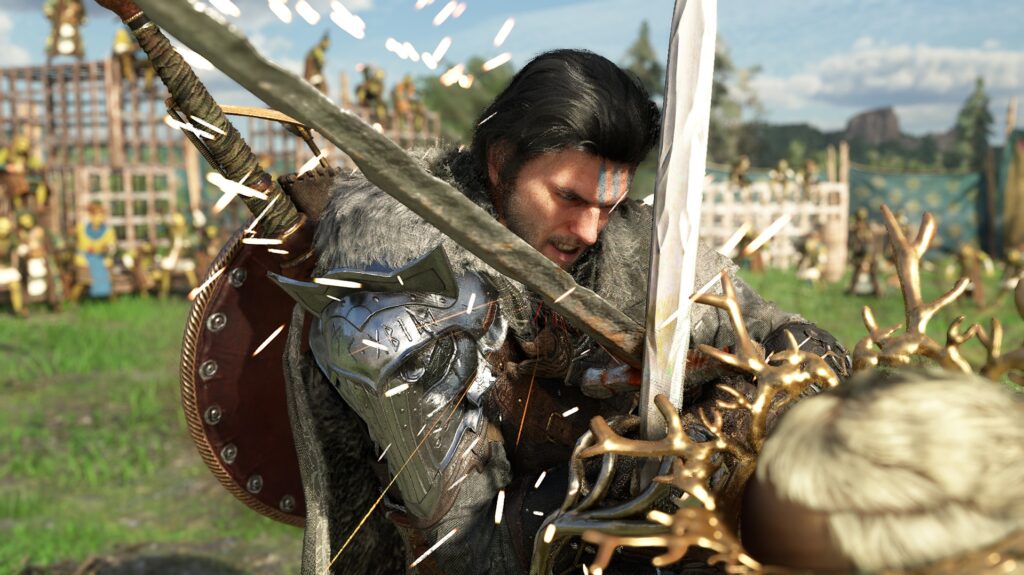
Combat in Crimson Desert rewards timing and positioning over raw stats. You can chain sword strikes into grapples, kicks, and throws, and the game expects you to mix these up rather than spam one attack. Enemies have predictable patterns, but they punish repetitive play. Combat and difficulty have also been tuned across many patches, so see our roundup of what’s new in Crimson Desert if you are returning after a break.
Parrying and Counters
Watch for the white flash on enemies before they strike. Timing your block to that flash triggers a perfect parry, which costs zero stamina and opens a counter-attack window. This is the single most important mechanic to learn. Blocking without timing still works, but it drains stamina fast and leaves you vulnerable to follow-up attacks.
Stamina Management
Every dodge, sprint, heavy attack, and combo drains stamina. For advanced techniques like Force Palm triple-jumping and mid-action food consumption, see our tips and tricks guide. Running dry mid-fight leaves you exposed to finisher moves from bosses. The fix: pace your attacks. Throw two or three hits, dodge out, let stamina recover, then re-engage. Perfect parries refund a portion of your stamina bar, which is another reason to learn the timing.
Grappling and Environmental Combat
Crimson Desert lets you grab enemies and suplex them, throw them off cliffs, or use them as human shields against archers. You can also pick up environmental objects like chairs and crates to throw at groups. Fighting near cliff edges? Push enemies off for instant kills. The physics engine makes environmental combat reliable, not gimmicky.
For a deeper look at the combat system and all three playable characters, check out our Crimson Desert characters and combat breakdown.
Progression and Skill Priorities
Crimson Desert has no experience points. You don’t level up from killing enemies. Instead, all progression runs through Abyss Artifacts, items scattered across the world that function as skill points. You find them by exploring, defeating bosses, and completing story missions.
Skill Tree Structure
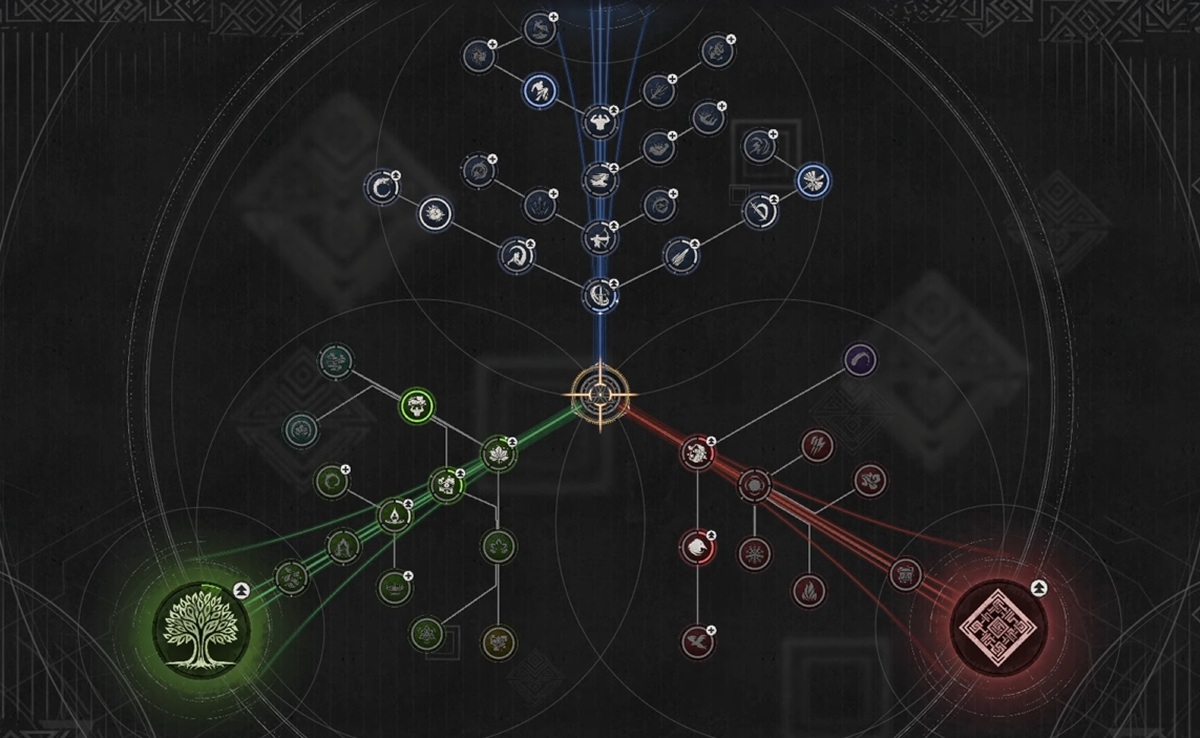
The skill tree splits into three color-coded branches. Blue handles stamina and evasion. Green covers spirit-based abilities like parries, counters, and phantom clones. Red focuses on health, elemental infusions, and aerial traversal. Diamond-shaped nodes between branches are stat boosts for health, stamina, and spirit. For a full breakdown of every skill and which ones to prioritize, see our best skills guide.
What to Unlock First
Spend your first Abyss Artifacts in this order:
| Priority | Skill | Why |
|---|---|---|
| 1st | Stamina upgrades | Everything in combat costs stamina. More stamina means more dodges, more combos, longer fights. |
| 2nd | Blinding Flash + Finisher | Stuns enemies and opens a safe damage window. Works on most enemy types. |
| 3rd | Attack Clone | Summons a phantom that doubles your damage output per swing. |
| 4th | Flame Imbue (Red branch) | Adds burn damage-over-time that keeps ticking while you reposition or recover stamina. |
Avoid Multishot (high spirit cost, limited range) and Mental Frost (inconsistent freeze effect) early on. You can reset skills at any time, so early choices aren’t permanent.
Exploration and Traversal
Most Abyss Artifacts are hidden off the beaten path. If you stick to story missions and ignore side areas, you’ll fall behind on skill unlocks and struggle with later bosses. The game rewards going off-script.
Traversal Abilities
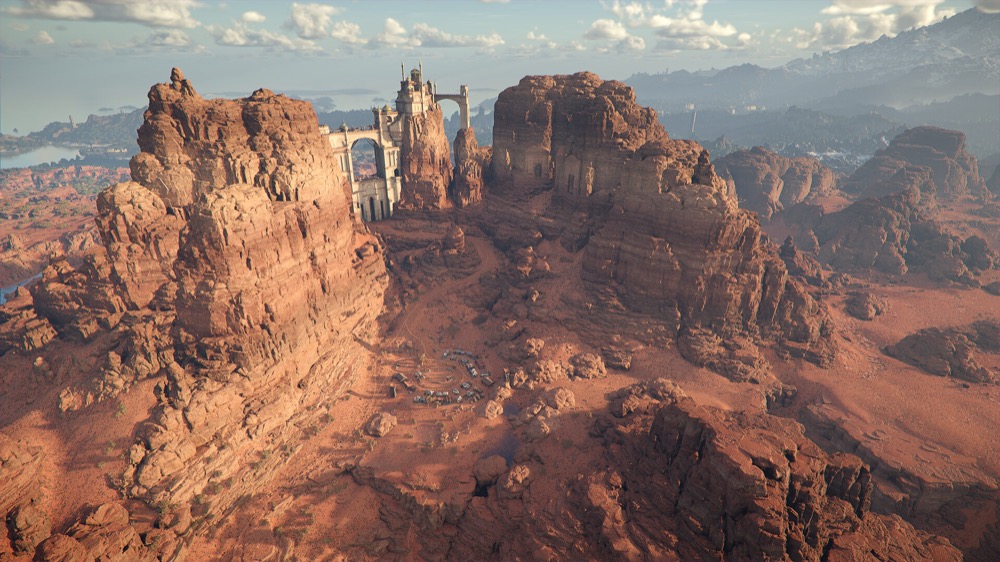
Unlock the Crow’s Wing gliding ability early. Combined with the grappling hook, it opens up vertical exploration across mountains and ruins. Story missions gate some traversal skills, so don’t skip main quests entirely. Abyss Nexus scattered across Pywel serve as fast travel points once discovered. For a full breakdown of every minimap icon, all 8 bell tower locations, and both fast travel types, see our minimap guide.
Mounts
You get a starter horse, but wild horses with higher agility stats roam the Akman Plains. Hunt one down for a meaningful speed upgrade. Later in the game, you’ll unlock bears, a mech, and a dragon for traversal, each with unique combat abilities when mounted.
Gear, Consumables, and Inventory
Weapons for Beginners
The game starts you with a sword, shield, and bow. Stick with sword and shield early. It gives you reliable parries, decent damage, and the shield covers mistakes while you learn enemy patterns. Greatswords hit harder but lock you into slow animations. Spears offer range but less defensive options. Save those for when you’re comfortable with the combat rhythm. For a full breakdown of every weapon type and which ones work for each character, see our Crimson Desert best weapons guide.
Cooking and Consumables
Food buffs matter more than you’d expect. Dried Meat boosts HP regeneration and Herbal Stew increases max stamina. Always eat before boss fights. Crafting at blacksmiths provides stat bonuses that stack with food, so don’t treat either system as optional. For the full priority order on cooking, alchemy, and gear refinement, see our crafting guide.
Research institutes across Pywel offer permanent stat cap increases, infinite arrows, and ATAG weapon blueprints. Scholastone is available from Chapter 5 and raises your health cap to level 18. Pororin gives you infinite arrows for barely any Silver. See our research institute guide for all six locations and every project.
Carry Weight
Carrying too much loot slows Kliff down and makes combat sluggish. Offload crafting materials to Mercenary Caravan storage regularly. Keep only essential potions and your best gear in inventory.
Once you start finding unique gear, our best looking armor sets guide covers the coolest outfits worth hunting down.
Your First 10 Hours
Prioritize story missions for the first few hours. They unlock traversal abilities (gliding, grappling) that make exploration far more efficient. Once you have Crow’s Wing, start detouring off the main path to hunt for Abyss Artifacts.
Once you unlock the bank in Hernand, depositing gold bars and investing them generates passive silver income. See our Crimson Desert bank guide for the full investment system. Spend early gold on upgrading your Greymanes squad equipment. A well-geared squad distracts elite enemies during large battles while you focus on priority targets. Ignore the temptation to buy every weapon from vendors. The strong weapons come from boss drops and exploration, not shops.
In Chapter 3, you unlock the Greymane Camp at Howling Hill and the dispatch mission system. Dispatch missions send freeswords on timed assignments that passively generate camp money, food, and crafting resources while you play. Our dispatch missions guide covers the best POIs, how to scale your worker roster, and how to stack the church donation Conversion bonus with the Golden Bear Key for double rewards.
Boss encounters follow a phase system. For detailed strategies on every campaign boss, see our Crimson Desert boss guide. The health bar changes color: blue for phase one, green for phase two, red for the final phase. Each phase introduces new attack patterns. Memorize the patterns for each phase rather than trying to brute-force through with damage. Defeating bosses grants gear with Signature Abilities that change your combat options.
⚡ Performance tip: Install on an NVMe SSD for seamless region transitions. Enable DLSS or FSR upscaling for a 20-30% FPS boost without visible quality loss.
Recommended Gaming Gear
Crimson Desert’s combo-heavy combat and massive open world benefit from a good controller, headset, and monitor. These three picks cover each category.

8BitDo Ultimate 2 Controller
Hall effect sticks with wireless and Bluetooth

SteelSeries Arctis Nova 7
Multi-platform wireless with 38-hour battery

Samsung Odyssey G55C 32″ QHD
165Hz curved VA panel at a budget price
Frequently Asked Questions
Is Crimson Desert an MMO?
No. Crimson Desert is a single-player action RPG. It’s made by Pearl Abyss (the Black Desert Online studio), but it has no multiplayer, no microtransactions, and no always-online requirement.
How long is Crimson Desert?
The main story takes roughly 60-80 hours. Full completion with side content, exploration, and all three playable characters runs 150+ hours depending on playstyle.
Can you respec skills in Crimson Desert?
Yes. You can reset your skill tree at any time, so early skill choices aren’t permanent. Experiment freely with different branches and builds.
What’s the best starting weapon in Crimson Desert?
Sword and shield. It gives you access to parries and blocks while learning enemy patterns. Greatswords and spears are strong but less forgiving for new players.
Is Crimson Desert a Soulslike?
Not exactly. The combat has weight and timing similar to Soulslike games, but Crimson Desert adds wrestling moves, ranged combat, and a more traditional open-world structure. It’s closer to a mix of Devil May Cry and The Witcher 3 than Dark Souls.
Summary
Crimson Desert’s biggest learning curves are its unusual progression system and stamina-based combat. Spend your first Abyss Artifacts on stamina upgrades and Blinding Flash, learn to parry instead of block, and explore off the main path for hidden upgrades. Your 8BitDo Ultimate 2 or whatever controller you prefer will get a workout with the combo system. The game rewards patience and curiosity over brute force. Once you reach Chapter 4, the Kuku Pot system at the Kilnden Workshop opens up craftable packs, legendary armor, and weapons that carry you through endgame.