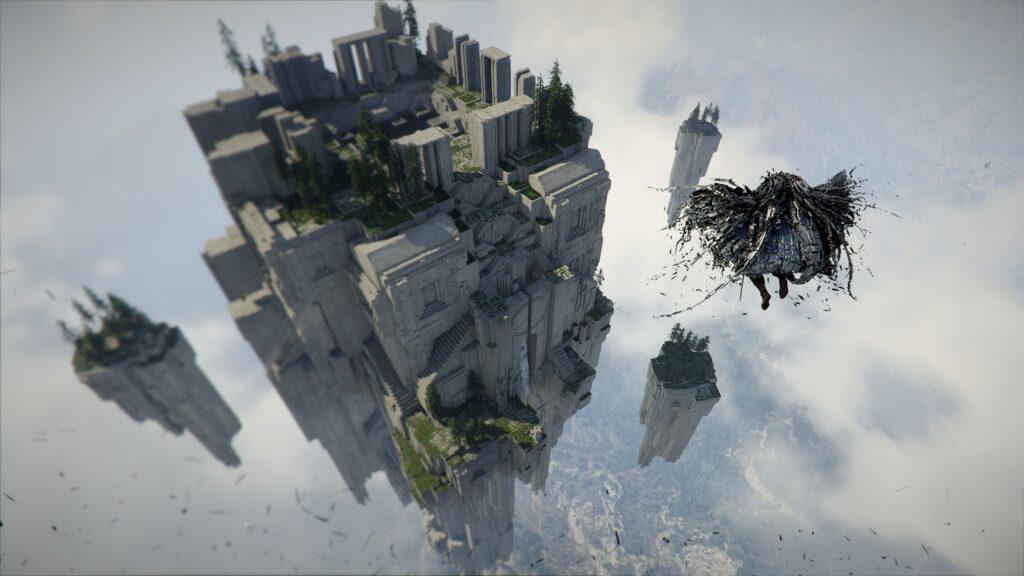
Pearl Abyss built Black Desert Online into one of the most mechanically deep MMOs on the market. Now they are channeling that combat expertise into a single-player action RPG set across the continent of Pywel. Crimson Desert launches March 19, 2026 on PC, PS5, Xbox Series X|S, and Mac with three playable characters, a progression system that throws out traditional leveling entirely, and 29 confirmed mounts including a missile-launching mech. Here is everything confirmed ahead of launch day.
Key Takeaways
- Three playable characters: Kliff (balanced sword/shield), Damiane (agile rapier/pistol glass cannon), and Oongka (heavy two-handed axe bruiser) each have their own skill trees and narrative content
- No traditional leveling: progression runs on Abyss Artifacts that upgrade health, stamina, and spirit, with skills learned by observing enemies and NPCs rather than grinding XP
- Combat closer to Devil May Cry than Dark Souls: fluid combo chains, grapples, throws, elemental magic, and a fixed difficulty that sits between forgiving and punishing
- Massive open world with real systems: dynamic weather that affects combat, hand-placed loot with no randomized stats, base building at your mercenary camp, and a crime/bounty system with reputation consequences
- No microtransactions at launch: Pearl Abyss confirmed no cash shop, and the Standard Edition runs $69.99 across all platforms
What Is Crimson Desert
Crimson Desert is a single-player action RPG from Pearl Abyss, the South Korean studio behind Black Desert Online. It started development as an MMO prequel but evolved into a focused narrative experience with no online requirements. If you like demanding single-player RPGs, the Gothic 1 Remake is another one currently topping Steam’s charts. The game runs on Pearl Abyss’s custom BlackSpace Engine rather than Unreal Engine 5, giving them tighter control over performance optimization.
The story follows Kliff Macduff and his fellow Greymanes, a mercenary faction dedicated to protecting innocents across the continent of Pywel. After a devastating attack by the Black Bears scatters the group and kills many members, Kliff sets out to reunite his surviving comrades, rebuild the Greymanes, and confront the Black Bears’ leader, Myurdin. Pearl Abyss estimates the main story and side content will keep you busy for 50 to 80 hours.
All Three Playable Characters
There is no class system in Crimson Desert. Instead, you play as three characters with completely different combat styles, weapons, and narrative arcs. You start as Kliff, with the other two unlocking as the story progresses.
| Character | Weapons | Style | Strengths |
|---|---|---|---|
| Kliff Macduff | Sword, shield, bow, polearms | Balanced generalist | Versatile toolkit, broadest weapon access |
| Damiane | Rapier, buckler, pistol, musket | Agile glass cannon | High burst damage, superior mobility |
| Oongka | Two-handed axe, shotgun firearm | Heavy bruiser | Massive AOE damage, high sustain |
Kliff is the main protagonist and the character you control for most of the game. His sword-and-shield foundation lets you mix melee combos with ranged bow attacks and grappling throws. He is the ideal starting point for learning how the combat system works before the game opens up. Kliff also has access to polearms and two-handed weapons found throughout the world, so your playstyle shifts based on what you equip.
Damiane plays like a swashbuckler. Her rapier delivers fast, precise melee punishments while her pistol and musket create distance and apply ranged pressure. She has the highest damage ceiling of the three but the lowest survivability. Damiane has her own separate questline and narrative content, so switching to her is not just a combat change.
Oongka is the brute. This orc swings a two-handed axe that hits multiple enemies per strike and pairs it with a shotgun-style firearm for ranged burst. He is slower than Kliff and Damiane but deals the most raw damage and can absorb punishment that would drop the other two. Pearl Abyss describes him as the “simple” character for players who want visceral, high-impact combat without managing complex combos.
Each character has their own independent skill tree. Customization is purely cosmetic: hair, beards, tattoos, and armor dyes have zero impact on combat stats.
Combat System
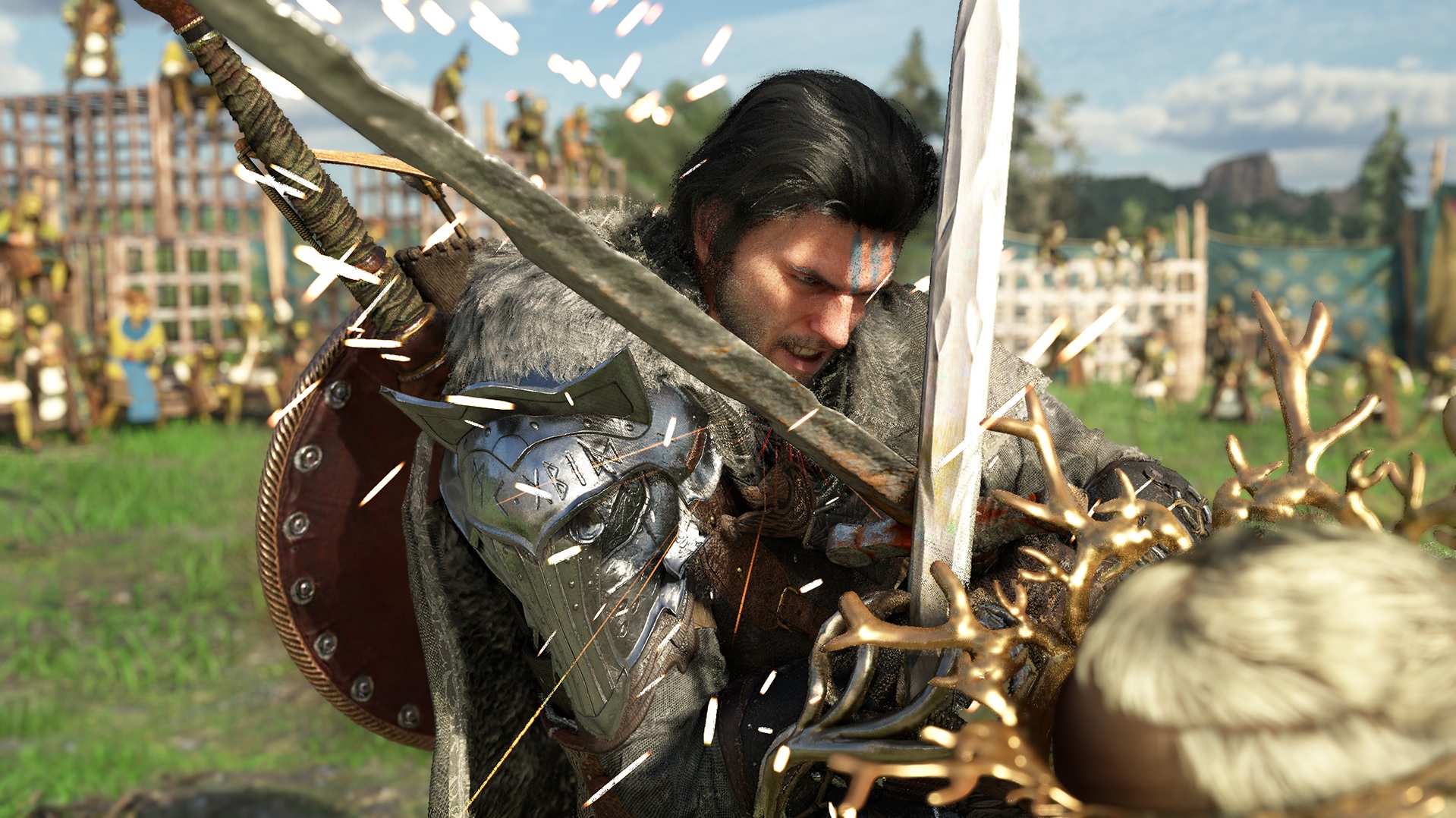
If you have played Devil May Cry or Final Fantasy XVI, Crimson Desert’s combat will feel familiar. It rewards fluid combo chains, timing, and environmental awareness rather than methodical dodge-and-punish patterns. The system encourages blending weapon skills with bare-hand strikes, kicks (motion-captured from actual Taekwondo martial artists), and grapples to create seamless attack sequences.
Parrying is the defensive backbone. Watch for the white flash on an enemy’s attack animation and time your block to trigger a parry. Successful parries consume zero stamina and open a counter-attack window. The Mettle Diamond on your HUD tracks posture: when the red side fills up, back off immediately or you will get staggered.
Grappling and environmental combat set this apart from most action RPGs. You can grab enemies and throw them into walls for impact damage that ignores armor, knock them off cliffs, drag mounted riders from their horses, and take hostages to freeze nearby enemies. Ground weapons dropped during fights can be picked up and used mid-combat. Enemies can also disarm you, so weapon awareness goes both ways.
Elemental magic covers fire, ice, lightning, wind, and nature. Each element interacts with the environment: lightning chains between enemies during rain and deals 50% extra damage, fire skills suffer in wet conditions, and deep snow drains stamina faster. Elemental Oils let you imbue weapons before fights, with fire working best against beasts and lightning punishing armored knights.
Learn by Observation is one of the more unique mechanics. Kliff can learn new abilities by watching NPCs and enemies use them, even mid-combat. If an enemy does a flying belly flop onto you, you can observe the technique and add it to your own moveset. This system is comparable to Spirit Skills in Black Myth: Wukong. Combined with quick weapon switching (up to three loadout slots), your combat options expand continuously throughout the game.
There is one fixed difficulty with no option to change it. Pearl Abyss positions it between “more forgiving than Dark Souls” and “less hand-holding than most open-world RPGs.” If a boss is consistently destroying you, the game is telling you to explore elsewhere and come back stronger.
Progression and Gear
Crimson Desert does not use a traditional experience-based leveling system. Instead, all progression runs through Abyss Artifacts, a resource collected from quests, boss battles, and hidden locations throughout Pywel. These upgrade your core stats: health, stamina, and spirit. You can also reset and reallocate your Abyss Artifacts at any time if you want to shift your build.
Skills are not unlocked through a standard XP bar either. You earn new abilities by observing them in the world, completing quests, and defeating bosses. Exploration itself functions as a progression mechanic since hidden areas, environmental puzzles, and secret boss dens reward new weapons, abilities, and lore.
Loot is entirely hand-placed. There are no randomized stat rolls or procedurally generated drops. Weapons and armor are tied to specific bosses, hidden locations, or crafting blueprints found through exploration. Defeated bosses drop equipment with signature abilities that can reshape how you approach future encounters. Blacksmiths in settlements can upgrade and refine your gear using materials gathered from mining, logging, and other resource activities.
Enemies do not scale with your level. Each area and boss has a fixed difficulty, so the world has real teeth in early zones and gradually opens up as you invest in your character. If something is too hard, you are meant to go somewhere else first. If you enjoy action RPGs with demanding combat, our Nioh 3 beginner guide covers another recent title with similar depth.
Open World and Exploration
Pywel is divided into five distinct regions: Hernand (the starting plains), Pailune, Demeniss, Delesyia, and the Crimson Desert itself. The entire world is seamless with no loading screens between regions. If you can see a landmark on the horizon, you can reach it.
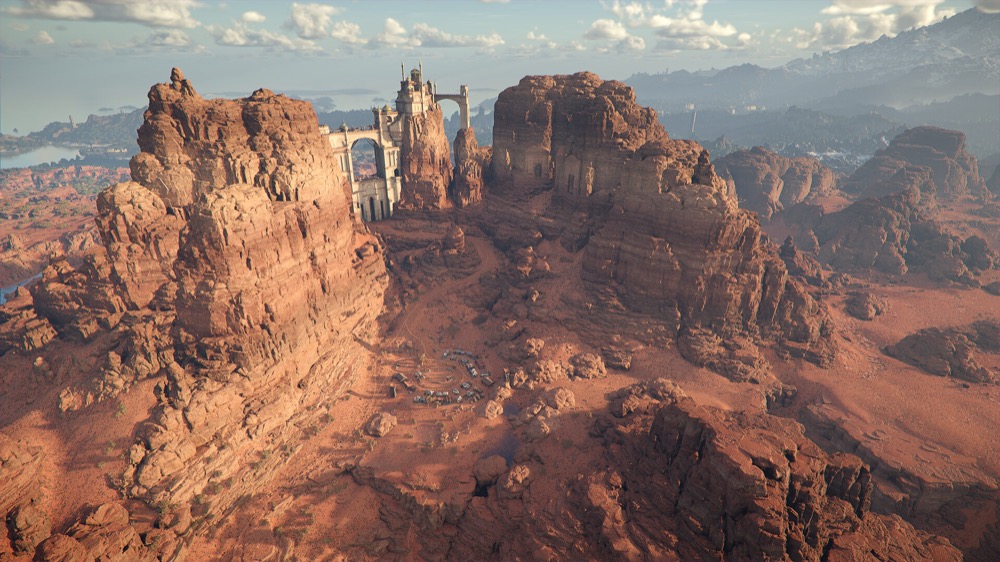
Traversal gives you several movement tools. You can climb nearly any surface (limited by a stamina gauge), glide with the Crow’s Wing ability to prevent fall damage and cover distance, and use grappling hooks to cross large gaps. Fall damage is lethal at heights exceeding 15 meters without gliding, so unlocking Crow’s Wing early is a priority.
29 confirmed mount types go far beyond horses. You can ride bears, wolves, dragons, and even a late-game mech armed with a cannon, machine guns, an EMP ability, and target-locking missiles. Wild horses can be tamed using sugar lumps and rope, with white and dappled coats having superior stats. You can also commandeer enemy mounts mid-combat via grapple, and mounted combat integrates your weapon attacks alongside the mount’s own abilities.
Dynamic weather calculates conditions in real time based on time of day, elevation, regional temperature, and wind direction. This creates varied conditions at the same location depending on when you visit. Weather directly affects gameplay: thunderstorms can hit you with lightning if you are wearing heavy metal armor (swap to leather or find shelter), and nighttime brings elite enemies called Phantoms with improved loot drops under moonlight.
Fast travel works through Dragon Altars, waypoint hubs that must be discovered manually before you can use them. Each fast travel costs Silver or consumable items like Traveler’s Incense. The Mercenary Caravan functions as a mobile fast travel point at designated safe zones. Pearl Abyss encourages traveling by horse since overland routes trigger tavern rumors, rescue missions, and other dynamic encounters that fast travel skips entirely.
Base Building and Side Content
The Greymane Camp serves as your home base. You can expand it using funds and resources gathered throughout the story, adding facilities like a blacksmith forge, farm, ranch, and cooking station. Furniture can be crafted and placed throughout the camp. Cooking meals at camp grants Regeneration buffs that heal you over time during fights without using your potion cooldown, which is a major advantage for tough encounters.
Side content fills out Pywel well beyond the main story. Confirmed activities include pit fighting tournaments, horse racing, tavern games, fishing, regional puzzles, and a stealth system with vision cone detection. A crime and bounty system tracks your reputation, and actions have consequences with local factions.
One of the smaller but noteworthy features: talking to NPCs in taverns can trigger hidden “Rumor” map markers that lead to secret boss dens and treasure chests. Overheard conversations are worth paying attention to. You can also pet dogs and befriend them to help collect items, hold cats, carry pigs on your back, and use a flute to charm rats into following you.
Editions and PC Requirements
Crimson Desert launches on March 19, 2026 across PC (Steam), PS5, Xbox Series X|S, and Mac. Pearl Abyss has confirmed no microtransactions or cash shop at launch.
| Edition | Price | Highlights |
|---|---|---|
| Standard | $69.99 | Full game + Khaled Shield (pre-order bonus) |
| Deluxe | TBA | Kairos Plate Set, Balgran Shield, Exclaire Horse Tack, SteelBook, Greymane Brooch Pin, Pywel map |
| Collector’s (physical only) | TBA | Everything in Deluxe + 3 exclusive weapons, Hyperion Horse Tack, Shroud Lantern, Kliff statue diorama, fabric map |
All editions include the Khaled Shield as a pre-order bonus. PS5 gets an exclusive Grotevant Plate Set.
PC Requirements
| Spec | Minimum | Recommended |
|---|---|---|
| OS | Windows 10 64-bit | Windows 10 64-bit |
| CPU | Intel i5-8500 / AMD Ryzen 5 2600X | Intel i5-11600K / AMD Ryzen 5 5600 |
| GPU | GTX 1060 / RX 6500 XT | RTX 2080 / RX 6700 XT |
| RAM | 16 GB | 16 GB |
| Storage | 135 GB SSD (required) | 135 GB SSD (required) |
| API | DirectX 12 | DirectX 12 |
The recommended specs should deliver around 60fps at 1080p. An SSD is mandatory, not optional. Traditional hard drives are not supported. The specs are surprisingly accessible for the visual fidelity Pearl Abyss is delivering, likely due to the optimizations their custom BlackSpace Engine provides over third-party solutions.
Frequently Asked Questions
Is Crimson Desert an MMO like Black Desert Online?
No. Crimson Desert is a strictly single-player action RPG with no online requirements. It started development as an MMO prequel to Black Desert Online but evolved into a focused narrative experience during production. There is no multiplayer, no shared world, and no always-online requirement beyond an initial license check.
Does Crimson Desert have microtransactions?
Pearl Abyss has confirmed there will be no cash shop or microtransactions at launch. The Standard Edition costs $69.99 and includes the full game. There has been no announcement about post-launch monetization plans.
How hard is Crimson Desert compared to Soulslike games?
Crimson Desert has one fixed difficulty with no option to change it. Pearl Abyss positions it between “more forgiving than Dark Souls” and “less hand-holding than most open-world RPGs.” Enemies have fixed difficulty levels and do not scale, so if a boss is too hard, the game expects you to explore elsewhere and return stronger.
How long is Crimson Desert?
Pearl Abyss estimates 50 to 80 hours for the main story and significant side content. The open world of Pywel spans five distinct regions with base building, pit fighting, horse racing, and exploration-driven progression that can extend playtime further.
Can you play Crimson Desert on Steam Deck or Mac?
Mac is confirmed as a launch platform. Steam Deck compatibility has not been officially confirmed by Pearl Abyss, but the game’s minimum PC specs (GTX 1060, 16GB RAM) suggest it could run on Steam Deck with reduced settings. The 135GB SSD storage requirement is the main concern for portable play.
Gear for Launch Day
Crimson Desert’s combat demands responsive input and spatial audio for parry timing and environmental awareness. These three picks cover the essentials for launch day.
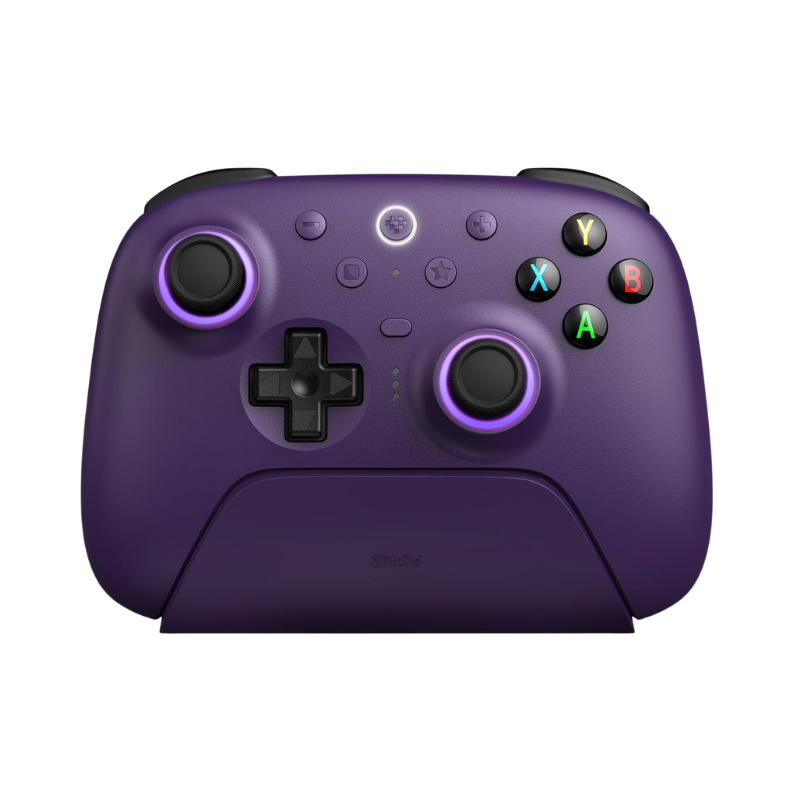
8BitDo Ultimate 2 Controller
Wireless controller with hall effect sticks and charging dock
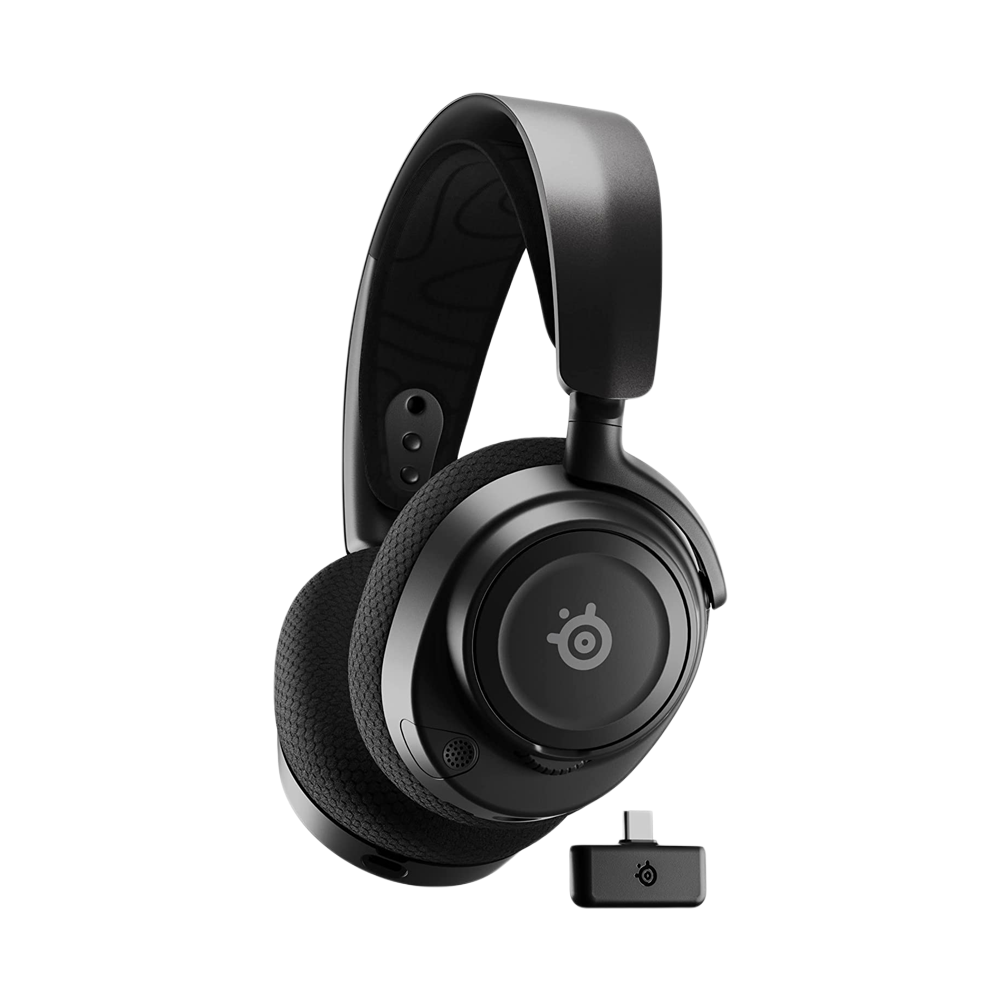
SteelSeries Arctis Nova 7
Wireless gaming headset with spatial audio and 38-hour battery
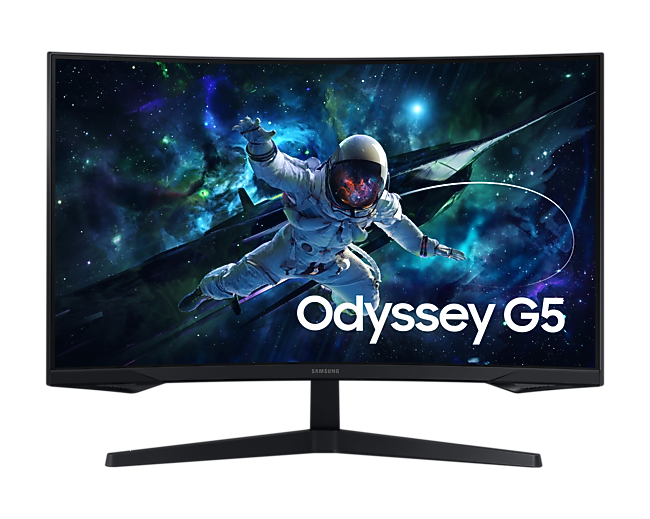
Samsung Odyssey G55C 32″ QHD
32-inch curved gaming monitor with 165Hz refresh rate and 1ms response
Summary
Crimson Desert is shaping up to be one of the most anticipated action RPGs of 2026. Three distinct playable characters, an observation-based skill system that rewards curiosity over grinding, hand-placed loot that makes every discovery meaningful, and a combat system that borrows the best parts of character action games while staying grounded in environmental physics. It launches March 19 across PC, PS5, Xbox Series X|S, and Mac at $69.99 with no microtransactions. Now that the game is live, check out our Crimson Desert beginner guide for combat tips, skill priorities, and everything you need for your first hours in Pywel. In the meantime, if you want another open-world action RPG to keep you busy, check out our Seven Deadly Sins: Origin beginner guide. For another major action release landing this year, check our Onimusha: Way of the Sword breakdown. Echoes of Aincrad weapons guide for the new Sword Art Online action RPG.