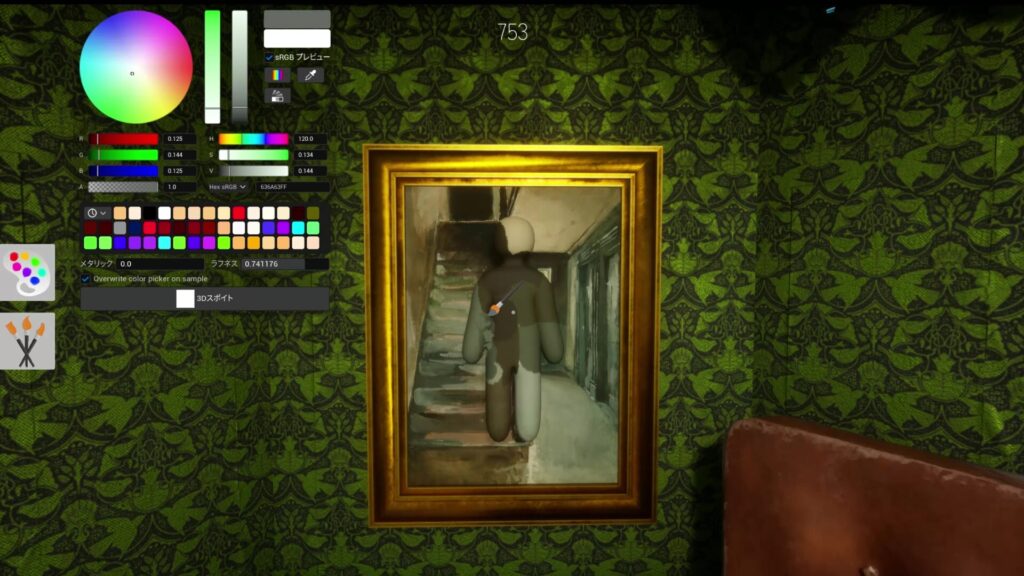
The MECCHA CHAMELEON game modes change the whole feel of a round, and most lobbies stick to one without realizing the other two exist. The paint-and-hide hit ships with three modes: Normal, Increasing Oni, and Double. Each one keeps the same paint-yourself-and-blend core but rewrites the win condition, which means the smart hide and the smart hunt look different in each. This guide breaks down all three, what changes in each, the player count they shine at, and which one to load up depending on who you are playing with.
Key Takeaways
- Three modes total: Normal (tagged hiders are out), Increasing Oni (tagged hiders join the seekers), and Double (everyone hides, then everyone hunts).
- Normal is the default: the cleanest hider-versus-seeker format, best for new players and small lobbies of 2 to 4.
- Increasing Oni snowballs: the seeker team grows every time someone is caught, so it gets chaotic fast and scales best at 6 to 10 players.
- Double tests both roles: everyone takes a turn hiding and a turn hunting, rewarding players who are good at painting and spotting.
- The host picks everything: mode, map, and whether the server is public or private are all set by whoever creates the lobby.
How a MECCHA CHAMELEON Round Works
Every mode runs on the same skeleton, so it helps to know the round flow before the rules change on top of it. The host creates a lobby and picks the map, the mode, and whether the server is public or private. Lobbies hold 2 to 10 players.
Once the round starts, players split into hiders and seekers. Hiders get a prep window to move around the level, paint their plain white body to match the surroundings, and lock a pose. Then the seekers are released to hunt before the timer runs out. What happens when a hider gets tagged is the part each mode rewrites.
If you are still learning the paint tool and the basics of spotting, start with our guide to winning as a hider and seeker. This guide assumes you have the fundamentals down and want to know how the modes differ. To master the color side, see our answer check and color picker guide.
The Three Game Modes at a Glance
| Mode | What Happens When Tagged | How You Win | Best Player Count |
|---|---|---|---|
| Normal | Hider is out for the round | Seekers tag everyone; hiders survive the timer | 2 to 4 |
| Increasing Oni | Hider joins the seeker team | Seekers convert everyone; last hider standing wins | 6 to 10 |
| Double | Standard tag during the hunt phase | Everyone hides and hunts; fastest full clear comes out ahead | 4 to 8 |
The HUD tracks the state of the round with a row of hider icons that flip from white to red as players get found, next to the phase timer. That counter reads a little differently in each mode, which the sections below cover.
Normal Mode
Normal is the standard hide-and-seek format and the mode every new lobby should start in. Hiders paint up and hide, seekers hunt, and a tagged hider is simply out for the rest of the round. Seekers win by finding every hider before the clock hits zero, and the hiders win if even one of them is still hidden when time runs out.
Because nothing snowballs, Normal is the most readable mode. The seeker count stays fixed, so you always know how much pressure is coming. That makes it the cleanest place to learn the maps and practice both roles without the chaos the other modes add.
Normal shines in smaller lobbies of 2 to 4 players, where rounds stay short and every hide is easy to follow. It is also the friendliest mode for stream lobbies and first-timers, since the rules are exactly what people expect from hide-and-seek.
Increasing Oni Mode
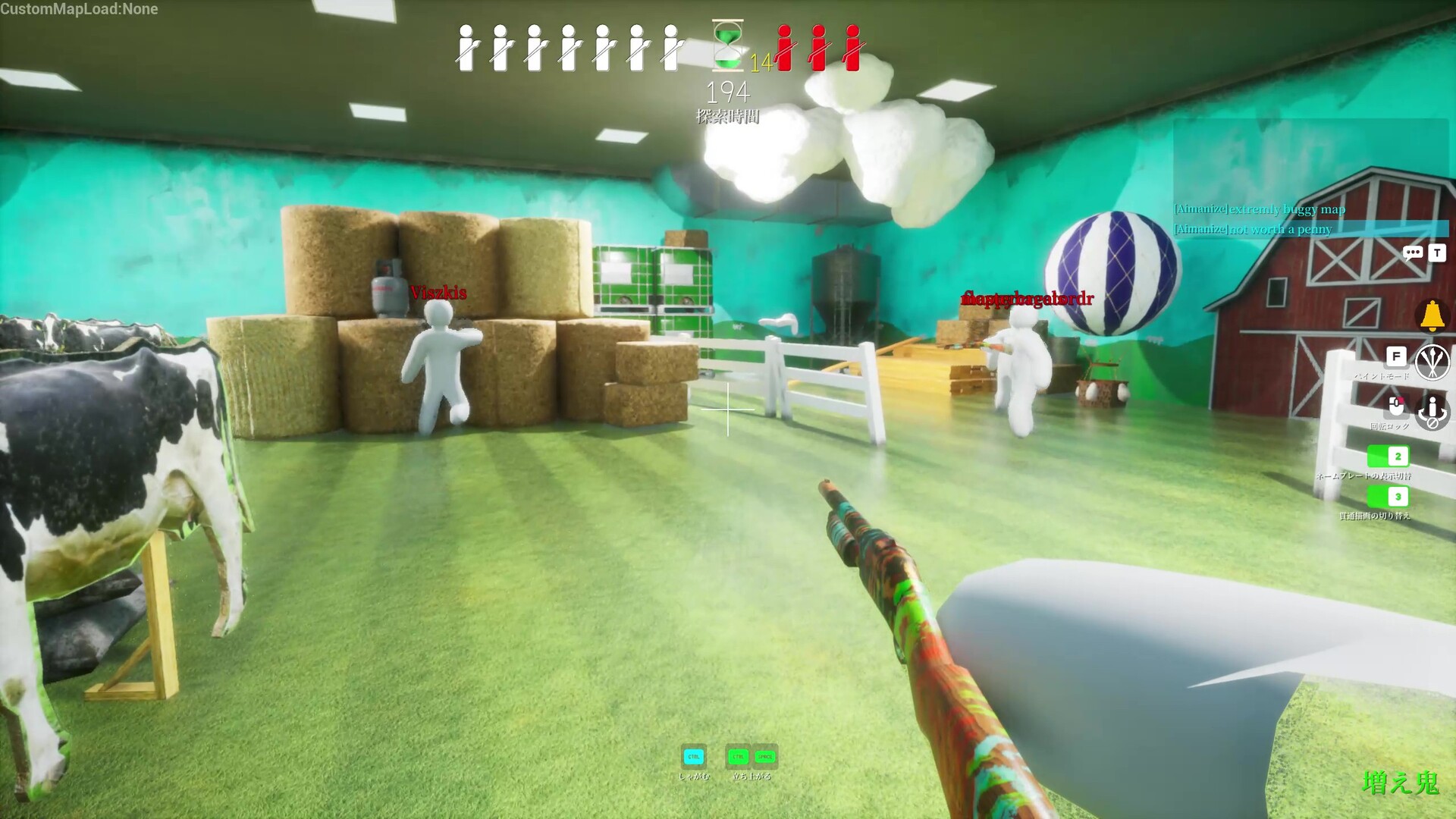
Increasing Oni is the snowball mode, shown in the HUD with its Japanese name 増え鬼. The twist is that a caught hider does not leave. Instead they join the seeker team, so the hunting side grows every time someone gets tagged. The pressure on the remaining hiders climbs the longer the round runs.
This flips the math for both sides. As a seeker, tag the easy targets first to grow your team quickly, then spread the larger group out to cover more of the map. The early conversions are what win the round, so a sloppy blend in the first minute is far more costly here than in Normal.
As a hider, the goal shifts from “do not get found” to “do not get found first.” You want a hide that survives a thin two-seeker sweep early and a crowded room of converted seekers late, so pick a spot with more than one sight line broken. Surviving to the end as the last hider standing is the win.
⚡ Quick tip: Increasing Oni scales best at 6 to 10 players. With only two or three people, the snowball ends almost immediately, so save this mode for a full lobby.
Double Mode
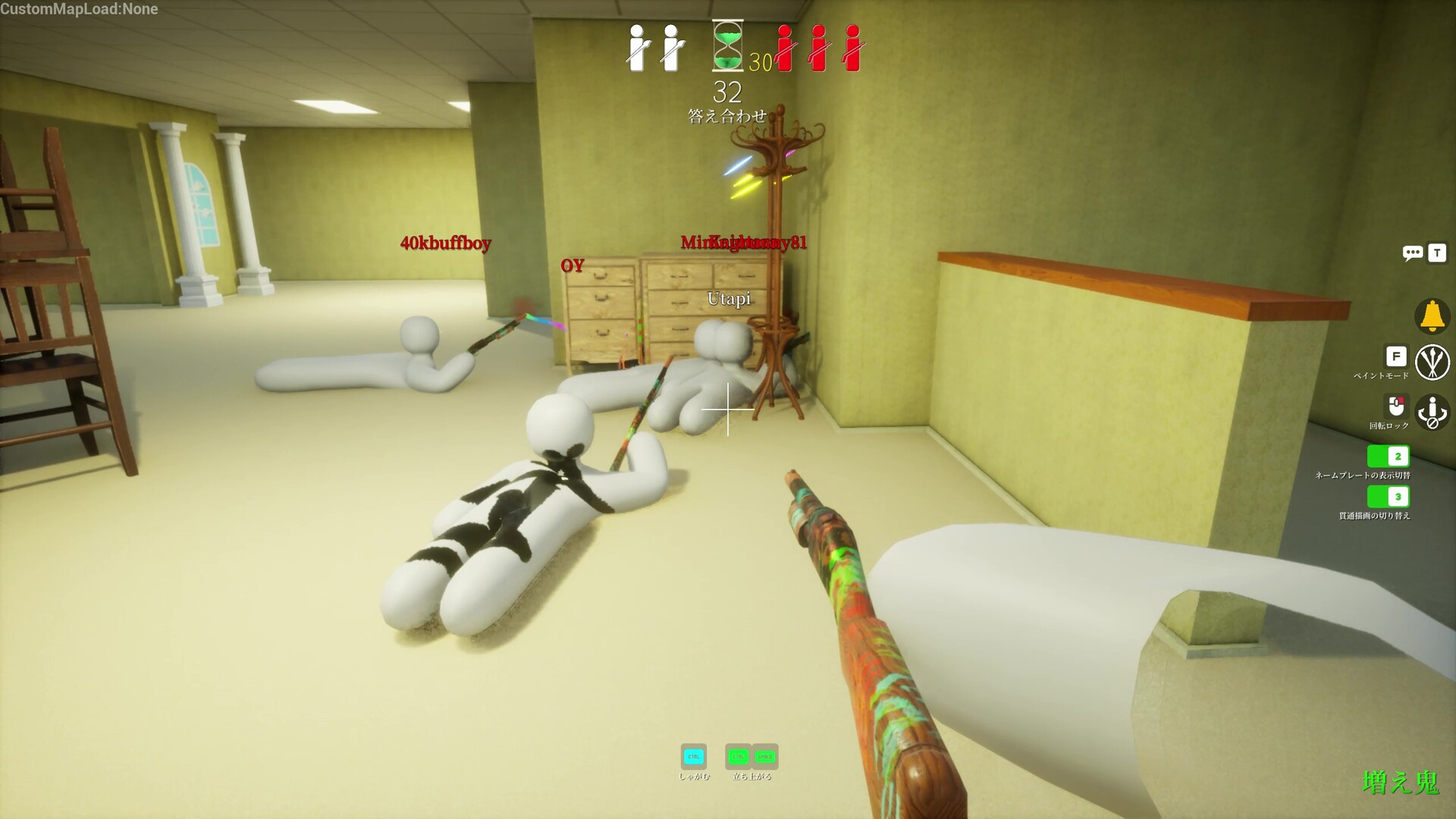
Double mode removes the team split. Everyone hides first, and then everyone hunts, so each player takes a turn on both sides of the round. The side that clears fastest comes out ahead, which turns the match into a race rather than a standoff.
This is the mode for groups that want a fair test. There is no luck of the draw landing you on seekers all night, since everyone paints a disguise and everyone has to spot one. It rewards the all-rounder, the player who can both hide a clean blend and read a bad silhouette across the room.
Double works well for competitive friend groups in the 4 to 8 range, where there are enough players to make the hunt phase interesting but not so many that a single round drags. If your lobby keeps arguing about who is better at the game, this is the mode that settles it.
Which Mode Should You Play?
The right mode depends on your group size and what you are after. Here is the quick read.
Play Normal or Double if:
- You have a small group of 2 to 4 and want short, readable rounds
- Someone is new and still learning the paint tool
- You want a fair test where everyone hides and hunts (Double)
- You prefer a steady round over escalating chaos
Play Increasing Oni if:
- You have a full lobby of 6 to 10 players
- You want the round to build tension as it goes
- You like comeback pressure and a clear last-one-standing winner
- Your group is loud and wants the chaotic, party-night version
Most groups end up rotating all three across a session. Open with Normal to warm up, switch to Increasing Oni once the lobby fills out, and drop into Double when someone wants to prove they are the best in the room. If you are still rounding up players, our guide to platforms and how to play with friends covers private lobbies and the 2 to 10 player setup, and our platform guide breaks down whether it runs on PS5, Xbox, Switch, Mac, and Steam Deck. New players can also check the full controls and keybinds guide before jumping in.
Gear for Painting and Spotting
Every mode comes down to two skills: painting a clean blend and spotting one. Both lean on what you can see and how precisely you can move the cursor. A color-accurate screen makes subtle shade mismatches obvious, a precise mouse makes painting edges faster, and a large pad gives the seeker camera room to sweep. Here is a setup built around seeing and painting clearly. Prices as of June 2026.

ASUS ROG Strix 27″ 1440p
Curved HDR panel that makes subtle color and shade mismatches jump out when you hunt.

Logitech G502 Hero
Precise sensor and a comfy shape for the fine cursor work the paint tool demands.

Logitech G740 Large Pad
A wide, thick pad that gives the seeker camera a full low-sensitivity sweep.
Between game nights, Berry Finds tracks real-time Amazon deals on thousands of everyday products across home, kitchen, beauty, and more so you never overpay on the stuff you buy regularly.
Frequently Asked Questions
How many game modes does MECCHA CHAMELEON have?
MECCHA CHAMELEON has three game modes: Normal, Increasing Oni, and Double. All three use the same paint-and-hide core, but each changes what happens when a hider is tagged and how you win the round. The host picks the mode when creating the lobby.
What is Increasing Oni mode in MECCHA CHAMELEON?
Increasing Oni is the snowball mode, shown in the HUD as 増え鬼. When a hider is caught, they join the seeker team instead of being eliminated, so the hunting side grows through the round. The last hider still hidden wins, and the mode scales best with 6 to 10 players.
What is Double mode in MECCHA CHAMELEON?
In Double mode, everyone hides first and then everyone hunts, so each player takes a turn on both sides. The side that clears fastest comes out ahead. It rewards players who are good at both painting a disguise and spotting one, which makes it a fair test for competitive groups.
What is the best MECCHA CHAMELEON mode for a big group?
Increasing Oni is the best mode for a full lobby of 6 to 10 players. The seeker team grows as people get caught, so a large group keeps the snowball rolling and the tension climbing. Normal and Double feel better in smaller lobbies of 2 to 8.
How do you change the game mode in MECCHA CHAMELEON?
The host sets the mode when creating the lobby, along with the map and whether the server is public or private. To switch modes, the host creates or adjusts the room before the round starts. Players joining a lobby play whatever mode the host selected.
Summary
The three MECCHA CHAMELEON game modes each reward a different kind of play. Normal is the clean, readable default for small lobbies and new players. Increasing Oni turns the round into a growing snowball that shines with a full group of 6 to 10. Double puts everyone on both sides for a fair, all-rounder test.
Rotate through all three across a session and you will feel how the same hide plays differently in each. Once you have a mode picked, sharpen the actual hiding and seeking with our tips guide, and if you want more of the genre, our best prop hunt and hide-and-seek games roundup has plenty for game night.