
Nioh 3 doesn’t hold your hand. Team Ninja’s latest Soulslike throws you into Bakumatsu-era Japan with Yokai around every corner, a complex combat system, and death waiting for every mistake. Once you’ve nailed the basics here, check our Nioh 3 combat guide for advanced style-switching and burst break techniques. After hours in the demo and studying every mechanic, here are the essential tips that will actually keep you alive.
TL;DR
- Master Ki Pulse immediately: Tap R1 after attacks to recover Ki (stamina). This is non-negotiable for survival.
- Learn Flux: Ki Pulse + stance switch gives bonus Ki recovery. Flux II with double switch is even better.
- Use Samurai Mode first: Its deflect ability is more forgiving for beginners than Ninja Mode.
- Invest in Onmyo/Ninjutsu: Buffs and debuffs trivialize difficult encounters.
- Explore thoroughly: The new open field design rewards exploration with shortcuts and loot.
- Ki drain human enemies: Break their Ki, then grapple for massive damage.
- Keep Guardian Spirit filled: Yokai Shift can clutch save failed boss attempts.
Samurai vs Ninja Mode
Nioh 3’s biggest addition is the dual combat mode system. You can switch between Samurai and Ninja modes with a single button press, each offering completely different playstyles.
Samurai Mode
The defensive powerhouse. Samurai Mode excels at blocking and deflecting, making it the safer choice for new players. Its unique ability lets you deflect enemy attacks with proper guard timing. You avoid damage, spend no Ki, and build your Arts Gauge for powerful attacks.
Best for: Learning enemy patterns, face-to-face combat, players who prefer reactive gameplay.
Ninja Mode
High risk, high reward. Ninja Mode emphasizes mobility, stealth, and aggressive offense. You can grapple to terrain, perform stealth kills, and access unique Ninjutsu abilities. However, you’re more fragile.
Best for: Experienced players, stealth approaches, hit-and-run tactics.
Pro Tip: Start in Samurai Mode to learn encounters, then switch to Ninja Mode once you understand the enemy patterns.
Understanding Core Mechanics
Ki Pulse, The Heart of Combat
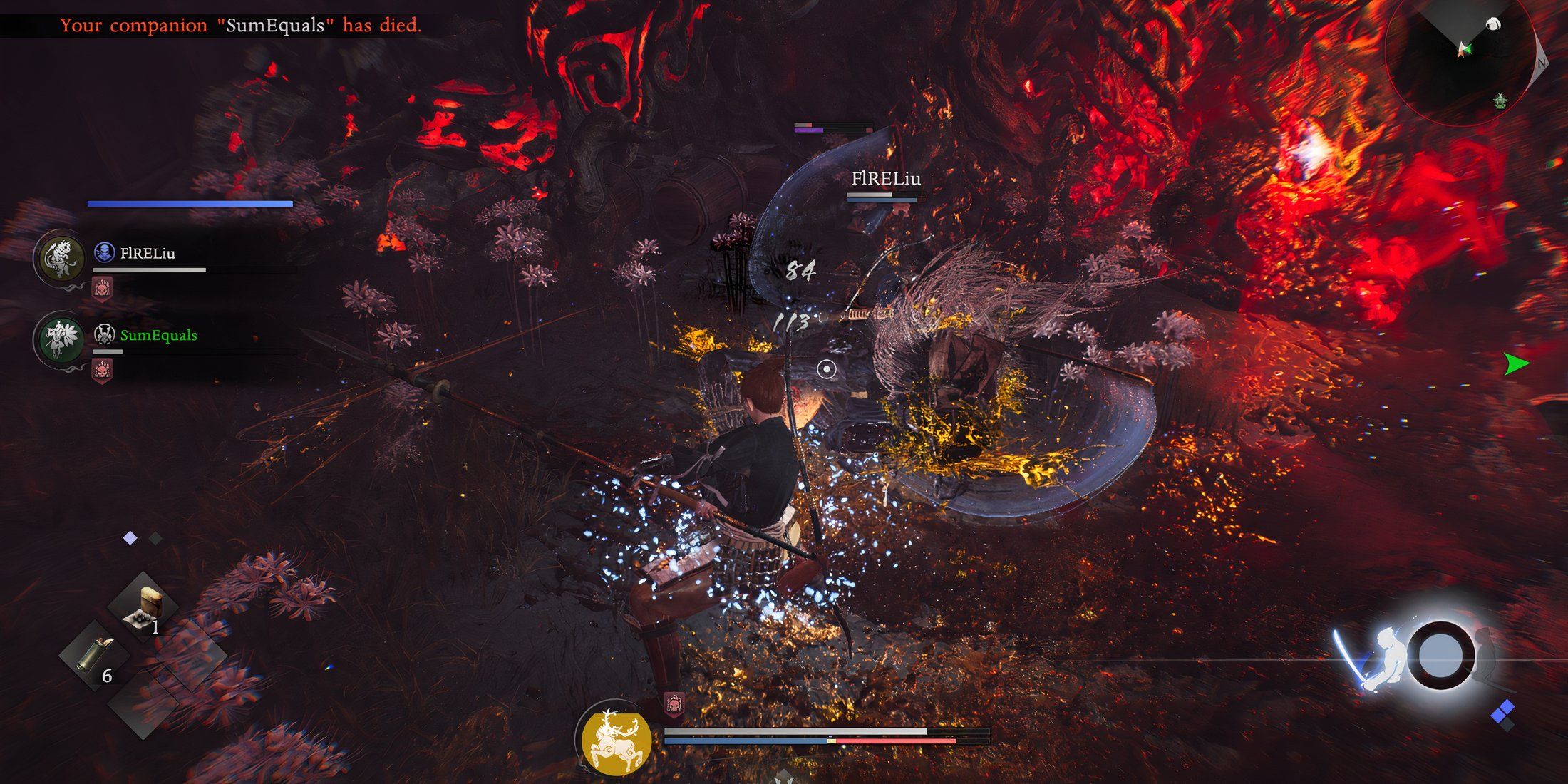
Ki Pulse separates Nioh veterans from players who bounce off the game. After attacking, white particles gather around your character. Tap R1 at the right moment to absorb them and instantly recover Ki.
This mechanic lets you maintain aggressive pressure instead of backing off to regenerate stamina. Without Ki Pulse, you’ll constantly run out of stamina mid-fight. With it, you can chain combos indefinitely.
How to practice: Go to the Dojo and practice the timing until it becomes muscle memory. Look for the visual cue when the particles cluster at your character’s center.
Flux, Ki Pulse on Steroids
Unlock Flux in the skill trees. When you Ki Pulse and simultaneously switch stances, you recover even more Ki. Flux II (switching stances twice during one Ki Pulse) gives the maximum bonus.
A typical Flux combo might be: Attack in High Stance, Ki Pulse to Mid Stance, Attack, Ki Pulse to Low Stance. This keeps your Ki nearly full while outputting constant damage.
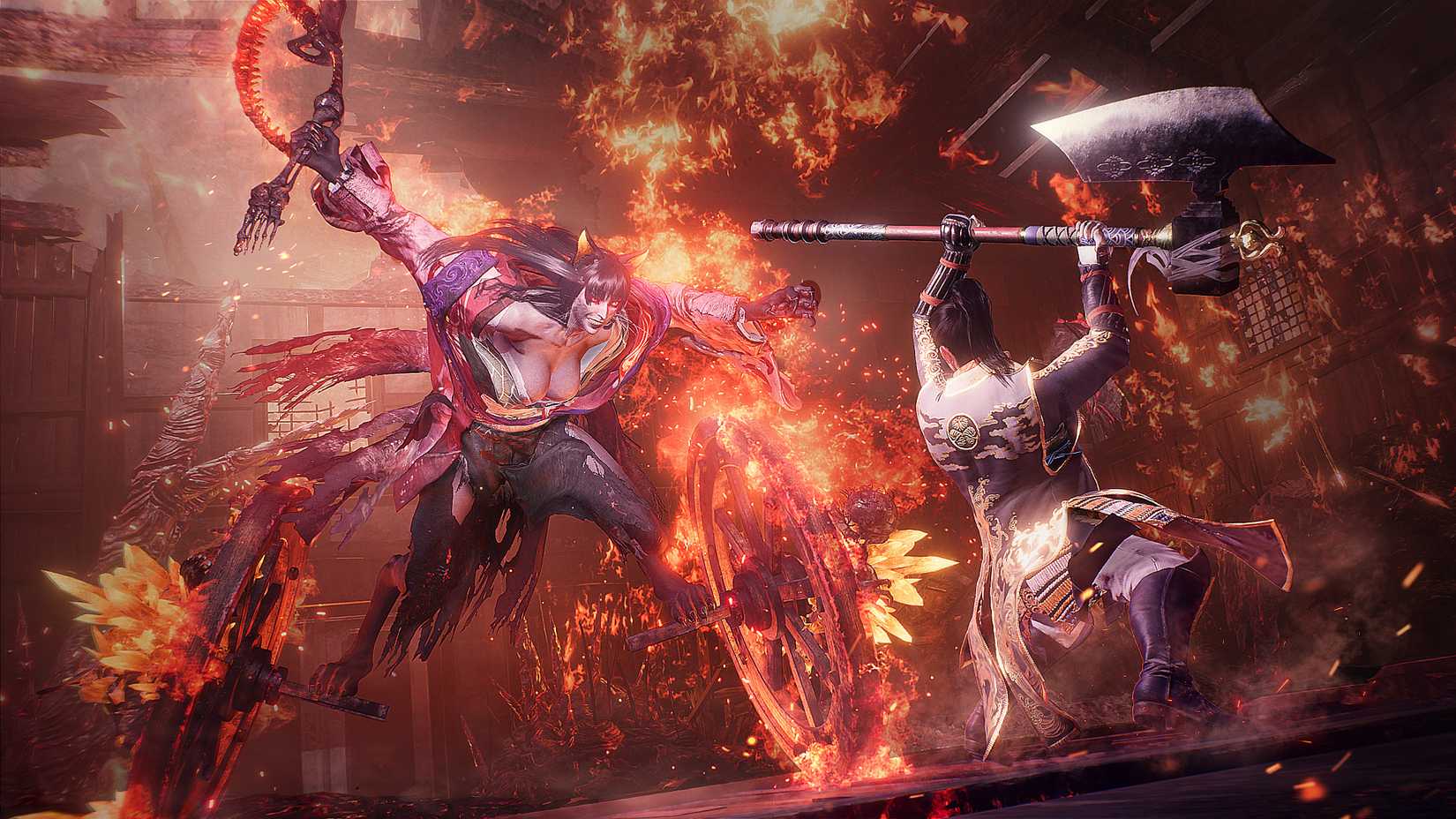
The Three Stances
- High Stance: Maximum damage, slow attacks, high Ki cost. Use for punish windows and slow enemies.
- Mid Stance: Balanced offense and defense. Your bread-and-butter for most encounters.
- Low Stance: Fast attacks, low damage, best dodges. Use against quick enemies or when you need mobility.
Pro Tip: Don’t commit to one stance. The game rewards fluid stance-switching, especially when combined with Flux.
Early Game Strategy
1. Visit the Dojo First
Before tackling any difficult content, go to the Dojo and practice Ki Pulse, Flux, and your weapon’s basic combos. Fifteen minutes of practice will save hours of frustration.
2. Pick Your Primary Weapon
Every weapon is viable, but some are more beginner-friendly. Our Nioh 3 builds guide covers endgame setups for each weapon type once you’ve settled on a favorite:
- Sword: Fast, versatile, excellent skills. The safe choice.
- Spear: Great range keeps enemies at distance.
- Odachi: Strong damage and good stagger, but slower.
Avoid Kusarigama and Switchglaive until you understand the fundamentals. Their complexity compounds the learning curve.
3. Invest Points Early
Prioritize these stats initially:
- Body: More HP keeps you alive while learning.
- Your weapon’s scaling stat: Check which stat your weapon scales with (Heart for Sword, Skill for Dual Swords, etc.).
- Magic/Dexterity: Unlock Onmyo and Ninjutsu capacity for buffs.
4. Unlock Essential Skills
In the Samurai skill tree:
- Ki Pulse: Flux, mandatory.
- Ki Pulse: Flux II, also mandatory.
- Dodge Ki Pulse, recover Ki while dodging.
Essential Tips
1. Use Every Tool Available
Nioh isn’t just about your sword. Onmyo Magic buffs (Carnage, Steel, Protection) boost your damage and survivability by a noticeable margin. Ninjutsu offers shurikens for ranged pokes and traps for area control. Guardian Spirits provide powerful abilities and the clutch Yokai Shift.
Pro Tip: Sloth Talisman (Onmyo Magic) slows bosses to a crawl. It’s often considered “easy mode” but there’s no shame in using it while learning.
2. Learn Enemy Ki Mechanics
Human enemies have Ki bars. Drain their Ki by attacking aggressively or blocking their combos (their blocked attacks cost them Ki). When their Ki breaks, they stagger. Rush in and grapple for massive damage plus a full combo opportunity.
Yokai work differently. They have purple Ki pools that regenerate in Yokai Realm. Use your Ki Pulse to dispel Yokai Realm and prevent their recovery.
3. Explore the Open Fields
Nioh 3’s new open exploration areas hide shortcuts, Kodama, and loot everywhere. Before rushing the main objective, spend time exploring. The items and shortcuts you find will make progression much easier.
4. Keep Your Equipment Updated
Don’t hoard materials. Upgrade and Soul Match your equipment regularly. A slightly higher level weapon makes a noticeable difference. If you find gear with good stats but the wrong level, Soul Match to bring it up.
5. Summon Help When Needed
Co-op is built into Nioh 3. If a boss is destroying you, there’s no shame in summoning a visitor. You can also use Ochoko Cups at shrines to summon AI companions for a limited time. If you enjoy the challenge of soloing hard content, our Elden Ring Nightreign solo guide covers similar strategies.
Common Mistakes to Avoid
- Ignoring Ki Pulse: The single biggest mistake. Practice until it’s automatic.
- Staying in one stance: You’re losing damage and Ki efficiency. Switch stances constantly.
- Panic rolling: Nioh punishes panic. Most attacks are better blocked or walked away from than dodged repeatedly.
- Neglecting Onmyo/Ninjutsu: These aren’t optional extras. They’re core combat tools.
- Fighting Yokai in their realm: Ki Pulse dispels Yokai Realm. Fighting inside it while they regenerate Ki is suicide.
Recommended Gear
Nioh 3’s combat demands precision inputs. A controller like the DualSense Edge with low latency and back buttons makes Ki Pulsing, stance switching, and dodge-canceling much easier. Pair it with a Logitech G PRO X 2 headset to hear wind-up sounds before Burst attacks connect.

Back buttons are a massive advantage for Nioh. Map Ki Pulse to a back paddle so you never have to take your thumb off the stick mid-combo. Adjustable stick sensitivity also helps with camera control during fast encounters.
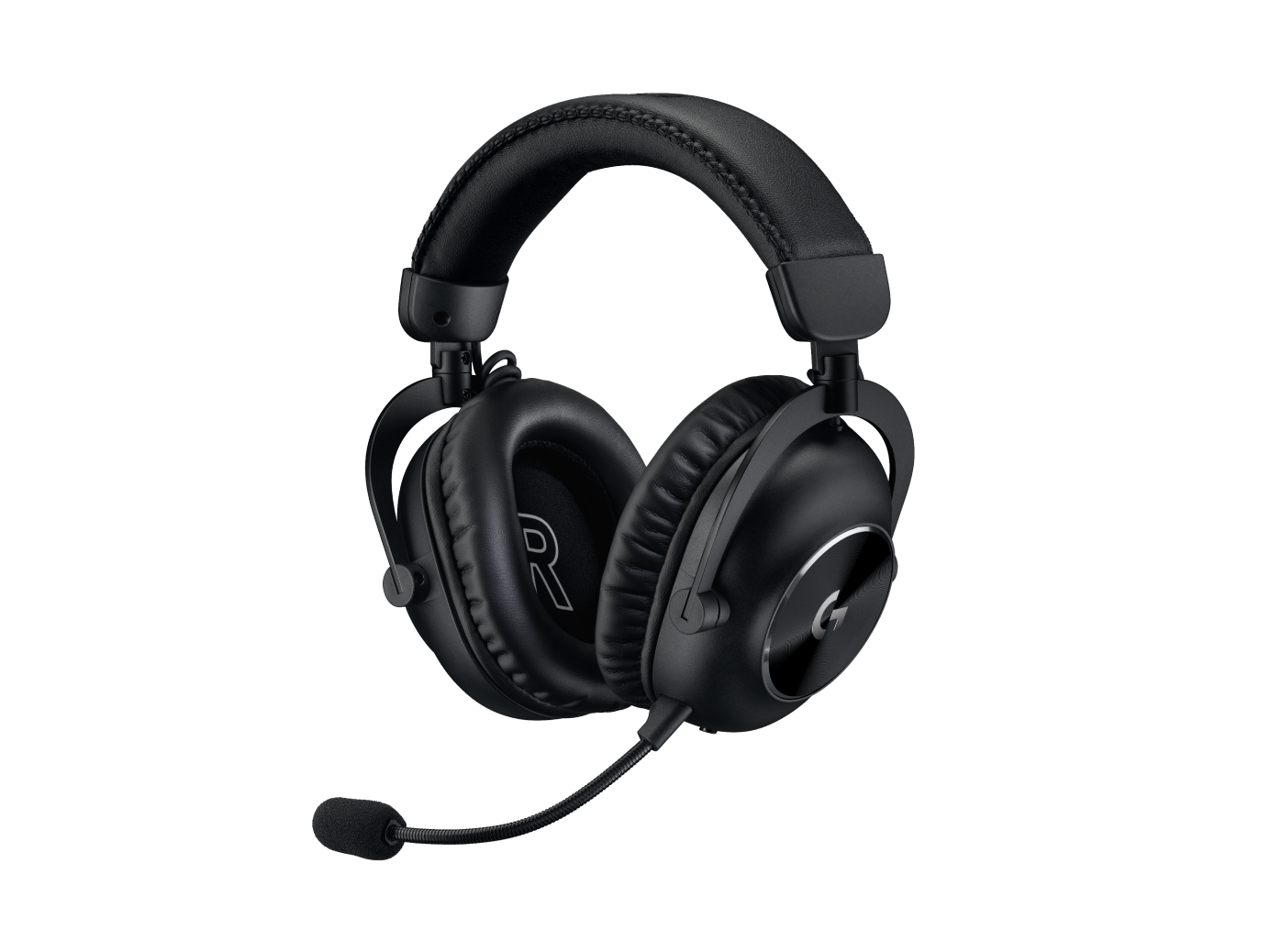
Audio cues in Nioh 3 telegraph enemy attacks. Hearing the wind-up sound before a Burst attack gives you the split second needed to counter. 50mm drivers with 7.1 surround sound deliver that clarity.
Frequently Asked Questions
Is Nioh 3 harder than Elden Ring?
Different kind of hard. Nioh has more complex combat mechanics but levels are more contained. Boss patterns are learnable. Once you master Ki Pulse and stances, Nioh becomes surprisingly manageable.
Can I play Nioh 3 without playing the first two games?
Yes. Nioh 3 is set in a different era with a new protagonist. You’ll miss some references, but the story stands alone.
What’s the best weapon for beginners?
Sword or Spear. Both have intuitive movesets and forgiving timing windows. Sword has excellent skills, Spear gives you safe range.
Should I grind levels?
Generally no. Gear matters more than levels. If you’re stuck, upgrade your weapon or try different tactics before grinding.
How does Yokai Shift work?
Fill your Guardian Spirit gauge by landing attacks and Ki Pulsing. When full, activate Yokai Shift to transform into a powerful Yokai form with unique attacks and temporary invulnerability. Save it for boss fights or emergencies.
Summary
Nioh 3’s difficulty comes from its depth, not unfairness. Master Ki Pulse, learn to use all three stances with Flux, and don’t neglect your Onmyo and Ninjutsu tools. Start in Samurai Mode while you learn, explore everything the open fields offer, and don’t be afraid to summon help for tough bosses. Once the mechanics click, you’ll find one of the most rewarding combat systems in the genre. Craving another brutal blade duel afterward? Capcom’s series revival is nearly here, and our Onimusha: Way of the Sword hub breaks down the release date, demo, and combat. Mortal Shell II drops stamina entirely and moves defense onto Seals, so our Mortal Shell 2 combat guide covers how that loop differs from Ki Pulse.