
Update, September 22, 2026: Bungie restarted Destiny 2 development. It says vaulted campaigns, destinations, and raids will return for all players. The analysis below covers Bungie’s June decision before this reversal.
The Destiny 2 ending most fans braced for finally arrived: Bungie is stepping away from the game it has run for nearly nine years to pour itself into Marathon, its new extraction shooter. The catch is the timing. On the same stretch of June 2026 that Bungie called time on Destiny 2, the farewell update pulled almost double the concurrent players Marathon has ever managed. One game is being wound down because the studio wants to move on. The other is the one they moved on to. The player numbers suggest the studio bet on the wrong one.
Key Takeaways
- What is happening: Bungie ended active development on Destiny 2 with the Monument of Triumph update on June 9, 2026, after nearly nine years. Servers stay online and the game remains playable.
- The contrast: Destiny 2’s send-off update peaked at 167,867 concurrent players on Steam, close to double Marathon’s all-time peak of 88,337.
- Marathon’s year: the extraction shooter launched March 5, 2026, lost 59% of its players within a month, and sold around 1.2 million copies, short of expectations.
- The cost: Sony wrote down the value of its $3.6 billion Bungie acquisition by $765 million, with Marathon’s performance cited as a factor.
- The fair caveat: Marathon still reviews well, around 85% positive on Steam, so this is a commercial stumble more than a quality verdict.
What Bungie’s Destiny 2 Ending Actually Means
First, the precise version, because the headlines made it sound worse than it is. Bungie is ending active development and live-service support for Destiny 2, not switching off the servers. The studio confirmed the game will stay online and playable, “just as the original Destiny is today.” You can still log in and play after the lights dim on new content.
The line in the sand is the Monument of Triumph update, which landed on June 9, 2026. It is the final major content drop, built as a send-off that lets long-time Guardians look back on what they accomplished. After nearly nine years of seasons, expansions, and weekly resets, Destiny 2 moves into maintenance.
Bungie framed the move as a fresh start. “As our focus turns towards a new beginning for Bungie, we will begin work incubating our next games,” the studio said. In practice, the headline destination for those resources is Marathon, the extraction shooter Bungie revived from its 1990s roots.
Destiny 2 vs Marathon: The Numbers
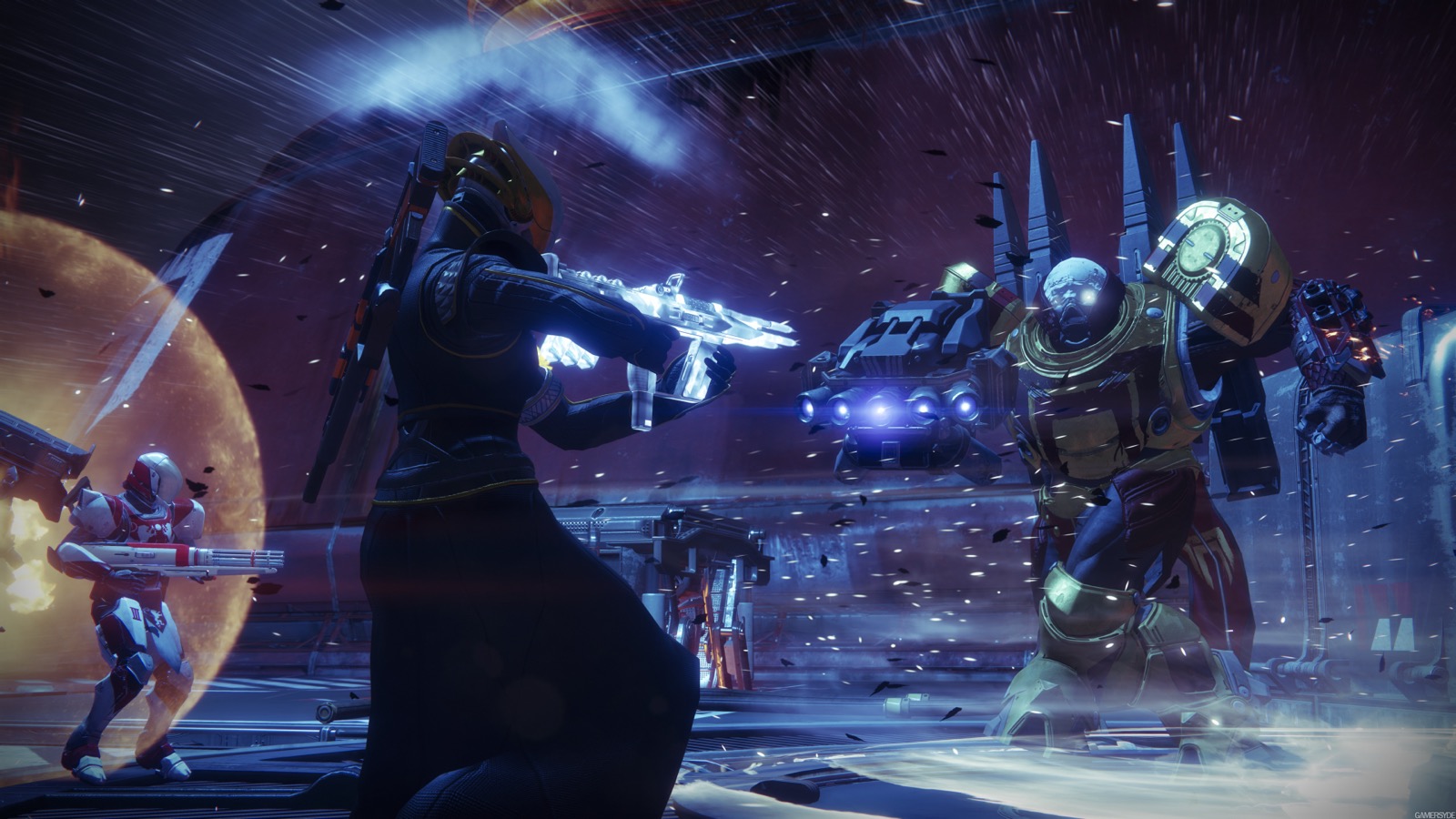
Here is the comparison that frames the whole story. These are Steam concurrent-player peaks, and they understate Destiny 2 if anything, because Destiny 2 carries a large console audience that Steam does not count, while a big share of Marathon’s base is on PC.
| Metric | Destiny 2 | Marathon |
|---|---|---|
| 2026 Steam peak | 167,867 (June 9 send-off) | 88,337 (March launch day) |
| Pricing model | Free-to-play | $40 paid release |
| Launched | 2017 | March 5, 2026 |
| Recent trajectory | Spiked for the finale | Down 59% within a month |
| Steam review rating | Mixed over its life | Around 85% positive |
A nine-year-old game in maintenance mode drew nearly twice the concurrent crowd of the brand-new shooter that is supposed to be the future. Even allowing for the nostalgia spike around a finale, that is not the gap a studio wants to see between the project it is closing and the project it is betting on.
Marathon’s Rough First Year
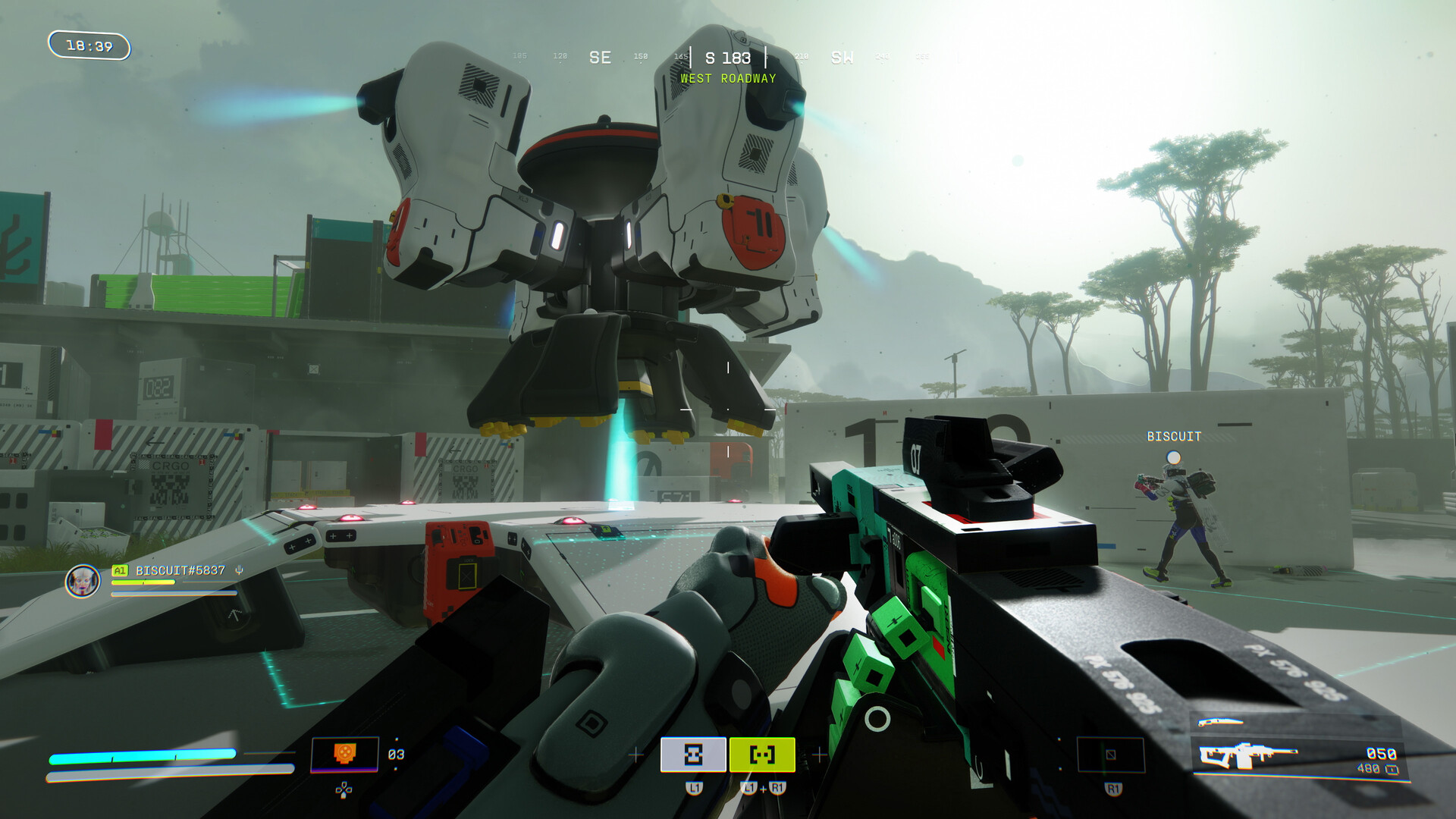
Marathon did not crash on day one. It opened to 88,337 concurrent players on Steam and sold around 1.2 million copies across platforms in its first weeks, generating north of $55 million in revenue. For a new IP in a crowded genre, that is a real launch.
The problem was what came next. Within about a month the player count had fallen 59% from that peak, sliding toward the mid-20,000s on Steam, and reporting indicated the game fell short of Sony’s sales expectations. The financial fallout showed up on Sony’s books: the company wrote down the value of its $3.6 billion Bungie acquisition by $765 million, with Marathon’s underperformance named as a factor.
Here is the part the dunking misses, though. Marathon is not a bad game. It holds around 85% positive on Steam across tens of thousands of reviews, and critics were broadly favorable. The issues are a steep learning curve and brutal competition, including Arc Raiders, the extraction shooter that is dominating the genre right now. A solid game can still struggle to hold a crowd when the lineup around it is this strong. For the full background, see our breakdown of Bungie’s extraction shooter Marathon.
Why the Send-Off Stings
The Monument of Triumph weekend turned into an accidental referendum. More than 167,000 players logged into a game Bungie had just announced it was winding down, and a chunk of them treated it as a statement. Parts of the community organized a show of force, flooding Steam to push the count past Marathon’s all-time peak on purpose.
The message was hard to miss. The audience that Bungie spent nine years building still shows up in numbers the new game has never touched, and they wanted that on the record before the content tap shut off. Whether you read it as love for Destiny or frustration with the pivot, it landed as both.
It also fits a pattern that has followed Bungie for years: big swings, rough timing, and decisions that age badly in public. Players who lived through Destiny’s content vaulting and the long road of expansions know the studio can make a great game and a baffling call in the same breath.
So Why Is Bungie Doing This?
The logical read is that Destiny 2, for all its loyalty, is an expensive nine-year-old service game with a shrinking growth ceiling. Running it at full development cost while also building Marathon and other projects stretches a studio that just took a nine-figure write-down. Something had to give, and a finished, beloved game is easier to put into maintenance than to keep feeding forever.
The risk is obvious. Bungie is trading a known audience for a bet that has not paid off yet, during the same window that audience proved how big it still is. If Marathon’s second season and future updates cannot rebuild the base, the studio will have wound down its safety net before the new thing could stand on its own. Bungie has survived hard pivots before, but the timing here is the kind of thing that follows a studio around, much like the questions that trail other fallen giants in our look at the slow decline of an RPG giant.
Gear for Live-Service Shooters
Whether you are riding out Destiny 2’s final season or grinding extractions in Marathon, live-service shooters ask the same things of your setup: clear comms for squad calls, fast and consistent aim, and enough storage for installs that balloon past 100GB with every update. Here is a setup built for exactly that. Prices as of June 2026.

Logitech G PRO X Wireless
Pro-grade wireless headset with a clean mic, so squad calls land before the extraction goes sideways.

SteelSeries Aerox 3 Wireless
A featherweight wireless mouse for the flick aim that wins gunfights in both games.

Fikwot FN960 1TB NVMe
A Gen4 NVMe drive with room for the 100GB-plus installs live-service shooters demand.
Between sessions, Berry Finds tracks real-time Amazon deals on thousands of everyday products across home, kitchen, beauty, and more so you never overpay on the stuff you buy regularly.
Frequently Asked Questions
Is Destiny 2 shutting down?
No. Bungie is ending active development and live-service updates for Destiny 2, not shutting down the servers. The studio confirmed the game will stay online and playable, just as the original Destiny is today. The final major update, Monument of Triumph, arrived on June 9, 2026.
Why is Bungie ending Destiny 2?
Bungie is shifting resources toward new projects, led by its extraction shooter Marathon, and described the move as a new beginning for the studio. Destiny 2 is nearly nine years old and expensive to keep developing, so Bungie is moving it into maintenance while it builds what comes next.
How does Destiny 2’s player count compare to Marathon?
Destiny 2’s final update peaked at 167,867 concurrent players on Steam, close to double Marathon’s all-time peak of 88,337. The gap is likely even wider in practice, since Destiny 2 has a large console audience that Steam numbers do not include.
Did Marathon flop?
Commercially it underperformed. Marathon sold around 1.2 million copies and lost 59% of its players within a month of its March 2026 launch, and Sony wrote down its Bungie acquisition by $765 million with Marathon cited as a factor. That said, the game reviews well at around 85% positive on Steam, so it is more of a sales and retention stumble than a quality failure.
Can I still play Destiny 2 after the final update?
Yes. Destiny 2 remains online and playable after Monument of Triumph. What ends is the stream of new seasons and major content, not access to the game itself.
Summary
Bungie is ending Destiny 2’s development to focus on Marathon, and the player counts made the decision look upside down. The Monument of Triumph send-off pulled 167,867 concurrent Steam players, nearly double Marathon’s all-time peak of 88,337, while Marathon shed 59% of its players in a month and helped trigger a $765 million Sony write-down. Marathon is not a bad game, but the studio wound down its proven hit during the exact week that hit reminded everyone how big it still is.
Where Bungie goes from here depends on whether Marathon can rebuild. For more on the genre it is fighting in, see our guides to Marathon and Arc Raiders, and check where both land on the most played games on Steam tracker.