If you want to understand what happened to Bethesda, look at one number. Starfield peaked at 330,723 concurrent players on Steam in September 2023, then lost about 97% of them within six months. The studio that defined the modern open-world RPG with Skyrim and Fallout 3 spent its biggest budget ever on a game most people stopped playing by spring. Bethesda is not bankrupt and it is not closing. But the run of must-play releases that made it a household name has stalled, and the reasons go back further than Starfield.
Key Takeaways
- Starfield underdelivered: it sold to 15+ million players but scored 83 to 85 on Metacritic and shed roughly 97% of its Steam peak within six months.
- Fallout 76 broke the trust: the 2018 launch landed Metacritic scores in the high 40s to mid 50s and the “buggy, soulless Bethesda game” reputation stuck.
- The Elder Scrolls 6 is still missing: announced in 2018, it has no release date as of June 2026, eight years after the teaser.
- The formula stopped evolving: stiff NPCs, the aging Creation Engine, and loading-screen exploration are the same complaints fans have raised since Oblivion.
- Rivals filled the gap: Crimson Desert sold five million copies in a month, and games like Kingdom Come: Deliverance 2 now deliver the deep RPG experience Bethesda used to own.
- What Happened to Bethesda?
- Starfield Was the Tipping Point
- Fallout 76 Cracked the Foundation
- The Elder Scrolls 6 Is Still a Rumor
- The Same Drab NPCs and an Aging Engine
- Crimson Desert and the Throne Bethesda Left Empty
- The Microsoft Era and the Studio Closures
- Can Bethesda Still Recover?
- Gear for Long RPG Sessions
- Frequently Asked Questions
- Summary
What Happened to Bethesda?
What happened to Bethesda is less a single disaster and more a slow drift. The studio kept making the same kind of game while the rest of the industry moved on, and two high-profile stumbles, Fallout 76 in 2018 and Starfield in 2023, made the gap impossible to ignore. Add an eight-year wait for The Elder Scrolls 6 and a wave of studio closures under Microsoft, and you get a developer that still has goodwill in the bank but has not shipped a beloved single-player RPG since Fallout 4 in 2015.
None of this means the talent left. It means the output got thinner and the misses got louder. Here is how each piece fits together.
Starfield Was the Tipping Point
Starfield launched on September 6, 2023 as the first new Bethesda universe in 25 years. The hype was enormous, and the launch numbers backed it up: one million concurrent players on day one, six million players in a week, and more than 15 million by November 2024. On paper, that is a hit.
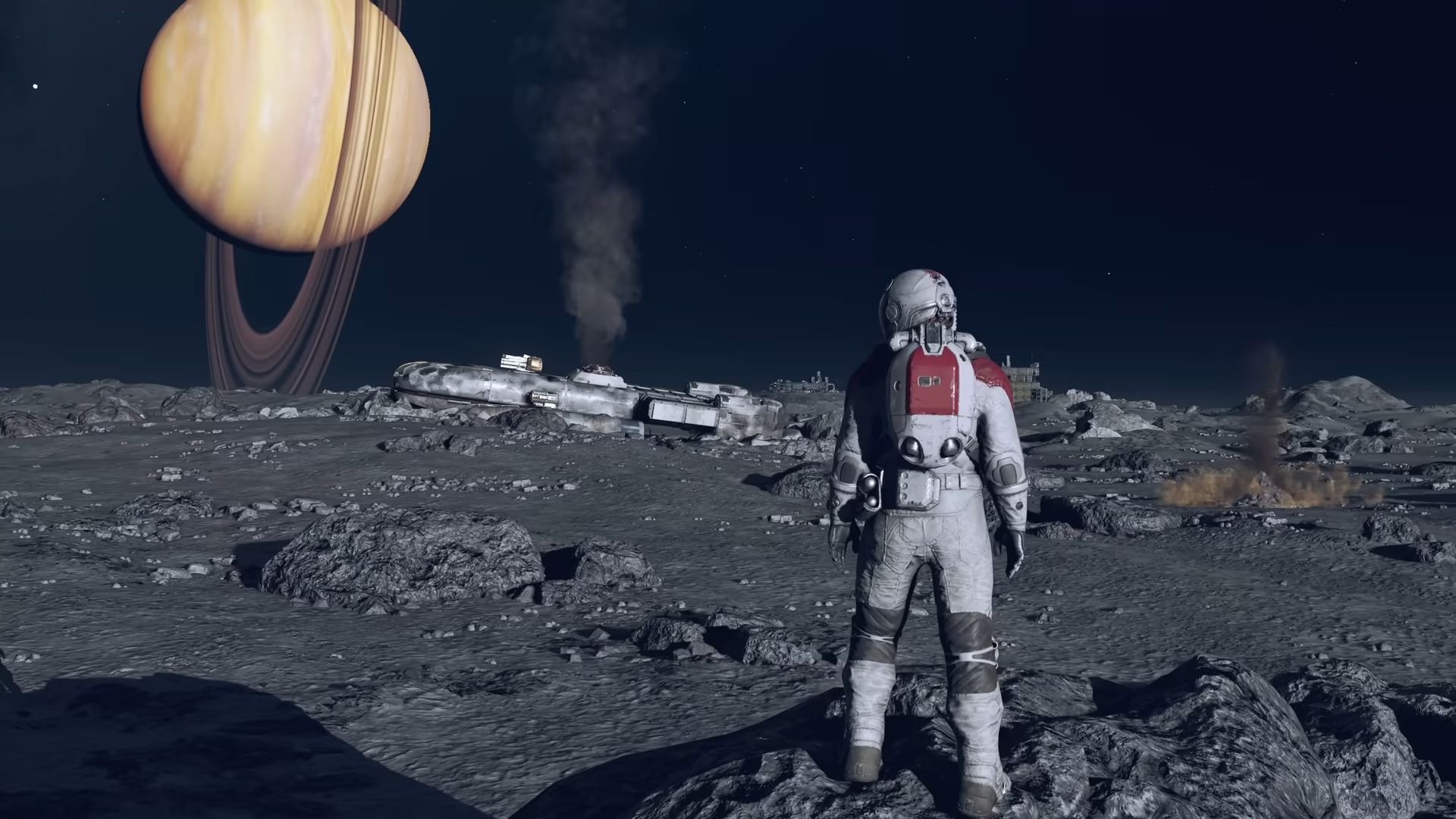
The problem was retention. The Steam version peaked at 330,723 concurrent players on September 10, 2023, then collapsed. PCGamesN reported the game had lost around 97% of that peak within six months, falling under 9,000 concurrent players. For context, Skyrim, a game from 2011, was still pulling more than 25,000 concurrent Steam players at the same time.
Reviews were positive but not glowing. Starfield holds an 85 on Metacritic for PC and 83 on Xbox, with 83% of critics recommending it on OpenCritic. The recurring complaints were specific: more than 1,000 planets that felt empty and repetitive, exploration broken up by constant loading screens, and NPCs that several reviewers called one-note. The Shattered Space expansion in September 2024 drew “mostly negative” user ratings, and the long-delayed PS5 port did not arrive until April 2026.
⚡ Worth noting: Starfield is not a commercial flop. It sold well and brought in millions of players. The flop is in staying power. A Bethesda game you put down after 40 hours and never reinstall is a new thing, and that is what rattled fans.
Fallout 76 Cracked the Foundation
The cracks showed up five years before Starfield. Fallout 76 launched on November 14, 2018 as an always-online multiplayer Fallout with no human NPCs, and it landed hard. Metacritic scores came in at 55 for PC and in the high 40s on consoles, with user reviews bombing the game over bugs, performance, and a world players described as lifeless and empty.
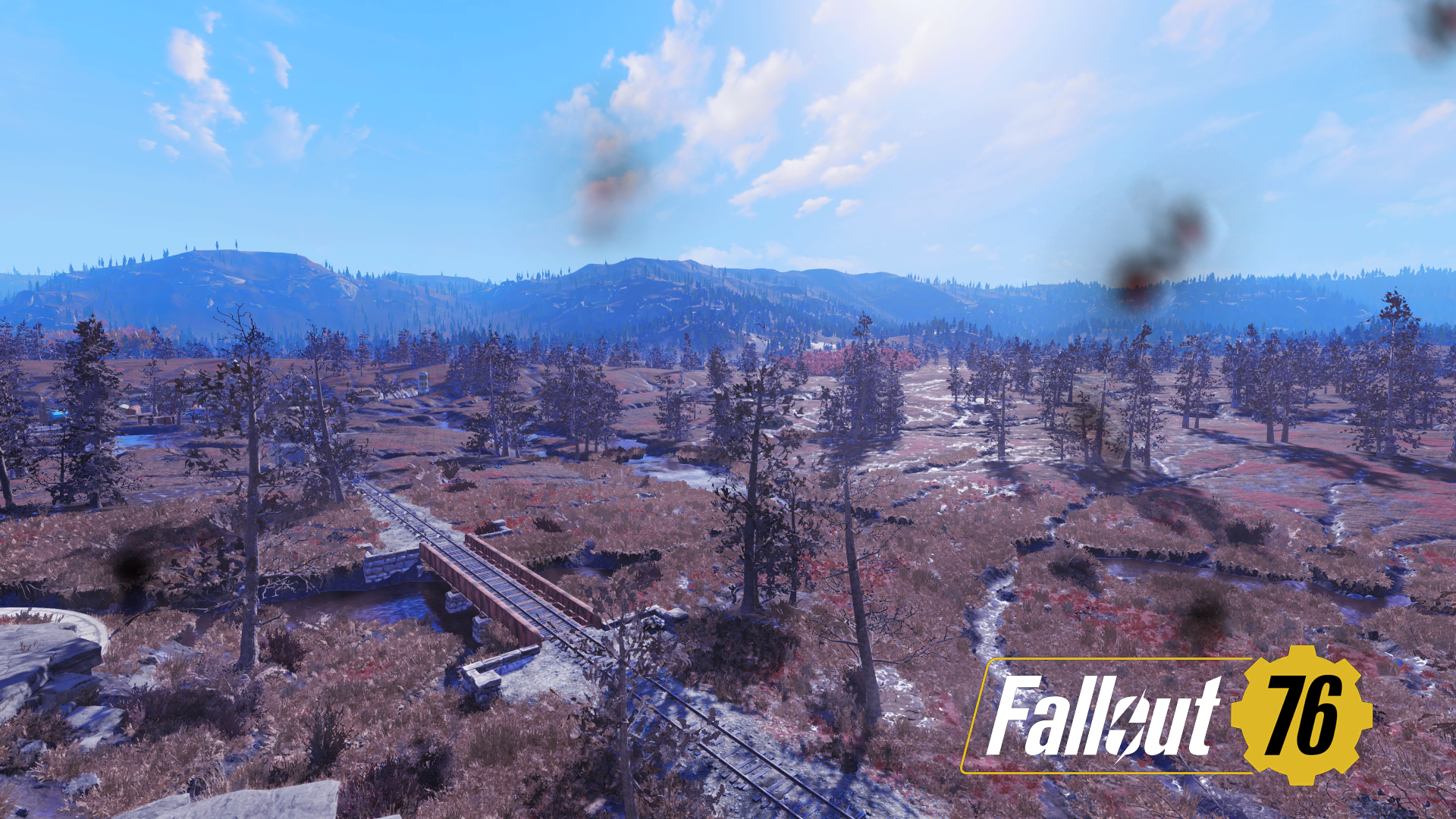
To Bethesda’s credit, it kept working. The Wastelanders update in 2020 added human NPCs and proper dialogue, and years of patches turned Fallout 76 into a game many people now enjoy. The 2024 Fallout TV show on Amazon then did what no update could: Fallout 76 hit over a million players in a single day, and Microsoft reported the show pushed total Fallout playtime on Game Pass to nearly five times its usual level.
The recovery is real, but the launch did lasting damage. It introduced the idea that a new Bethesda game might ship broken and hollow. If you want to see how a similar single-player Fallout was patched up over time, our breakdown of everything added to Fallout 4 since launch shows the better version of that story.
The Elder Scrolls 6 Is Still a Rumor
Nothing captures the situation better than The Elder Scrolls 6. Bethesda announced it on June 10, 2018 at E3 with a 36-second teaser showing a fantasy landscape and a logo. As of June 2026, that teaser is still essentially all we have.
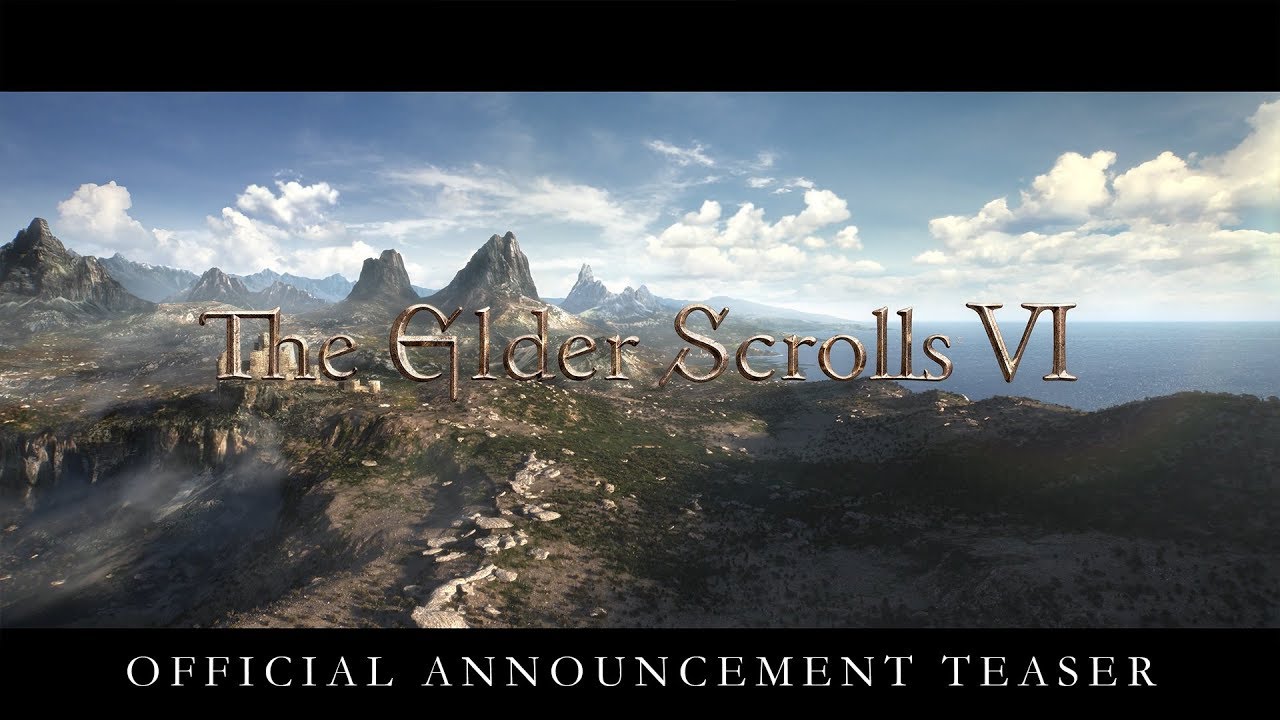
Todd Howard has since admitted that announcing the game so early was a mistake. Active production only began in August 2023 after Starfield shipped, and the game runs on the new Creation Engine 3. In November 2025 Howard said it had become the studio’s primary priority, and in February 2026 he described it as a “classic Bethesda” RPG in the mold of Oblivion and Skyrim that had passed a major internal milestone.
What he did not give was a release window. Howard has previously suggested the game would land roughly 15 to 17 years after Skyrim, which points to somewhere between 2026 and 2028. For a studio whose reputation rests on its single-player RPGs, going eight years between flagship fantasy releases is the clearest sign that something slowed down.
The Same Drab NPCs and an Aging Engine
Across Skyrim, Fallout 4, Fallout 76, and Starfield, players keep pointing at the same things. Stiff faces. Vacant stares in conversation. Townspeople who shuffle through identical daily routines. The bland-faced Bethesda NPC has been a meme since Oblivion in 2006, and Starfield did not move the needle enough to retire it.
A big part of the reason is the engine. Bethesda built Skyrim, Fallout 4, and Fallout 76 on the Creation Engine, and Starfield on a heavily updated Creation Engine 2. The engine is great at one thing almost no other studio matches: physics-driven worlds where you can pick up every cup and stash a thousand items in a barrel. It is also old, and it carries the same baggage release after release, from the facial animation to the loading screens that chop up exploration.
When Starfield shipped in 2023 doing very little that felt new, the criticism that had simmered for years boiled over. Bethesda even drew attention for replying to negative Steam reviews to argue that empty planets were “empty by design.” Defending the complaint instead of fixing it is not a great look, and it fed the sense that the studio had stopped evolving.
Crimson Desert and the Throne Bethesda Left Empty
While Bethesda stood still, other studios moved in. The clearest example is Crimson Desert from Pearl Abyss, which launched on March 19, 2026 and sold two million copies in 24 hours and five million within a month.
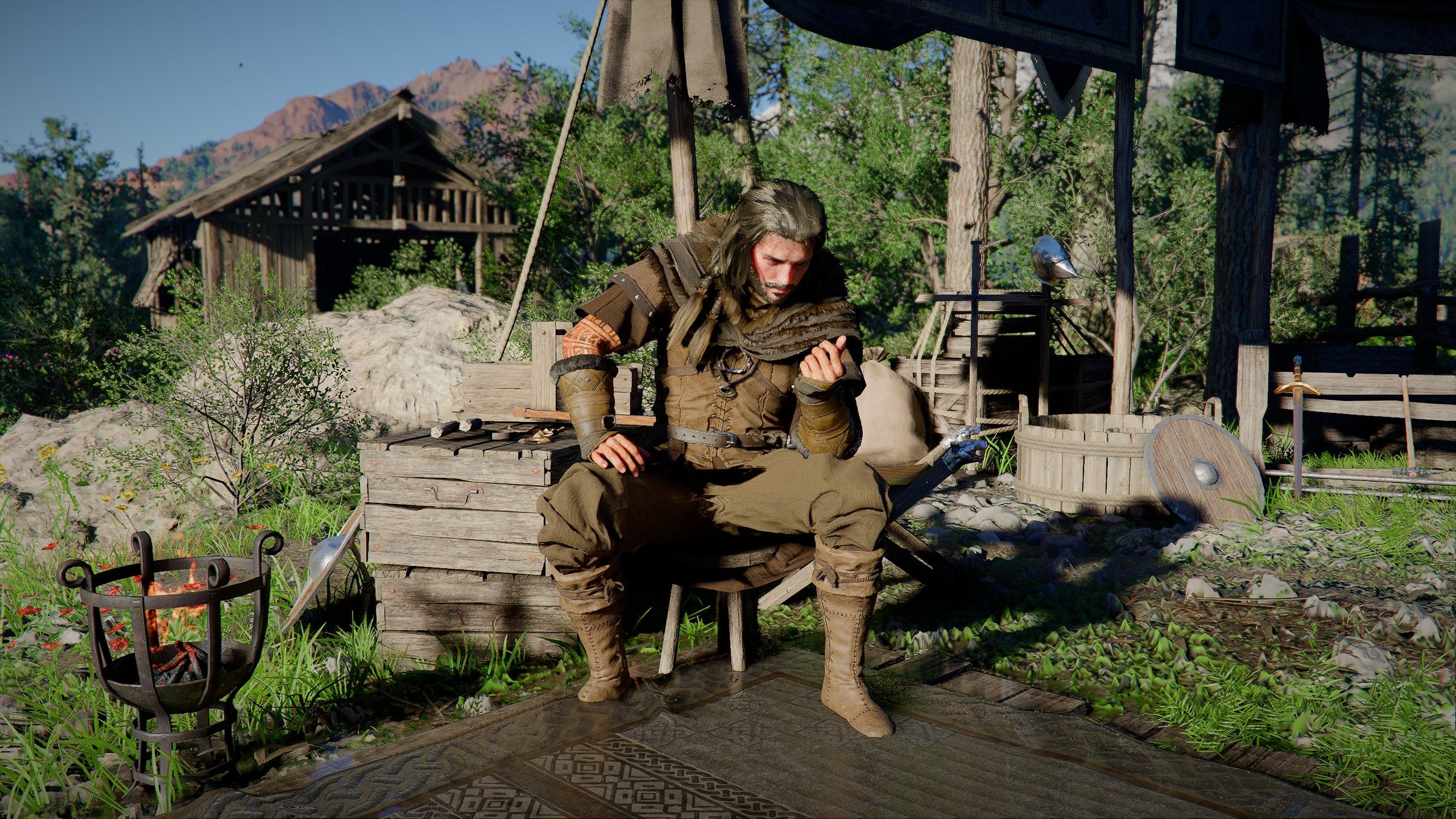
A lot of coverage pitched Crimson Desert as “the next Skyrim,” and you can see why: a sprawling open world, a big-budget single-player campaign, and the kind of scale Bethesda used to own. Here is the honest catch. Crimson Desert is an action-adventure game built on Pearl Abyss’s BlackSpace Engine, not a deep role-playing game, and its reviews were merely good rather than great, sitting at 77 on Metacritic for PC and 78 on PS5. Reviewers loved the combat and world design but knocked the story, the controls, and the inventory.
That actually sharpens the point. Even the game crowned as Bethesda’s replacement is not the systemic RPG fans are missing. The studios truly scratching that itch are doing it elsewhere. Kingdom Come: Deliverance 2 delivered a dense, reactive role-playing world, and the Gothic 1 Remake climbed the Steam charts on old-school RPG design. The throne Bethesda left empty is being fought over by a crowd, and that is the real story of its decline.
The Microsoft Era and the Studio Closures
The business side did not help the mood. Microsoft acquired ZeniMax, Bethesda’s parent company, in a deal worth $7.5 billion that closed in March 2021. The promise was more resources and more games. What followed included cuts.
In May 2024, Microsoft shut down several studios under the Bethesda umbrella, including Arkane Austin (the team behind Redfall) and Tango Gameworks, the studio that had just won awards for Hi-Fi Rush. Alpha Dog Games closed too, and Roundhouse was folded into ZeniMax Online to work on The Elder Scrolls Online. Xbox called it a “reprioritization of titles and resources.” It came as part of a wider round of roughly 1,900 layoffs across Microsoft Gaming that year.
Closing a studio right after it released a critically loved game like Hi-Fi Rush sent a chilling message. For a publishing group that is supposed to be Bethesda’s safety net, the Microsoft era has so far looked more like belt-tightening than the creative boom fans were promised.
Can Bethesda Still Recover?
Yes, and it would be a mistake to count them out. The Fallout TV show proved the fanbase is enormous and loyal the moment Bethesda gives it a reason to show up. Skyrim still sells and still charts more than a decade later. The studio’s core strength, building worlds you can lose yourself in, has not gone anywhere.
Reasons for Hope
- The Elder Scrolls 6 is now the studio’s main priority on a brand-new engine.
- The Fallout brand is hotter than ever after the TV show.
- Skyrim’s lasting player base proves the demand is still there.
- Microsoft has deep pockets if it chooses to invest in quality.
Reasons for Worry
- No new beloved single-player RPG since Fallout 4 in 2015.
- The Creation Engine’s old habits keep following each release.
- Rivals now ship the deep RPGs Bethesda used to own.
- Microsoft has shown it will close studios under the same roof.
The honest verdict is that Bethesda has not fallen so much as stalled. The Elder Scrolls 6 is the test. If it modernizes the formula instead of dressing up the old one, the decline narrative ends overnight. If it ships as a prettier Skyrim with the same stiff NPCs, the questions only get louder. You can track how the giants are faring against each other in our roundup of the most played games on Steam right now.
Gear for Long RPG Sessions
Whether you are grinding a Bethesda backlog or diving into one of the newer RPGs that filled the gap, a few pieces of gear make 100-hour playthroughs easier on your hands and ears. These are current picks from the SlashSkill deals database, chosen for marathon sessions rather than competitive twitch play. As of June 2026:

Thrustmaster HEART Controller
Hall-effect sticks with anti-drift tech, so a 200-hour RPG will not wear out your aim.

Razer BlackShark V3 X HyperSpeed
Comfortable over-ear wireless with long battery life for all-night quest sessions.

YUNZII C75 Wireless Mechanical
Hot-swappable 75% board with a gasket mount that stays quiet during late-night raids.
Between gaming sessions, Berry Finds tracks real-time Amazon deals on thousands of everyday products across home, kitchen, beauty, and more, so you never overpay on the stuff you buy regularly.
Frequently Asked Questions
What happened to Bethesda?
Bethesda did not collapse, it stalled. The studio has not released a new beloved single-player RPG since Fallout 4 in 2015. Fallout 76 launched broken in 2018, Starfield underdelivered on retention in 2023, and The Elder Scrolls 6 is still years away, which together created the impression of a developer in decline.
Was Starfield a flop?
Not commercially. Starfield reached more than 15 million players and sold well. It flopped on staying power, losing about 97% of its 330,000 Steam peak within six months and scoring 83 to 85 on Metacritic, low for a Bethesda flagship.
When is The Elder Scrolls 6 coming out?
There is no release date as of June 2026. The Elder Scrolls 6 was announced in 2018, entered active production in 2023, and Todd Howard called it the studio’s main priority in late 2025. His earlier comments suggest a launch somewhere between 2026 and 2028.
Is Crimson Desert really the next Skyrim?
Not exactly. Crimson Desert is a successful open-world game that sold five million copies in a month, but it is an action-adventure title rather than a deep RPG, and its reviews were good rather than great at 77 to 78 on Metacritic. It fills the open-world gap without replacing the systemic RPG Bethesda built its name on.
Why do Bethesda games feel so similar?
They share the Creation Engine, which Bethesda has used and updated since Skyrim. It enables physics-heavy, item-stuffed worlds but also carries the same recurring issues across releases, including stiff facial animation, basic NPC routines, and exploration broken up by loading screens.
Did Microsoft buying Bethesda make things worse?
It is mixed. Microsoft acquired Bethesda’s parent ZeniMax for $7.5 billion in 2021, but in 2024 it closed several studios under that umbrella, including Arkane Austin and Hi-Fi Rush maker Tango Gameworks, as part of about 1,900 gaming layoffs. The promised creative boom has not arrived yet.
Summary
What happened to Bethesda is a story of standing still. Fallout 76 broke the trust in 2018, Starfield proved in 2023 that scale without staying power is not enough, The Elder Scrolls 6 has kept fans waiting since the 2018 teaser, and the studio’s old habits with NPCs and the Creation Engine never got the overhaul they needed. Meanwhile rivals from Pearl Abyss to Warhorse moved into the space Bethesda used to dominate.
The good news is that the talent and the fanbase are both still there, as the Fallout TV show made obvious. The Elder Scrolls 6 will settle the argument. Until then, plenty of other RPGs are worth your time, from Kingdom Come: Deliverance 2 to Crimson Desert, and a comfortable controller and headset make any of them better company for the long haul.
This pattern is not unique to Bethesda. For the 2026 version playing out at another flagship Xbox studio, see our Halo: Campaign Evolved tracker, which follows the player counts, the layoffs, and the reported development trouble.