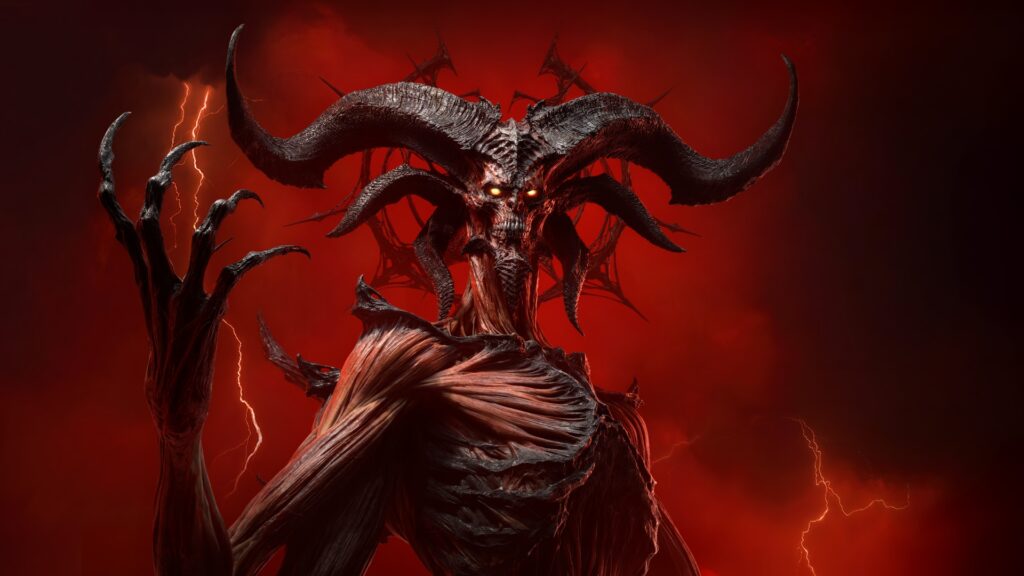
Diablo 4 Lord of Hatred dropped on April 28, 2026 with a Metacritic average of 84 across PC and PlayStation 5, 83 on Xbox, and a wave of reviews calling it the best expansion the franchise has ever shipped. So is it worth $40? The short answer is yes for almost every Diablo 4 player, and yes for lapsed players who bounced off the base game, but with one important footnote: a huge chunk of what makes Lord of Hatred good is free for everyone, and that changes the math on whether the paid content alone is worth it. This review breaks down the campaign, the new classes, the endgame, and the editions, and tells you exactly which buyer profile each one fits.
Key Takeaways
- Verdict: Worth buying at $39.99 if you have any interest in Diablo’s story arc or want to play the new Warlock class. Skip the Deluxe and Ultimate editions unless you specifically want Paladin early access or cosmetic bundles.
- Critic consensus: 84 Metacritic on PC/PS5, 83 on Xbox, 93% positive reviews, with multiple outlets calling it “an exceptional cherry on top of Diablo IV” and “one of the best expansions in the history of the Diablo saga.”
- Campaign: Roughly 6 to 7 hours, concludes the Mephisto storyline with what reviewers call “finality” rare for the series, and was praised by even longtime D4 critics on YouTube as “absolutely fantastic.”
- The free part: The skill tree rebuild for all 8 existing classes, the loot filter, and the Horadric Cube crafting system are free for every Diablo 4 owner whether they buy Lord of Hatred or not.
- The paid part: Two new classes (Warlock and Paladin), the Skovos region, the campaign, War Plans endgame system, Echoing Hatred wave mode, fishing, and Torment 12.
- Skip if: You have zero interest in Diablo’s lore, you only want the base game’s content but at a discount, or you already played hundreds of hours and just want a new season rather than new mechanics to learn.
- The Verdict at a Glance
- What Lord of Hatred Actually Includes
- The Campaign: Mephisto’s Reckoning Lands
- Two New Classes: The Warlock Steals the Show
- The Skill Tree Overhaul Is the Real Win
- War Plans and Echoing Hatred: Endgame Verdict
- Skovos: Worth Visiting Beyond the Campaign?
- Why Critics Said 8/10 But the Player Reaction Is Split
- Editions, Pricing, and What You Actually Need
- Who Should Buy It and Who Should Skip
- Recommended Gear for Long Sessions
- Frequently Asked Questions
- Summary
The Verdict at a Glance
Lord of Hatred is a yes for the vast majority of Diablo 4 players. Game Informer scored it 8.5/10 calling it “an exceptional cherry on top of Diablo IV,” Game Rant gave it 9/10, IGN handed out an 8, and even the harsher voices in the review pool landed in the 7 to 8 range rather than the panning that Vessel of Hatred took in some corners last year. The campaign is short but tightly written, the Warlock class is the strongest summoner the series has shipped in years, and the systems work underneath everything makes the entire game feel different to play. The one consistent criticism is that the new endgame layer (War Plans) is more of a structure for existing activities than a brand new mode.
| Player Profile | Verdict | Why |
|---|---|---|
| Active Diablo 4 player on Season 12 | Buy Standard | You’ll feel the systems changes immediately and the campaign is the best D4 has shipped. |
| Lapsed player who quit after Season 2 or 3 | Buy Standard | Skill tree rebuild, loot filter, and Horadric Cube address every major complaint that pushed you out. |
| Story-only player who already finished base D4 | Buy Standard | Roughly 6 hours of campaign, real finality on Mephisto, and the new region is a visual standout. |
| Newcomer who has never played D4 | Buy Standard (includes Vessel of Hatred) | Lord of Hatred bundles in the previous expansion. You get all three campaigns for $40. |
| Hardcore endgame grinder who plays daily | Wait for Season 13 | War Plans is a thin layer over existing endgame. The next season will likely add the depth you want. |
| Has never cared about Diablo’s lore or franchise | Skip | Nothing here will convert a Diablo skeptic. The improvements are quality-of-life, not genre-redefining. |
What Lord of Hatred Actually Includes

Before the verdict makes sense, it helps to separate what you pay for from what arrives free for everyone. Blizzard split Lord of Hatred down that line in a way that genuinely changes the buying decision. Reviewers who only covered the paid content gave a different impression than the one most active players will form when they log in.
| Free for All Diablo 4 Owners | Paid (Lord of Hatred Only) |
|---|---|
| Skill tree rebuild for all 8 classes (80 new + 40 reworked skills, passives removed) | The Lord of Hatred main campaign (~6 hours) |
| Loot filter | Warlock class |
| Horadric Cube crafting system | Paladin class (was preorder early access in Season 11; expansion bundles it permanently) |
| Overlay map | Skovos region (Mediterranean-inspired island and surrounding zones) |
| Level cap raise to 70 | War Plans endgame system |
| Torment Tier expansion (up to T12) | Echoing Hatred (rare wave-survival mode) |
| Quality-of-life UI updates | Talisman gear slot and Charm system (some Charms only drop in Skovos) |
| Fishing minigame | Vessel of Hatred (the previous expansion is bundled in) |
The right column is what your $39.99 actually buys. The left column ships to everyone in the same patch. That distinction matters because the skill tree rebuild and loot filter are arguably the two single biggest improvements to Diablo 4 since launch, and you do not need Lord of Hatred to feel them. PC Gamer called the broader package “a triumphant expansion” and went as far as saying “there’s never been a better time to play Diablo 4,” which lands true even on the free side of the line.
The Campaign: Mephisto’s Reckoning Lands
The Lord of Hatred campaign runs roughly 6 hours per most reviews, with one community Path of Exile streamer clocking in at 7.5 hours playing a Warlock leveling build on the harder difficulty. Pacing was the consistent praise. Reviewers across PC Gamer, Game Informer, and Icy Veins all noted that the campaign uses an in-fiction eclipse to create a ticking clock, which keeps the story moving and bookends each section without dragging through filler dungeons. Game Informer summarized the structure as a race to stop Mephisto from ushering Sanctuary into “an age of hatred,” with the demon disguised as a benevolent leader corrupting the people of Skovos.
The narrative payoff is what reviewers kept coming back to. PC Gamer’s reviewer specifically called out that “Diablo games rarely play with this level of finality when it comes to villains” and said the Mephisto arc feels allowed to actually end, which is unusual for a live-service ARPG. Icy Veins said it was “easily the strongest narrative Diablo 4 has delivered so far.” Even on YouTube, where critical Diablo 4 commentary tends to be brutal, the streamer behind one of the most-watched campaign reactions described the story as “absolutely fantastic” and gave the campaign portion an 8/10, while explicitly withholding judgment on whether the endgame holds up.
It is not perfect. A few attempts at humor land flat, including a sequence the PC Gamer reviewer called “silly” that exists mainly to remind players Mephisto is “a bad dad.” Stevivor was the harshest mainstream voice in the review pool, calling the story “easily the worst one I’ve seen in a Diablo game,” but that take is the outlier. Most players who complete the campaign will walk away satisfied that the Mephisto storyline has actually been resolved.
Two New Classes: The Warlock Steals the Show
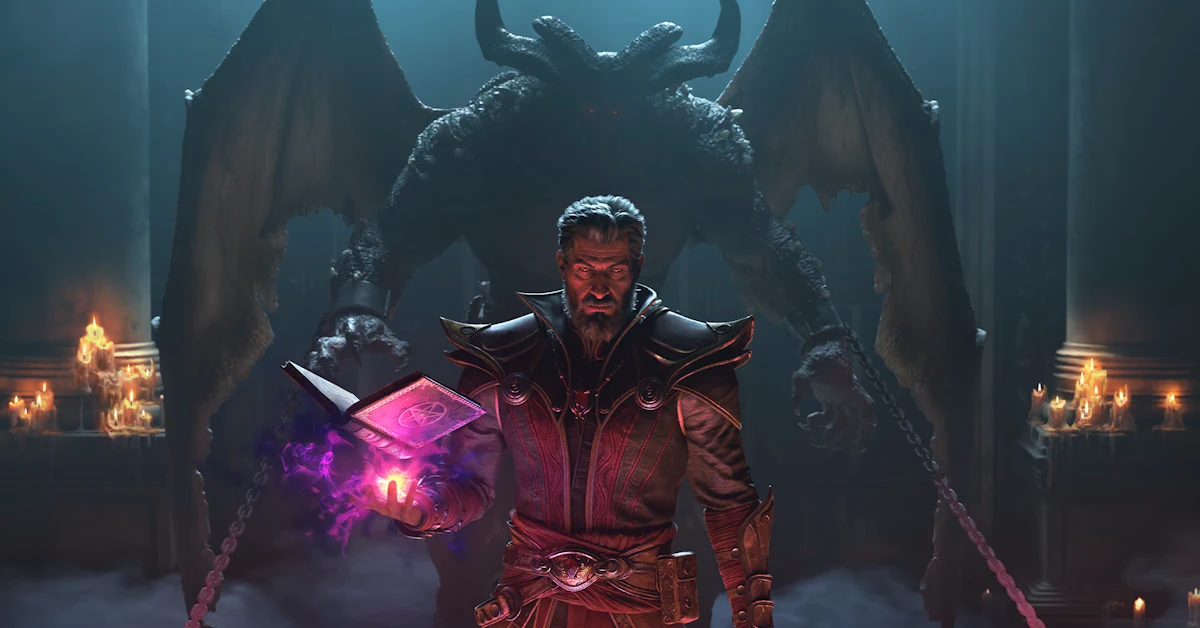
The Warlock is the headline. Icy Veins described it as a “hell-based summoner fantasy” that is the dark counterpart to Paladin, and PC Gamer’s reviewer called the class fantasy “unusually clear and satisfying” while singling out a “Rampage” build that summons one oversized demon as the main combat character with the player playing support. Game Rant called Warlock “one of the best summoner archetypes in the franchise.” Across reviews, the Warlock is consistently the class that pulls people back into Diablo 4 even if they bounced off the base game.
The mechanical hook is corruption. Warlock builds revolve around a loop of summoning, sacrificing, and re-summoning demons, and pushing the loop harder gives you more power but applies stacking corruption you have to manage. MP1st said this gives the class a tempo unlike any existing Diablo 4 class, where the question is not “can I kill this pack” but “how hard can I push my own pact before I burn out.” For players who liked the original Diablo 2 Necromancer or want a summoner with active decision-making instead of passive pets, this is the strongest implementation Blizzard has shipped.
The Paladin is the second new class, but with an asterisk. It actually went live earlier in Season 11 (preorder customers got it in February 2026) and the expansion just makes it permanent. Reviewers liked the Oath system, which lets you commit to one of four holy paths that change how the class plays from defender to aggressive judgment-dealer. MP1st called it “a classic heavy armor and shield holy warrior” given an identity through commitment to a path. Solid, thematic, and approachable, but if you preordered and have already played Paladin for a season, the expansion’s value tips harder toward Warlock and the campaign.
The Skill Tree Overhaul Is the Real Win
This is the change that reviewers spent the most words on, and it is the one that ships free for every Diablo 4 owner. Lord of Hatred deletes passive skills entirely from every class and replaces them with 80 new active skill options plus 40 reworks. The result is what PC Gamer described as skill trees that “can hold their own for the length of the campaign and then some,” with many of the build-defining effects baked directly into the tree instead of locked behind a specific Legendary Aspect drop.
The practical effect is that buildcrafting works during the campaign now. The PC Gamer reviewer described having a build “firing on all cylinders long before I hit the level cap” for the first time in years, and crafting a devastating setup without farming a single ultra-rare item. The community PoE streamer said the same thing in different words: previously, “many builds were gated behind needing specific legendary aspects to turn on mechanics,” whereas now those enabling pieces are baked into the skill tree. He compared the old design to “a skill twig” that has finally been turned into a real tree.
Itemization changes feed into the same shift. Instead of being showered in legendaries that immediately overshadow rare gear, the new flow has you wearing rares for most of the campaign with maybe one legendary equipped, which pushes you toward the new Horadric Cube to upgrade and reroll items. Game Rant called the Horadric Cube “significantly improving itemization” and PC Gamer used a relatable example of a generic pair of gloves becoming “my most prized possession” after a successful crafting session. This is also free for everyone, and it is the second biggest single change behind the skill tree.
⚡ Quick tip: If you are a lapsed player who has not logged into Diablo 4 since 2024, log in before deciding whether to buy. The skill tree and Horadric Cube changes are free, and the base game feels different enough that you might be sold on Lord of Hatred just from those alone.
War Plans and Echoing Hatred: Endgame Verdict
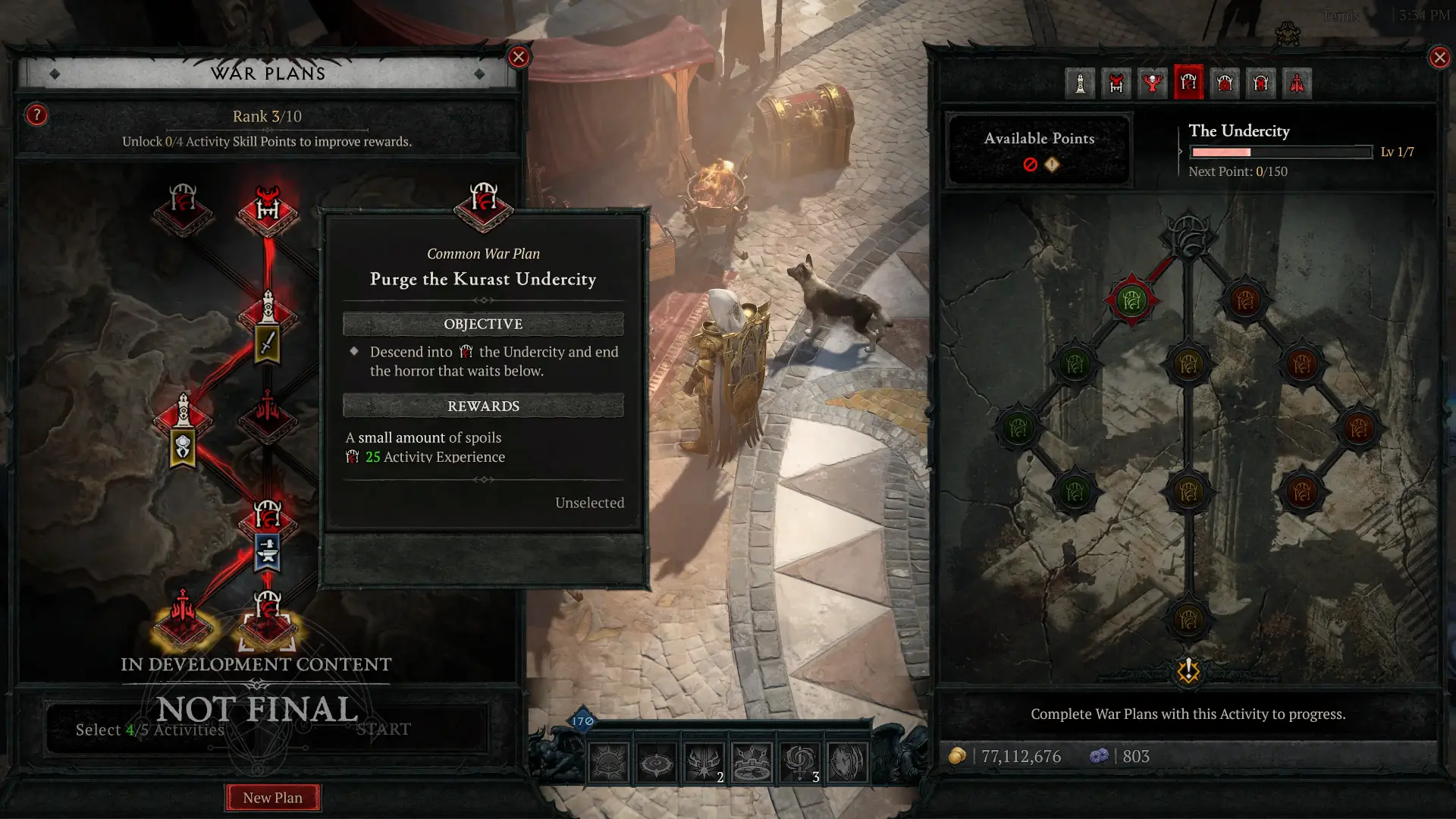
War Plans is the new endgame structure, and it is the part of Lord of Hatred where reviewers most consistently softened their praise. The system lets you select up to five endgame activities (Nightmare Dungeons, Helltides, the Pit, Infernal Hordes, Lair Bosses, and Kurast Undercity) and runs them as a curated playlist with auto-warping between activities and bonus rewards on top of normal payouts. Each activity also has its own progression tree where repeated runs unlock modifiers that change rewards or add new objectives. Game Informer called it “spoon-feeding a curated sequence of content” that helps casual and returning players skip the friction of remembering which event is active.
The criticism is consistent across reviewers. Game Rant said the system “doesn’t differ substantially from existing Infernal Hordes,” PC Gamer described it as “the bones of a system” that is not yet “transformative,” and the Pure Xbox roundup quoted reviewers calling co-op progression on War Plans “lame.” The Path of Exile reference shows up in multiple reviews because War Plans visibly borrows from atlas-style endgame trees but does not have the same depth. If your reason for buying is “I want a brand new endgame loop,” this is the part that may disappoint.
Echoing Hatred is the second piece, and it is much smaller in scope. It is a wave-survival mode against escalating enemy density, accessed only by finding a rare item called a Trace of Echoes. Game Informer described it as “exceedingly rare and difficult-to-access,” and the Game Informer reviewer only got to play it once during the review window. It is intentionally niche content for players chasing the highest difficulty pushes. Most players will see it occasionally rather than as a routine activity.
Skovos: Worth Visiting Beyond the Campaign?
Skovos is the new region, a Mediterranean-inspired island chain that doubles as the Amazon homeland in Diablo lore. Visually it is the standout. PC Gamer described “bright beaches, warm forests, and sun-baked streets” as a deliberate contrast to Sanctuary’s usual grim wastelands, while still keeping the rot underneath: shore rocks like “sharpened teeth,” forests of dead trees, and a region called Lycander where the grass turns gray and the wildlife has become coiled brambles. Icy Veins called the visual range from “perfect autumn forest to tropical paradise shore” with volcanic corrupted areas a real upgrade from the base game’s palette.
The catch flagged in the Pure Xbox review roundup is that there are “limited incentives to explore the new Skovos region beyond campaign missions.” Once you finish the campaign, the region’s main pull is collecting region-specific Charms for the Talisman system and chasing a few side quests. It is gorgeous to look at and a strong campaign setting, but it is not built to anchor 100 hours of post-campaign play the way some Path of Exile leagues are. Treat the campaign as the main event in Skovos, not the start of a long sandbox.
Why Critics Said 8/10 But the Player Reaction Is Split
Metacritic landed at 84 on PC and PS5, 83 on Xbox, with 93% of reviews positive and 0% negative. The Reddit reaction is more mixed. The most-upvoted player review thread on r/Diablo settled on 8/10, mirroring critics. But other threads asked whether buying yet another expansion is worth it given the launch-state of base Diablo 4 in 2023, with one community streamer summarizing the resentment as “you have to buy the game three times and wait three years for the game to become good.” Vessel of Hatred, the 2024 expansion, also gets dragged in player discussions for its perceived weaker story, which is making some players hesitant to commit to another paid release.
Two factors explain the gap. First, critics scored the package (paid plus free) while players often argue about the paid content alone. The skill tree rebuild and Horadric Cube are universally praised, but they are also free, so they end up in the critic average without weighing on the “is the expansion worth it” question. Second, expectations among hardcore players were set by Path of Exile 2’s December 2024 release, which raised the bar on what an action RPG endgame can look like. War Plans does not clear that bar, and that disappointment shows up in player threads more than in reviews from outlets that mostly cover Diablo specifically.
Editions, Pricing, and What You Actually Need
Lord of Hatred ships in three editions on PC, PlayStation, and Xbox. The pricing is identical across platforms.
| Edition | Price | What’s Included | Buy If |
|---|---|---|---|
| Standard | $39.99 | Lord of Hatred expansion + Vessel of Hatred bundled in | You want the new content. This is the right edition for almost everyone. |
| Deluxe | $59.99 | Standard + early access to Paladin (already live since Season 11) + cosmetic bundle | You preordered for Paladin early access and missed the window. Otherwise skip. |
| Ultimate | $89.99 | Deluxe + Basilisk mount + 1,000 Platinum (premium currency) | You spend on Diablo 4 cosmetics anyway and the Platinum offsets the cost. |
The Standard edition is the right call for almost everyone. The Vessel of Hatred bundle inside Standard is the sneaky-good part: if you skipped the 2024 expansion, you are not paying $40 for one campaign, you are paying $40 for two campaigns plus the new region. That makes Lord of Hatred the most cost-efficient way for newcomers to get the full Diablo 4 experience. The Deluxe edition’s main hook (Paladin early access) is already moot for anyone reading this review post-launch, and the Ultimate edition is purely cosmetic value plus 1,000 Platinum, which equals one large cosmetic transmog or roughly half a battle pass tier set. Skip both unless cosmetics are part of your spend.
For full pre-launch context on what was promised versus what shipped, our complete pre-launch breakdown of Lord of Hatred covers the original Warlock reveal, the Skovos leak history, and the dev stream details. For broader Blizzard 2026 context (and where Lord of Hatred fits into the company’s calendar alongside the WoW Midnight expansion and Overwatch updates), see our Blizzard Showcase 2026 recap.
Who Should Buy It and Who Should Skip
Buy It If
- You are still actively playing Diablo 4 on Season 12 and want the new Warlock for the new season starting 30 minutes after launch.
- You quit after Season 2 or 3 and the loot filter, skill tree rebuild, and Horadric Cube were on your wishlist.
- You care about Diablo’s lore and want a real, conclusive ending to the Mephisto arc.
- You are new to Diablo 4 entirely. Standard edition gives you base game plus Vessel of Hatred plus Lord of Hatred for $40 plus the cost of base D4.
- You want a summoner that requires active decision-making instead of pets you ignore. The Warlock is the strongest implementation of that fantasy in the series.
Skip or Wait If
- You play Diablo 4 daily for endgame and War Plans is the part you most wanted improved. Wait for Season 13 patches.
- You bounced off Diablo 4 because of the gameplay loop itself, not the systems. Lord of Hatred does not change the moment-to-moment combat.
- You are a Path of Exile 2 main and you are looking for a similar tier of endgame depth. War Plans is not on that level.
- You only care about cosmetics and never finish content. The base game already has years of cosmetic backlog.
- You do not own base Diablo 4 and have no interest in starting now. The expansion does not include base D4, only the previous Vessel of Hatred expansion.
Recommended Gear for Long Sessions
A Diablo 4 expansion is hours of clicking. The Lord of Hatred campaign alone runs 6 to 7 hours straight, and a serious endgame push on Torment 12 means stretches of 3 to 5 hour sessions where you are reading affix tooltips, sorting Charms, and listening for audio cues that flag rare elite spawns. Comfortable input gear, a headset that picks up Mephisto’s growl in the dark, and a monitor that does not strobe out your eyes after hour three all matter for a marathon ARPG. Here is the kit most /SKILL readers run for action RPGs.

8BitDo Ultimate 2 Controller
Hall-effect sticks and a charging dock so a 7-hour Diablo run never ends with stick drift mid-boss.

SteelSeries Arctis Nova 7
38-hour battery so you never run dry hunting Echoing Hatred spawns or grinding a Helltide.

Samsung Odyssey G55C 32″ QHD
Curved 165Hz screen with the room you need for affix tooltips and minimap awareness in dense packs.
Outside of gaming, Berry Finds tracks real-time Amazon deals on thousands of everyday products across home, kitchen, beauty, and more so you never overpay on the stuff you buy regularly.
Frequently Asked Questions
Is Diablo 4 Lord of Hatred worth buying at $39.99?
Yes for almost every active or lapsed Diablo 4 player. The Standard edition includes both the new Lord of Hatred campaign and the previous Vessel of Hatred expansion, which makes it the most cost-efficient way to access the full Diablo 4 experience. Skip Lord of Hatred only if you do not enjoy Diablo’s gameplay loop itself or if you specifically wanted a deeper endgame than War Plans delivers.
Do I need to own base Diablo 4 to play Lord of Hatred?
Yes. Lord of Hatred is an expansion to Diablo 4 and requires base Diablo 4 to play. The expansion bundles in the previous Vessel of Hatred expansion at no extra cost, but you still need to buy or own the original game separately.
How long is the Lord of Hatred campaign?
About 6 to 7 hours for a standard playthrough. PC Gamer reported the campaign clocked in at “around six hours” of pure run time, while a community streamer playing a Warlock leveling build on the harder difficulty reached the credits in roughly 7.5 hours. Side quests, fishing, and Skovos exploration push that higher.
What is the difference between the Standard, Deluxe, and Ultimate editions?
Standard is $39.99 and includes the Lord of Hatred expansion plus the previous Vessel of Hatred expansion. Deluxe is $59.99 and adds Paladin early access (already live since Season 11) plus a cosmetic bundle. Ultimate is $89.99 and adds the Basilisk mount and 1,000 Platinum currency. For most players reading this post-launch, Standard is the right choice.
Is the new Warlock class worth buying the expansion for alone?
For players who want a summoner with active decision-making, yes. Reviewers consistently called the Warlock the strongest summoner class Diablo has shipped in years, and PC Gamer described its class fantasy as “unusually clear and satisfying.” The corruption-based summon-and-sacrifice loop gives the class a tempo that feels distinct from every other Diablo 4 class.
What is War Plans and is it a good endgame system?
War Plans is the new endgame structure that lets you build a custom playlist of up to five endgame activities (Nightmare Dungeons, Helltides, the Pit, Infernal Hordes, Lair Bosses, and Kurast Undercity) with auto-warping between them and progression trees that unlock activity-specific modifiers. It is a quality-of-life win for casual and returning players, but reviewers consistently said it is “the bones of a system” rather than transformative new endgame content.
Did Lord of Hatred fix the issues that made me quit Diablo 4 in Season 2 or 3?
Probably yes. The skill tree rebuild (passives removed, 80 new skills, 40 reworks), the loot filter, the Horadric Cube crafting system, and the new itemization flow all ship free for every Diablo 4 owner alongside Lord of Hatred. Log in before deciding whether to buy the expansion. The base game is meaningfully different now, and you may find that those free changes alone justify returning.
Summary
Diablo 4 Lord of Hatred is the easiest yes Blizzard has shipped in years for almost any kind of Diablo 4 player. The campaign is short but tightly written and finally gives the Mephisto storyline real closure. The Warlock is the strongest summoner the franchise has had since Diablo 2’s Necromancer. The skill tree rebuild and Horadric Cube transformations are arguably bigger than the campaign itself, and they ship free for every owner. The single weak spot is War Plans, which functions but does not yet match the endgame depth that Path of Exile 2 has set as the new bar. Buy the Standard edition at $39.99, ignore the Deluxe and Ultimate unless you specifically want cosmetics, and accept that the next season will probably do more for endgame than this expansion did.
For the full pre-launch context on what was promised, see our Diablo 4 Lord of Hatred pre-launch breakdown. For everything Blizzard announced for 2026 around it, the Blizzard Showcase 2026 recap covers the WoW, Overwatch, Hearthstone, and Diablo spotlights together.