
Can you get banned for using a Pokémon GO auto-catcher? It is the first question almost everyone asks before buying one, and the honest answer is reassuring: no player has ever been confirmed banned for using a hardware auto-catcher. That holds for third-party devices like the Go-tcha and Brook as well as the official Pokémon GO Plus +. This guide explains exactly why these devices are safe, the one technicality in Niantic’s rules, how they differ from the cheating tools that do get you banned, and the simple way to remove any risk entirely.
Key Takeaways
- Short answer: no confirmed bans have ever come from using a hardware auto-catcher, official or third-party.
- Why they are safe: third-party devices use the same Bluetooth protocol as the official Plus + and identify themselves as a Pokémon GO Plus, so the game cannot tell them apart.
- The technicality: third-party accessories technically break Niantic’s Terms of Service, but enforcement against them has been essentially zero.
- What does get you banned: GPS spoofing and modified apps like PGSharp or iPogo, which Niantic actively detects.
- Zero-risk option: the official Pokémon GO Plus + is the only device with no Terms of Service question at all.
The Short Answer
No one has been confirmed banned for using a hardware auto-catcher. Hundreds of thousands of players have used third-party auto-catchers daily for years without a single reported account action tied to the device. If you are worried about a ban, you can buy one with confidence, and if you want absolute certainty, the official Pokémon GO Plus + removes the question entirely.
Why Auto-Catchers Are Safe

Third-party auto-catchers communicate over the same Bluetooth Low Energy protocol as the official Pokémon GO Plus +, and they identify themselves to the game as a “Pokémon GO Plus” device. The app literally cannot tell the difference between a Nintendo device and a $35 Brook clip-on. The catching behavior is identical too: one regular Poké Ball per encounter, no berry, a standard catch attempt. There is nothing anomalous for Niantic’s anti-cheat systems to flag, because the device is doing exactly what an approved accessory does.
The Terms of Service Technicality
Here is the one caveat to be honest about: using third-party accessories technically violates Niantic’s Terms of Service. That sounds scary, but in practice enforcement against hardware auto-catchers has been essentially zero for years. The rule exists on paper, yet there is no detection mechanism for a device that behaves identically to an official one and no history of Niantic acting on it. The community consensus, built on years of daily use, is that hardware auto-catchers are safe.
What Actually Gets You Banned
It helps to know what Niantic genuinely bans for, because it is a completely different category from auto-catchers. GPS spoofing, which fakes your location to catch Pokémon around the world without moving, is detectable and bannable. So are modified clients like PGSharp and iPogo, which alter the app itself to add cheats. Niantic actively detects these and issues warnings, suspensions, and permanent bans. An auto-catcher does none of that. It does not move you, does not modify the app, and does not give you anything you could not get by walking with your phone in your hand.
⚡ Quick tip: The line is simple. Hardware that catches for you while you actually walk is safe. Software that fakes your location or modifies the game is what gets accounts banned.
The Zero-Risk Option
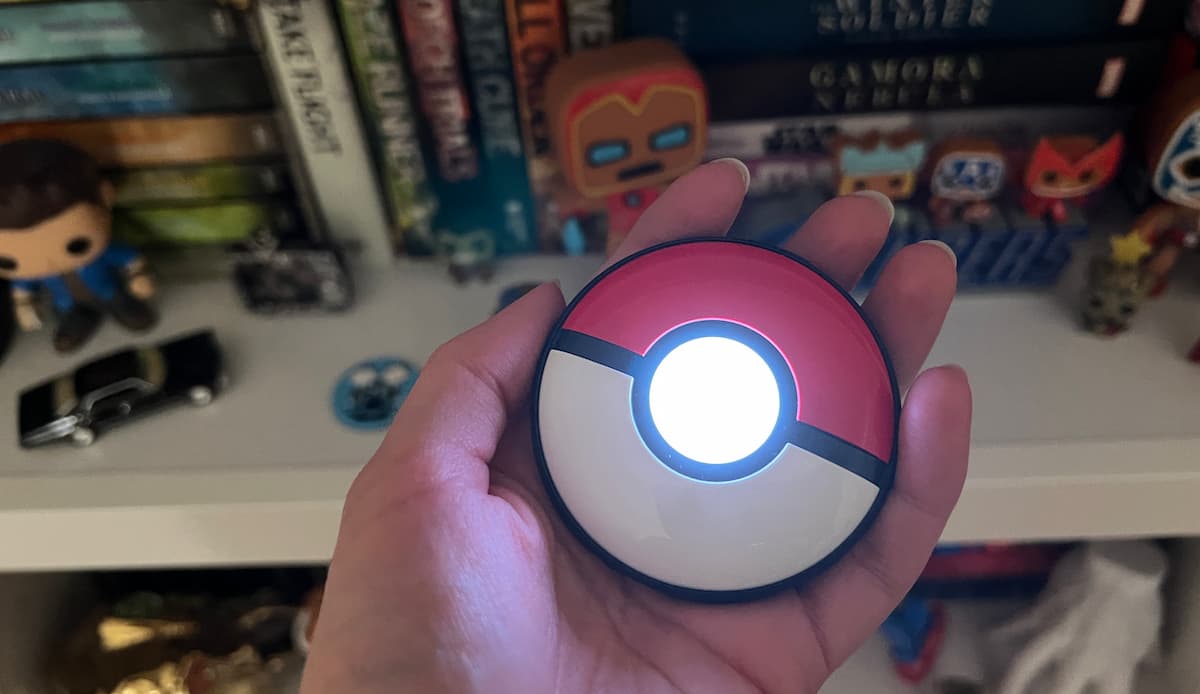
If the idea of any rule-breaking bothers you, the Pokémon GO Plus + is the only auto-catcher Niantic officially supports, so there is no Terms of Service question at all. It does the core job of auto-catching and auto-spinning, and it adds Pokémon Sleep tracking. You give up some automation compared to third-party devices (it will not auto-catch new species), but you gain total peace of mind. For everyone else, the community-tested reality is that third-party devices are safe.
The Safest Devices to Buy
These are the picks ranked by peace of mind and capability. Prices are as of June 2026. Our overall best seller, and the device we recommend for most players, is the MEGACOM DuoMon 3.
Pokémon GO Plus +
The only officially supported device, so there is no rules question at all.
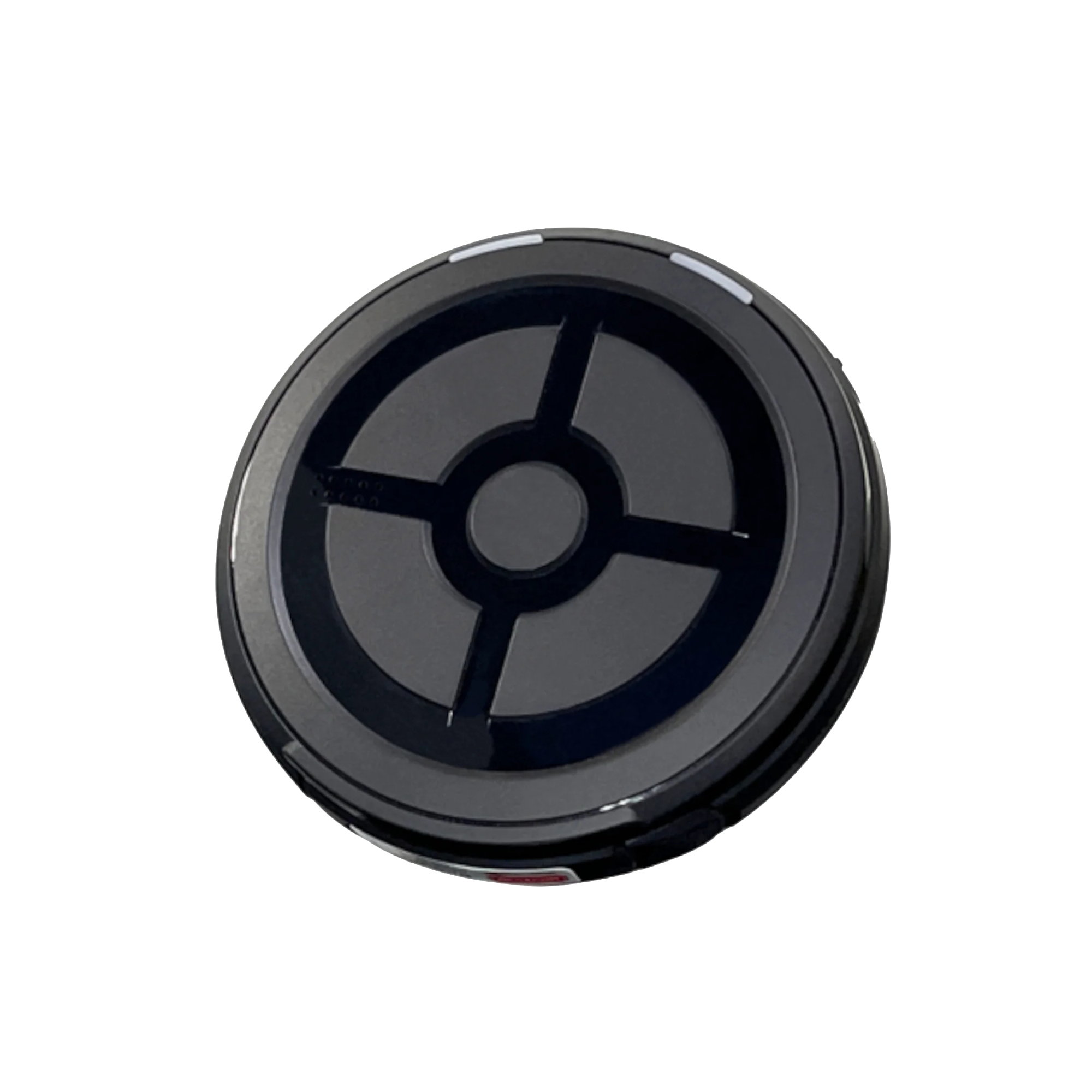
MEGACOM DuoMon 3
Very low risk and far more capable, with auto-reconnect and dual accounts.
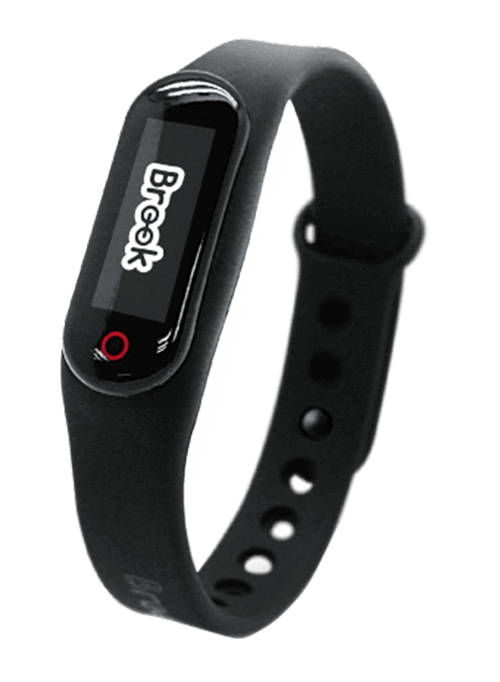
Brook Pocket Auto Catch
A cheap, reliable third-party option from a trusted gaming brand.
Between gaming sessions, Berry Finds tracks real-time Amazon deals on thousands of everyday products across home, kitchen, beauty, and more so you never overpay on the stuff you buy regularly.
If you want to weigh the official device against the third-party field, our auto-catcher comparison breaks down the trade-offs, and our tested rankings cover the full lineup.
Frequently Asked Questions
Can you get banned for using a Pokémon GO auto-catcher?
No player has ever been confirmed banned for using a hardware auto-catcher. Third-party devices use the same Bluetooth protocol as the official Pokémon GO Plus + and behave identically, so there is nothing for Niantic’s anti-cheat to flag. The official Plus + carries no risk at all.
Are third-party auto-catchers against the rules?
Technically, using third-party accessories violates Niantic’s Terms of Service. In practice, enforcement against hardware auto-catchers has been essentially zero for years, and the community considers them safe to use.
What is the difference between an auto-catcher and spoofing?
An auto-catcher is hardware that catches Pokémon while you physically walk. Spoofing is software that fakes your GPS location to catch Pokémon without moving. Niantic actively detects and bans spoofing and modified apps, but not hardware auto-catchers.
Which auto-catcher has zero ban risk?
The Pokémon GO Plus + is the only auto-catcher officially supported by Niantic, so it has zero Terms of Service risk. Third-party devices like the MEGACOM DuoMon 3, Go-tcha Evolve, and Brook Pocket Auto Catch are considered very low risk.
The Bottom Line
Hardware auto-catchers are safe. There are no confirmed bans, the devices behave exactly like the official accessory, and Niantic’s enforcement energy goes toward spoofing and modified apps instead. Buy a third-party device with confidence, or grab the official Pokémon GO Plus + if you want the rules question off the table completely. Either way, see our tested auto-catcher rankings to pick the right one.