Quick Answer
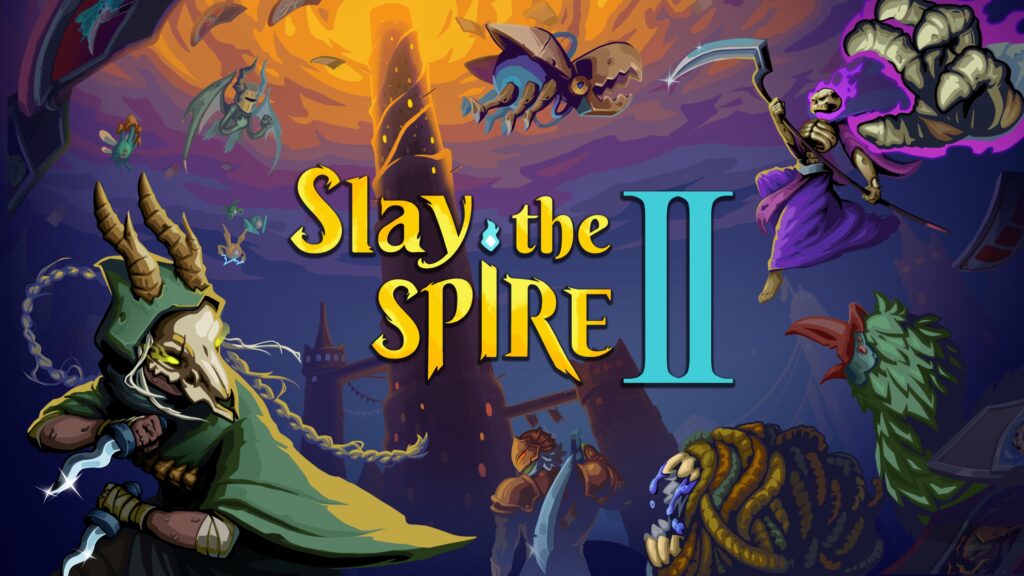
Slay the Spire 2 launches into Steam Early Access on March 5, 2026 with 5 playable characters, 4-player co-op, and new mechanics like enchantments and card afflictions. Start with Ironclad to learn the basics, keep your deck lean (15-20 cards), and fight elites early for relics that snowball your run.
Slay the Spire defined the roguelike deckbuilder genre. The original sits at 97% positive on Steam with over 175,000 reviews, and for good reason: its blend of card drafting, risk management, and improvised strategy made every run feel different. Now the sequel is here, rebuilt from scratch in the Godot engine with two new characters, 4-player co-op, and mechanics that force you to think about your deck in ways the first game never did. This Slay the Spire 2 beginner guide covers everything you need for your first runs, whether you’re a veteran or picking up the series for the first time.
What’s New in Slay the Spire 2
If you played the original, the core loop is the same: draft cards after combat, collect relics, navigate a branching map, and try to reach the top of the Spire. But STS2 layers several new systems on top of that foundation.
Enchantments are persistent card modifiers that last your entire run. They show up as purple text on your cards and come from special events. The tradeoffs are real. The “Corrupted” enchantment gives an attack 50% more damage but costs you 3 HP every time you play it. One enchantment can define your entire run, for better or worse.
Card Afflictions flip the script. Instead of just hitting your HP, enemies can now corrupt your cards directly. An afflicted card carries a penalty every time you play it, like costing 1 extra energy. It forces you to think about deck integrity, not just health. Sometimes removing an afflicted card is smarter than healing.
Quest Cards start as dead weight in your deck. They clog your draws like a Curse until you complete an objective. One example: Byrdonis Egg does nothing until you hatch it at rest sites, then it gives you a bird companion for the rest of the run. Short-term pain for a potentially run-defining reward.
Alternate Acts mean each act has two completely different versions with unique enemies, events, and bosses. Act 1 could be the Overgrowth (corrupted woodland creatures) or the Underdocks (mutant sea creatures and Terror Eels). You get assigned randomly, so memorizing encounter patterns is no longer a viable strategy.
Ancients replace boss relics from STS1. These powerful beings appear between acts and offer blessings with meaningful tradeoffs. Tezcatara can give you 4 temporary relics that melt away after every 3 combats, or enchant all your Strikes with reduced cost but make them permanently unremovable from your deck. For a full breakdown of which relics to prioritize, see our best relics tier list.
All 5 Characters at a Glance
STS2 launches with five playable characters. Three return from the original (Ironclad, The Silent, The Defect) with redesigned kits, and two are brand new (The Necrobinder, The Regent). The Watcher from STS1 is not included at launch but may be added later. Once you are comfortable with each character, our best builds guide breaks down the strongest deck archetypes for all five.
| Character | Role | Unique Mechanic | Difficulty |
|---|---|---|---|
| Ironclad | Strength warrior | Strength scaling, self-healing | Beginner |
| The Silent | Poison/shiv hunter | Sly (discarded cards play for free) | Intermediate |
| The Defect | Orb automaton | Channeled Orbs (Lightning, Frost, Dark, Plasma) | Intermediate |
| The Necrobinder | Death mage | Osty companion, Doom instant-kill, Ghosts | Advanced |
| The Regent | Cosmic commander | Stars resource, Forge (Sovereign Blade), Minions | Advanced |
Ironclad (Returning)
The Ironclad has the highest HP in the game and the most straightforward gameplay loop: stack Strength, hit hard, heal between fights. If you’re new to STS, start here. Prioritize Strength-scaling cards early since they compound damage across every turn. His exhaust synergies also give you tools to thin your deck mid-combat.
The Silent (Returning)
The Silent returns with her poison and shiv kit, plus a new keyword: Sly. When you discard a card with Sly, it plays itself for free instead of going to the discard pile. This turns discard costs into advantages and opens up combo lines that didn’t exist in STS1. She has the lowest HP among returning characters, so play defensively and let poison do the work.
The Defect (Returning)
The Defect channels elemental Orbs into Orb Slots that provide passive effects each turn. Lightning deals damage, Frost generates block, Dark accumulates damage for a burst, and Plasma gives energy. Focus (the stat, not the concept) increases all orb values and should be a priority in every Defect run. Frost Orb builds are the most beginner-friendly approach.
The Necrobinder (New)
The Necrobinder starts with only 35 HP but fights alongside Osty, a giant skeletal hand with its own HP pool that absorbs incoming damage. Her Doom mechanic stacks on enemies and kills them instantly when Doom equals or exceeds their current HP, bypassing healing entirely. She can also summon Ghosts that persist between turns and scale damage with cards like Danse Macabre (4 damage to ALL enemies per Ghost owned). Powerful when piloted well, punishing when played carelessly. Learn the game with Ironclad before touching this one.
The Regent (New)
The Regent uses Stars, a secondary resource that persists between turns with no cap. Some cards generate Stars, others spend them. His Forge keyword creates the Sovereign Blade, a retained card that starts at 10 damage and scales every time you play another Forge card. Stack enough Forge buffs and you can one-shot bosses. He can also transform hand cards into disposable Minions for block or damage. The Regent rewards patience and planning ahead.
Co-op: How 4-Player Runs Work
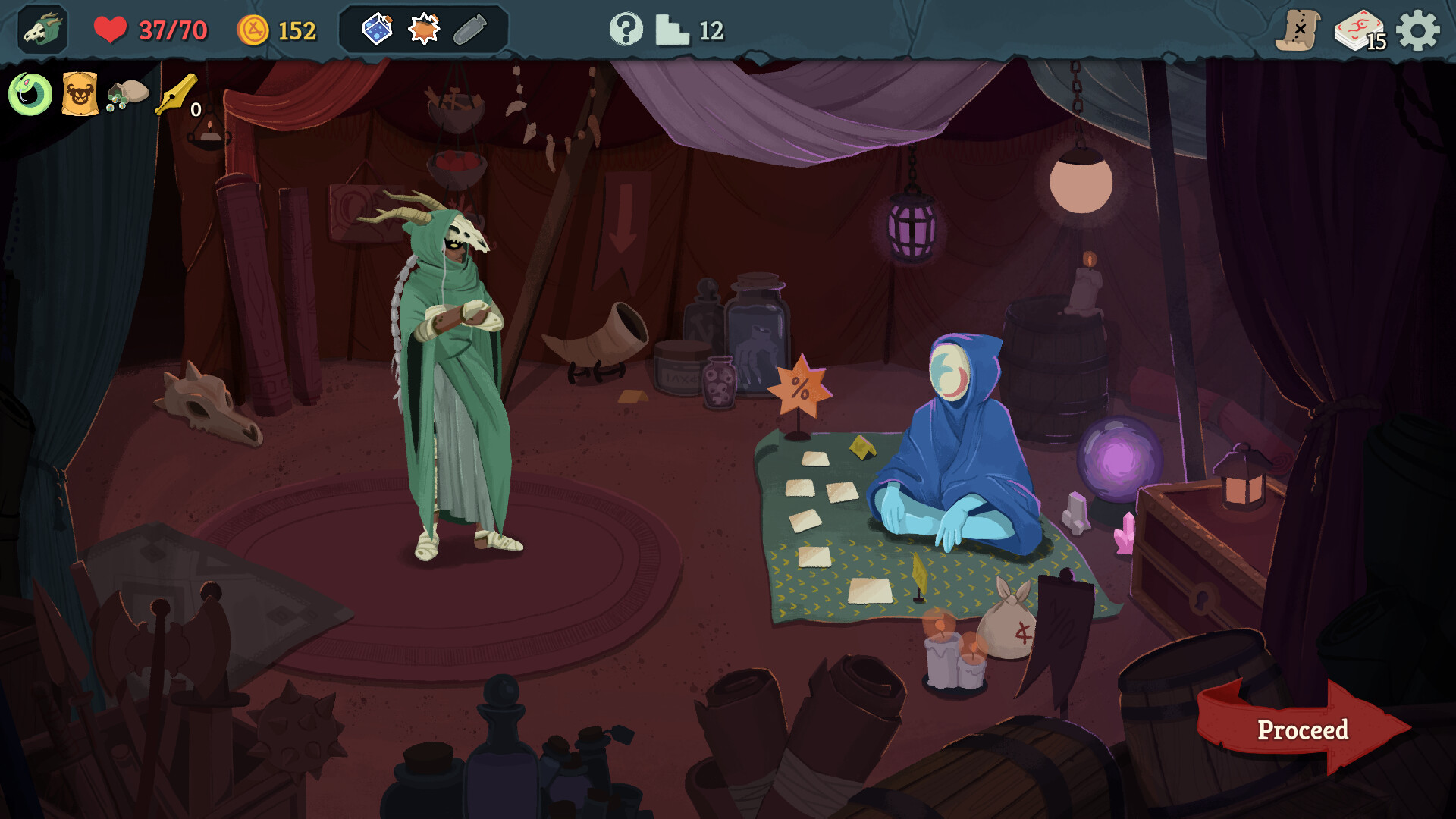
The biggest addition in STS2. Up to four players can tackle the Spire together, and it’s not just the solo game with extra people. Co-op has its own dedicated systems designed around coordination.
Shared map sketching lets the group plan routes together before committing. You vote on event outcomes as a team. Treasure chests show relics to everyone so you can deliberate on who benefits most. Rest sites become group decisions.
Potion splashing lets you use potions on teammates, not just yourself. A healing potion on your low-HP Necrobinder ally might save the run. There are also multiplayer-specific cards built around team synergies and setup plays that enable your teammates’ turns.
⚡ Co-op tip: Specialize your roles. One player focuses on damage, another on defense and support. Coordinate character picks so your teams complement each other rather than overlapping. For team compositions and relic coordination strategy, see our Slay the Spire 2 co-op guide.
Slay the Spire 2 Beginner Guide: Deckbuilding Fundamentals
The core deckbuilding principles from STS1 carry directly into the sequel. If you internalize these, you’ll win more runs than you lose.
Don’t build a deck. Draft one. The biggest trap for new players is deciding on a strategy before seeing what cards are offered. Act 1 should be about taking individually strong cards. In Act 2, you’ll start seeing a direction form naturally. Let the cards guide your build, not the other way around.
Smaller decks draw better cards. A tight 15-20 card deck sees its best cards almost every combat. A 35-card deck drowns your win conditions in filler. Skip card rewards when nothing improves your current deck. Skipping is a skill, and it’s the hardest one for beginners to learn.
Card removal is worth more than card purchases. Removing a basic Strike or Defend from your deck at a shop effectively increases the draw rate of every remaining card. Budget gold for removal, not just shopping.
Fight elites in Act 1. Elites drop relics, and relics compound power across your entire run. The difference between a player with 3 relics and a player with 1 relic going into Act 2 is massive. Aim for 2-3 elite fights in Act 1, especially when rest sites follow on the map.
What’s different in STS2: Enchantments add a new upgrade dimension on top of the standard card upgrade at rest sites. Afflictions mean your best card can get corrupted mid-fight, so backup plans matter more. Alternate Acts prevent you from memorizing enemy compositions. And the new card packs system sometimes makes you take a bundle of three cards rather than picking one, which forces more improvisation. If you enjoy other roguelike deckbuilders like Fairy Tail Dungeons, these principles will feel familiar.
8 Beginner Mistakes to Avoid
1. Taking every card offered. This is the number one run-killer. A bloated deck dilutes your synergies and buries your best cards. Get comfortable hitting “Skip.”
2. Forcing a build from the start. “I’m going poison” on floor 1 leads to a weak deck if the poison cards never show up. Stay flexible in Act 1.
3. Ignoring card removal. Spending 75 gold to remove a Strike is almost always better than buying a common card from the shop. Thin your deck ruthlessly.
4. Avoiding elites. The relic power spike from early elite kills compounds across the entire run. Skipping them leaves you underpowered for Act 2 bosses. Check our boss guide to learn every boss’s attack patterns and plan your route accordingly.
5. Neglecting defense. Every character needs block cards. An all-offense deck crumbles when you draw badly for one turn. Include 3-4 reliable block cards minimum.
6. Over-resting at campfires. Upgrading (Smithing) a card is almost always better than healing. An upgraded card saves you more HP over the run than the 30 HP you’d restore. Rest only when you’ll die in the next fight without it.
7. Taking every enchantment. Enchantments are powerful but their costs are real. Losing 9 max HP for a damage boost on one card might not be worth it on a run where your deck already deals enough damage. Evaluate each enchantment against your current situation.
8. Playing solo in co-op. Share potions with low-HP allies. Coordinate your relic selections. Pick complementary characters. Four people running selfish builds is worse than a team of two playing together.
Frequently Asked Questions
How many players can play Slay the Spire 2 co-op?
Up to 4 players can play together in co-op mode. The mode has dedicated mechanics including potion splashing on allies, shared relic decisions, collaborative map planning, and multiplayer-specific cards. You can also play the full game solo.
Is Slay the Spire 2 coming to consoles?
At launch, STS2 is PC-only (Windows, macOS, Linux) through Steam Early Access. Nintendo Switch, PlayStation, Xbox, iOS, and Android are planned after the full 1.0 release, which is estimated for late 2027.
How much does Slay the Spire 2 cost?
The Early Access price has not been officially confirmed, though early listings suggest around $21.99. The price will increase after Early Access ends. There are no microtransactions.
Is the Watcher in Slay the Spire 2?
The Watcher is not in the Early Access launch. The five launch characters are Ironclad, The Silent, The Defect, The Necrobinder, and The Regent. Mega Crit may add the Watcher during the 1-2 year Early Access period.
Do I need to play Slay the Spire 1 first?
No. STS2 is set 1,000 years after the original with a fresh story. The game includes an adaptive tutorial that detects struggling players and offers guidance. That said, the core deckbuilding principles are the same, so playing STS1 first will give you a head start.
Play Slay the Spire 2 on the Go
Turn-based deckbuilders are ideal handheld games. Runs last 30-60 minutes, there’s no twitch aiming, and you can pause between any fight. If you don’t already own a portable PC, these three handle STS2 without breaking a sweat.

Valve Steam Deck OLED 512GB
Native SteamOS, HDR OLED screen, longest battery life of the three. Runs STS2 out of the box.
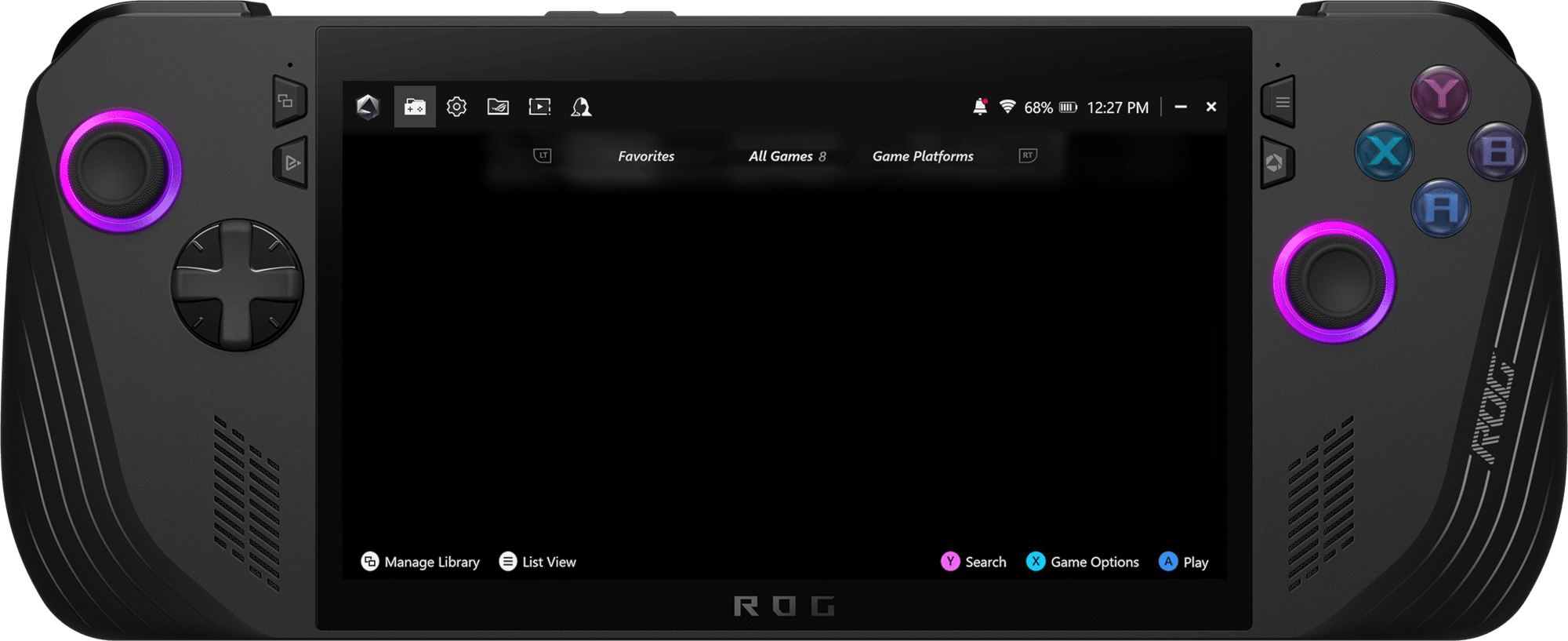
ASUS ROG Ally X
1080p 120Hz screen, 24GB RAM, Windows 11. Best performance for running your full Steam library on the go.

Lenovo Legion Go
8.8-inch QHD display with detachable controllers. The largest screen for card games that reward reading the board.
Disclosure: SlashSkill is reader-supported. When you buy through links on our site, we may earn an affiliate commission at no extra cost to you. Learn more
Summary
Slay the Spire 2 keeps what made the original great and adds enough new systems to make veterans rethink their approach. Start with Ironclad, keep your deck lean, fight elites for relics, and don’t be afraid to skip card rewards. The new mechanics (enchantments, afflictions, and alternate acts) add layers of decision-making that reward thoughtful play over memorized patterns. And if you’re bringing friends, co-op turns the solo puzzle into something genuinely different. For more roguelike guides, check out our CloverPit beginner guide, our Mewgenics beginner guide, our Esoteric Ebb beginner guide, and our Hades 2 beginner guide.