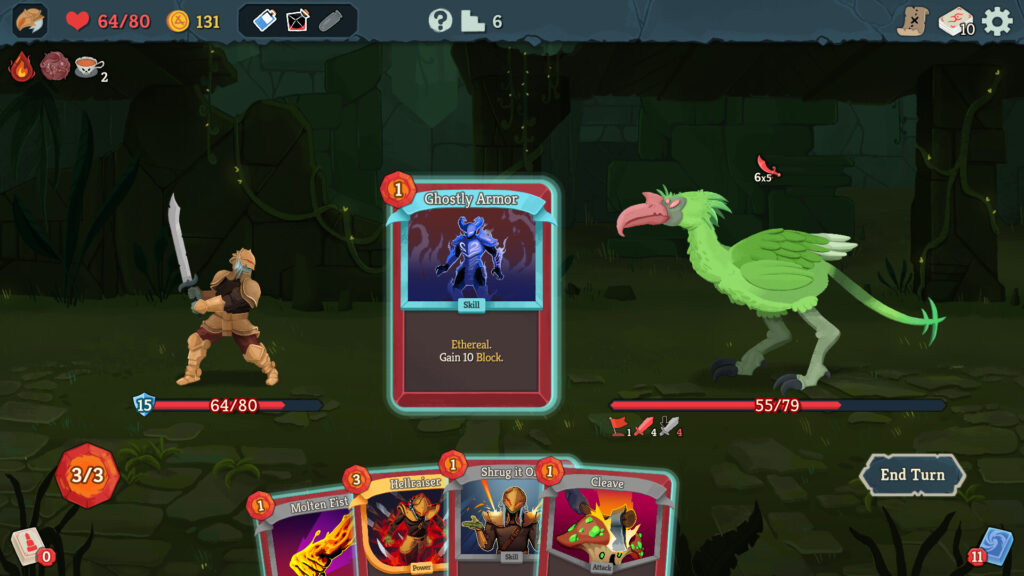
Slay the Spire 2 launched with 4-player co-op, and it changes everything about how you approach the Spire. Debuffs are shared across the team. Enemies scale with player count. Relics get drafted instead of claimed. This guide covers which characters to pair together, how to coordinate relic picks, and the strategies that keep a team climbing consistently. If you need a refresher on the basics first, check our Slay the Spire 2 beginner guide.
Key Takeaways
- Debuffs benefit everyone: applying Vulnerable or Weak to an enemy helps all players deal more damage or take less, making debuff-heavy characters like Silent incredibly valuable in teams
- Enemy scaling is real: health and damage increase with each player, so four solo builds will get crushed without role coordination
- Draft relics strategically: four relics appear at once and each player takes one, so give offensive relics to your damage dealer and defensive ones to your tank
- Dead players revive after combat: as long as one person survives the fight, everyone comes back, so protect your most durable teammate at all costs
How Slay the Spire 2 Co-Op Works
Co-op supports 2, 3, or 4 players. The host creates a lobby from the Multiplayer menu, then invites friends through the Steam overlay. There is no public matchmaking. The host must stay connected for the entire run.
Here is how the core systems change in multiplayer:
Combat is simultaneous. All players play cards at the same time during their turn. Enemy health and damage scale based on how many players are in the lobby. More players means beefier enemies, not more enemies.
Debuffs are shared. If you apply Vulnerable to an enemy, every player on your team deals increased damage to that target. This is the single most important co-op mechanic. It means one player debuffing while others deal damage is far more efficient than everyone building pure offense.
Relics get drafted. Four relics appear at once after elite fights and bosses. Each player takes one. You cannot duplicate picks. This forces real negotiation about who benefits most from each relic. Our relic tier list covers which ones to fight over.
Potions have two types. “Drink” potions only affect the player who uses them. “Throwing” potions can be used on teammates, letting you heal or buff allies mid-combat. Fairy in a Bottle remains individual.
Rest sites give individual choices. Each player picks their own option (Rest, Smith, or Revive) independently. You can revive a dead teammate at a rest site by sacrificing a percentage of your own max HP.
Map paths are voted on. When the team hits a fork, everyone votes on which direction to go. Ties are broken randomly. You can draw on the map to mark preferred routes without any mods.
Death is not the end. As long as one player survives combat, all dead players revive when the fight ends. This makes your tankiest character the anchor of every run.
Character Roles in Co-Op
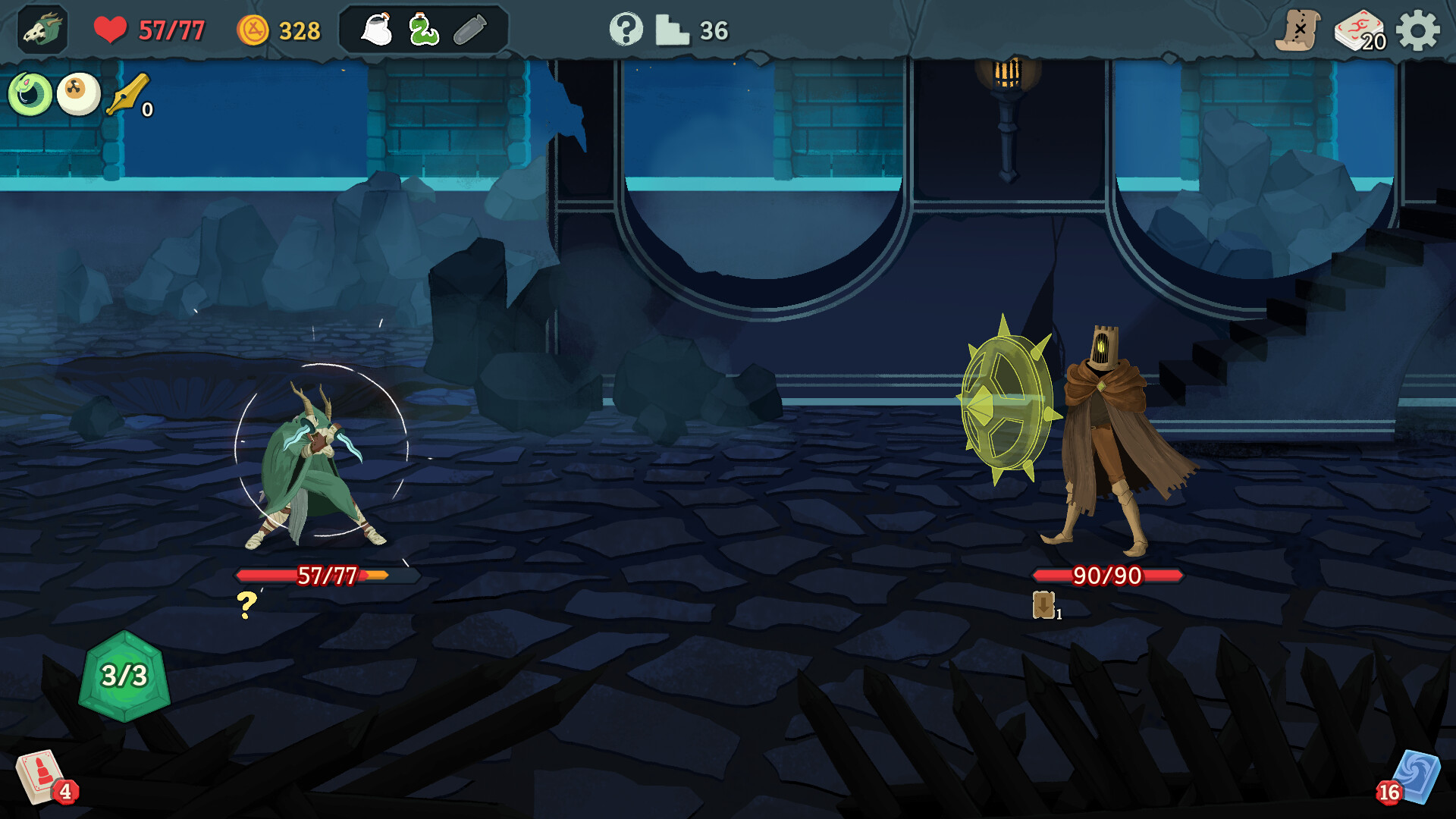
In solo play, every character needs to do everything: deal damage, block attacks, and manage the deck. In co-op, you can specialize. Each of the five characters fills a different team role, and understanding those roles is what separates a good co-op team from four people playing solo in the same lobby. For detailed solo build paths, see our best builds for every character guide.
| Character | Co-Op Role | Why They Work in Teams |
|---|---|---|
| Ironclad | Tank / Frontline | Highest HP, self-heals after combat via Burning Blood, can stack Block and survive when others fall |
| Silent | Debuffer / Poison DPS | Applies Vulnerable and Weak efficiently, Poison stacks damage without taking up team attack slots |
| Defect | Scaling DPS / Utility | Orbs generate passive damage and Frost provides team-wide Block through co-op support cards |
| Regent | Burst DPS | Stars accumulate across turns for massive burst turns, excels when teammates buy time |
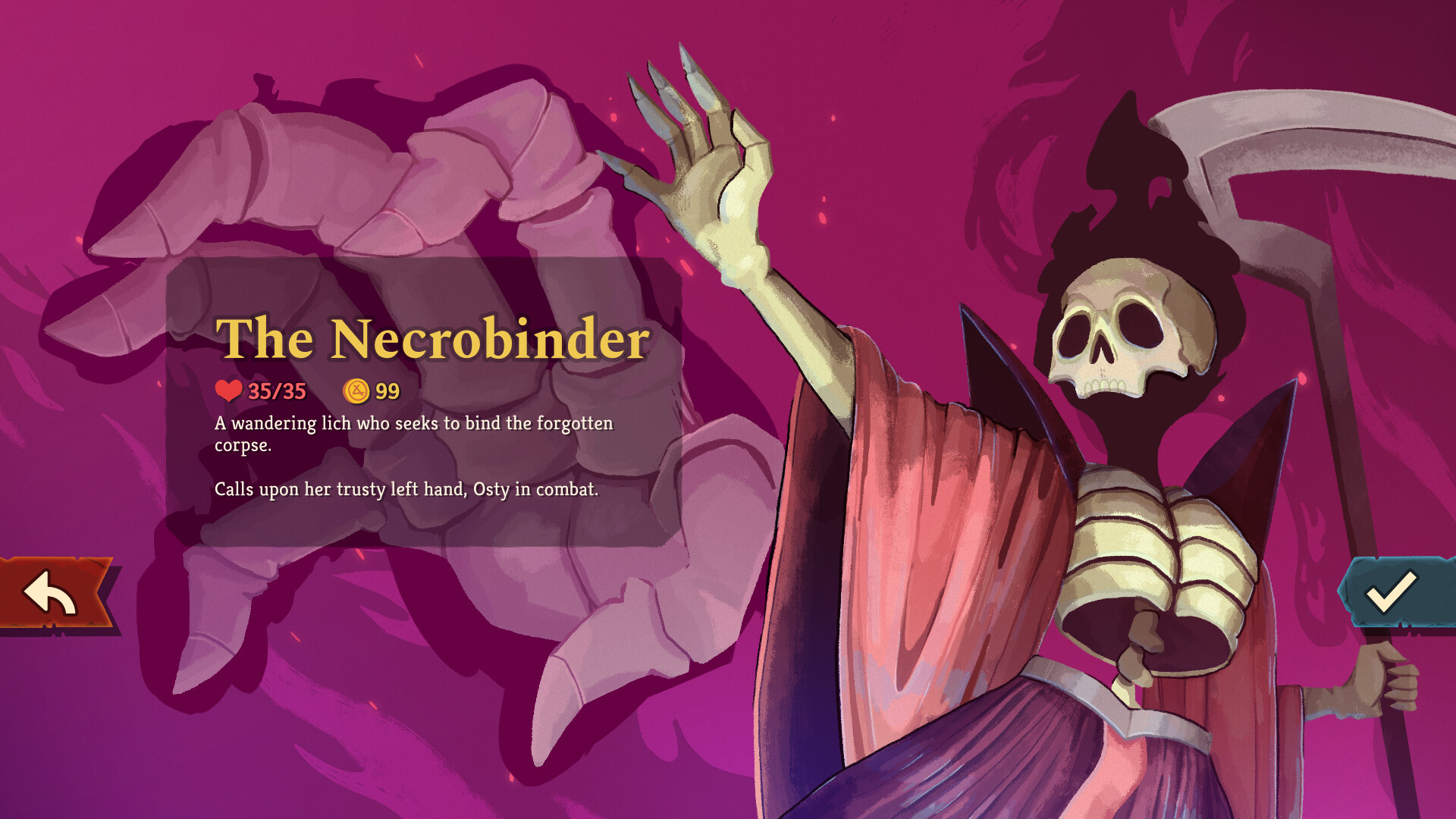
| Necrobinder | Board Control / Off-Tank | Osty absorbs hits, Doom debuff sets up kill thresholds that benefit the whole team |
Ironclad is the natural tank. Burning Blood heals him after every fight, and his Barricade + Body Slam combo lets him stack Block without losing it between turns. In co-op, Ironclad should prioritize Block-generating relics and let others grab the offensive ones. When teammates go down, Ironclad is the one who needs to survive until the fight ends so everyone revives.
Silent becomes a force multiplier in teams. Her Poison cards deal stacking damage every turn without requiring energy, and more importantly, her access to Weak and Vulnerable debuffs benefits every player. One Silent applying Vulnerable means three other players deal 50% more damage to that target. Build her for debuffs first, damage second.
Defect offers the most flexibility. Frost Orbs generate Block, Lightning Orbs deal passive damage, and Plasma Orbs give extra energy. In co-op, Defect can shift between support and DPS depending on what the team needs. Focus-stacking builds scale well into late acts.
Regent is a slow burn that pays off huge. Stars persist between turns with no cap, so in co-op, teammates can cover the Regent’s weak early turns while Stars accumulate. When the Regent finally spends them, the burst damage can one-shot elites and bosses. Pair Regent with a tank who can absorb pressure during setup turns.
Necrobinder brings board control through Osty, a companion that absorbs hits and deals damage. The Doom debuff sets instant-kill thresholds on enemies, which benefits the whole team since anyone’s damage can trigger it. Necrobinder pairs well with aggressive characters who can push enemies past Doom thresholds quickly.
Best Team Compositions
Diverse class compositions outperform duplicates every time. Different characters draw from different relic pools, so you are not competing over the same pickups. Here are the strongest pairings based on role synergy and resource efficiency.
Two Players
Ironclad + Silent is the safest duo. Ironclad tanks and survives while Silent stacks Poison and debuffs. Vulnerable from Silent means Ironclad’s attacks hit harder too. This pairing handles every encounter type and recovers well from bad draws.
Necrobinder + Regent is the high-ceiling duo. Osty absorbs damage during the Regent’s setup turns, and once Stars are online, the combined burst from Regent plus Necrobinder’s Doom thresholds can delete bosses in a single turn cycle.
Three Players
Ironclad + Silent + Regent covers tank, debuff, and burst damage. Ironclad holds the line, Silent’s Vulnerable debuff amplifies everything, and Regent saves Stars for the turns that matter. The Regent can afford to build slowly because the other two handle early encounters.
Ironclad + Silent + Necrobinder trades burst for board control. Necrobinder’s Doom mechanic synergizes with Silent’s steady Poison ticks, since Poison damage can push enemies past Doom kill thresholds between turns.
Four Players
Ironclad + Silent + Defect + Regent is the balanced squad. Ironclad tanks, Silent debuffs, Defect provides utility through Frost Orbs and passive Lightning damage, and Regent delivers the burst. Every role is covered and no two players compete for the same relics.
Ironclad + Silent + Necrobinder + Regent leans harder into damage. You lose Defect’s flexibility but gain Necrobinder’s board control and Doom. This comp excels against bosses with high health pools where Doom thresholds and Star burst combine for massive single-turn kills.
Co-Op Strategy Tips
Assign roles before Act 1. Decide who tanks, who debuffs, and who deals damage before the first fight. This determines card draft priorities, relic allocation, and rest site decisions for the entire run.
Give relics to the player they benefit most. A relic that grants Strength goes to your damage dealer. A relic that grants Block goes to your tank. Do not let the player who “clicks fastest” grab whatever they want.
Stack debuffs early in each fight. Your debuffer should spend their first turn applying Vulnerable and Weak. Everyone else should focus on Block or setup during that first turn. On turn two, the whole team attacks into debuffed enemies for maximum damage output.
Protect the last player standing. Dead players revive when combat ends, but only if someone survives. Your tankiest character should play conservatively when the team is low. Ironclad with Barricade up is often the last one standing, so funnel defensive potions and Block support toward whoever is most likely to survive.
Use Throwing potions on the right target. Throwing potions can heal or buff teammates. Use healing throws on your tank (they need to survive) and damage throws on your burst dealer (they benefit most from one big turn).
Coordinate rest site choices. If a teammate died during the previous fight, someone needs to sacrifice HP to revive them. Your highest-HP character should take the revive hit. Players who are running smoothly should Smith to upgrade key cards rather than healing.
Take elites early. Relics from elites are even more valuable in co-op because they are drafted. Four players fighting one elite means four relics distributed. Skipping elites in co-op means falling behind on the power curve faster than in solo.
Co-op has exclusive cards designed for multiplayer. Some cards redirect enemy attacks from a teammate to you, some boost an ally’s Block or Strength. Grab these when they appear in card rewards. They do not show up in solo runs.
Technical Tips
The host’s connection matters most. Slay the Spire 2 runs on Godot’s netcode, and it relies heavily on the host’s connection stability. The player with the most stable, wired ethernet connection should always host. Wireless hosts cause input lag and desyncs for everyone.
Disable mods for co-op. All players must have identical Steam Workshop mods installed in the exact same load order, or the game will desync. The easiest fix is to disable all mods before starting a co-op session.
Use Fast Mode. In gameplay settings, enable Fast Mode to speed up animations. Four players taking turns means more total animation time per round, and Fast Mode keeps the pace from dragging.
Steam Deck works fine. Cap the framerate at 60 FPS and set TDP to 10W for good battery life. Co-op sessions can run long, so plug in if you can.
Frequently Asked Questions
Can you play Slay the Spire 2 co-op with random players?
No. There is no public matchmaking. You must invite friends through Steam. The host creates a lobby and sends invites via the Steam overlay.
Does difficulty scale with more players in co-op?
Yes. Enemy health and damage increase based on the number of players. Two-player runs are noticeably harder than solo, and four-player runs are the toughest. You need coordinated team roles to handle the scaling.
Can multiple players pick the same character?
Yes, but it is not recommended. Duplicate characters compete for the same relics and card synergies, weakening both players. Diverse class compositions perform significantly better.
What happens when a player dies in co-op?
Dead players revive at the end of combat as long as at least one teammate survives the fight. If everyone dies, the run ends. You can also revive teammates at rest sites by sacrificing a portion of your max HP.
Is Slay the Spire 2 co-op cross-platform?
Co-op is currently PC only (Windows, Mac, Linux, and Steam Deck). All players must be on Steam. There is no cross-platform play with consoles.
Gear for Co-Op Sessions
Co-op runs require communication. You need a headset that is comfortable for long sessions and has a mic clear enough that your team can hear callouts over game audio. These three cover every budget.

SteelSeries Arctis Nova 7
Wireless, multi-platform, 38-hour battery

HyperX Cloud III
Wired, lightweight, excellent mic clarity

Logitech G435
Wireless, ultralight, Bluetooth + Lightspeed
Summary
Slay the Spire 2 co-op is not just solo with friends in the room. Shared debuffs, drafted relics, and enemy scaling demand real coordination. Pick diverse characters, assign roles before the first fight, and funnel relics to the players who benefit most. The Silent’s debuffs are worth more than her damage. The Ironclad needs to survive above all else. And the Regent needs time that only a good team can buy. For more co-op deckbuilders beyond STS2, Across the Obelisk supports 4-player co-op with 500+ cards. See our games like Slay the Spire roundup.
If you are just starting out, grab two friends and run Ironclad + Silent + Regent. It covers every role and teaches you how co-op fundamentally changes the way Slay the Spire plays. For deeper deck strategy, check our best builds guide to optimize each character’s card choices alongside your team comp. Looking for something more relaxed to play with younger family members? See our best couch co-op games for kids.