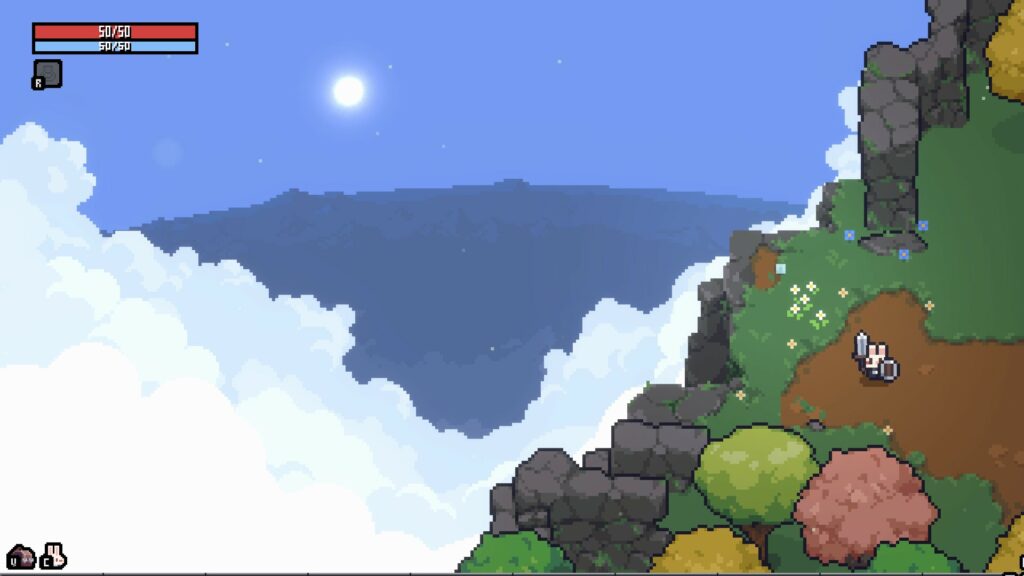
Picking the Sephiria best weapons question apart starts with one number: 98 percent. That is the game’s Overwhelmingly Positive Steam rating two days after its 1.0 launch on July 31, and it is why the new roguelite from TEAM HORAY, the studio behind Dungreed, is sitting near the top of Steam’s new release charts. Sephiria gives you six weapon branches, each with more than 50 upgrades, and the tower decides which upgrades it offers you as you descend. Your weapon choice is really a bet on which offers you want to see.
This guide ranks all six branches for the 1.0 build, names the standout weapons in each, and lays out four builds that the game’s verified systems support. A lot of older Sephiria guides describe the Early Access version; everything below reflects 1.0 and its first two patches, as of August 2026.
Key Takeaways
- Top picks: Greatsword and Sword & Shield lead the 1.0 rankings. Greatsword upgrades appear most often, and Sword & Shield just got its dash attack fixed upward in patch 1.0.22.
- Offer rates decide builds: the tower offers Greatsword upgrades at roughly 150 percent the base rate while Dagger sits near 69 percent, so some builds simply come together more often.
- Every branch is viable: the community consensus and the 1.0 review wave agree that playstyle beats tiers. Rankings here measure consistency, not possibility.
- Builds run through combo effects: Storm Cloud, Elemental, Magitech, and Companion sets shape runs as much as your weapon does.
- Buy sooner than later: Sephiria is $8.99 at 40 percent off, and TEAM HORAY has said the price goes up after the launch discount ends.
How Weapons Work in Sephiria
Sephiria’s six weapon branches are Sword & Shield, Greatsword, Blade, Dagger, Crossbow, and Magic. Each branch holds its own pool of weapons and more than 50 upgrades, and individual weapons transform at higher relic tiers into versions that change how they play as much as how hard they hit.
Three systems decide how your weapon performs in a run:
- Offer rates: the tower does not offer every branch’s upgrades equally. Community weapon data puts Greatsword offers around 150 percent of the baseline, Crossbow near 120, Sword & Shield at 100, Blade near 83, and Dagger near 69. Higher rates mean your build completes more often.
- Damage buckets: normal attacks, dash attacks, and special attacks scale separately, so upgrades that boost one bucket want a weapon that actually uses it.
- Anvil and Enchantment nodes: weapon upgrades come from Anvil rooms and your artifacts get leveled at Enchantment altars, which makes route choice part of your build.
One more planning tool: the Journal (Esc menu) lists every weapon, upgrade, artifact, and Miracle you have unlocked, so you can sketch a build before the tower ever offers you a choice.
Sephiria Best Weapons: All 6 Branches Ranked
Rankings weigh four things: how often the branch’s upgrades appear, the power of its standout weapons, how forgiving it is to play, and how much attention it got in the 1.0 patches. Every branch clears endgame content in the right hands. This order is about which ones get there most consistently.
| Tier | Branch | Offer Rate | Best For |
|---|---|---|---|
| S | Greatsword | ~150% | Pack clearing, raw damage, build consistency |
| S | Sword & Shield | 100% | Block and reflect play, survivability, beginners |
| A | Crossbow | ~120% | Safe ranged damage, kiting bosses |
| A | Blade | ~83% | Fast aggressive melee, attack speed scaling |
| B | Dagger | ~69% | Status stacking, high-commitment builds |
| B | Magic | n/a | Dedicated spell builds with MP investment |
Greatsword (S Tier)
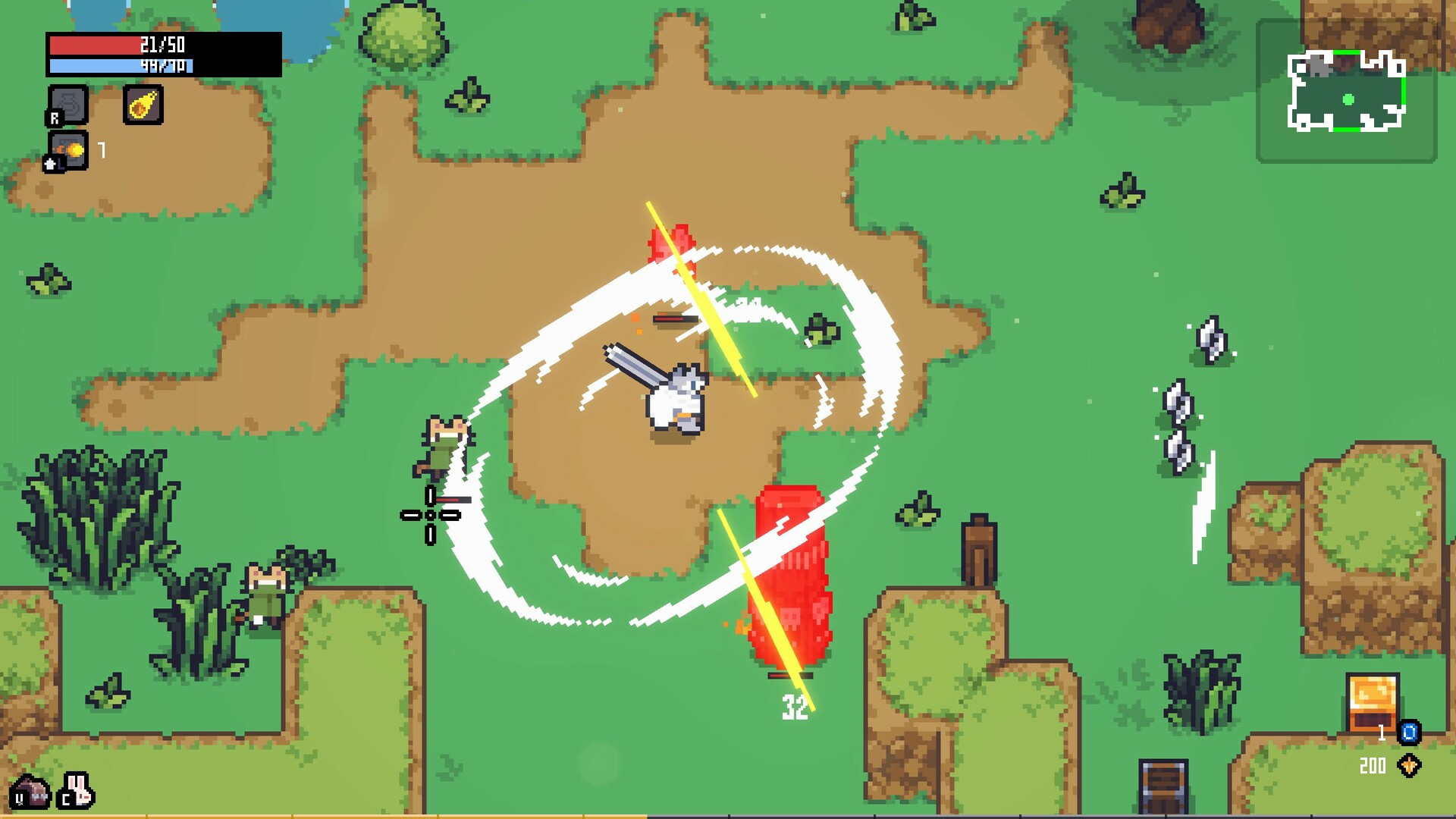
The Greatsword branch pairs the game’s biggest hits with its most generous upgrade offers, which is a rough combination to argue against. The Frostbound Greatsword line, often called Eternal Frost in its upgraded form, multiplies all damage by 1.25 while speeding up combos. The Lightning Greatsword “E2G” turns swings into shock damage for elemental builds, and oddballs like Swarming Shadow and Crimson Thorn give the branch real variety. Slow wind-ups are the tax, and the wide sweeps make it the branch that most forgives sloppy positioning against packs.
Sword & Shield (S Tier)
Sword & Shield is the branch the balance team keeps polishing, and it shows. Patch 1.0.22 fixed Breath of Ice so its dash attack bonus actually grants the full 40 percent, and the Star’s Twinkle upgrade reflects 300 percent of blocked damage, rising to 400 on a perfect guard. That turns defense into a damage plan: hold block, punish everything. The weapon pool runs from the beginner-friendly Carrot Sword and Rapier to Unity of Offense and Defense, and blocking costs MP, so it pairs naturally with mana regeneration artifacts. If you want to clear chapters while you are still learning boss patterns, start here.
Crossbow (A Tier)
Crossbow is the ranged branch with the second-best offer rate in the game, and range is worth a lot in a roguelite where floor bosses telegraph in melee. Standouts like Gunpowder deliver burst from safety, and the branch kites the game’s tougher fights better than anything else. Its documentation is thinner than the melee branches, and its ceiling depends more on which specific weapon you find, which keeps it just under the S pair.
Blade (A Tier)
Blade is the aggression branch: fast slashes, forward pressure, and scaling that rewards attack speed stacking. The Famed Sword “Muramasa” converts your swings into Swift Slash attacks at 1.8 times attack speed, and it is the kind of weapon a whole run bends around. The catch is the roughly 83 percent offer rate. Blade builds hit hard when the tower cooperates, and you should take attack speed wherever the artifacts offer it.
Dagger (B Tier)
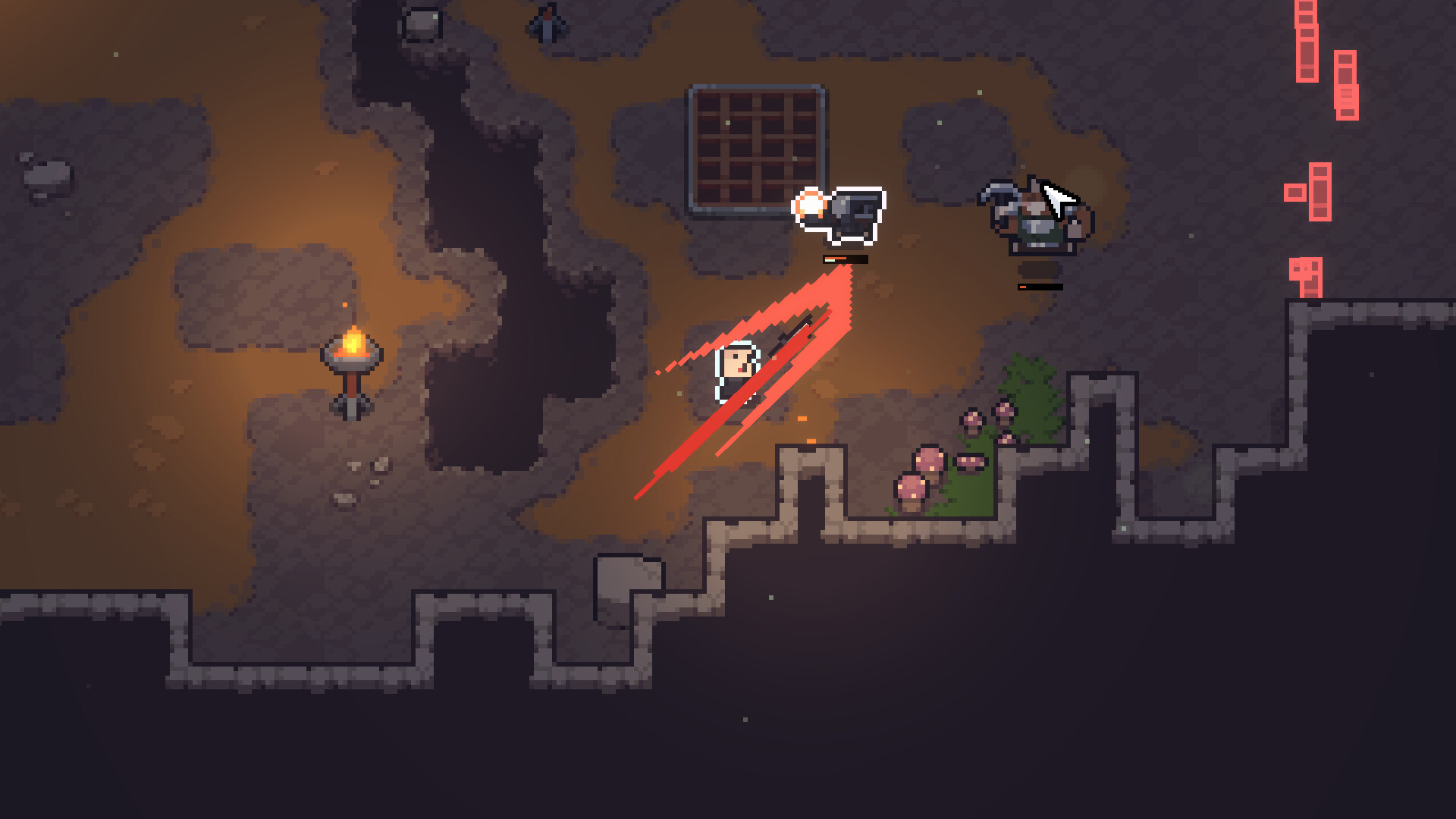
Dagger has the lowest offer rate in the game at roughly 69 percent, and that is the whole story of its placement. The weapons themselves are excellent: Lightning Dagger stacks Electrocution with around a 70 percent chance per hit, Fire Dagger burns everything it touches, and Alpine Edelweiss converts your attacks into thrown shurikens. When the upgrades show up, Dagger status builds melt bosses. They just show up less often, which makes Dagger a commitment pick rather than a default.
Magic (B Tier)
Magic lives on a quirk of Sephiria’s stat system: magic damage boosts only your quick-slot spells, not elemental weapon damage. That means a Magic build wants full investment in spellbooks, MP regeneration, and magic haste, and a half-committed one ends up weaker than any melee branch. Go all in or pick another lane. Fully built, spell builds deliver screen-clearing bursts that nothing else matches, which is exactly why the branch stays viable despite the setup cost.
Best Builds for 1.0
Weapons are half of a Sephiria build. The other half is your artifact inventory and its combo effects, the set bonuses that trigger when you slot enough matching pieces. These four builds run on systems verified in the 1.0 release.
Storm Cloud Stacker
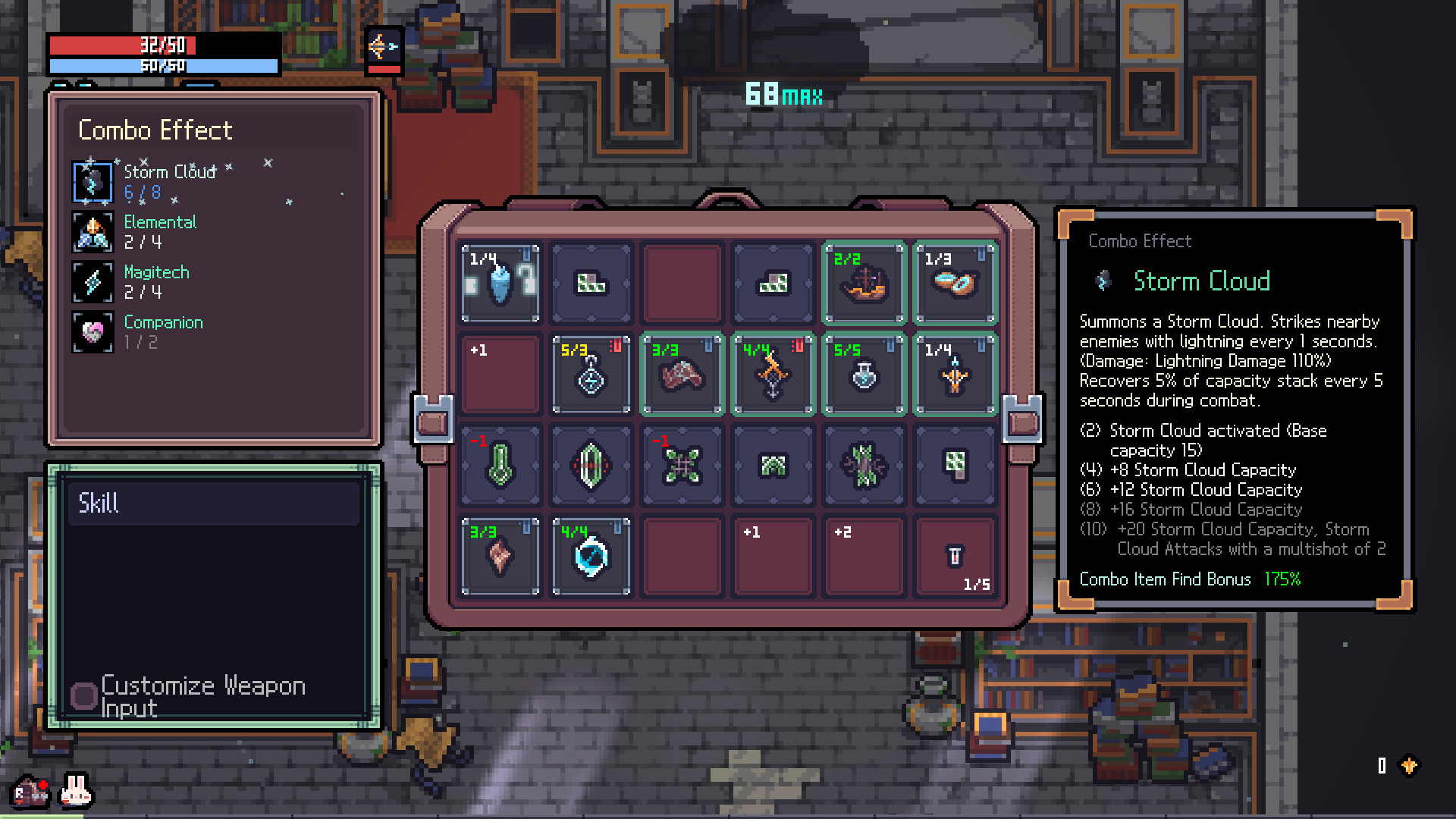
The Storm Cloud combo summons a cloud that strikes nearby enemies with lightning every second at 110 percent lightning damage, and it scales hard: capacity rises at 4, 6, and 8 pieces, and at 10 pieces the cloud attacks with a multishot of two. Pair it with lightning-leaning weapons like the Lightning Greatsword “E2G” or Lightning Dagger and every fight starts with free damage ticking overhead. Stack lightning damage and let the cloud carry room clears while you focus bosses.
Block-and-Reflect Tank
Sword & Shield with Star’s Twinkle turns every blocked hit into 300 to 400 percent reflected damage, so the build is simple: stack defense, MP regeneration to fund the blocking, and HP from Green Heart nodes, then stand in front of things that want to hurt you. The community has been clearing with block builds since Early Access, and the 1.0.22 Breath of Ice fix made the dash attack side of the kit better for free.
Companion Crew
The Companion combo effect powers a build where summons fight for you: the Mini Ballista turret controls rooms, and the NPC Colin sells a Companion-combo token for 500 leaves when his room appears. One long-running community trick fits here: the skeleton companion’s HP is fixed at 50, so artifacts that reduce your maximum HP in exchange for power cost the skeleton nothing. It is the most relaxed way to play the tower, and it holds up in co-op where your summons cover teammates.
Evade Speedster
Evasion is a real defensive stat in Sephiria, and community players report full evade builds clearing difficult content. Stack evasion artifacts, move speed, and dash recovery, then run Blade or Dagger for a hit-and-run rhythm that never stands still. A movement-focused costume helps the early floors while artifacts come online. This is the most mechanically fun build on the list and the least forgiving one to pilot.
Make the Tower Work for Your Build
Every floor runs start room, a choice of three nodes, then the floor boss, and the node icons tell you what each path holds. Weapon-focused players should prioritize a few of them:
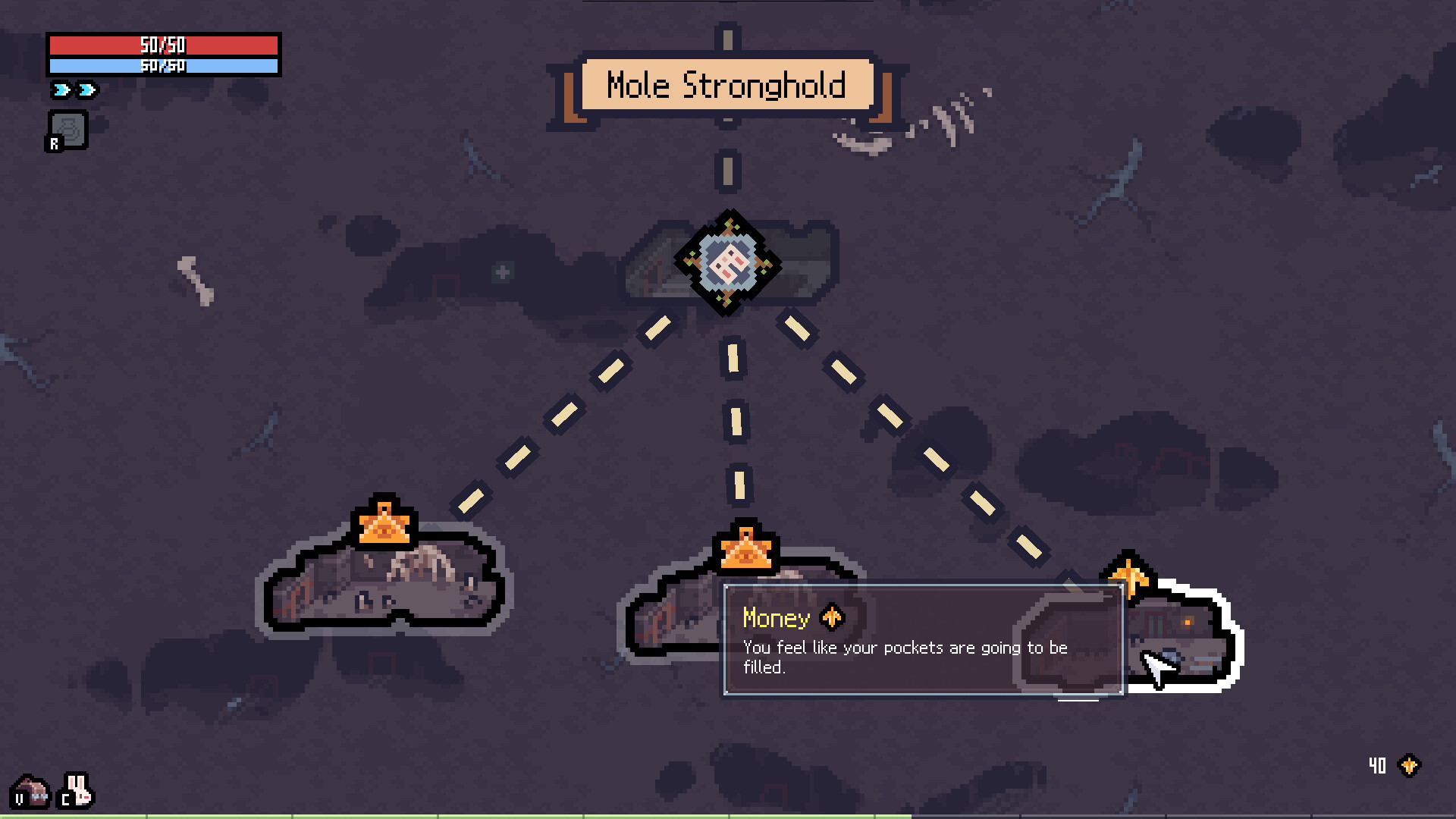
- Anvil nodes: weapon upgrades live here. If your build needs one more piece, this beats almost any other option.
- Enchantment altars: level your key artifacts one to three times per altar. Focus your best pieces instead of spreading levels around.
- Tree Roots: appears once per run and grants a Miracle, the run-defining specializations that 1.0 expanded. Never skip it.
- The fixed store: every floor start after the first has a shop and a Training Doll, so you can test your damage before committing to a route.
- Secret rooms: cracked walls hide bonus artifacts, tablets, and potions. Hit suspicious walls; the game confirms discoveries.
Tablet placement is its own puzzle, and the community already solved it: a free solver tool lets you enter your tablets and outputs optimal grid layouts, updated for the 1.0 tablet pool. Roguelite players who enjoy this kind of build math should also see our Slay the Spire 2 build guide, which scratches the same itch in deck form.
What Changed at 1.0
Sephiria left Early Access after 484 days and 58 updates, and the 1.0 release is the reason older guides read differently from the live game. The launch added Chapter 6 and the final boss, more weapon upgrades and Miracles, more inventory items, and new Hard Mode tiers with their own rewards. The full scale now: six chapters, around 300 artifacts, roughly 70 tablets, over 30 potions, and online co-op for up to four players.
TEAM HORAY has patched daily since launch. Patch 1.0.21 tuned the final boss and scaled co-op healing in the Blood Festival hard mode, and 1.0.22 fixed the Sword & Shield Breath of Ice bug along with a Chapter 6 event repeat. As of August 2026 the game costs $8.99 at 40 percent off, and the developers have said plainly that the price rises once the discount ends and Steam’s one-month price cooldown passes. For a game this reviewed, that is the easiest purchase timing call of the year. Fans of ranked breakdowns like this one can compare how we handled Mewgenics mutations and the TBH: Task Bar Hero classes.
Gear for Tower Runs
Sephiria runs are long, readable pixel art rewards a bigger screen, and top-down dodge combat plays beautifully on a pad. Current deal prices as of August 2026.

Samsung Odyssey G5 32″ QHD
32 inches of QHD makes pixel-art telegraphs and tablet grids easy to read, at 37 percent off.

JBL Quantum 650X
Wireless multiplatform audio for hearing off-screen threats and co-op callouts.

8BitDo Ultimate 2
Hall effect sticks and a charging dock, an easy fit for dash-heavy top-down combat.
Frequently Asked Questions
What is the best weapon in Sephiria?
Greatsword is the most consistent branch in 1.0 thanks to the game’s highest upgrade offer rate and standouts like the Frostbound Greatsword line and Lightning Greatsword “E2G”. Sword & Shield sits beside it for block-and-reflect builds and easier survival.
What is the best Sephiria weapon for beginners?
Sword & Shield. Blocking gives you room to learn boss patterns, Star’s Twinkle turns blocks into reflected damage, and starter weapons like the Carrot Sword and Rapier are forgiving. The 1.0.22 patch also fixed its Breath of Ice dash bonus upward.
How many weapons does Sephiria have?
Six weapon branches: Sword & Shield, Greatsword, Blade, Dagger, Crossbow, and Magic. Each branch has its own weapon pool with more than 50 upgrades, and higher relic tiers transform weapons into new versions.
Are all weapons viable in Sephiria 1.0?
Yes. Community consensus and launch reviews agree every branch can clear the tower. These rankings measure consistency: higher offer rates and more forgiving kits complete their builds more often across many runs.
Is Sephiria co-op?
Yes, online co-op supports up to four players with item trading and reviving. There is no local couch co-op, and the game is currently PC and Mac only.
Will Sephiria’s price go up?
Yes. TEAM HORAY confirmed the price increases after the 40 percent launch discount ends and Steam’s one-month price-change cooldown passes. As of August 2026 it is $8.99.
Summary
Start Greatsword if you want the tower to cooperate with your build, Sword & Shield if you want to survive while you learn, and treat Dagger, Blade, and Magic as commitment picks that reward focus. Whatever you swing, anchor your artifact inventory around one or two combo effects, hit every Anvil and Tree Roots node you see, and let the Training Doll settle arguments about damage.
Sephiria at $8.99 with a 98 percent rating is the best value in roguelites right now, and the price window is closing on the developer’s own schedule. The tower is waiting. Hop to it.