Slay the Spire created the roguelike deckbuilder genre. Slay the Spire 2 refined it. But eventually every run ends, every character gets mastered, and you start looking for what comes next. The good news: the genre exploded since the original launched in 2019. There are deckbuilders that add tower defense, poker, horror, co-op, and even negotiation mechanics on top of the core loop. These 10 games are the ones worth your time if you have already put hundreds of hours into Slay the Spire and want something that scratches the same itch without being a clone. For builds and strategies in STS2 itself, check our best builds guide.
If you would rather something hands-off between runs, the free idle RPG TBH: Task Bar Hero is currently storming the Steam charts and grinds away in your taskbar while you do other things.
Key Takeaways
- Monster Train is the closest mechanical cousin: multi-floor defense with deckbuilding, multiple factions, and a speed that rewards aggressive play over STS’s cautious pacing
- Balatro won Game of the Year for a reason: poker hands instead of combat, 98% Overwhelmingly Positive on Steam, and the most addictive scoring loop since Tetris
- Inscryption is the genre’s best story: horror deckbuilder that mutates across three acts with escape room puzzles and fourth-wall breaks
- Across the Obelisk is the co-op pick: 4-player cooperative deckbuilder with 500+ cards and shared decision-making that changes the entire dynamic
- Vault of the Void removes all RNG: you choose every card, every upgrade, every path. If you lose, it was your decision, not luck
Monster Train
Platforms: PC, Switch, Xbox, PS5 | Steam rating: Overwhelmingly Positive
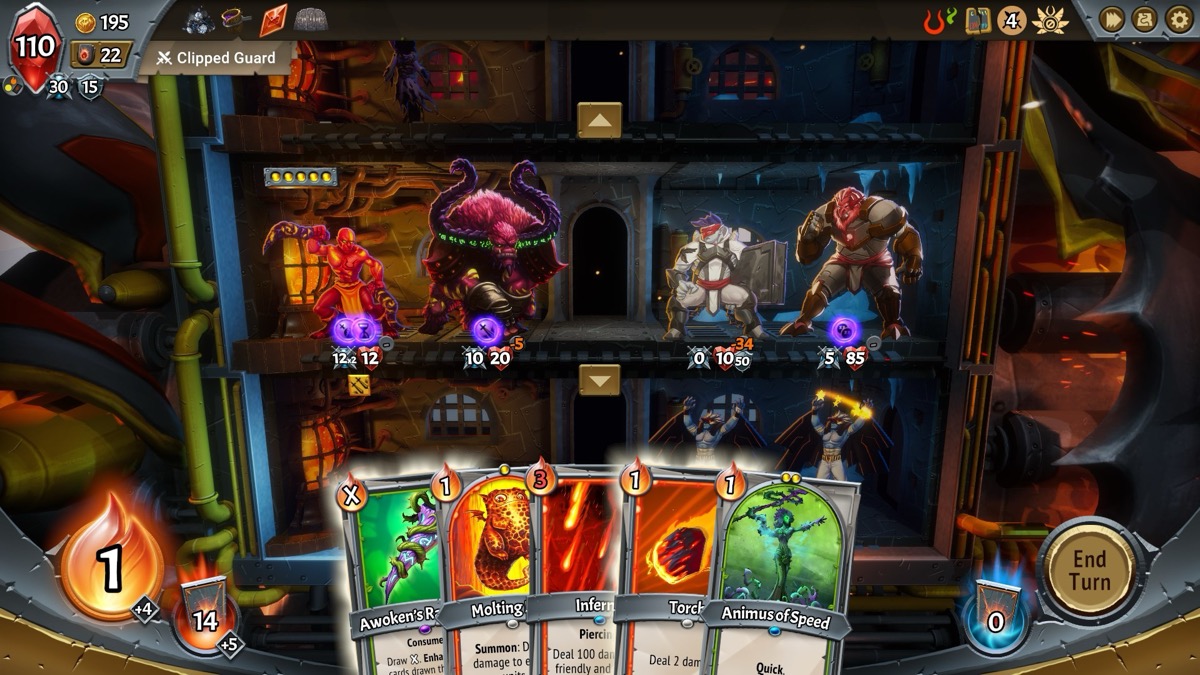
If Slay the Spire is chess, Monster Train is speed chess. You defend a three-floor train from waves of enemies climbing upward to destroy your Pyre. Each floor holds units you deploy from your hand, and the interplay between your two chosen factions creates combo potential that rivals anything in STS. The pace is faster. Runs are shorter. Decisions hit harder because a single bad floor placement can cascade into a loss three turns later.
What sets it apart is the faction pairing system. You pick a primary and allied clan, each with unique cards and champion units. The Hellhorned clan stacks rage and armor. The Awoken clan heals and grows. The Stygian Guard freezes enemies. Mixing two clans creates builds that neither could achieve alone, and the sheer number of combinations means hundreds of hours before you exhaust the synergies. Monster Train 2 launched in 2025 with even more clans and a polished interface, but the original is still excellent and cheaper.
Play this if: you want the STS combat loop with faster pacing, unit positioning, and faction synergies that feel like building a combo deck in a card game tournament.
Balatro
Platforms: PC, Mac, PS4/5, Xbox, Switch, Switch 2, iOS, Android | Steam rating: Overwhelmingly Positive (98%)
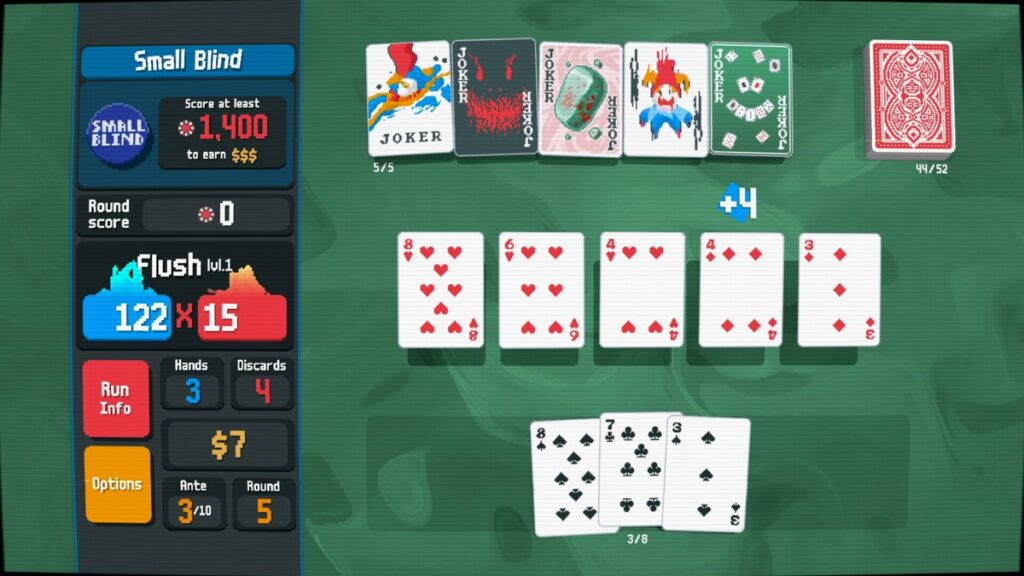
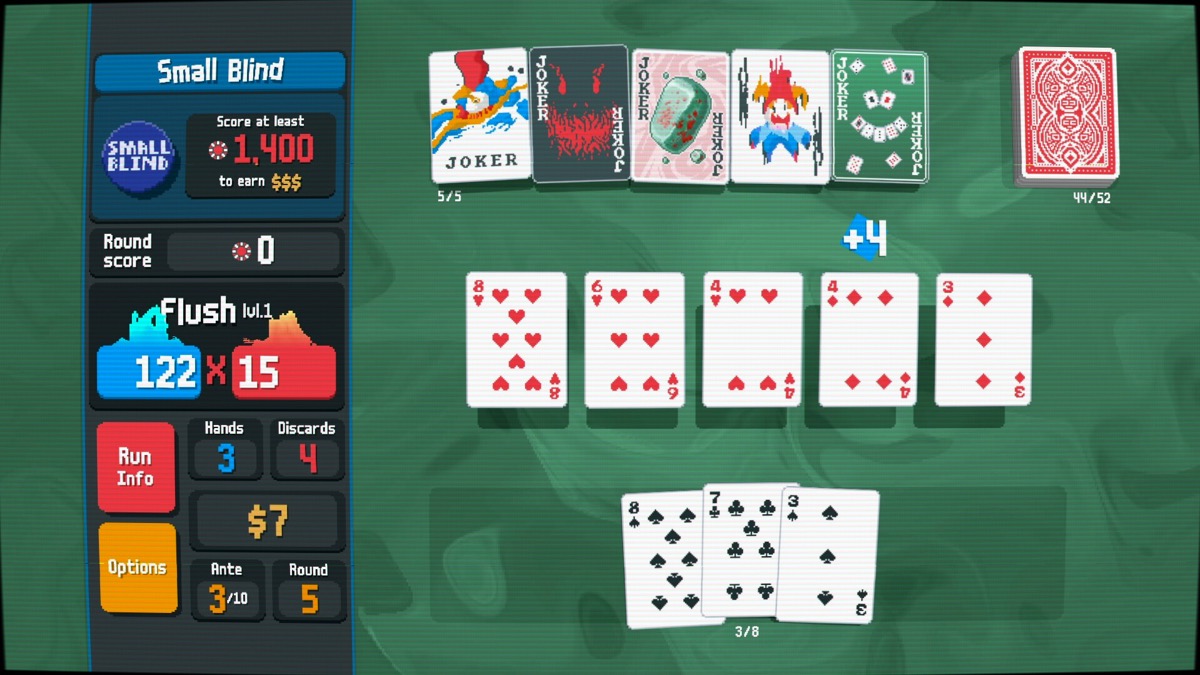
Balatro has nothing to do with monsters, dungeons, or combat. You play poker hands to hit score targets. Joker cards modify the rules: one multiplies all hearts by 4x, another gives bonus chips for every face card, a third retriggers the last card played. The game is about building a scoring engine out of a standard deck of cards, and it is absurdly addictive.
The connection to STS is structural. Both games are about building a deck over a run, making risk/reward decisions at shops, and optimizing synergies between cards that were never meant to work together. Balatro just replaces the combat layer with poker math. You do not need to know poker beyond the basics. The game teaches you what beats what. The real skill is recognizing which Joker combinations scale exponentially and which ones cap out. 98% positive on Steam with nearly 100,000 reviews. It won multiple Game of the Year awards in 2024. Available on everything including phones.
Play this if: you love the deckbuilding and optimization loop of STS but want zero combat and a completely different aesthetic.
Inscryption
Platforms: PC, Mac, PS4/5, Xbox, Switch | Steam rating: Overwhelmingly Positive
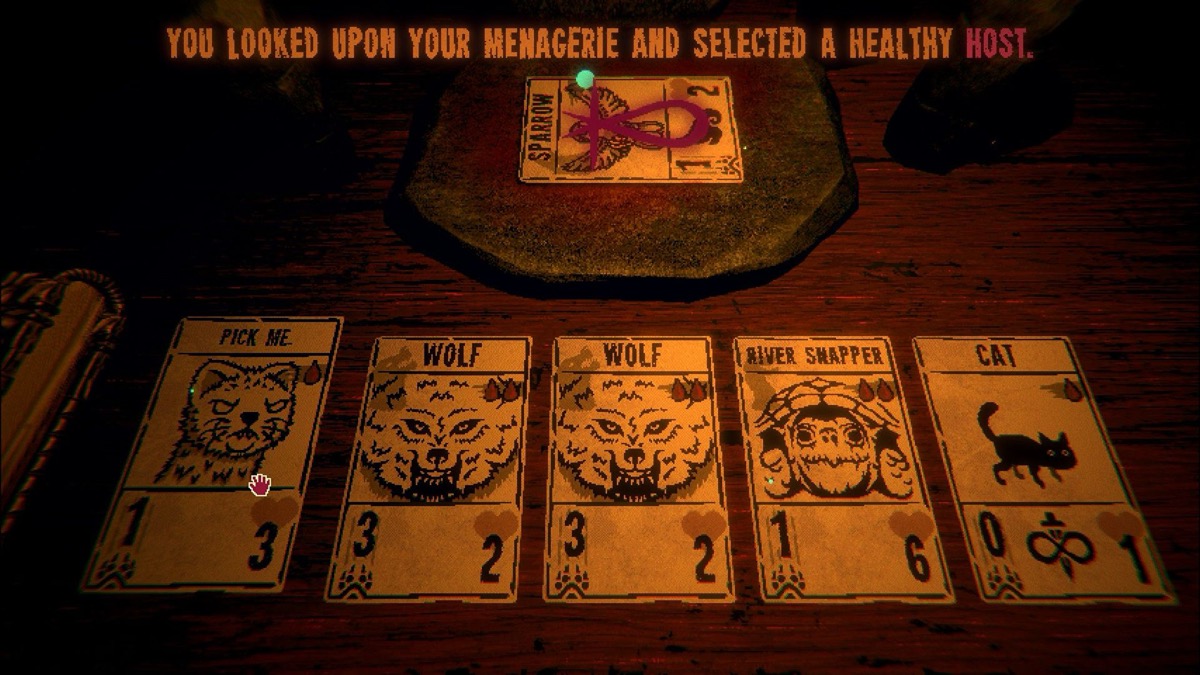
Inscryption is a deckbuilder that does not stay a deckbuilder. Act 1 is a cabin card game where you play creatures on a grid against a shadowy figure across a dark table. Between rounds, you can stand up, explore the cabin, and solve puzzles that affect your deck. Then the game shifts. Act 2 is something else entirely. Act 3 is something else again. Describing more would ruin the experience.
The card mechanics in Act 1 are genuinely good on their own. Creatures cost blood (sacrifice other creatures to play them), bones (earned from dead creatures), or gems (placed on a board). The balance between aggression and resource management feels tighter than most dedicated deckbuilders. But the reason Inscryption made every Game of the Year list in 2021 is the narrative wrapper. It uses the deckbuilder format to tell a story that could not exist in any other genre. If you have somehow avoided spoilers, play it blind.
Play this if: you want a deckbuilder wrapped in horror, mystery, and fourth-wall breaks that will surprise you at least three times.
Cobalt Core
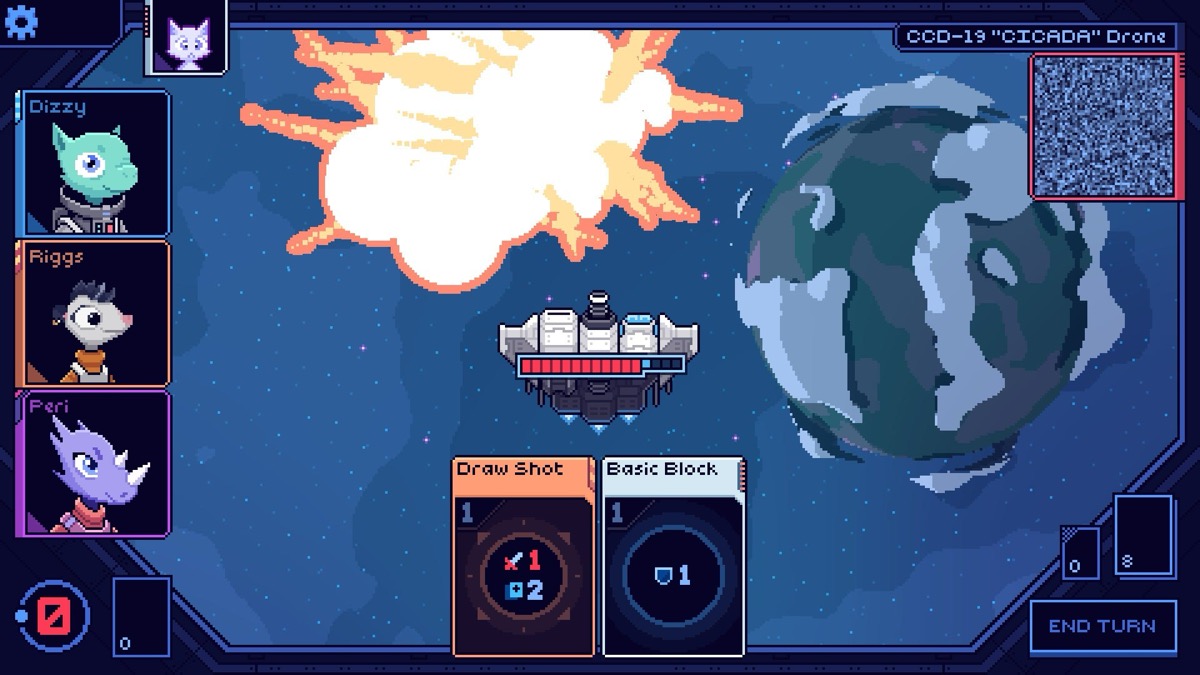
Platforms: PC, Mac, Switch | Steam rating: Overwhelmingly Positive (96%)
Cobalt Core is a sci-fi deckbuilder where you pilot a ship stuck in a time loop. Each run, you pick three crew members from a roster, and each crew member adds their cards to your shared deck. Combat happens on a horizontal lane where your ship and enemy ships move left and right. Positioning matters: you dodge incoming fire by shifting, and your attacks target specific positions on the enemy ship.
The spatial element is what makes it click. STS combat is purely about cards and numbers. Cobalt Core adds a physical dimension where dodging an attack and lining up a volley feels tactical in a way card games rarely achieve. The time loop narrative unfolds gradually across runs as you learn more about why your crew keeps dying and resetting. PC Gamer called it “might be the year’s best deckbuilding game” and Eurogamer called it “a triumph of roguelike engineering.” It is also one of the coziest games on this list despite the combat.
Play this if: you want STS with a spatial combat layer, sci-fi theming, and a cozy atmosphere that is hard to put down on a handheld.
Griftlands
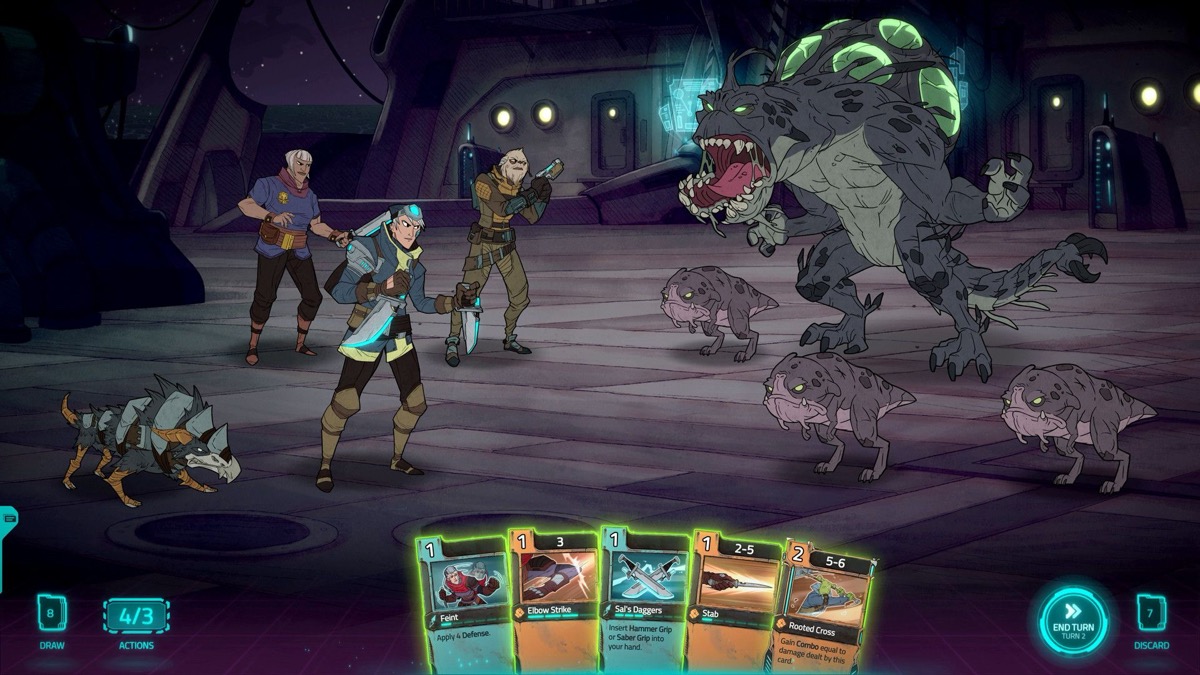
Platforms: PC, Mac, PS4, Xbox, Switch | Steam rating: Very Positive
Griftlands is from Klei Entertainment (Don’t Starve, Oxygen Not Included) and it adds something no other deckbuilder has: a negotiation deck. You manage two separate card decks throughout each run. The battle deck works like STS: attacks, blocks, and status effects. The negotiation deck is entirely different: you argue, persuade, intimidate, and bluff NPCs using cards that target their composure and resolve instead of their health.
The two decks interact. Kill someone in combat and their friends become hostile in future negotiations. Talk your way past a guard and you skip a fight entirely but miss the card rewards. Three playable characters each have their own campaign with branching story paths. The consequence system means your choices ripple across the entire run in ways STS never attempts. If you care about narrative in your deckbuilders, Griftlands is the one to play.
Play this if: you want a deckbuilder where talking is as deep as fighting and your choices carry real consequences across the run.
Wildfrost
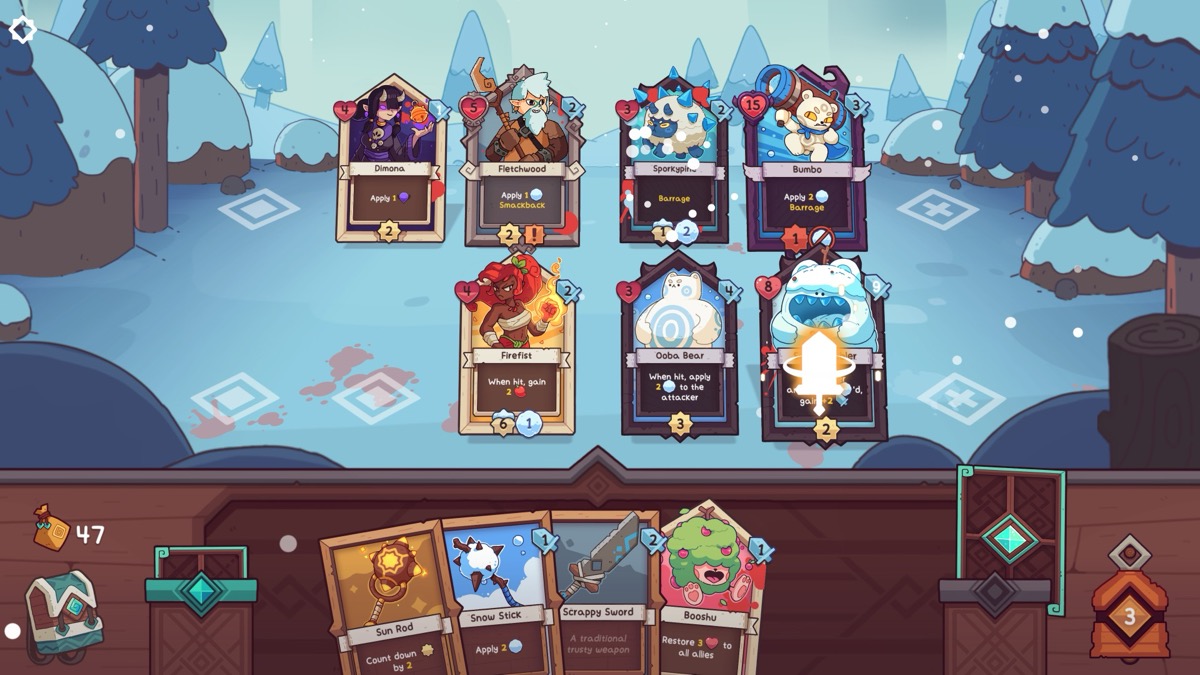
Platforms: PC, Xbox, Switch, iOS, Android | Steam rating: Very Positive
Wildfrost replaces the energy system entirely. Instead of spending mana to play cards, every card has a countdown timer. Each turn, all timers tick down by one. When a timer hits zero, the card triggers automatically. Your job is to manipulate those timers: speed up your damage dealers, slow down enemies, and position your leader to avoid taking lethal hits before your healer’s timer comes around.
The result is a deckbuilder that feels more like a puzzle than a card game. You are constantly doing mental math three turns ahead, figuring out which timers resolve in what order and whether your leader survives the gap between your shield’s cooldown and the enemy’s attack. The art style is bright and cheerful in a way that contrasts sharply with how punishing the difficulty gets. If your leader dies, the run ends. There is no second chance. Wildfrost launched rough but patches have smoothed the difficulty curve significantly.
Play this if: you want a deckbuilder that challenges you to think in timelines instead of hand management.
Across the Obelisk
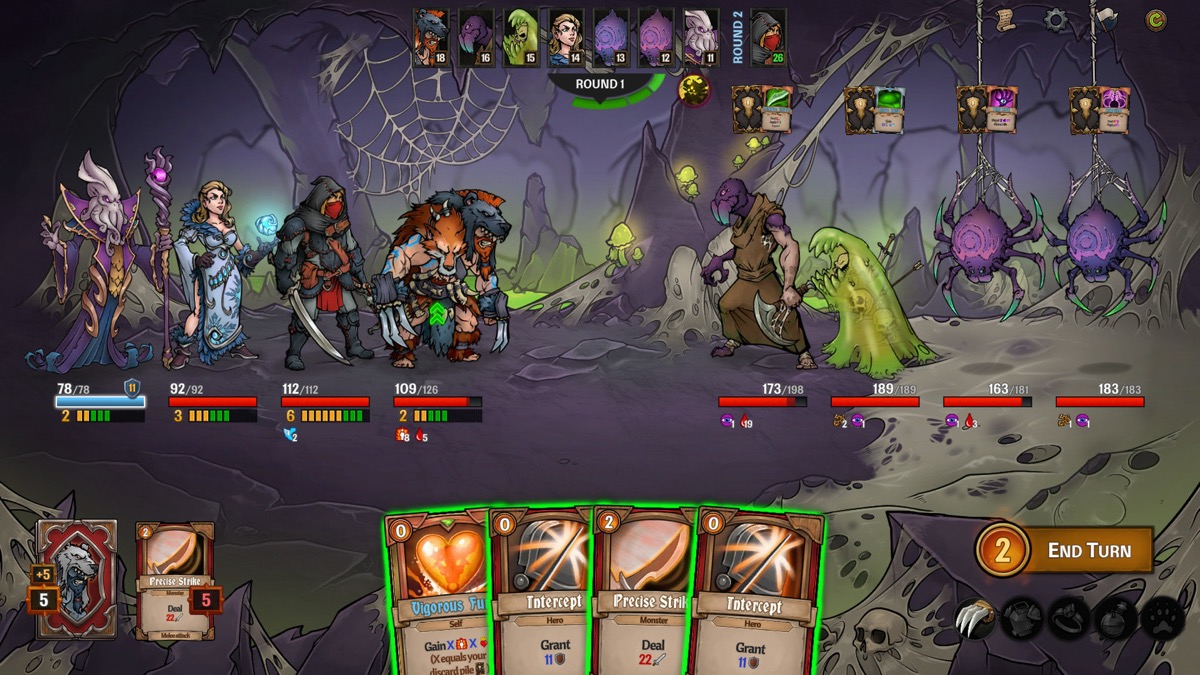
Platforms: PC, Mac, PS5, Xbox Series, Switch | Steam rating: Very Positive
STS2 added co-op and it changed the dynamic completely. Across the Obelisk was built for co-op from the start. Up to four players each control a hero with their own deck, and decisions about paths, events, and shops affect the entire group. The card pool is enormous (500+ cards) and hero synergies matter more than individual power. A healer who buffs attack speed pairs differently with a tank than with a glass cannon.
Solo play works fine with AI-controlled heroes, but the game transforms with friends. Debates about which path to take, who gets the rare card drop, and whether to risk a hard event for better rewards add a social layer that single-player deckbuilders cannot replicate. If you enjoyed STS2’s co-op mode and want more of that, this is where to go next.
Play this if: you want STS with friends and are willing to argue about event choices for ten minutes straight.
Roguebook
Platforms: PC, Mac, PS4, Xbox, Switch | Steam rating: Very Positive
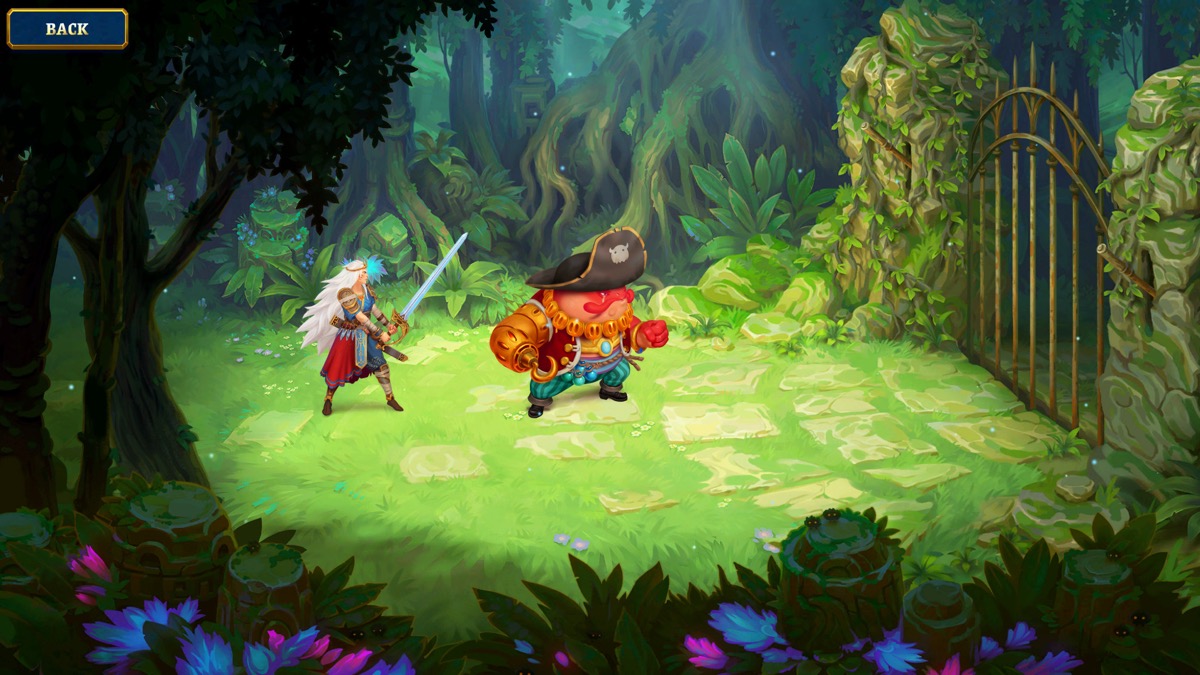
Roguebook was co-designed by Richard Garfield, the creator of Magic: The Gathering. You control two heroes in a front/back formation. The hero in front takes all incoming damage. The hero in back attacks safely. Cards swap their positions, and managing when to switch is the core strategic decision. A tanky hero in front absorbs hits while your damage dealer in back unleashes combos, then you swap when the tank needs healing.
The map system is also unique. Instead of a node-based path like STS, you explore a hex grid by painting tiles with magical ink to reveal encounters, treasures, and events. Exploration resources are limited, so you constantly decide between pushing deeper for better rewards or playing it safe with what you have found. The combination of positional combat and exploration give it a rhythm that feels distinct from everything else on this list.
Play this if: you want a deckbuilder where positioning matters as much as card selection, designed by one of the people who invented the genre.
Vault of the Void
Platforms: PC | Steam rating: Overwhelmingly Positive
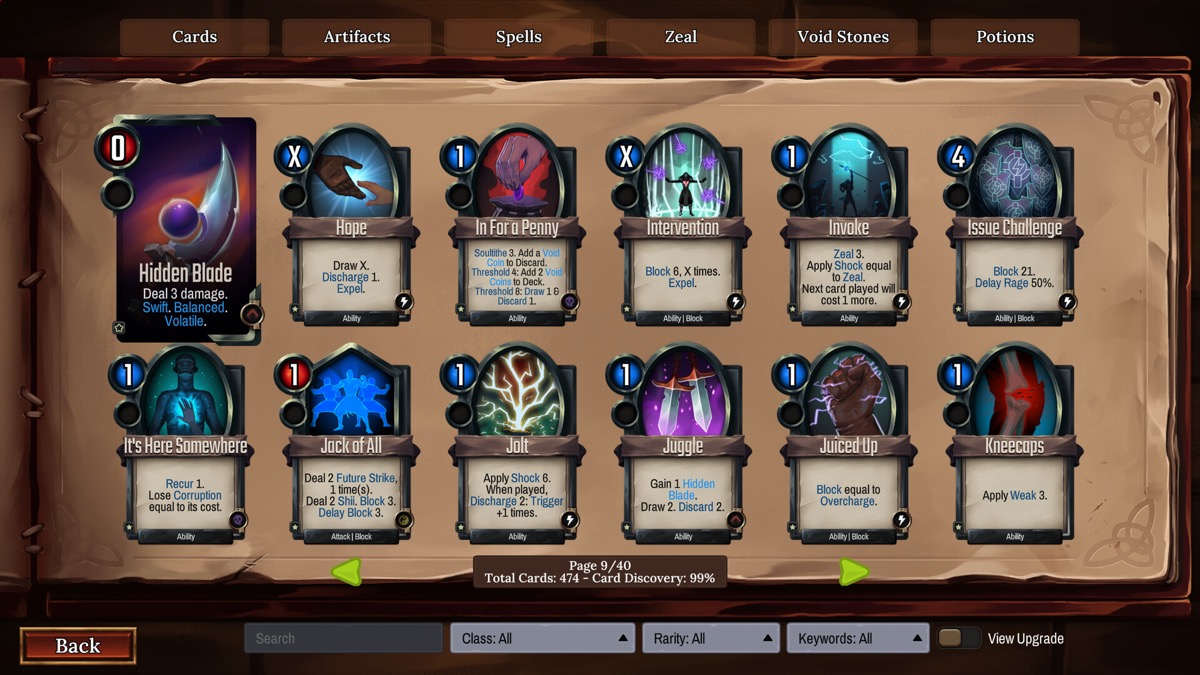
If you have ever lost an STS run because the card rewards were garbage three fights in a row, Vault of the Void is the antidote. It removes nearly all RNG from the deckbuilding process. After every battle, you choose your exact reward from a curated selection. You pick your path with full information. Upgrades are deterministic. The game gives you complete control over your deck’s construction and then challenges you to build something that survives.
The combat adds a “void” mechanic where purged cards go to a void pile that powers certain abilities. Managing what you purge, when, and how it fuels your void cards creates a secondary resource system that rewards deck thinning more aggressively than STS ever does. The result is a game that feels more like a puzzle than a gamble. When you lose, you can trace every decision that led to the loss. Overwhelmingly Positive on Steam for good reason.
Play this if: you want full control over your deck with zero RNG excuses, and you think the best runs are the ones you engineer from the first card pick.
Tainted Grail: Conquest
Platforms: PC | Steam rating: Very Positive
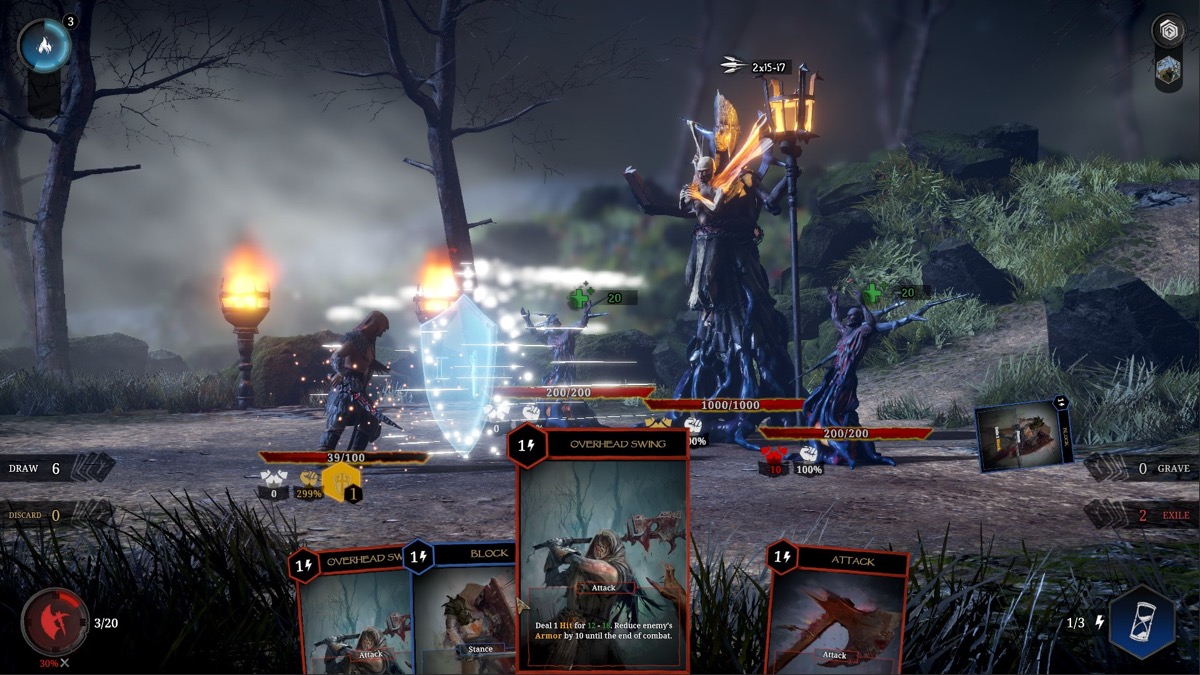
Tainted Grail sets its deckbuilder in a cursed version of Arthurian Avalon where everything is decaying, dangerous, and morally gray. The tone is the darkest on this list. NPCs die, choices have permanent consequences across runs, and the aesthetic is grimdark fantasy that makes even STS’s Act 3 look cheerful.
The mechanical hook is permanent progression. Rescuing NPCs during runs unlocks them permanently in your village hub, and they provide bonuses, new cards, and story content that carry between runs. This gives it a meta-progression layer that STS deliberately avoids. Each run contributes to a larger goal beyond “get further.” Nine playable classes with distinct mechanics keep the variety high, and the branching narrative means multiple playthroughs reveal different parts of the story. If you want your deckbuilder to feel like a dark RPG with consequences that stick, this is it.
Play this if: you want a deckbuilder with permanent progression, dark fantasy atmosphere, and story choices that matter between runs.
Gear for Long Runs
Deckbuilder runs last anywhere from 30 minutes to two hours. A comfortable controller and good audio make the difference between one more run and calling it a night. For STS2-specific strategy, our relic tier list and boss guide cover the toughest encounters.
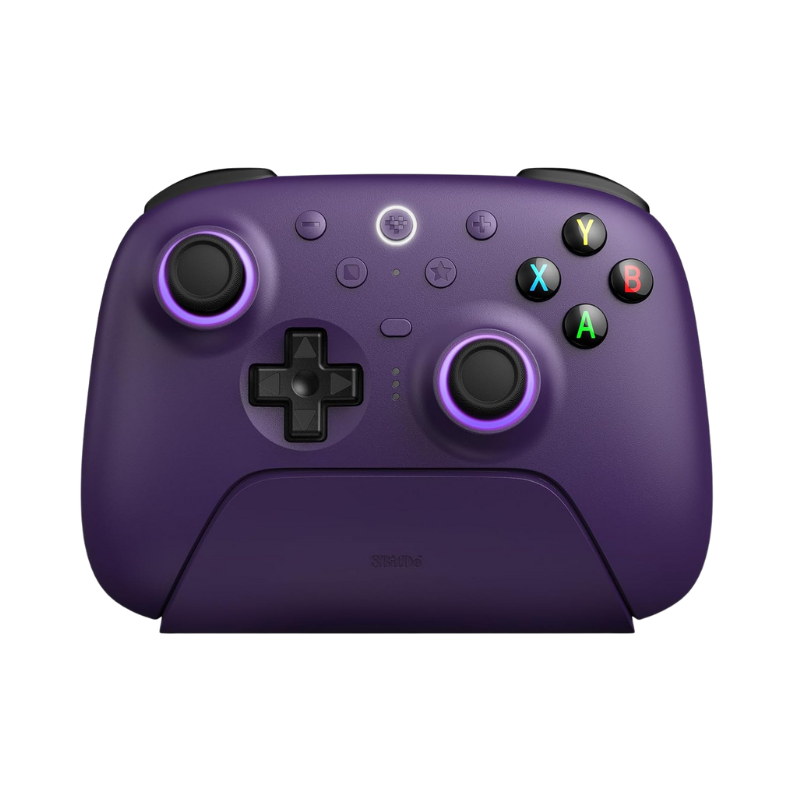
8BitDo Ultimate 2 Controller
Hall effect sticks with wireless and Bluetooth
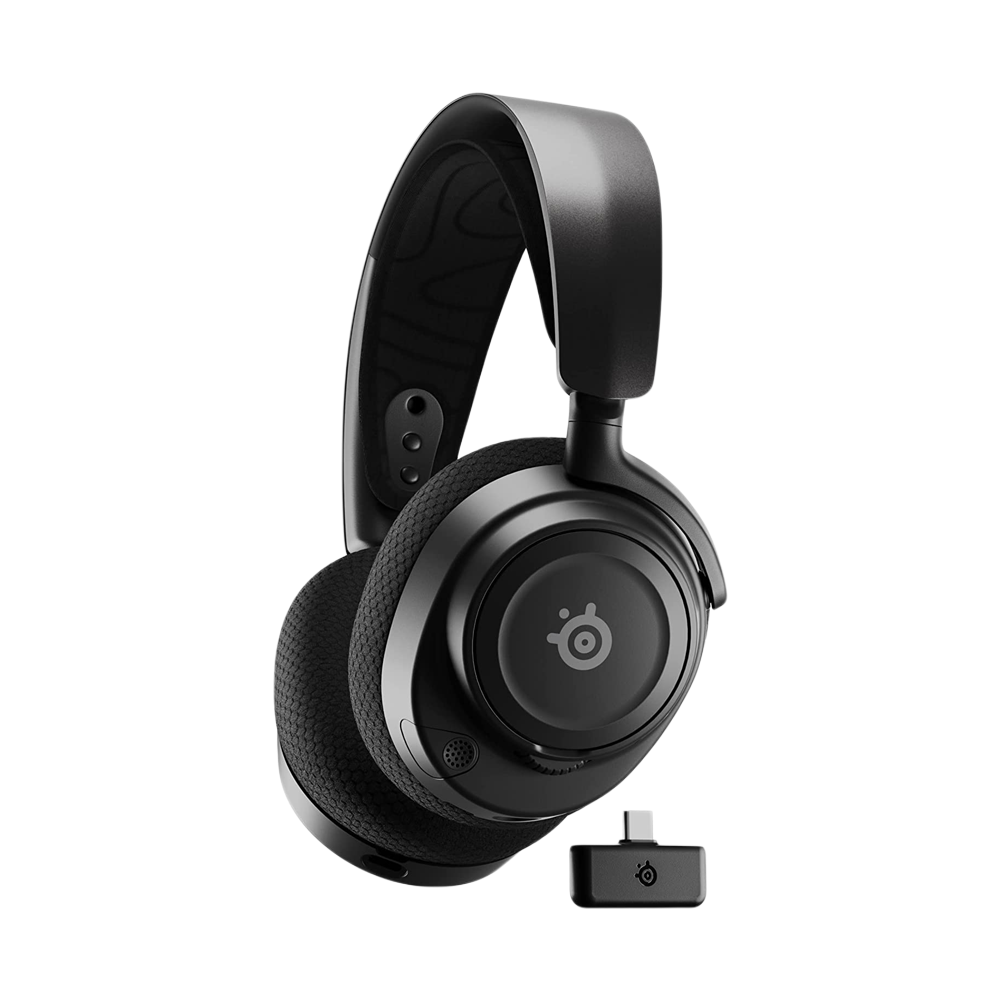
SteelSeries Arctis Nova 7
Multi-platform wireless with 38-hour battery

Samsung Odyssey G55C 32″ QHD
165Hz curved VA panel at a budget price
Frequently Asked Questions
What is the closest game to Slay the Spire?
Monster Train. It shares the core loop of building a deck across a run, fighting through increasingly difficult encounters, and combining faction synergies. The main difference is the multi-floor tower defense layer and faster pacing.
Is Balatro a roguelike deckbuilder?
Yes. It has runs, procedural progression, shop decisions, and deck modification. The difference is that combat is replaced with poker hands. You play cards to hit score targets instead of fighting monsters. The deckbuilding and optimization loop is structurally identical to STS.
Which roguelike deckbuilder has the best co-op?
Across the Obelisk. It supports up to 4 players, each with their own hero and deck. Decisions about paths and events affect the whole group. STS2 also has co-op, but Across the Obelisk was designed for it from the start.
Are any of these games on mobile?
Balatro is on iOS and Android. Wildfrost is on iOS and Android. Slay the Spire 1 is on iOS and Android. Most others are PC and console only, though several work well on Steam Deck.
Which game on this list is the hardest?
Wildfrost and Vault of the Void are both significantly harder than STS at their highest difficulties. Wildfrost punishes mistakes immediately since your leader dying ends the run. Vault of the Void gives you full control but expects you to use it perfectly.
Prices on gaming peripherals and accessories change constantly. Berry Finds tracks real-time Amazon deals across thousands of products so you can grab gear at the lowest price.
Summary
Monster Train for the closest STS experience with faster pacing. Balatro for a completely different take that is somehow just as addictive. Inscryption for the story. Cobalt Core for spatial combat. Griftlands for narrative consequences. Wildfrost for timer-based puzzles. Across the Obelisk for co-op. Roguebook for positioning tactics. Vault of the Void for zero-RNG control. Tainted Grail for dark permanent progression. All ten respect the formula STS created while pushing it in directions that justify their existence as separate games. For more on the game that started it all, our STS2 builds guide covers every character archetype in depth.