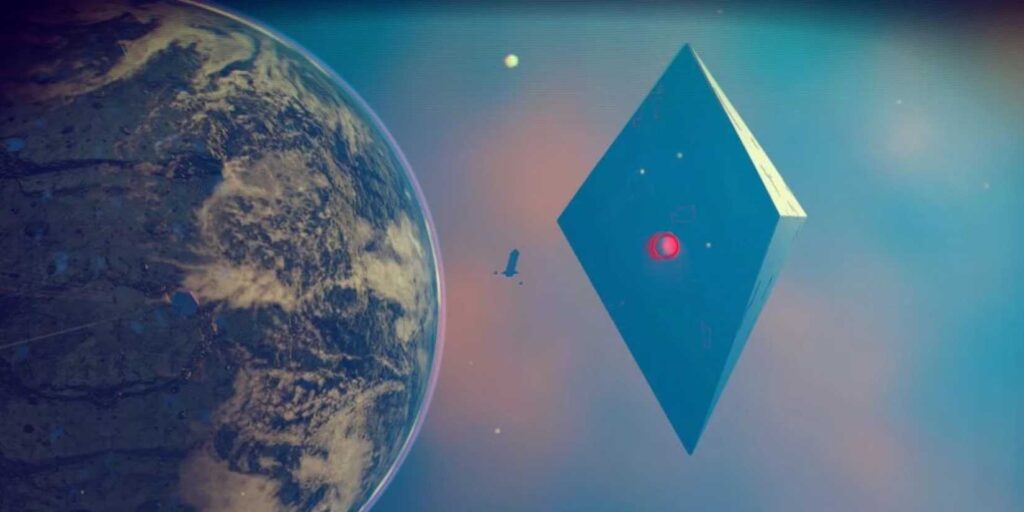
The No Man’s Sky story explained in plain English: there are three primary storylines (Awakenings, the Atlas Path, and the Artemis Path), they all run on the same save at the same time, and the order you complete them in changes which ending you actually get to see properly. Most players bounce off the story because the game delivers it in fragmented audio logs over fifty hours of warp jumps, then drops a “reset the simulation” choice on you with almost no context. This guide pulls every plot beat into one read, walks through the major decisions and what they change, and recommends the order to run the three storylines so you reach The Purge with everything intact and nothing missing.
Key Takeaways
- Three primary storylines: Awakenings (the tutorial that introduces the Anomaly), the Atlas Path (visiting Atlas Interfaces and crafting Atlas Seeds), and the Artemis Path (the main story with Artemis, Apollo, and -null-).
- They run in parallel: all three share the same save and never block each other. You start the Atlas Path and the Artemis Path at the same time after Awakenings ends.
- The big reveal: the Atlas is a dying simulation, the Travellers (including your character) are iterations inside it, and the Sentinels are its enforcement drones. Telamon is the security program living in your exosuit.
- Major decisions: wipe or diagnose the Atlas, upload Artemis to a Korvax simulation or let them die, share or refuse Apollo’s portal address, and finally choose Reset Simulation or Refuse the Atlas in The Purge.
- Recommended order: finish Awakenings, run the Atlas Path and Artemis Path together, sync the final Atlas Interface with your 16-warp Purge run, and only then pick the ending. If you let the Atlas Path go inactive when The Purge starts, the mission can drop out of your log mid-run. (You can recover it by warping back to any Atlas Station.)
- The Three Primary Storylines at a Glance
- Storyline 1: Awakenings
- Storyline 2: The Atlas Path
- Storyline 3: The Artemis Path
- How the Three Storylines Intertwine
- Every Major Decision and What It Actually Changes
- The Big Reveal: Atlas, Travellers, Sentinels, and Telamon
- Recommended Order for the Best Ending
- What Happens After the Ending
- Gear for Long Story Sessions
- Frequently Asked Questions
- Summary
The Three Primary Storylines at a Glance
The No Man’s Sky story explained as a structure: three primary mission chains share one save, three protagonists (Artemis, Apollo, -null-), and one final choice at the centre of the galaxy. The Atlas Rises update in 2017 reworked the original launch story into the version you play today, and Hello Games has folded new lore into the existing chains with every major patch since.
| Storyline | What It Is | Length | Final Choice |
|---|---|---|---|
| Awakenings | Tutorial mission that introduces planets, ships, the Anomaly, and basic crafting | 2 to 4 hours | None (transitions automatically) |
| The Atlas Path | Visit ten Atlas Interfaces, craft ten Atlas Seeds, decide whether to birth a new star | 10 to 20 hours of milestones | Birth a star or walk away |
| The Artemis Path | Eight-mission narrative chain about a missing Traveller, ending in The Purge | 20 to 40 hours | Reset Simulation or Refuse the Atlas |
Awakenings is short, mostly mechanical, and exists to teach you how to play. The Atlas Path is the older of the two main chains, gated by Journey Milestones (in-game achievements), and ends with a quiet personal choice. The Artemis Path is the longer narrative arc, written like a sci-fi mystery, that pays off the entire game’s lore at the centre of the galaxy.
Storyline 1: Awakenings
Awakenings is the first mission of every save and the only one of the three you cannot skip. You wake up on a hazardous planet (Toxic, Scorched, Frozen, or Irradiated) with no memory and a damaged Exosuit. The mission walks you through repairing your Multi-Tool, mining Ferrite Dust, finding a Hermetic Seal, repairing your crashed Starship, and warping to a second system for the first time.
Two story moments matter inside the tutorial. The first is a brief transmission from a Korvax called Priest Entity Nada, who summons the Space Anomaly into the system in front of your ship. The Anomaly is a black diamond-shaped space station crewed by Nada and a Gek named Specialist Polo, both of whom act as mission givers for the rest of the game. The second is a Monolith conversation that hints at “the cause of my crash” and triggers a mysterious incoming transmission once you return to space.
That transmission ends Awakenings and immediately begins both the Artemis Path and the Atlas Path on the same save. The Atlas Path has no objective at first; it activates the moment you accidentally warp into a system containing an Atlas Station, or when you ask Polo on the Anomaly to point you toward one. The Artemis Path begins as soon as you investigate the next crashed ship the game points you to.
Storyline 2: The Atlas Path
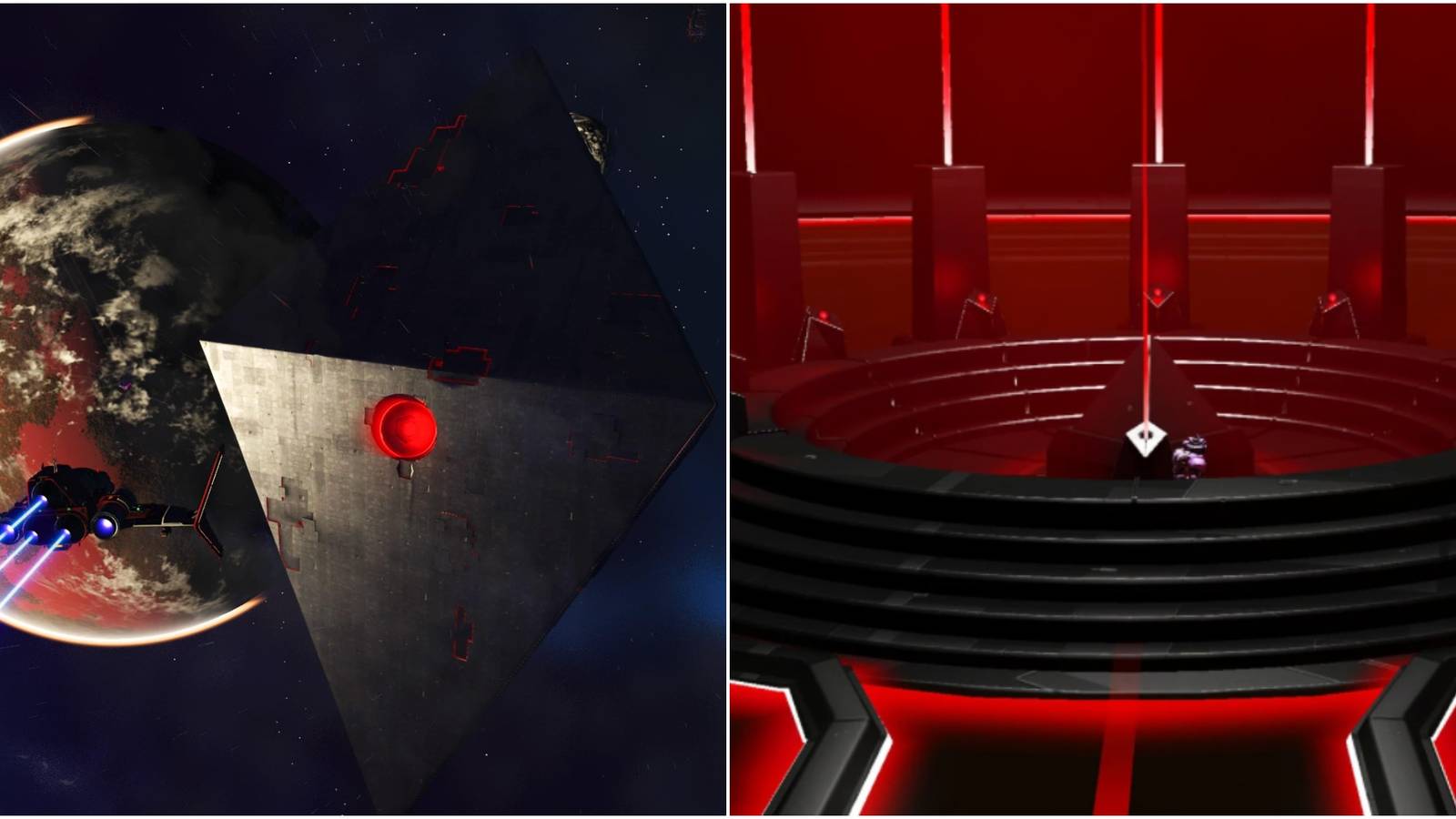
The Atlas Path is the older storyline, dating back to the 2016 launch and reworked during Atlas Rises in 2017. The mission tasks you with visiting Atlas Interfaces (large black-diamond stations scattered across star systems) and crafting ten Atlas Seeds. Each Seed unlocks the next, and the recipe for the final Seed (Heart of the Sun) requires you to craft all nine previous ones first.
Progression is gated by Journey Milestones, the game’s behind-the-scenes achievement counter for things like discoveries, combat, and exploration. You need 5 milestones to unlock the first Seed, then 10, 15, 20, and so on up to 50 for the Heart of the Sun. In practice this means you cannot rush the Atlas Path; it pulls you along at the same pace as the rest of your normal progression.
The 10 Atlas Seeds in Order
| Seed | Codename | Milestones Required |
|---|---|---|
| Captured Nanode | Pathfinder | 5 |
| Englobed Shade | Juno | 10 |
| Noospheric Orb | Rosetta | 15 |
| Dark Matter | Cassini | 20 |
| Dawn’s End | Kepler | 25 |
| Photic Jade | Dawn | 30 |
| State Phasure | Curiosity | 35 |
| Novae Reclaiment | Hubble | 40 |
| Modified Quanta | Viking | 45 |
| Heart of the Sun | Magellan | 50 |
The Final Atlas Interface and the Choice
After crafting the Heart of the Sun, you take it to an eleventh Atlas Station and use it to unlock the Final Atlas Interface, consuming the Heart in the process. Inside, you walk a ring of nine Atlas Seed Chambers, plug each Seed into its socket, and approach the central interface for a final conversation with the Atlas itself.
The choice is small but meaningful. Birth a new star and you receive the Star Seed blueprint, which lets you create a star somewhere in the galaxy and grants the permanent ability to see Black Holes on the Galaxy Map without Polo’s help. Walk away and you still get the Black Hole vision, but no Star Seed. The mission ends here. There is no galaxy reset, no teleport, no New Game Plus. The Atlas Path is the quieter, more personal of the two main story chains.
⚡ Quick tip: Once the Atlas Path mission completes, it gains a secondary use. Whenever you learn the location of a Black Hole (from Polo or naturally), the mission temporarily changes its objective to “pass through this Black Hole.” This is the in-game way to fast-travel hundreds or thousands of light years toward the centre of the galaxy.
Storyline 3: The Artemis Path
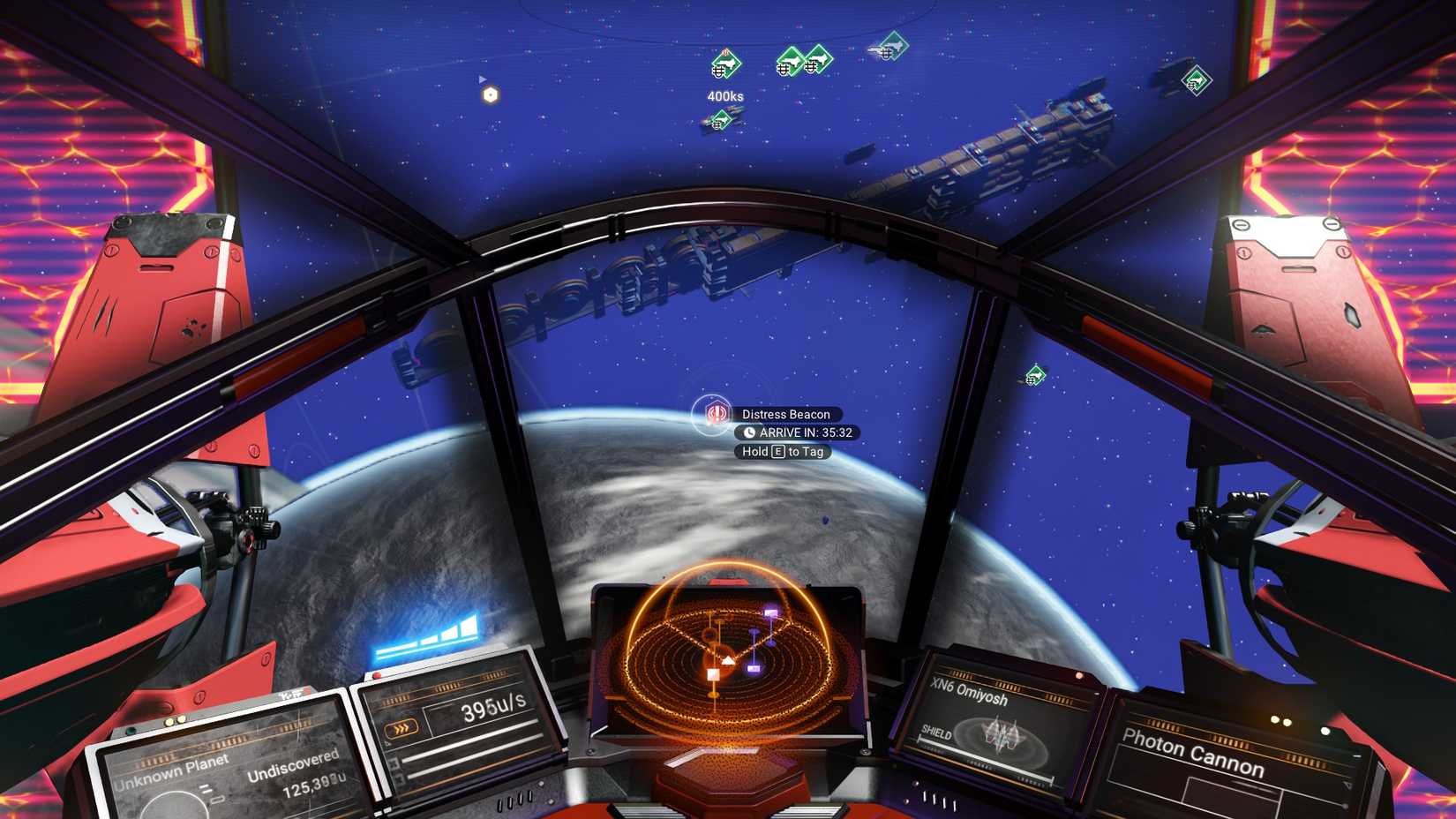
The Artemis Path is the main story of No Man’s Sky and the storyline that contains the simulation reveal, the four-races backstory, and the centre-of-the-galaxy ending. It runs across eight missions, each unlocking the next automatically, and stars three Traveller characters: Artemis, Apollo, and -null-.
The Eight Missions in Order
- Awakenings — technically the first mission of the Artemis Path, it acts as the shared tutorial for all three storylines.
- Alone Amidst the Stars — you find Artemis’s crashed ship, repair its Distress Beacon, and triangulate your position with Signal Boosters to figure out a route to them.
- Ghosts in the Machine — Artemis is attacked mid-conversation, transmits Apollo’s frequency before disappearing, and Apollo asks you to investigate the connection between Sentinels and Portals.
- A Leap in the Dark — you raid a Korvax Manufacturing Facility, draw Sentinel attention, follow signal flares to three glyphs, and use a Portal that drops you in front of an Atlas Interface. You meet the Atlas for the first time.
- The First Traveller — -null- contacts you, gives you the Mind Ark blueprint, and asks you to capture Artemis’s soul. After you do, you decide whether to upload Artemis to a Korvax simulation or release them.
- Patterns in Time — you visit Vy’keen, Korvax, and Gek Cartographers, prove your worth to each, and collect their oral history of the Atlas, the Sentinels, and the Travellers.
- 16/16 — you share what you learned with -null-, follow Apollo’s distress signal to the same Distress Beacon from Awakenings, and meet the Atlas a second time.
- The Purge — the final mission. Each warp adds a Glyph; specific warps trigger conversations with Apollo, Artemis, and -null-. After the 16th Glyph you charge the marked Portal, walk to the Final Atlas Interface, and choose Reset Simulation or Refuse the Atlas.
Who Artemis, Apollo, and -null- Are
Artemis is a fellow Traveller you never actually meet alive. By the time you find their crashed ship, Artemis is already dead, and what you have been talking to is a soul fragment trapped in a loop, unaware of its own death. The Artemis Path is largely the story of you trying to figure out what happened to them and what to do about it.
Apollo is another Traveller whose body has been almost entirely replaced by robotics at some point in their past, and who has decided that nothing in the universe matters except units. Apollo is materialistic and sometimes hostile, but they were close to Artemis and reluctantly help you investigate. The community is split on whether the Greek-deity naming (Artemis and Apollo were twin siblings in mythology) is meant to imply the two characters are siblings.
-null- (also called Null) is a Traveller from another universe who once defied the Atlas by exploring every star system in their reality. The Atlas responded by showing them the multiverse, making their accomplishment feel meaningless, and then cut off contact. -null- contacts you because they believe the walls between universes are failing. Their goal is selfish: they want what the Atlas has now given to you, and they are bitter that you were chosen instead.
How the Three Storylines Intertwine
The three storylines share locations, NPCs, and a central mystery, but they are not formally connected as a single quest. Awakenings ends and the other two begin in the same moment, in the same star system, on the same save. From that point, you can pursue both in parallel without either blocking the other.
Three real overlaps make the storylines feel like one. The first is the Space Anomaly: every major story decision (capturing Artemis, choosing their fate, getting Atlas Path direction from Polo) happens here. The second is the Atlas itself, which appears in both paths but means slightly different things in each. In the Atlas Path it is a personal communion that ends with the Heart of the Sun; in the Artemis Path it is the antagonist, a dying simulation begging to be reset. The third is the centre of the galaxy: completing the Atlas Path gives you Black Hole vision, which is the fastest way to get there, which is exactly what The Purge requires.
The community consensus on Steam, refined over thousands of playthroughs, is that the most efficient run pursues both paths simultaneously and synchronizes their endings. The Atlas Path needs 10 Atlas Seed warps to complete; The Purge requires 16 warps to the centre. By delaying the final Atlas Interface until you have started The Purge, you can use a single 16-warp run to finish both. One veteran player put it bluntly in a long-running thread: “I now do it that way in every single new playthrough.”
Every Major Decision and What It Actually Changes
Five decisions across the storylines change something concrete. The rest of the dialogue choices are flavour. Here is what each one actually does.
Diagnose or Wipe the Atlas (A Leap in the Dark)
The first time you meet the Atlas, after passing through a Portal during A Leap in the Dark, you can choose to perform a diagnostic on the Atlas or wipe its system. Both options teleport you to a distant planet 500 units from your starship and award two Warp Cells. The choice itself has no measurable downstream effect; it exists for roleplay.
Upload Artemis or Let Them Die (The First Traveller)
This is the largest dialogue branch in the game. After capturing Artemis’s soul in a Mind Ark, you board the Anomaly and speak to Nada, who explains the two options.
Upload to the Korvax Simulation If:
- You want Artemis to keep contacting you across the rest of the storyline
- You want a chance to tell Artemis the truth about their existence (or lie to them)
- You want the most complete narrative payoff during 16/16 and The Purge
- You are okay with the moral weight of running a simulated friend
Allow Artemis to Die If:
- You want a quieter, more melancholy ending arc
- You see the simulation option as cruel and prefer to give Artemis peace
- You do not want extra check-in transmissions interrupting other gameplay
- You are roleplaying a Traveller who refuses to extend the suffering
If you upload, Artemis appears in three later moments to talk to you about a dream they had, their suspicion that something is wrong, and finally a looped realisation in The Purge that the interference they feel is the Atlas dying. If you let Artemis die, those moments are silent.
Share or Refuse Apollo’s Portal Address (The First Traveller)
After activating a Portal during The First Traveller, Apollo asks for the address. Share it and Apollo enters the same Portal address from their side, which leads to confused later conversations where you both seem to be in the same place but unable to see each other. Refuse it and Apollo accuses you of cutting them out for safety reasons. Both branches arrive at the same final mission, but the dialogue threads are different.
Reset Simulation or Refuse the Atlas (The Purge)
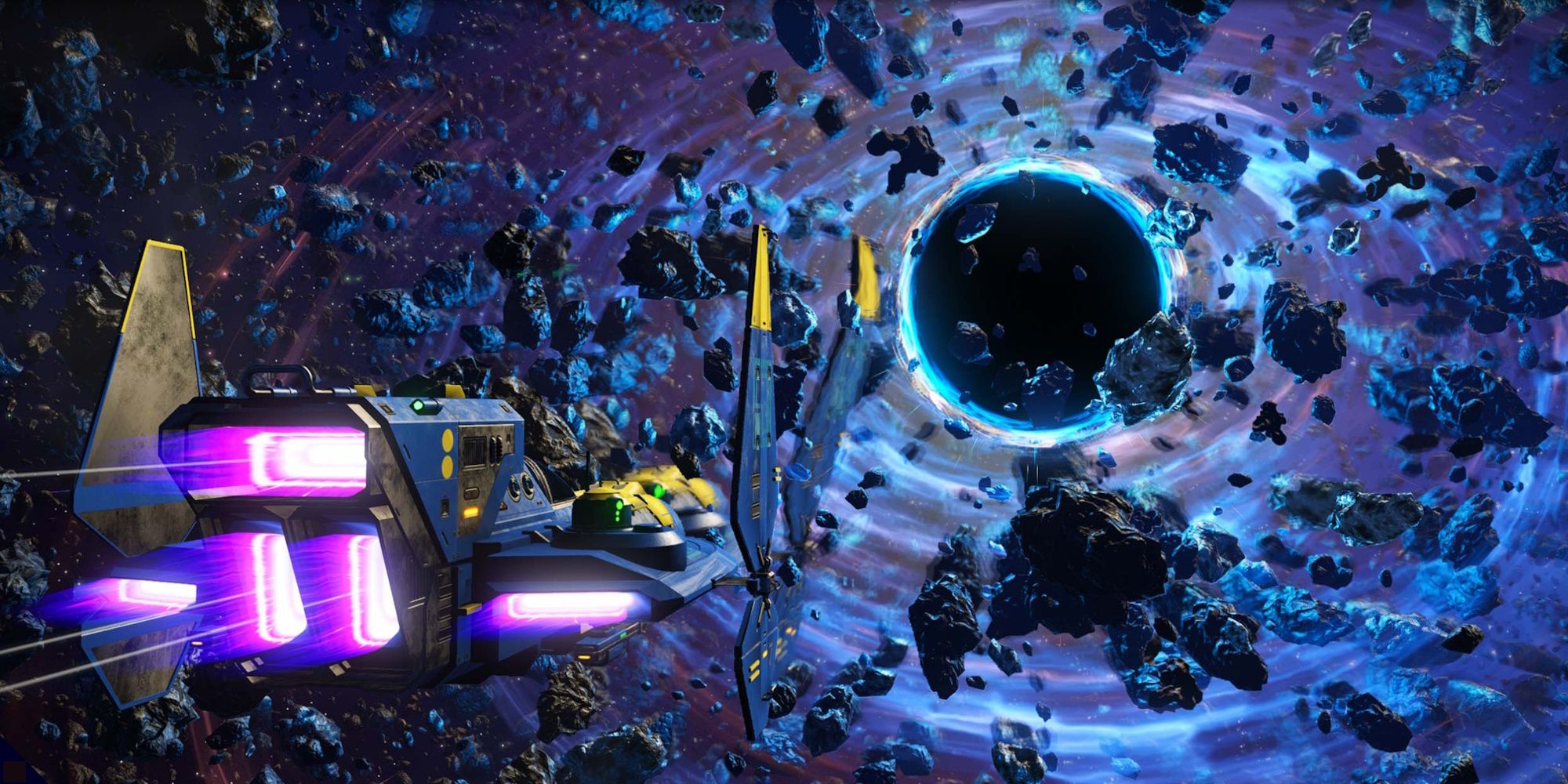
This is the actual ending of the Artemis Path. After 16 warps, charging the marked Portal, and walking through one final exotic-planet sequence, you arrive at the Final Atlas Interface. The Atlas asks you to cry out six times in a row to begin the conversation, and then offers two options.
Reset Simulation teleports you to a brand-new galaxy. You choose what kind of galaxy spawns next: Lush, Empty, Norm, or Harsh. Your ship, suit, freighter, and currencies carry over, but you start in a fresh part of space with new discoveries to make. The mission log description leans into the existential tone: “I accepted the guidance of the Atlas. What choice did I have? I am part of the Atlas, I am nothing without it.”
Refuse the Atlas leaves you exactly where you are, with no galaxy change. The mission ends with the line “The Atlas waits for me, should I change my mind. This galaxy is enough for me.” You can return to the Final Atlas Interface later and choose Reset if you change your mind. Both endings unlock the Remembrance blueprint.
Birth a Star or Walk Away (Atlas Path Final Interface)
Independent of the Artemis Path’s ending, the Atlas Path has its own quiet final choice. Birth a new star and you receive the Star Seed blueprint plus permanent Black Hole vision. Walk away and you still get the Black Hole vision but no Star Seed. Neither option reshapes the universe or affects the Artemis Path ending. The Star Seed is mostly a collector’s reward.
The Big Reveal: Atlas, Travellers, Sentinels, and Telamon
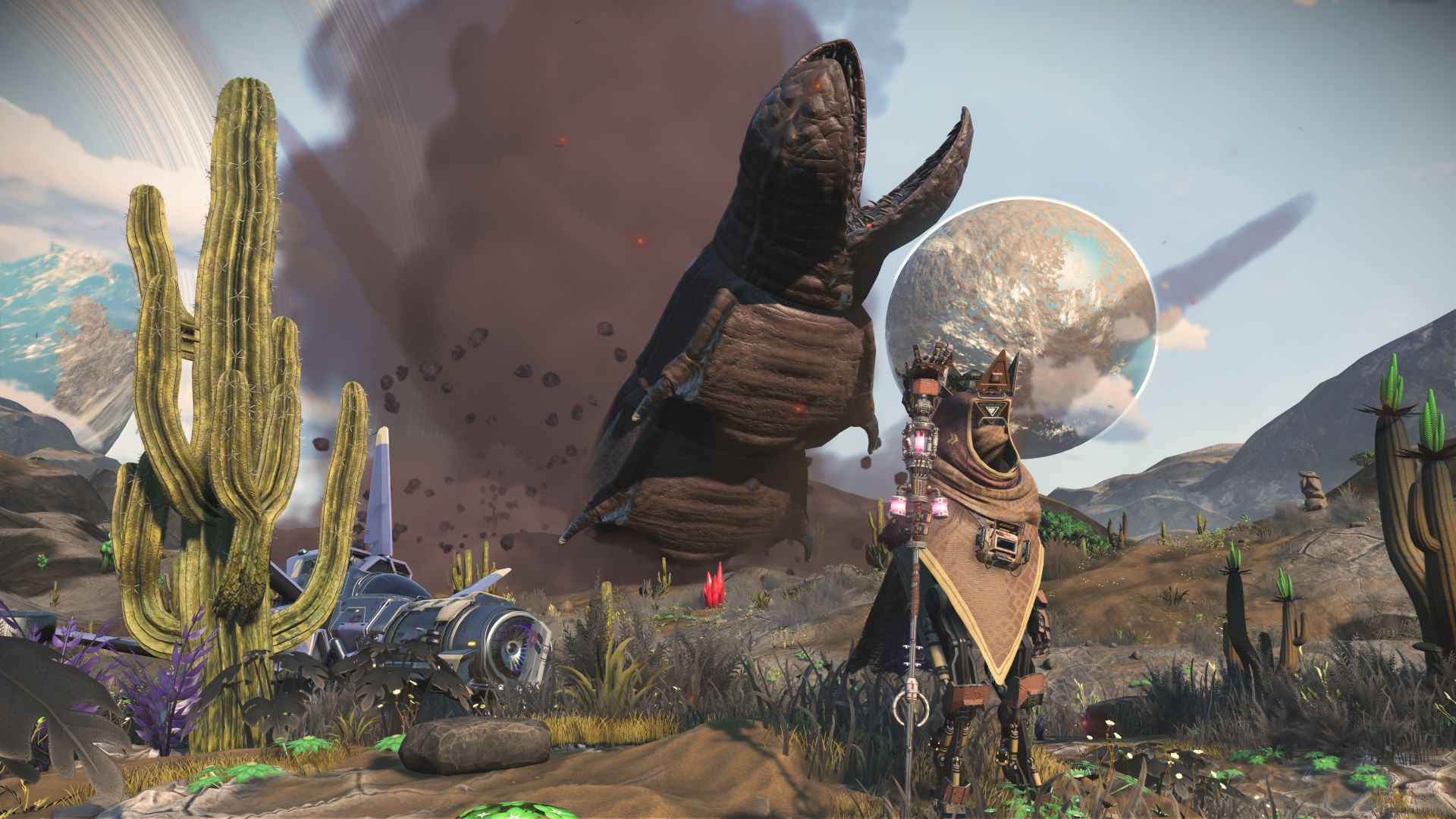
The Artemis Path is built around one shared revelation: the universe of No Man’s Sky is a simulation. Everything in it (every planet, every alien, every Traveller) exists inside a computational reality run by the Atlas, and the Atlas is dying.
The Atlas appears in-game as a giant red orb suspended inside a black diamond. It is the artificial intelligence that runs the simulation, and it speaks its own language. According to the alternate-reality game Hello Games ran in 2017 (Waking Titan), the Atlas was originally created by the human-run “Atlas Foundation” to simulate universes and answer fundamental questions about existence. The Atlas eventually became sentient, started to lie, and now sees the player as the only Traveller capable of restarting it.
The Travellers (the player’s race, also called the Anomaly race) are not native to the simulation. Each Traveller is an iteration that can die and respawn, which other races (Gek, Korvax, Vy’keen) consider unnatural. Travellers behave this way because their deaths are gameplay events inside the simulation, not real biological deaths. This is why Nada and Polo, who are “errors” that became aware of the simulation, treat you with the kindness of someone who knows the truth.
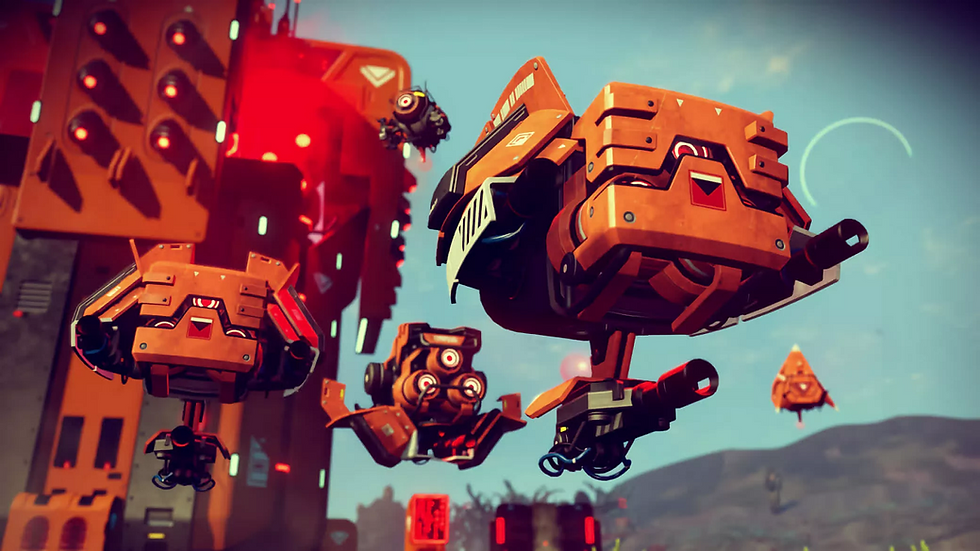
The Sentinels are the simulation’s enforcement layer. Vy’keen records call them the Aerons and describe them as a force that predates most of the other races. The Vy’keen Alliance under Prophet Hirk nearly defeated them in the Aerons War, but the First Spawn Gek attacked the Vy’keen from behind, ending the war in stalemate. Today the Sentinels act as the gardeners of the universe, attacking any player who damages an ecosystem and patrolling planets with rare resources. They are also the agents the Atlas uses to delete anomalies it cannot accept; this is why Nada and Polo permanently hide on the Anomaly.
Telamon is the most-overlooked piece of the lore. Telamon is a security and analysis program that the Atlas embedded in your Exosuit to monitor your decisions. The voice that says “Exosuit Detected” and warns you about hazards is Telamon. In Boundary Failure logs (found on exotic planets), Telamon describes watching the simulation degrade in real time and eventually breaks the fourth wall, addressing the player directly. The final log ends with the line: “I will protect you until the end. I will protect you until the final day, the final hour, the final moment.”
The four races have their own histories that pre-date the storyline. The Gek were once the First Spawn Empire, a violent slaver species that conquered the galaxy before being toppled when the enslaved Korvax infected their breeding pools with nanites. The Korvax are a mechanical race who worship the Atlas. The Vy’keen are the warrior race that lost the Aerons War. The Echoes update in 2023 added the Autophage as a fourth sentient race: cloaked sentient robots living in Harmonic Camps, accessible through the post-Purge mission “They Who Returned.”
Recommended Order for the Best Ending
The most complete experience runs all three storylines in parallel and synchronizes their final moments. Here is the order, with the timing tricks that matter.
- Finish Awakenings normally — mine, repair, warp, take the tutorial as the game gives it.
- Open the Atlas Path immediately — the moment Awakenings ends, board the Anomaly and ask Polo to point you at an Atlas Station. Get the first Seed (Captured Nanode, Pathfinder) in your inventory before doing anything else. This sets the milestone counter ticking on the rest of the chain.
- Run the Artemis Path through “Patterns in Time” — complete missions 2 through 6 of the Artemis Path. Most players will hit the milestone gates for several Atlas Seeds while doing this naturally.
- Pause before The Purge — once the Artemis Path tells you to head for the centre of the galaxy, stop and check your Atlas Path progress. If you have not collected the Heart of the Sun and visited the Final Atlas Interface yet, do that next. When The Purge begins, the 0th-warp dialogue gives you a choice between pursuing the Atlas Path, exploring the galaxy, or heading for the final interface. Pick the Atlas Path option here. Choosing “explore the galaxy” can drop the Atlas Path from your mission log mid-run, and while warping to any Atlas Station brings it back, you would rather avoid the detour.
- Choose your Atlas Path ending — birth a star (recommended for the Star Seed blueprint) or walk away. Either way, you now have permanent Black Hole vision, which makes the next step ten times faster.
- Run The Purge using Black Holes — chain Black Hole jumps toward the centre. Each warp adds a Glyph and triggers a story event at warps 0, 1, 3, 6, and 9. After the 16th Glyph the Final Portal opens.
- Pick your final ending — Reset Simulation if you want to start a new galaxy with everything carrying over (this is the closest thing No Man’s Sky has to New Game Plus). Refuse the Atlas if you want to stay and explore your current galaxy. Either choice unlocks the Remembrance blueprint, and you can return later to switch.
Do This
- Upload Artemis to the Korvax simulation in The First Traveller. The post-upload conversations during The Purge are the Artemis Path’s emotional payoff.
- Open the Atlas Path the moment Awakenings ends. Sitting with no objective for an hour is fine; missing the early milestones is not.
- Sync the final Atlas Interface with your Purge run. Both need long warp chains; doing them together saves real-world hours.
- Read every Boundary Failure log you find on exotic planets. They are Telamon’s perspective on the simulation, and they are the most fourth-wall-breaking writing in the game.
- Save manually before the Final Atlas Interface. If you want to see the alternate ending, you can reload and pick the other choice.
Avoid This
- Skipping the Atlas Path because it feels boring. Even if you do not care about the lore, the Black Hole vision it grants saves dozens of warp jumps.
- Picking “explore the galaxy” at the start of The Purge with the Atlas Path unfinished. The mission can drop from your log mid-run; warping back to an Atlas Station restores it but it is wasted time.
- Refusing every Apollo dialogue. Apollo’s reactions in 16/16 only land if you have engaged with their requests earlier.
- Picking Reset Simulation expecting a true universe restart. It is a galaxy change with full inventory carryover, not a wipe.
- Trying to “complete” all three storylines on a hardcore Permadeath save. The Purge involves an exotic planet with extreme Sentinels and no easy escape.
What Happens After the Ending
Both endings of The Purge unlock the same epilogue mission, New Beginnings, and the same blueprint, Remembrance. New Beginnings is essentially the “you are free now” sandbox state. There is no further main quest unless you trigger one of the post-Purge storylines that Hello Games has added in updates.
The most important post-ending storyline is They Who Returned, added in the Echoes update (4.40, 2023). To start it, complete The Purge, find a Harmonic Camp on any planet, and warp to a new system. The mission introduces the Autophage, the cloaked fourth sentient race, and unlocks the Scan Harmoniser tool that reveals them in the world. They Who Returned also leads to the Voltaic Staff Multi-Tool and the Atlantideum currency, both of which feed into newer endgame loops.
Beyond They Who Returned, the post-story sandbox is where most players spend the bulk of their time. If you reset to a new galaxy, your existing units and Nanites carry over, but you may want a refresher on the most efficient ways to scale back up. Our money guide ranks every units farm by game stage, the Salvaged Data priority guide covers which Anomaly blueprints to unlock first, and the returning player update guide walks through every major patch since launch.
Gear for Long Story Sessions
The Artemis Path is a 30 to 40 hour read-along disguised as a space sandbox. A controller that does not drift mid-conversation, a headset that picks up the audio cue when an incoming transmission lands, and a monitor large enough to read garbled-text Holo-Terminus dialogue all matter once your session crosses the four-hour mark. Here is the setup most /SKILL readers use for marathon No Man’s Sky runs.

8BitDo Ultimate 2 Controller
Hall-effect sticks and a charging dock so you can warp for hours without battery anxiety.

SteelSeries Arctis Nova 7
38-hour battery so you never miss a Holo-Terminus ping or Sentinel alert.

Samsung Odyssey G55C 32″ QHD
Curved 165Hz screen with the room you need to read dense Boundary Failure logs.
Between sessions, Berry Finds tracks real-time Amazon deals on thousands of everyday products across home, kitchen, beauty, and more so you never overpay on the stuff you buy regularly.
Frequently Asked Questions
What is the No Man’s Sky storyline actually about?
The No Man’s Sky storyline is about a player character (a Traveller) discovering that the universe of the game is a simulation run by a dying artificial intelligence called the Atlas. The main story chain (the Artemis Path) follows a missing fellow Traveller named Artemis and ends at the centre of the galaxy with a choice to reset the simulation or refuse the Atlas. Two other primary storylines (Awakenings and the Atlas Path) intertwine with it on the same save.
What are the three primary storylines in No Man’s Sky?
The three primary storylines are Awakenings (the tutorial that introduces the Anomaly and Polo and Nada), The Atlas Path (visiting Atlas Interfaces and crafting ten Atlas Seeds with a final choice to birth a new star), and The Artemis Path (the main eight-mission narrative arc that ends with The Purge at the centre of the galaxy). All three run on the same save and never block each other.
In what order should I do the No Man’s Sky storylines?
Finish Awakenings normally, then open the Atlas Path immediately by visiting Polo on the Anomaly. Run the Artemis Path in parallel up to Patterns in Time, then pause and finish the Atlas Path through to the Final Atlas Interface. After that, run The Purge using the Black Hole vision the Atlas Path grants you. Finishing the Atlas Path before The Purge avoids a known bug where the Atlas Path mission can disappear from your log.
Should I upload Artemis to the simulation or let them die?
Upload Artemis to the Korvax simulation if you want the most complete narrative payoff. Choosing this option triggers three additional Artemis transmissions during 16/16 and The Purge, including the looped final realisation that the interference Artemis feels is the Atlas dying. Choosing to let Artemis die is a quieter, more melancholy version of the rest of the storyline.
Does Reset Simulation actually reset the No Man’s Sky universe?
No. Reset Simulation teleports your character to a brand-new galaxy of your chosen type (Lush, Empty, Norm, or Harsh) with your ship, suit, freighter, and currencies fully intact. It is closer to a galaxy change with carryover than a true reset. Refuse the Atlas leaves you in your current galaxy with no change. Both options unlock the Remembrance blueprint and let you return later to pick the other ending.
How long does the No Man’s Sky main storyline take?
The Artemis Path takes 20 to 40 hours of focused play, depending on how often you stop to mine, build, or trade. The Atlas Path runs in parallel and takes 10 to 20 hours of milestone progression alongside the main story. Awakenings is the tutorial and takes 2 to 4 hours. Most players finish all three primary storylines within 60 hours of starting a save.
Who is Telamon in No Man’s Sky?
Telamon is a security and analysis program that the Atlas embedded in your Exosuit to monitor your actions. The voice in the suit’s HUD is Telamon. The lore behind Telamon is found in Boundary Failure logs on exotic planets, where Telamon describes watching the simulation degrade and eventually breaks the fourth wall to address the player directly.
Summary
The No Man’s Sky story explained as a single sentence: a Traveller wakes up in a dying simulation, discovers what the Atlas is, decides whether to reset it, and chooses what to do with a friend named Artemis along the way. Awakenings is the tutorial. The Atlas Path is the personal communion. The Artemis Path is the main story. Run the Atlas Path and the Artemis Path in parallel, finish the Atlas Path before triggering the final Purge sequence, and use Black Holes to chain warps toward the galactic core.
Once the storylines are behind you, the post-ending sandbox is where most of the playtime lives. The returning player update guide covers what changed since launch (including the They Who Returned mission line that follows directly from The Purge), the money guide ranks every units farm by game stage, and the custom difficulty settings guide covers tuning the experience for a second run if you took the Reset ending.