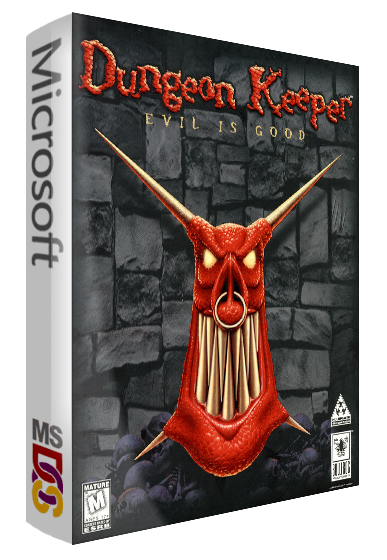
Dungeon Keeper Gold Edition
Nearly 30 years old and nothing has topped it. Dungeon Keeper flipped the script on strategy games by putting you in charge of the evil lair, and its mix of dark humor, indirect creature control, and twisted dungeon building remains one of the most original designs in PC gaming history.
TL;DR
- Bullfrog’s 1997 dungeon management sim puts you in the villain’s seat, building evil lairs and slapping imps while heroes try to shut you down.
- The indirect control system, where creatures act autonomously and you manage them rather than command them, is still unlike anything else in the genre.
- Visuals have aged hard and creature AI can be frustrating, but the narrator, humor, and core design loop carry it.
- Best for retro gaming fans and strategy players who want something genuinely different. Skip if you need modern QoL features.
What Is Dungeon Keeper?
Dungeon Keeper is a dungeon management strategy game developed by Bullfrog Productions and published by Electronic Arts in June 1997. It was one of the final projects from Peter Molyneux before he left EA to found Lionhead Studios, and it remains one of his most celebrated designs.
The premise was simple but bold for its time: instead of playing the hero, you play the villain. You’re a Dungeon Keeper, an underground overlord who carves out rooms, attracts monsters, sets traps, and defends against bands of do-gooder heroes trying to invade your lair. The Gold Edition bundles the base game with The Deeper Dungeons expansion (15 extra single-player levels with tougher AI), the original level editor, and a Direct3D version. The modern re-releases on Steam ($4.99) and GOG ($5.99) run through DOSBox and include the base game plus the expansion.
I replayed the full 20-level campaign and all 15 Deeper Dungeons maps for this review, running through the GOG version on a modern Windows machine. It took roughly 25 hours to clear everything, and I was surprised by how much of it I’d forgotten from 1997.
Gameplay and Core Mechanics
Dungeon Keeper doesn’t play like any other strategy game, and that’s both its greatest strength and the reason nothing has properly replicated it. Most RTS games give you direct control over your units. Click a soldier, tell them where to go, what to attack. Dungeon Keeper throws that out.
Your creatures are autonomous. They feed themselves, sleep when tired, train when they feel like it, and get into fights with each other when they’re unhappy. You can’t select a Warlock and order it to guard a corridor. What you can do is build the right rooms to attract the creatures you want, keep them paid and fed, and use your Hand of Evil to physically pick them up and drop them where they’re needed.
This indirect control creates a management layer that feels more like running a hostile workplace than commanding an army. Your imps dig out rooms on your orders, but everything else is negotiation. Build a Library and Warlocks show up to research spells. Build a Training Room and your creatures level up, but they’ll leave if you stop paying them. Build a Temple and Dark Mistresses arrive because they enjoy the torture. The personality system is genuinely funny, and it gives every dungeon a sense of unpredictable life.
The Hand of Evil and Possession
Your two direct interaction tools are the Hand of Evil and the Possess Creature spell. The Hand lets you pick up and drop creatures, slap them to make them work faster (at the cost of health), and grab gold. The Possess spell switches you into first-person view through any creature’s eyes, letting you walk through your dungeon and fight manually using that creature’s abilities.
Possession is one of those ideas that was ahead of its time in 1997. Jumping into a Bile Demon and waddling through corridors you built yourself, seeing your dungeon from ground level, adds a perspective most god games never offer. It’s clunky by modern standards, but it works well enough to be a real tactical option on harder levels.
Where It Gets Frustrating
The creature AI doesn’t always cooperate. The Call to Arms spell is supposed to rally your minions to a specific area, but creatures frequently ignore it. You’ll set up a defensive position only to watch half your army wander off to eat chicken or take a nap. Later levels with rival Keepers demand precise timing, and the AI can make those fights feel like herding cats through a burning building.
It’s a legitimate design tension. The whole point is that you don’t have direct control, and the chaos is part of the charm. But when you’re losing a critical battle because your Horned Reaper decided to throw a tantrum, “charming” isn’t the word that comes to mind.
Atmosphere and Presentation
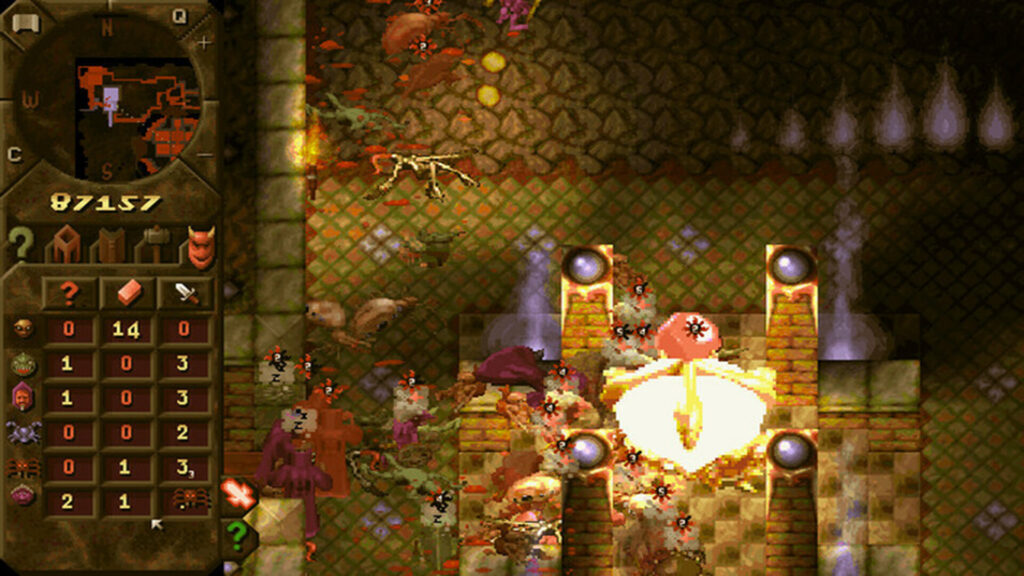
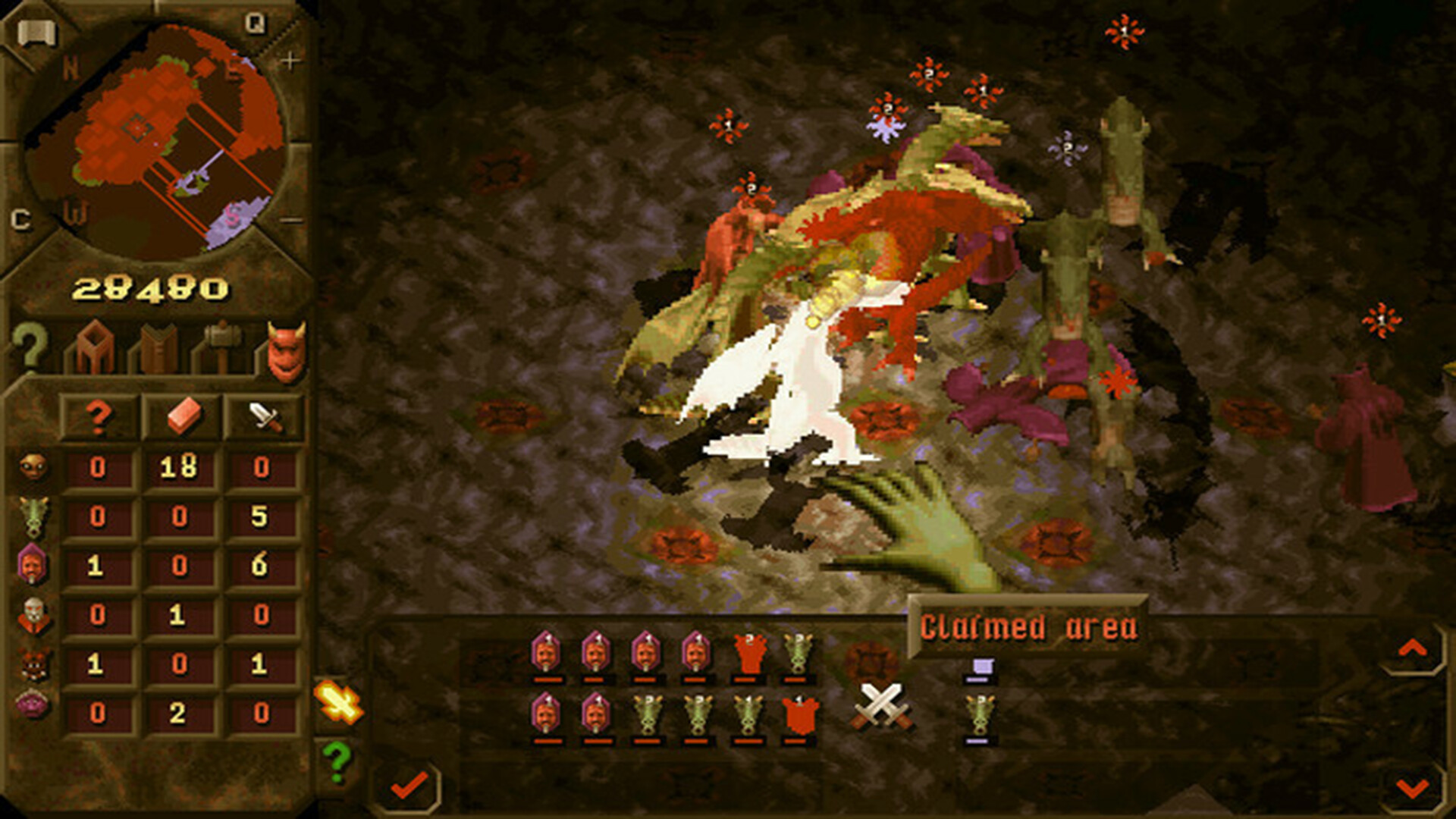
Dungeon Keeper’s visual style is dark, earthy, and functional. Brown stone, red lava, flickering torchlight. It’s not going to impress anyone in 2026, and it wasn’t exactly pushing boundaries in 1997 either. But the art direction does its job: every room is immediately readable, every creature is distinct at a glance, and the dungeon always feels like a living, breathing underground lair.
The Narrator Changes Everything
The real star of Dungeon Keeper’s presentation is the narrator, voiced by Richard Ridings. His deep, sardonic voice delivers level briefings and in-game commentary that turned a good strategy game into a memorable one. “Your dungeon is full of yoghurt” was never an actual line, but it could have been, and that’s the energy. He tells you when payday’s coming, when heroes are invading, and occasionally drops lines dripping with dry menace between levels.
The humor runs through the whole game. Creatures have absurd personalities. The Horned Reaper is essentially an unstoppable killing machine who murders your own minions if he gets bored. Dark Mistresses enjoy being slapped. The game’s loading screens offer fake tips that mock the player. It’s a specific brand of late-90s British dark comedy that most games were too afraid to attempt, and it holds up better than the pixel art.
Sound Design
The ambient audio does serious work. Dripping water echoes through tunnels, creatures growl and mutter as they go about their business, and the low hum of your dungeon heart gives the whole place a pulse. The soundtrack stays out of the way, which is the right call. This is a game about atmosphere, and the sound team understood that silence and environmental noise create more tension than a full orchestral score.
Content and Replayability
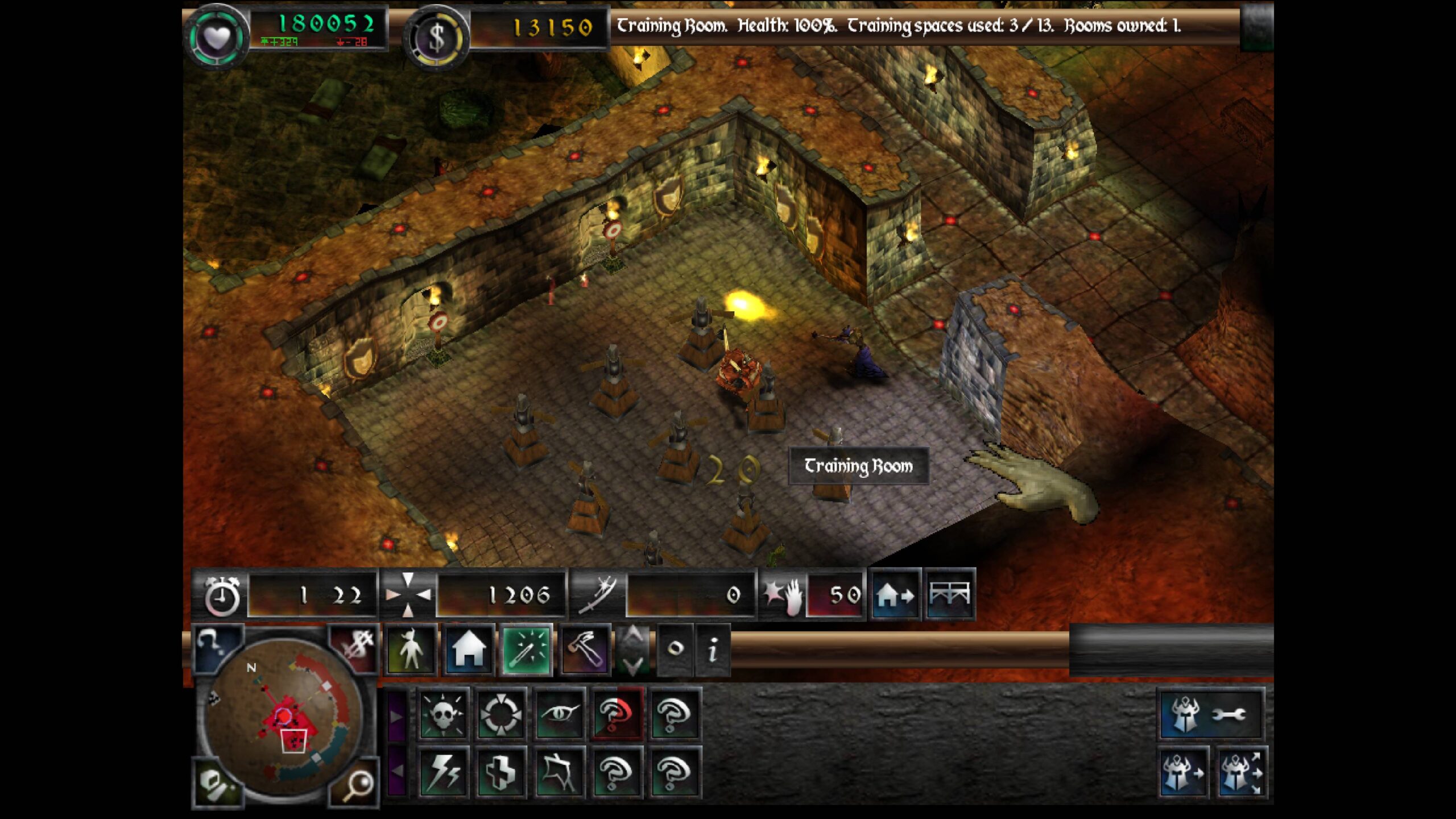
The base campaign runs 20 levels, scaling from simple introductions (dig some rooms, slap some imps) to brutal multi-Keeper wars where you’re fighting rival dungeon lords and waves of heroes simultaneously. The difficulty curve is steep in the back half, and a few levels feel more like puzzles than strategy maps, requiring specific approaches to crack.
The Deeper Dungeons expansion adds 15 more single-player levels and 15 multiplayer maps. The expansion levels are standalone challenges with no connecting narrative, but they feature improved AI that makes enemy Keepers more aggressive and tactical. They’re a solid step up in difficulty if the base campaign starts feeling too predictable.
Multiplayer used IPX networking, which means it’s effectively dead unless you set up third-party solutions. The original CD release also included a level editor, though the Steam and GOG versions don’t ship with it. For modern retro gaming fans, if you’re building a library of classic PC games, check out our picks for the best retro gaming handhelds for portable options (though Dungeon Keeper is a PC-only affair).
Recommended for Strategy Fans
If Dungeon Keeper’s indirect control system clicks with you, a good gaming mouse makes a real difference for the constant creature management. The Hand of Evil demands fast, precise clicks across your dungeon, and later levels punish sluggish input.
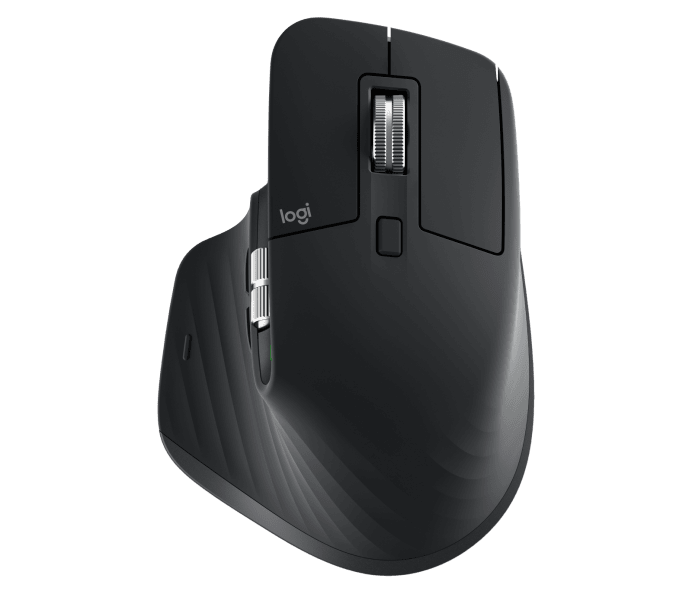
The MX Master 3S is a workhorse for long strategy sessions. The MagSpeed scroll wheel handles fast map panning without breaking a sweat, and the ergonomic shape keeps your hand comfortable during marathon Dungeon Keeper runs. Quiet clicks, USB-C charging, and multi-device switching make it practical for gaming and everyday use alike.
The Mobile Game That Proved the Original’s Genius
In 2014, EA released a free-to-play mobile version of Dungeon Keeper, and the backlash was immediate and fierce. The mobile game replaced the core building loop with pay-to-wait timers. Digging a single tile could take 24 hours unless you spent premium currency. The British Advertising Standards Authority ruled EA’s “free” advertising was misleading. EA’s own mobile chief later admitted they “innovated too much,” which was a corporate way of saying they gutted everything that made the original worth playing.
The mobile disaster matters for a retro review because of what the reaction revealed. The anger went deeper than monetization complaints. The mobile version proved, by negative example, exactly what made the 1997 game special. The original’s design worked because you were always doing something: digging, building, managing creatures, responding to invasions. The mobile version removed that constant engagement and replaced it with waiting, and the whole thing collapsed. It’s the clearest case study in gaming of a remake accidentally validating the original’s design choices.
Frequently Asked Questions
Is Dungeon Keeper worth playing in 2026?
Yes, if you have patience for dated visuals and quirky AI. The core gameplay loop of building and managing an evil dungeon is still unlike anything else in the strategy genre. At $5 on Steam or GOG, the barrier to entry is basically zero.
What’s the difference between Dungeon Keeper and Dungeon Keeper Gold?
Dungeon Keeper Gold bundles the base game with The Deeper Dungeons expansion (15 extra levels, improved AI), a level editor, and a Direct3D version. The Steam and GOG re-releases include the base game and expansion but not the editor or Direct3D version.
Should I play Dungeon Keeper 1 or Dungeon Keeper 2?
Start with Dungeon Keeper 1. It has tighter design, more personality, and the campaign is more focused. DK2 has better graphics and some quality-of-life improvements, but many players consider it a step down in overall design quality.
Does Dungeon Keeper run on modern PCs?
The Steam and GOG versions run through DOSBox emulation and work on modern Windows systems without additional setup. The GOG version is part of their Preservation Program, so compatibility is actively maintained.
Will there ever be a Dungeon Keeper 3?
Almost certainly not. Bullfrog Productions was shut down by EA in 2001, and the mobile game’s negative reception likely killed any corporate interest in the IP. War for the Overworld, made with Molyneux’s blessing, is the closest thing to a sequel fans are likely to get.
What happened with the Dungeon Keeper mobile game?
EA released a free-to-play mobile Dungeon Keeper in 2014 that replaced the core building loop with pay-to-wait timers. It was widely criticized, the British ASA ruled its advertising misleading, and EA later admitted they “misjudged the economy.” The game is generally considered one of the worst examples of mobile monetization in gaming history.
Final Verdict
Dungeon Keeper Gold Edition is nearly 30 years old, and the core design is so strong that the aging can’t kill it. The visuals are rough, the creature AI will test your patience, and you’ll lose battles you should have won because your Horned Reaper decided to go on a murder spree in the training room. But the dungeon building, the creature ecosystem, the dark humor, and that narrator all combine into something that no game has properly replicated since.
If you’ve played games like Chrono Trigger or Dark Cloud and appreciate retro games that broke the mold, Dungeon Keeper belongs on your list. At $5, there’s no reason not to try it. Just don’t be surprised when the imps start ignoring you.
PC Gamer once said Dungeon Keeper has “never been beaten,” and after replaying it in 2026, I think they’re still right. It’s not perfect, but it’s one of a kind.
Final Verdict
Nearly 30 years old, still one of a kind. If you play one classic PC strategy game, make it this one.
This is part of /SKILL’s Retro Review series. Read our Chrono Trigger retro review, our Dark Cloud retro review, or our Resident Evil Revelations retro review for more classics worth revisiting.