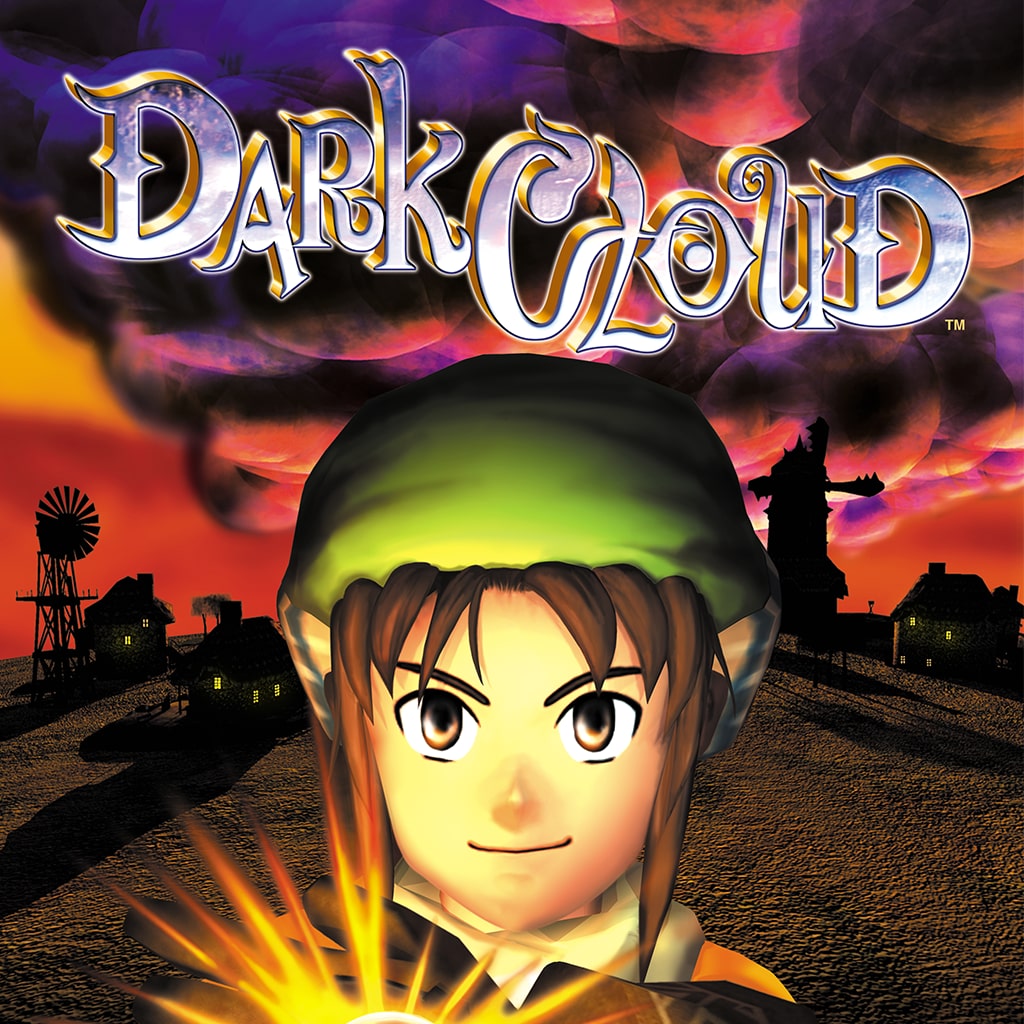
Dark Cloud came out in 2001 and promised to be the PS2’s answer to Zelda. That didn’t happen. What Level-5 actually made was something weirder and more interesting: a dungeon crawler crossed with a city builder, held together by a weapon system that will permanently destroy your favorite sword if you forget to repair it. Twenty-five years later, I replayed it on PS4 to see if the game holds up or if nostalgia has been doing all the heavy lifting. The answer is both.
TL;DR
- Georama (town-building) is still the star. Rebuilding villages from dungeon loot is genuinely satisfying and nothing else plays quite like it
- Weapon upgrading is deep but punishing. One missed repair and your weapon is gone forever
- Dungeons are repetitive. Randomly generated floors blur together after the first few hours
- Story is paper-thin but the atmosphere and Tomohito Nishiura’s soundtrack carry the experience
- Still worth playing if you like action RPGs with creative systems. Available on PS4/PS5 for $14.99
Dark Cloud Review: What Still Works
Georama is still one of a kind
The Georama system is why people still talk about Dark Cloud. You dive into dungeons, collect Atla orbs, and those orbs contain pieces of destroyed villages: buildings, trees, rivers, and the villagers themselves. Then you zoom out to an overhead view and place everything where you want it. Each villager has specific requests about where their house goes and what should be nearby. Satisfy their wishes and you get rewards. Ignore them and you miss out.
It sounds simple, but the loop it creates is addictive. Every dungeon floor is worth clearing because every Atla orb is another piece of your growing town. You’re not just grinding for experience points. You’re rebuilding a community, piece by piece. No game has replicated this exact feeling since. Dark Cloud 2 refined it, but the original nailed the core concept.
The weapon system has real teeth
Characters in Dark Cloud don’t level up. Their weapons do. Every kill feeds experience into your equipped weapon, and you can socket stat-boosting gems into attachment slots. Once a weapon hits a threshold, you can “build up” and evolve it into something stronger, or “spectrumize” it to merge two weapons together.
This system gives every dungeon run a tangible reward. You’re not just watching a number tick up. You’re crafting a custom weapon that reflects your choices. The depth here was ahead of its time for a 2001 console game.
Tomohito Nishiura’s soundtrack
The music carries a lot of weight. Nishiura composed a soundtrack that moves between adventurous overworld themes and quieter, melancholic dungeon tracks. The main theme still hits. The village music is warm and comforting in a way that makes you want to spend time arranging buildings in Georama. If you grew up with this game, the soundtrack is probably what you remember most. If you’re playing for the first time, it’s what will stick with you.
What Hasn’t Aged Well
Weapon durability is brutal
Every weapon has a WHP (Weapon Hit Points) meter that drains as you fight. If it hits zero, the weapon breaks. Forever. Gone. Hours of upgrading, socketing, and evolving, deleted because you weren’t watching a meter. You need to carry Repair Powder at all times and use it constantly. In 2001 this felt tense. In 2026 it mostly feels punishing. There’s no buyback, no undo, no grace period. Just loss.
The thirst meter is busywork
Your character has a thirst gauge that depletes over time in dungeons. When it empties, your health starts draining. The fix is drinking water items or stepping into pools scattered around floors. It adds nothing to strategy or difficulty. It just means you need to carry water and remember to drink it. Your thirst gauge starts at three drops and can be expanded to eight or ten by finding Gourds, but even fully upgraded it’s an annoyance rather than a meaningful survival mechanic.
Dungeons get repetitive fast
Dark Cloud’s dungeons are randomly generated, and it shows. Floors feel samey after the first hour in each area. Enemy variety is thin. The environments change as you move through Norune Village, Matataki Village, Queens, Muska Lacka, and beyond, but the actual room layouts and combat encounters blend together. By the time you reach the Moon Sea and Dark Heaven Castle, the dungeon loop feels more like obligation than exploration.
Compare this to something like Chrono Trigger’s handcrafted environments, and you can feel the difference between procedural filler and intentional design.
Thin characters, thinner story
The story goes like this: the Dark Genie destroys the world, the Fairy King seals everything into Atla orbs, and Toan (your hero) gets a magic stone called the Atlamillia to fix it all. There’s a twist involving a man named Seda and time travel, but the game barely develops it. The six playable characters are more like walking weapon types than actual people. Toan is a silent protagonist with no personality. The rest are defined by their dungeon ability (Xiao jumps gaps, Goro opens doors, Osmond flies) and not much else.
The game doesn’t need a great story to work. Georama and the weapon system carry the experience. But if you’re coming from modern RPGs expecting narrative depth, calibrate those expectations down.
The 6 Characters, Ranked
Dark Cloud gives you six playable characters, split evenly between melee and ranged fighters. Each one has a unique dungeon ability that gates progression. Here’s how they stack up:
- Toan (Swords) — Your main. Versatile, fast attacks, solid weapon tree. You’ll use him the most by default and he never feels like a weak link.
- Xiao (Slingshots) — Ranged attacks from safety, and her ability to jump gaps makes her essential for dungeon navigation. Fun to use once you upgrade her accuracy.
- Ruby (Magic Rings) — Ranged magic damage that melts grouped enemies. Fragile, but her elemental coverage makes her great for specific floors.
- Ungaga (Spears) — Hits hard with good reach. His wind ability clears smoke barriers. Solid melee alternative to Toan when you need something different.
- Osmond (Guns) — The only character who can fly across large gaps. His damage is fine but his animations are slow and clunky.
- Goro (Hammers) — Big damage, painfully slow. His door-opening ability is mandatory in some dungeons, but actually fighting with him feels like wading through mud.
You’ll spend 70% of your time as Toan, swapping to others when their dungeon ability is required. That’s the honest rhythm of the game.
How to Play Dark Cloud Today
You have two options:
- PS4/PS5 (PS Store, $14.99) — The PS2 Classics port from 2015. Upscaled to 1080p, adds trophy support, Share Play, and Remote Play. This is the easiest and cheapest way to play. Works on PS5 through backwards compatibility.
- Original PS2 disc — If you collect retro games, PS2 copies are common and cheap. Check our video game console collecting guide for tips on sourcing retro games.
If you’re going the PS2 route, copies are easy to find:
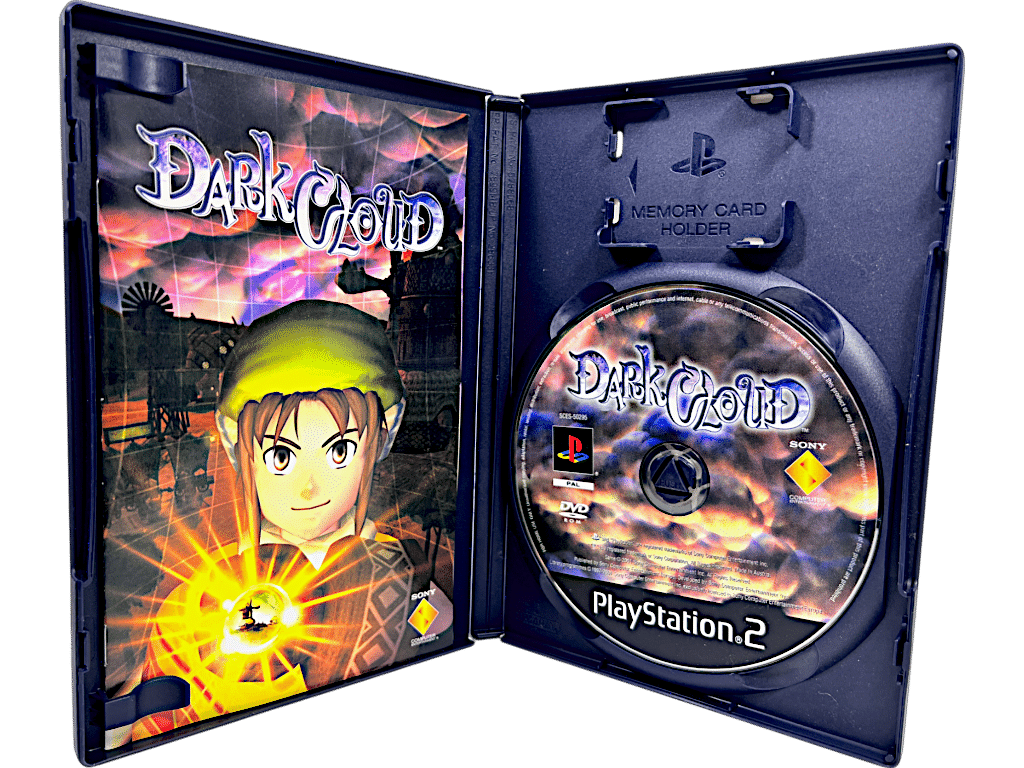
Dark Cloud PS2 copies are some of the easiest retro finds out there. Loose discs go for $10-15, complete in box runs $20-30. Check sold listings for real prices, not asking prices. If you already have a PS2 collecting setup, this is a no-brainer pickup.
If you finish Dark Cloud and want more, Dark Cloud 2 (also on PS Store) improves on almost every system. Better dungeons, better story, and the Georama gets even deeper. Most fans consider the sequel the better game, but the original is worth experiencing first to appreciate how far Level-5 pushed the concept.
Level Up Your Setup
If you’re playing the PS4/PS5 port, you’ll want a controller that feels good for long dungeon sessions. Dark Cloud’s combat is simple but constant, and a comfortable controller makes the grind smoother.
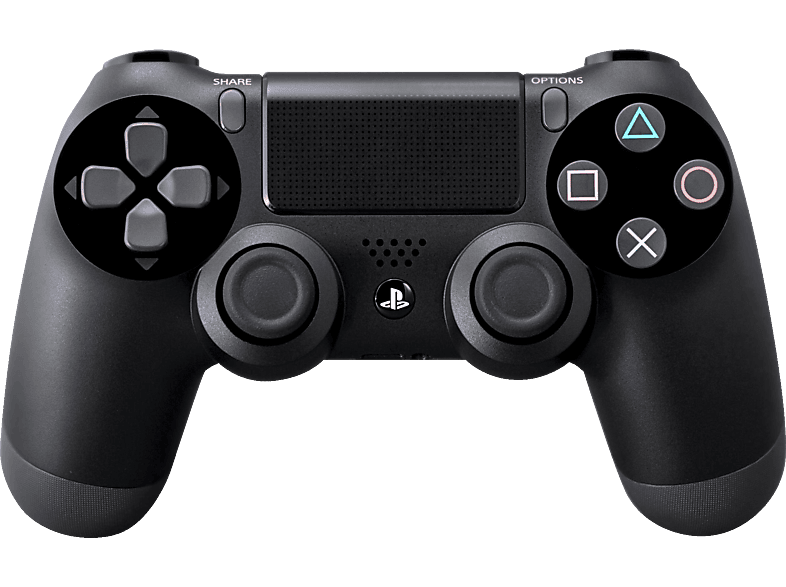
The DualShock 4 is still the most comfortable way to play PS2 Classics on PS4. The analog sticks and triggers feel right for action RPGs, and the touchpad gives you quick menu access. If your old one is wearing out or you need a spare for long sessions, a fresh DualShock 4 makes a real difference.
Frequently Asked Questions
Is Dark Cloud worth playing in 2026?
Yes, with caveats. The Georama town-building system is still unique and satisfying, and the weapon upgrading gives dungeons a meaningful reward loop. But the randomly generated dungeons get repetitive, the story is thin, and weapon durability can feel punishing by modern standards. If you like action RPGs with creative mechanics, it’s worth the $14.99 on PS Store.
Is Dark Cloud an open world game?
No. Dark Cloud is a dungeon crawler with separate town areas. You enter procedurally generated dungeon floors, fight enemies, collect loot, and return to the overworld to rebuild villages using the Georama system. It’s linear progression through themed areas, not open world.
Is Dark Cloud 2 better than Dark Cloud 1?
Most fans and critics say yes. Dark Cloud 2 improved the dungeon design, added a real story with developed characters, expanded the Georama system, and introduced a weapon crafting system called Inventing. The original is still worth playing, but the sequel is considered the stronger game.
Can you play Dark Cloud on PS5?
Yes. The PS4 PS2 Classics version of Dark Cloud ($14.99 on PS Store) works on PS5 through backwards compatibility. It runs at 1080p and includes trophy support. Some PS4-specific features may not be available on PS5.
What happens if your weapon breaks in Dark Cloud?
It’s gone forever. If a weapon’s WHP meter hits zero, the weapon is permanently destroyed along with all upgrades and socketed gems. You need to use Repair Powder before it breaks. There’s no way to recover a broken weapon, so always carry repair items and watch the meter.
Summary
Dark Cloud is a flawed game with a brilliant core idea. The Georama system alone makes it worth experiencing. Rebuilding villages from dungeon loot, placing buildings to satisfy villagers, watching your town grow from rubble to a living community: nothing else on PS2 did this, and barely anything has done it since. The weapon upgrading adds genuine depth to the dungeon grind, and Nishiura’s soundtrack ties the whole thing together with warmth and personality.
But the randomly generated dungeons wear thin, the characters are forgettable, the story barely exists, and the weapon durability system will test your patience more than the actual bosses do. This was Level-5’s first game, and it shows in the rough edges. They fixed nearly everything in Dark Cloud 2, which remains one of the best PS2 RPGs ever made.
If you’re into retro JRPGs, play it. Just carry Repair Powder.
This is part of /SKILL’s Retro Review series. Read our Chrono Trigger retro review, our Dungeon Keeper retro review, or our Resident Evil Revelations retro review for more classics worth revisiting.
A flawed PS2 classic carried by its one-of-a-kind Georama system. Worth playing for retro RPG fans who can tolerate rough edges.
Find on eBay →