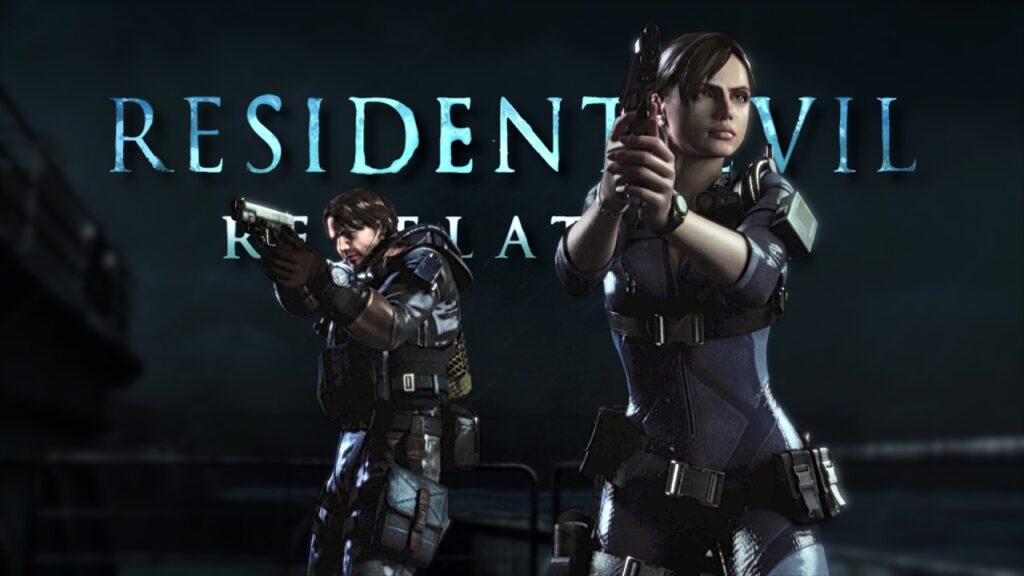
Resident Evil: Revelations
A 3DS survival horror game that had no business being this good. While RE6 was busy exploding everything in sight, Revelations quietly proved Capcom could still do atmosphere, tension, and proper horror design. The Queen Zenobia is one of the series’ best settings, and Raid Mode alone justifies the $5 asking price.
TL;DR
- Originally a 3DS exclusive from 2012, Revelations was later ported to every major platform. It’s set between RE4 and RE5 on an abandoned cruise ship crawling with mutated creatures.
- The gameplay blends old-school survival horror pacing with RE4/RE5-style over-the-shoulder shooting. Limited ammo, tight corridors, and a Genesis scanner that rewards exploration.
- Raid Mode is the real draw for replay value. 60+ stages across three difficulty tiers, 20+ characters, weapon customization with 100+ parts, and co-op support.
- Best for RE fans and survival horror players who don’t mind dated visuals. Skip if you need enemy variety or a story that makes sense.
What Is Resident Evil: Revelations?
Resident Evil: Revelations is a survival horror game developed and published by Capcom, originally released for the Nintendo 3DS in February 2012. It launched the same year as Resident Evil 6, which matters a lot more in hindsight than it did at the time.
Set between the events of RE4 and RE5, the story follows BSAA agents Jill Valentine and Parker Luciani investigating the disappearance of Chris Redfield aboard the Queen Zenobia, an abandoned luxury cruise liner. A bioterrorist group called Veltro has unleashed the t-Abyss virus, turning the ship’s passengers into shambling aquatic mutants called Ooze. The plot jumps between multiple character pairs across different timelines and locations, delivered in an episodic TV-style format with “previously on” recaps.
The HD remaster hit PS3, Xbox 360, Wii U, and PC in 2013, then PS4, Xbox One, and Nintendo Switch in 2017. The PC version on Steam runs $4.99 at full price and is Steam Deck verified. Physical copies for 3DS and consoles are easy to find for under $15.
Gameplay and Combat
Revelations plays like a hybrid of classic and modern RE. You get the over-the-shoulder shooting from RE4 and RE5, but the pacing and resource management pull from the PS1 era. Ammo is limited enough to matter without being punishing, and the game hands you just enough supplies to survive if you’re careful about headshots.
The biggest addition is the Genesis scanner, a first-person scanning tool that lets you analyze enemies and hidden items in the environment. Scan enough enemies (filling a percentage bar to 100%) and you’re rewarded with a green herb. It’s a smart risk/reward loop: do you stop mid-combat to scan a new enemy type for health recovery later, or do you save bullets and push forward? The scanner also picks up hidden ammo and items tucked into corners that you’d otherwise miss entirely.
Where the Combat Falls Short
The enemy variety is the biggest problem. You’ll spend most of the campaign fighting Ooze. They’re pale, shambling humanoids that lumber toward you through corridors. There are a few variants (Pincer Ooze with blade arms, Tricorne with ranged attacks, the bloated Chunk), but the core enemy design stays the same. By the campaign’s midpoint, encounters start feeling repetitive. A few mid-tier bosses like the Scagdead (a grotesque chainsaw-wielding mutant) break up the monotony, but they’re spread too thin.
The 3DS origins show in the controls, too. The HD remaster added dual-stick aiming, but the movement still feels slightly stiff compared to RE4’s remake or even RE5. You can move and shoot simultaneously (a first for the series at the time), but the enemies were designed around that mobility, moving erratically to compensate. It works, mostly. Some players call the gunplay “spongy,” and they’re not wrong on higher difficulties where Ooze absorb more hits than feels reasonable.
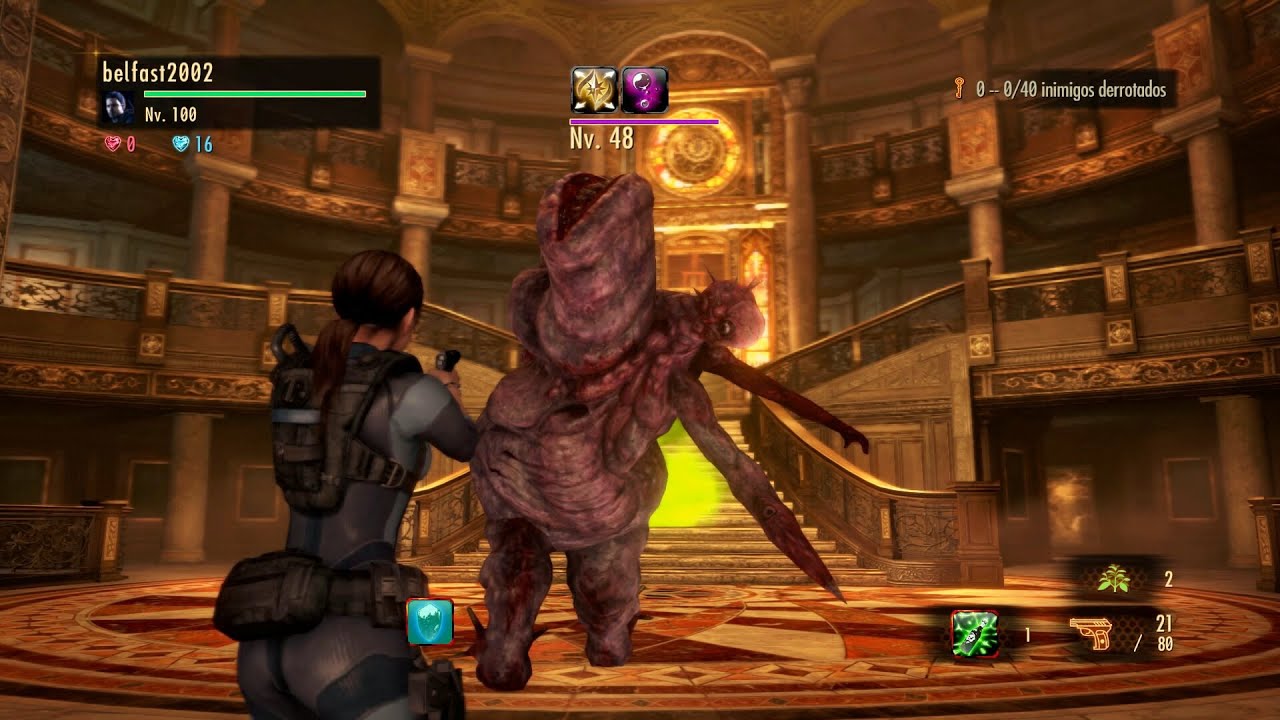
The Queen Zenobia
The Queen Zenobia is the best thing about Revelations. An abandoned luxury cruise ship, half-flooded and drifting in the Mediterranean, it’s a setting that plays to every strength survival horror has. Narrow corridors that force close encounters. Waterlogged lower decks where enemies surface from below. Grand ballrooms and dining halls that feel wrong when they’re empty and dark. The ship’s layout loops back on itself in a way that recalls the Spencer Mansion from RE1. You unlock shortcuts, find keys for previously locked doors, and slowly map out a space that felt massive at first but becomes familiar as you push deeper.
Sound Design Carries the Atmosphere
Multiple reviewers singled out the sound design as Revelations’ strongest feature, and they’re right. The ship groans and creaks around you constantly. Water drips from overhead pipes. Ooze make wet, squelching sounds as they drag themselves through corridors. The soundtrack stays minimal, favoring low drones and ambient tension over action music, which lets the environmental audio do the heavy lifting. Headphones make a measurable difference here. The spatial audio sells the illusion of being trapped on a dark ship in ways the 2013-era visuals can’t.
The episodic structure works against the setting, though. Every few chapters, the game yanks you off the ship to play as Chris and Jessica in a snowy mountain base, or as two BSAA agents in a completely different location. These segments are pure action with no tension, no exploration, just shooting. They exist to advance the plot, but they break the Queen Zenobia’s atmosphere every time. The best parts of Revelations are all on that ship, and the game keeps pulling you away from it.
Raid Mode: The Real Endgame
Raid Mode is where Revelations earns its replay value. It takes sections from the campaign and remixes them into standalone combat stages with randomized enemy layouts, level-scaled difficulty, and a full loot/progression system that the campaign never touches.
The structure: 20 stages across three difficulty tiers (Chasm, Trench, Abyss), plus a brutal Ghost Ship endgame tier. Your character levels up to 50, with experience shared across all 20+ playable characters. Weapons drop from cases at the end of stages, and you can customize them with over 100 custom parts: damage boosts, fire rate mods, critical hit chances, charge shot multipliers. The parts system has real depth. A Muramasa sniper rifle with 100% critical chance and triple critical damage is a different beast than a stock shotgun you picked up in Chasm.
Enemies get randomized modifiers too. Berserker enemies are bigger, slower, and hit harder. Rogue enemies are smaller, faster, and appear behind you. Wanted enemies show up after specific kill thresholds with unique names and enhanced stats, dropping exclusive parts on death. The Trinity bonus system rewards you for clearing stages at or below the recommended level, killing every enemy, and taking no damage. Hit all three at once for a significant BP (currency) multiplier.
Co-op works online and locally. Some weapon parts (Medical Kit, Aura of Strength, Cloak) only activate in co-op, which gives multiplayer runs a distinct feel from solo progression. The mode was ahead of its time in 2012, the kind of session-based, loot-driven endgame loop that extraction shooters would popularize years later.
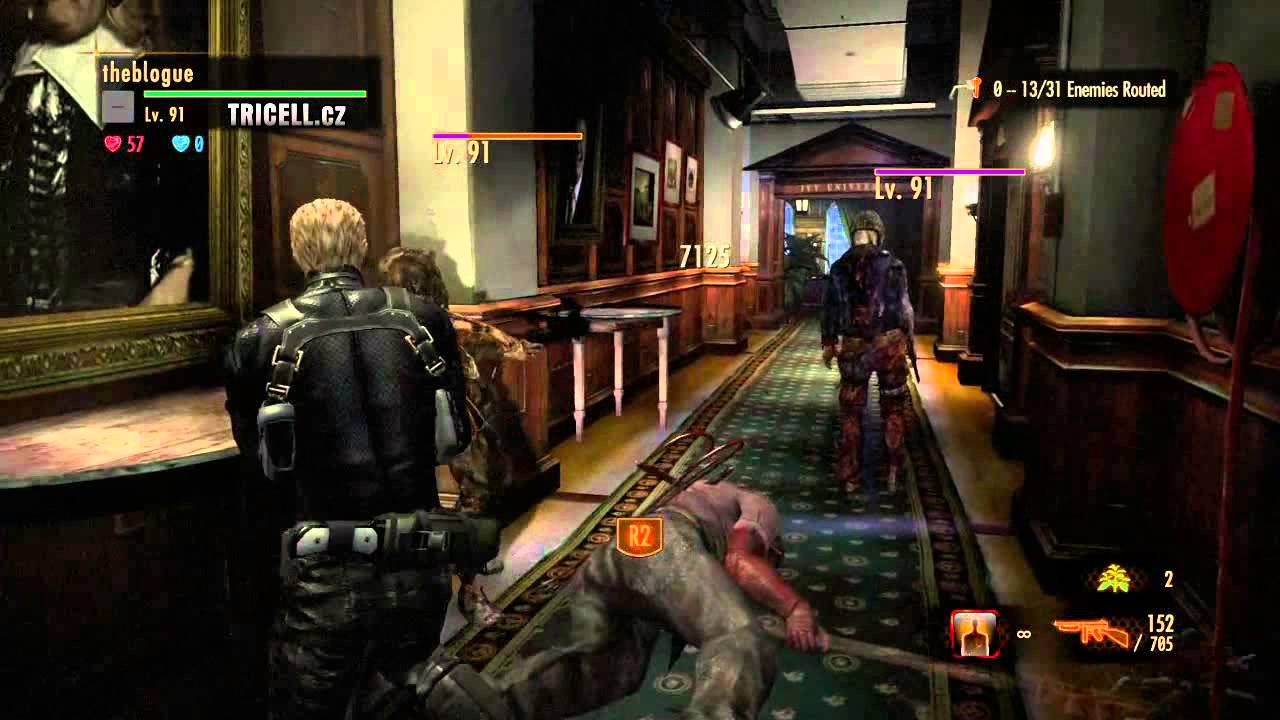
Recommended for Horror Fans
Revelations’ sound design is its biggest strength, and a good pair of headphones is the difference between playing a horror game and actually being in one. The Queen Zenobia’s ambient audio (groaning metal, dripping water, wet footsteps behind you) needs spatial audio to land properly.
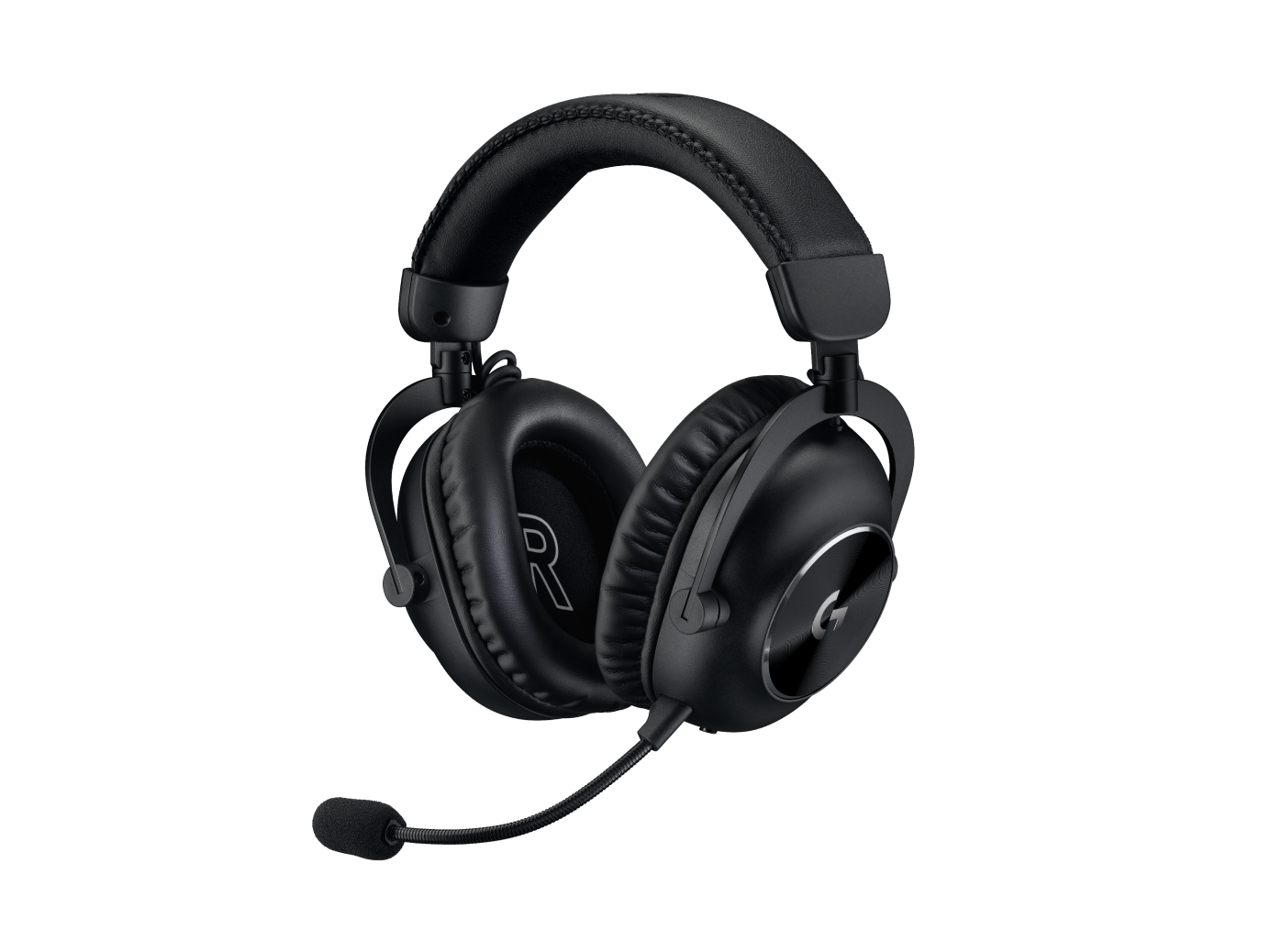
The G PRO X 2 uses 50mm graphene drivers that handle low-frequency horror audio without muddying the detail. You’ll hear the directional cues: an Ooze dragging itself through a corridor behind you, water rushing through a flooded deck below. DTS Headphone:X 2.0 virtual surround puts those sounds in 3D space. At 50 hours of battery life on wireless, you won’t lose immersion to a charging cable mid-session.
The RE6 Problem
Revelations came out in 2012. Resident Evil 6 came out in 2012. That timing is the most important thing about Revelations’ legacy.
RE6 went all-in on action: car chases, helicopter fights, explosions, quick-time events. Critics were mixed, and fans were vocal about the series losing its identity. Meanwhile, a 3DS game made by a smaller team on a fraction of the budget was doing exactly what fans had been asking for: limited ammo, claustrophobic environments, genuine tension, and a setting that rewarded exploration over spectacle.
The contrast wasn’t lost on Capcom. Revelations sold over 2 million copies across its HD ports, and more importantly, the player response told a clear story: people wanted survival horror back. You can draw a direct line from Revelations’ reception to Capcom’s decision to take RE7 in a radically different direction: first person, isolated setting, back-to-basics horror. Then Village. Then the remakes. Then Resident Evil Requiem, which is bringing the series back to Raccoon City with a horror-first approach.
Revelations didn’t single-handedly save the franchise. But it proved, at the exact moment Capcom needed proof, that there was still a massive audience for survival horror. A 3DS game with a fraction of the budget and none of the hype outsold expectations and told Capcom everything they needed to hear.
Frequently Asked Questions
Is Resident Evil Revelations worth playing in 2026?
Yes, especially at $5 on Steam or under $15 for physical copies. The Queen Zenobia sections hold up well, the sound design is excellent with headphones, and Raid Mode adds dozens of hours of endgame content. The visuals are dated and enemy variety is thin, but the core horror loop is solid.
What order should I play Resident Evil Revelations?
Revelations is set between RE4 and RE5 chronologically, but you don’t need to have played either to follow the story. If you’re doing a full series playthrough, slot it between RE4 and RE5. If you’re picking it up standalone, it works fine on its own since the plot is self-contained enough despite its connections to the broader RE timeline.
Is Resident Evil Revelations scary?
The Queen Zenobia sections create real tension through tight corridors, limited ammo, and strong environmental audio. It’s not as outright terrifying as RE7 or the RE2 remake, but it’s significantly more atmospheric than RE5 or RE6. Play with headphones in a dark room for best results.
Does Resident Evil Revelations run on Steam Deck?
Yes. The Steam version is Deck Verified by Valve, meaning it runs without any additional configuration. The game’s relatively modest system requirements (it was originally a 3DS game) mean it runs smoothly on the Deck’s hardware.
Is Revelations 2 better than Revelations 1?
Most players say yes. Revelations 2 has better enemy variety, a more focused story with Claire Redfield and Barry Burton, improved Raid Mode with deeper progression, and a co-op campaign that works locally. REV1 has the stronger setting (Queen Zenobia vs a prison island), but REV2 is the more polished game overall.
Final Verdict
Resident Evil: Revelations is a game that mattered more than it had any right to. A handheld spinoff that shipped alongside a numbered sequel shouldn’t have been the one that reminded Capcom what Resident Evil was supposed to feel like. But here we are. The Queen Zenobia is a great survival horror setting, the sound design punches well above the game’s weight class, and Raid Mode is a surprisingly deep endgame that most 2012 full-price console games would’ve killed to have.
The downsides are real. Enemy variety runs thin by the campaign’s second half. The off-ship chapters break the pacing. The story is classic RE nonsense, entertaining in its absurdity but not something you’ll remember a week later. And the 3DS DNA shows in the controls and visual fidelity, even in the HD remaster.
But at $5 on Steam? It’s an easy recommendation for RE fans and survival horror players who want something that sits between the classic tank-control era and the modern first-person reboot. If you’re working through the series before Resident Evil Requiem, Revelations is worth the detour. Just bring headphones.
This is part of /SKILL’s Retro Review series. Read our Chrono Trigger retro review or our Dungeon Keeper retro review for more classics worth revisiting.
Final Verdict
The 3DS game that reminded Capcom what Resident Evil was supposed to be. Bring headphones.