
Wuchang: Fallen Feathers throws you into a dark fantasy Ming Dynasty China with little explanation and a lot to learn. With its unique Madness system, deep combat mechanics, and challenging boss fights, this soulslike can overwhelm newcomers. If you’re coming from Nioh 3 or Elden Ring Nightreign, the pacing here is slower and more defensive. After spending significant time mastering its systems, here are the essential tips that will help you survive.
TL;DR
- Master the Madness system: It builds when you kill humans and when you die. Understand the risk/reward tradeoff
- Resting at shrines does NOT respawn enemies: Only fast traveling does, so use shrines freely
- Temper your weapons: After defeating the first boss, tempering adds significant damage and effects
- Explore the full Impetus Repository: Unlock base nodes to reveal hidden upgrades and flask improvements
- Cancel recovery animations: Dodge or block out of attack recovery frames to maintain momentum
- Listen for the Goldwing bird: Find and hit it for Aurum Feathers that boost stats temporarily
- No pause in this game: Make sure you are in a safe spot before stepping away
Understanding Core Mechanics
The Madness System
Madness is Wuchang’s signature mechanic and understanding it is key to survival. Your Madness level increases when you kill human enemies and when you die. The silhouette of Wuchang in the bottom left corner fills with red as Madness builds.
At 50% Madness, your eyes turn red and Madness-related skill nodes activate. You also lose more Red Mercury (currency) when dying. At 90%+, you deal and take more damage, and gain extra Red Mercury from kills. At 100% Madness, you lose ALL your Red Mercury on death and will face your Inner Demon.
The Inner Demon appears after dying at max Madness and challenges you to a duel. Defeat her to reset your Madness and recover your lost Red Mercury. Lose, and that currency is gone forever. Here’s a pro tip: the Inner Demon attacks other enemies too. Lure her toward hostile mobs and let them fight each other.

Combat Fundamentals
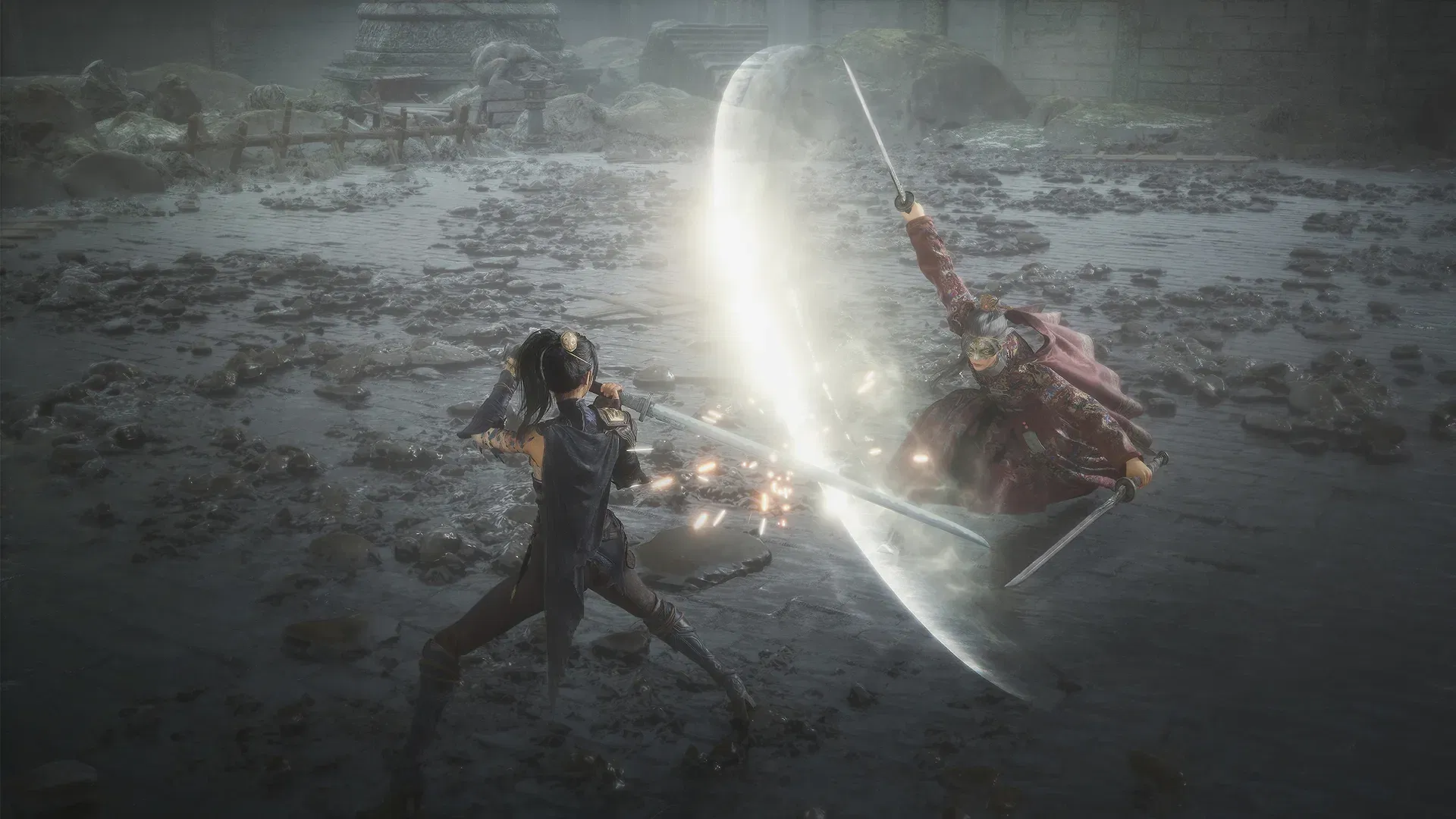
Combat in Wuchang is slower and more defensive than many soulslikes. Punish windows are small, so focus on landing a few hits rather than committing to full combos. Your key defensive options are dodging, blocking (weapon-dependent), and deflecting.
Perfect dodges, called Shimmers, award Skyborn Might, the resource for casting spells. This makes mastering dodge timing doubly important. Unlike some games, you cannot cancel attack startup or active frames, so commit only when safe.
Weapon Types
You start with a Longsword, but will soon find Axes, Dual Blades, Spears, and One-Handed Swords. Each has unique movesets and skill trees. You can equip two weapons and swap between them. Pay attention to Control Attributes (scaling from I to VI) to understand how your stats affect damage.
Early Game Strategy
1. Invest in Utility First
In the Impetus Repository (skill tree), prioritize the utility tree before weapon-specific branches. This gives you flask upgrades, tempering improvements, and general combat bonuses that benefit any build. You can reset nodes freely at any shrine.
2. Unlock Every Base Branch
Even if you don’t plan to specialize in a weapon type, unlock the first node of each branch. This reveals additional skills and attribute nodes you might miss otherwise, including Manna Vase (health flask) capacity upgrades.
3. Find the Divine Gift Early
Near the entrance to the Shu Sanctum, there’s a statue. Perform the Worship emote in front of it to receive a Divine Gift. These items let you cleanse Madness at any Shu Statue throughout the world. Essential for managing your risk level.
4. Hunt Elite Enemies
Enemies with glowing red eyes are Elites. They drop Red Feathers needed for Weapon Mastery upgrades in the Impetus Repository. Also watch for Jar Demons (pot mimics) that drop these materials.
Essential Tips
1. Shrines Don’t Reset Enemies
Unlike most soulslikes, resting at a shrine does NOT respawn nearby enemies or restore your health automatically. Only fast traveling counts as “Entering The Dream” and resets the area. Use this to level up safely without undoing your progress clearing an area.
2. Temper Your Weapon After the First Boss
Defeating Man-eating Dhutanga unlocks weapon tempering. Visit a shrine and set Bone Needles in the Temperance menu to determine your buff effects (fire, ice, lightning, poise break, etc.). Then use the Temperance consumable to activate it once per rest. This is one of the most powerful combat boosts available.
3. Use Throwing Knives to Maintain Stagger
The stagger meter depletes when you stop attacking. If an enemy retreats or you need to reposition, throw knives or cast spells to keep the meter from resetting. A full meter triggers a stagger state for massive damage.
4. Cancel Recovery Animations
While you can’t cancel attack startups, you CAN cancel recovery animations with a dodge or block (if you have stamina). Don’t wait for animations to finish. Input your next defensive action immediately after your strike lands.
5. Learn the Quick Inventory
Hold the Item or Spell button to see a quick menu. The slots map to your controller’s face buttons. Master this muscle memory early so you can swap items and spells mid-combat without fumbling through menus.
6. Stack Benediction Set Effects
Benedictions are small buffs slotted onto weapons. Some have set icons in the corner. Stack three matching set effects on one weapon to activate a bonus, like Momentum (kills increase damage until you take a hit).
7. Watch for Invisible Paths
Divination Crescents are throwable items that mark paths. If you see one placed in the world, it’s pointing to an invisible walkway. There’s one near Shu Sanctum that leads to hidden treasure.
8. Armor Has No Weight
Unlike many soulslikes, armor doesn’t affect your mobility. Equip whatever has the best resistances for your current area or boss. Even better, you can apply any armor’s appearance to your current set via Alter Equipment if you care about fashion. For more soulslike builds and progression strategies, check our Nioh 3 builds guide.
Common Mistakes to Avoid
- Ignoring Madness management: Don’t let it hit 100% unless you’re confident fighting your Inner Demon. Donate to Shu Statues regularly.
- Committing to full combos: The small punish windows mean overextending gets you killed. Land 2-3 hits, then dodge.
- Forgetting to temper before bosses: The damage boost from Temperance is massive. Always activate it before tough fights.
- Skipping the Impetus Repository exploration: Hidden nodes contain flask upgrades and powerful passives. Open every branch.
- Pausing during fights: The game doesn’t pause when you open menus. You’ll get hit and ejected from the menu mid-fight.
Recommended Gear
Soulslikes live and die by controller feel. Precise dodging, parrying, and combo timing need responsive inputs. A controller like the DualSense Edge with low latency and remappable back buttons makes those tight punish windows more forgiving. Pair it with a Logitech G PRO X 2 headset so you can hear enemy wind-ups before the visual tells reach you.

Remappable back buttons let you dodge without taking your thumb off the right stick. Adjustable trigger dead zones also help with quick spell casting through the Skyborn Might system.

Clear audio makes a real difference in soulslikes. Hearing enemy wind-up sounds and environmental cues helps you react to attacks before the visual tells reach you.
Frequently Asked Questions
How do I reduce Madness?
Kill enemies afflicted by the Feathering disease (they reduce Madness), defeat your Inner Demon after dying at max Madness, or donate items (Divine Gifts, Divine Gift Shards, Trinity Bells) to Shu Statues.
What happens if I die at max Madness?
You lose all your Red Mercury immediately, and your Inner Demon will spawn to challenge you at your death location. Beat her to get your currency back and reset Madness. Lose to her, and the Red Mercury is gone for good.
Should I play with high or low Madness?
Low Madness is safer. You don’t lose all your currency on death and can recover it. High Madness is a damage boost but riskier. Some skill builds lean into high Madness buffs intentionally. Choose based on your playstyle and confidence.
Which weapon should I use?
All weapons are viable. Longswords are balanced, Dual Blades are aggressive, Spears give range, and Axes hit hard but slow. Try each and check their scaling attributes against your stat investment.
Can I respec my skill points?
Yes. You can reset any node in the Impetus Repository at any shrine with no penalty. You can also reset your entire tree at once by resetting the center node.
Summary
Wuchang: Fallen Feathers rewards patient, defensive play and smart management of its unique Madness system. Focus on utility upgrades early, temper your weapon before every boss, and don’t be afraid to let your Madness build when you’re feeling confident. With these tips, you’ll be conquering the Feathering curse in no time.
For a soulslike that removes stamina entirely and ties defense to Seals, see our Mortal Shell 2 combat guide.