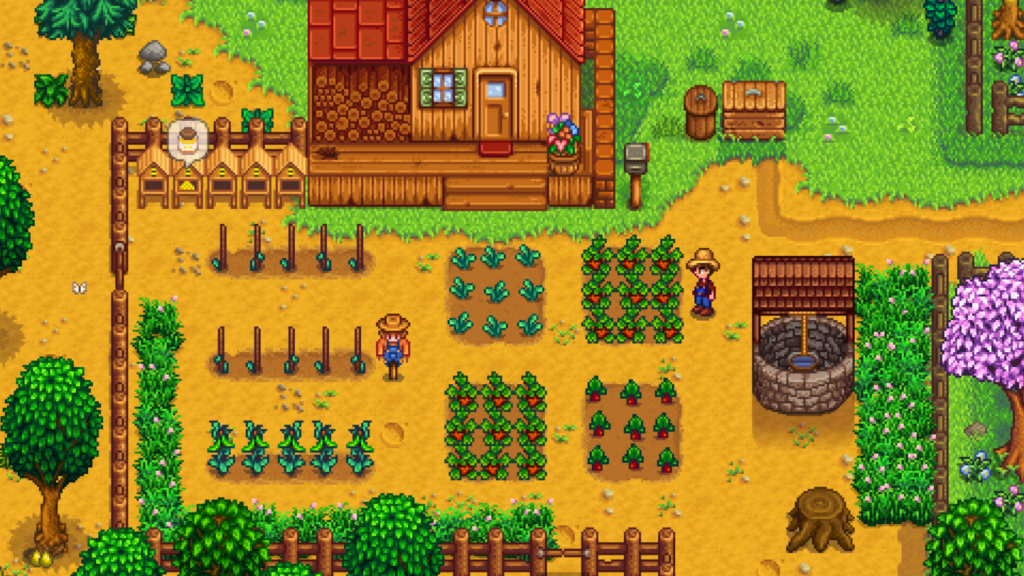
TL;DR
- Six free major updates have transformed Stardew Valley since 2016, adding co-op multiplayer, an entire island region, a mastery endgame, and seven farm layouts
- Version 1.6 (March 2024) was the biggest update yet with 8-player co-op, the Meadowlands farm, new crops, books, trinkets, and hundreds of quality-of-life fixes
- Version 1.7 is in development with confirmed features including Clint and Sandy as marriage candidates, a new farm map, and a children overhaul
Stardew Valley launched in February 2016 as a solo project from developer Eric “ConcernedApe” Barone. Ten years and six major updates later, the game barely resembles that original release. Every update has been completely free, each one adding entire systems, areas, and hundreds of quality-of-life improvements. If you played at launch and haven’t checked in since, or if you’re coming back after a long break, this is the one guide you need. Here’s a full breakdown of all Stardew Valley updates from 1.1 through 1.6, plus everything confirmed for the upcoming 1.7.
We’ve done similar returning-player guides for No Man’s Sky and Fallout 4, and Stardew Valley might have the most impressive update history of them all.
A note on version 1.2: This update (October 2016) was strictly a localization patch, adding translations for German, Spanish, Brazilian Portuguese, Russian, Japanese, and Simplified Chinese. No gameplay content was added, so we’re skipping straight from 1.1 to 1.3.
Version 1.1: New Spouses, New Farms (October 2016)
The first content update dropped just eight months after launch and set the tone for everything that followed. Version 1.1 expanded the game in nearly every direction.
Two New Marriage Candidates
Shane and Emily became full romance options with their own heart events, unique dialogue, and post-marriage behaviors. Shane’s storyline in particular became a fan favorite for how it handled mental health themes.
Five Farm Layouts
Instead of the single Standard Farm, new players could now choose between Riverland (fishing-focused), Forest (foraging and unique weeds), Hill-top (mining deposits), and Wilderness (nighttime monster spawning). Each farm rewarded a different playstyle, and they remain some of the most popular map choices today.
New Buildings and Systems
The Junimo Hut let players automate crop harvesting. The Shed provided extra indoor space for kegs and processing machines. The Mill converted wheat into flour and beets into sugar. A cellar upgrade added Casks for aging wine and cheese to iridium quality, which also arrived in this update as a tier above gold-star items.
Other notable additions: Coffee as a crop, the divorce mechanic, Evil Shrines, building relocation through Robin, and the Return Scepter for permanent farm warping.
Version 1.3: Multiplayer Arrives (May 2018)
This was the update that changed how people played Stardew Valley. After years of requests, version 1.3 added full co-op multiplayer for up to four players on the same farm.
How Multiplayer Works
The host player’s farm gains Cabins where other players (“farmhands”) live. Everyone shares the farm, can gift NPCs, fish, mine, and attend festivals together. A built-in chat system with nearly 200 custom Stardew Valley emojis kept communication fun and on-brand.
New Content Alongside Multiplayer
The Night Market, a three-day winter festival, arrived with unique vendors and a submarine fishing trip. Garden Pots brought indoor year-round growing on single tiles, working like miniature greenhouses. The Auto-Grabber automated milk and wool collection in barns. And the Statue of Uncertainty at the sewers let players switch professions for 10,000g, fixing one of the original game’s most painful commitment decisions.
The update also added new Skull Cavern monsters, prismatic slimes, and the ability to put hats on your horse.
Version 1.4: Fish Ponds, Movies, and Tailoring (November 2019)
Version 1.4 was a “fill every gap” update. It added systems players had been requesting for years and polished the overall experience significantly.
Movie Theater
After completing the Community Center (or Joja route), players unlock a cinema where they can take NPCs on movie dates. Different films rotate through, and each NPC has opinions about what they see. It’s a surprisingly deep late-game social feature.
Four Corners Farm
A new farm map designed specifically for co-op, dividing the land into four distinct quadrants with their own perks. Each player gets their own section while still sharing the overall farm.
Fish Ponds
A new building type where you breed fish and produce roe, which can be processed into Aged Roe or Caviar. Different fish species produce different items at different population thresholds, adding a collecting and production layer that tied fishing into the economy.
Full Clothing System
Tailoring and dyeing arrived with 181 shirts, 35 hats, 14 pants, and 24 new hairstyles. The sewing machine at Emily’s house uses fabric and gems to produce clothing, while dye pots let you customize colors.
Other Highlights
Krobus became available as a platonic roommate for unmarried players. Every spouse got new 14-heart events. Trash Bear arrived in year 3 to clean up the town. Mini-Fridges extended kitchen storage. The Workbench pulled crafting materials from adjacent chests. And the entire NPC profile system was added, tracking birthdays and gift preferences you’d already discovered.
Version 1.5: Ginger Island and the Endgame (December 2020)
Version 1.5 is where Stardew Valley went from a great farming sim to something with real endgame depth. It nearly doubled the amount of content in the game.
Ginger Island
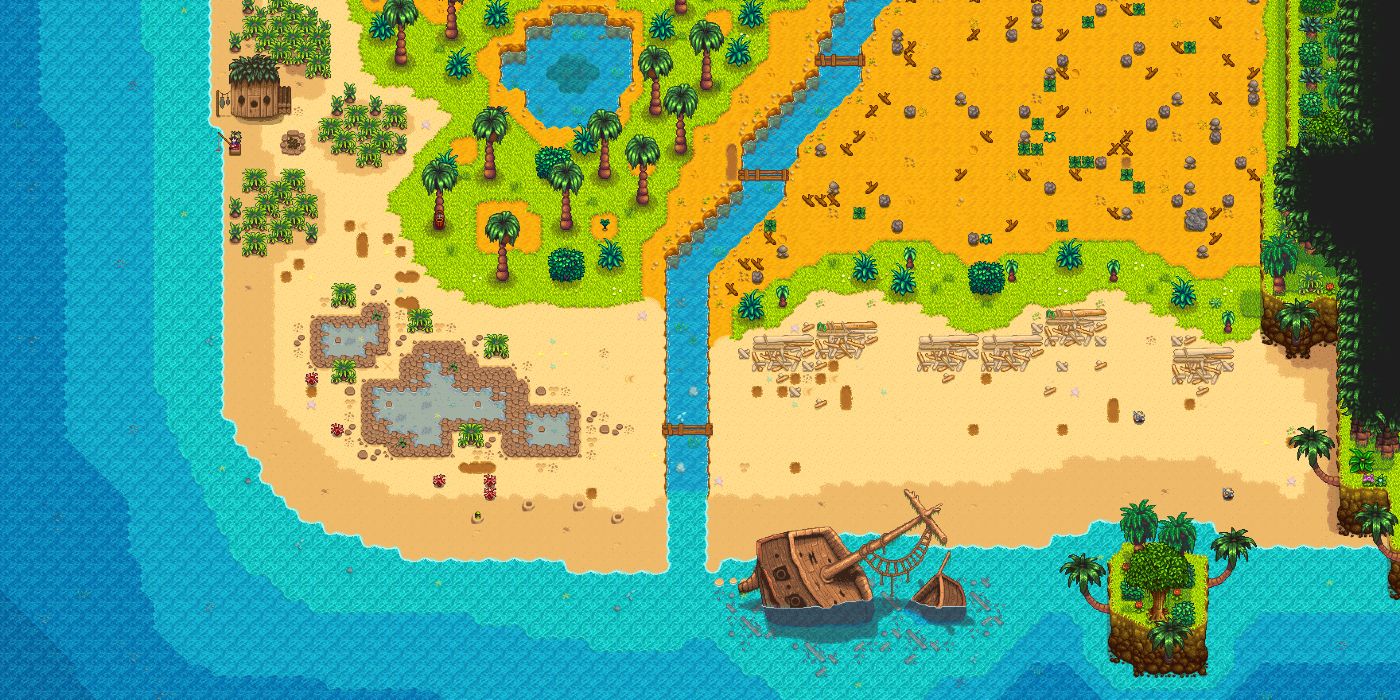
An entirely new region unlocked by repairing Willy’s boat. The Fern Islands introduced tropical crops, a volcano dungeon that reshuffles its layout each visit, Golden Walnut collectibles (130 total), and a farmable plot with no seasonal restrictions. A new NPC named Leo lives on the island with his own backstory and heart events.
Beach Farm
A sixth farm layout with ocean-side aesthetics, tidal pools, and a supply crate that washes ashore with random items. Sprinklers don’t work on sand tiles, which forces manual watering and pushes a different, more hands-on farming approach.
Split-Screen Multiplayer
Local co-op on a single machine arrived alongside the existing online multiplayer. Two players could farm together on the same couch, which was a big deal on Switch and console.
Special Orders
A new board in town rotates weekly quests that are more involved than the daily billboard requests. They have unique rewards, multi-step objectives, and some trigger permanent changes in the world. Mr. Qi’s Walnut Room on Ginger Island offers even harder challenge orders for endgame players.
The Forge
A weapon crafting system inside the volcano dungeon lets players enchant tools and weapons with special abilities. Ring combining was also added, letting you merge two rings into one slot, which freed up equipment options significantly.
Perfection Tracker
For the first time, the game defined what “100% completion” meant. The tracker covers shipping every item, catching every fish, cooking every recipe, crafting everything, befriending all NPCs, and completing all Walnut challenges. Reaching perfection unlocks a unique endgame cutscene and permanent farm bonuses.
Stardew Valley on Steam Deck became one of the platform’s most popular titles partly because of how much content 1.5 added. There was suddenly enough game here to fill hundreds of hours of portable play.
Version 1.6: The Biggest Update Yet (March 2024)
ConcernedApe called 1.6 the biggest update in Stardew Valley’s history, and that wasn’t an exaggeration. The patch notes alone ran thousands of words. Here are the most important additions.
Meadowlands Farm
A seventh farm layout focused on animal husbandry, starting players with blue grass and a free coop. It’s the most animal-friendly layout by design.
Mastery System
A new endgame area unlocks after reaching level 10 in all five skills. It grants powerful permanent perks and items, giving max-level players something meaningful to work toward beyond perfection.
8-Player Multiplayer
PC co-op doubled from 4 to 8 players, turning farms into genuine community projects.
Desert Festival
A new three-day spring festival in the Calico Desert (requires the bus repair) with unique activities, vendors, and rewards. It runs alongside two new mini fishing festivals: the Trout Derby and SquidFest.
Four New Crops
Carrots, summer squash, broccoli, and powdermelon can’t be bought at Pierre’s. You find their seeds through foraging and special sources, which rewards exploration over routine shopping.
Books and Trinkets
A traveling Bookseller visits twice per season selling 19 Books of Power that grant permanent passive bonuses. Seven Trinkets drop from combat and provide equippable combat perks, adding a light RPG layer to dungeon runs.
New Production Machines
The Dehydrator dries fruit and mushrooms. The Fish Smoker doubles fish sale value. The Bait Maker creates fish-specific lures. The Heavy Furnace processes ore faster with bonus yields. These filled production gaps that players had been working around for years.
Quality-of-Life Overhaul
The list is massive, but the highlights: Big Chest (70 slots instead of 36), strafing while charging tools, multiple pets after maxing your first pet’s hearts, moss as a new foraging resource from old trees, positional audio so you can hear machines and players from across the map, waterfalls added to the valley, and colored jelly/pickles/wine that match their ingredients.
Version 1.6 also upgraded the copper pan into a full upgrade chain (steel, gold, iridium) with enchantments, added hat placement on cats and dogs, and included hundreds of new furniture pieces, wallpapers, and floor styles.
What’s Coming in Version 1.7
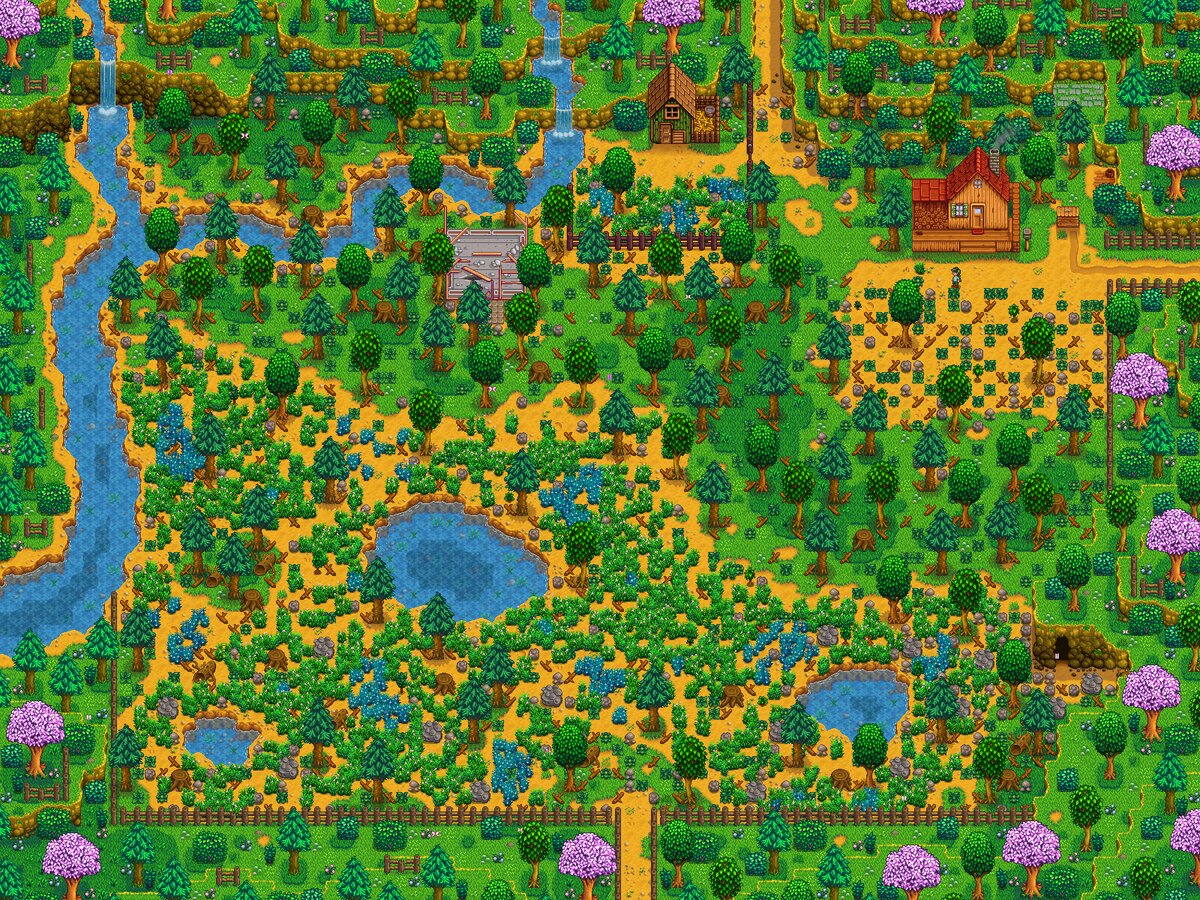
ConcernedApe has confirmed that version 1.7 is in active development. While there’s no release date yet, several features have been teased or confirmed through social media and interviews.
Confirmed so far:
- Clint and Sandy become marriage candidates with full heart event storylines
- A new farm map (details not yet revealed)
- Children improvements making kids more interactive and involved in farm life
- Quality-of-life additions that ConcernedApe described as features players have been requesting “for years”
The update has been in development since late 2024 with no announced timeline. ConcernedApe typically doesn’t share release dates until he’s confident in them, so the best approach is to follow his social media for announcements. We’ll update this guide when 1.7 drops.
Frequently Asked Questions
Is Stardew Valley still getting updates?
Yes. Version 1.7 is actively in development, and ConcernedApe continues working on the game as a solo developer. Every major update has been free since launch, and there’s no indication that will change.
Is 1.7 the last Stardew Valley update?
ConcernedApe hasn’t committed either way. He’s also been working on his next game, Haunted Chocolatier, so development time is split. But he’s shown no signs of abandoning Stardew Valley.
Do I need to start a new save to get update content?
Most updates work with existing saves. New farm layouts require a new game, but features like Ginger Island, multiplayer, the mastery system, and quality-of-life changes apply to all saves. The official patch notes specify when a new save is needed for specific content.
Can I play Stardew Valley multiplayer on all platforms?
Online co-op is available on PC, Switch, PlayStation, and Xbox. Local split-screen (added in 1.5) is on all platforms except mobile. PC supports up to 8 players online since 1.6, while consoles cap at 4. There’s no cross-platform multiplayer.
What platform is best for Stardew Valley?
All versions are nearly identical in content. PC gets updates first (console and mobile follow weeks to months later) and supports mods. Switch is the most popular portable option, and Steam Deck runs it perfectly. Mobile is great for on-the-go play but doesn’t support multiplayer. Pick whatever fits how you like to play.
Summary
Ten years of free updates from a solo developer. That’s what makes Stardew Valley’s update history so remarkable. What launched as a Harvest Moon-inspired farming sim has grown into a game with an entirely new island region, 8-player co-op, a mastery endgame, seven farm layouts, hundreds of items, and enough quality-of-life polish to make the original version feel like an early access build. The co-op in particular makes it a great option for couch co-op with your kid.
If you’re coming back after a break, the good news is that most updates apply to existing saves. Jump in, check the patch notes for your last version, and start exploring everything you’ve missed. And with 1.7 on the way, there’s even more to look forward to. If you want a newer management game to sample, the Graveyard Keeper 2 demo covers its opening hours and carries your save into the full game.
Companion Guides for Returning Players
If you’re jumping back in after a long break, a physical guide makes catching up on six updates worth of new content much easier.
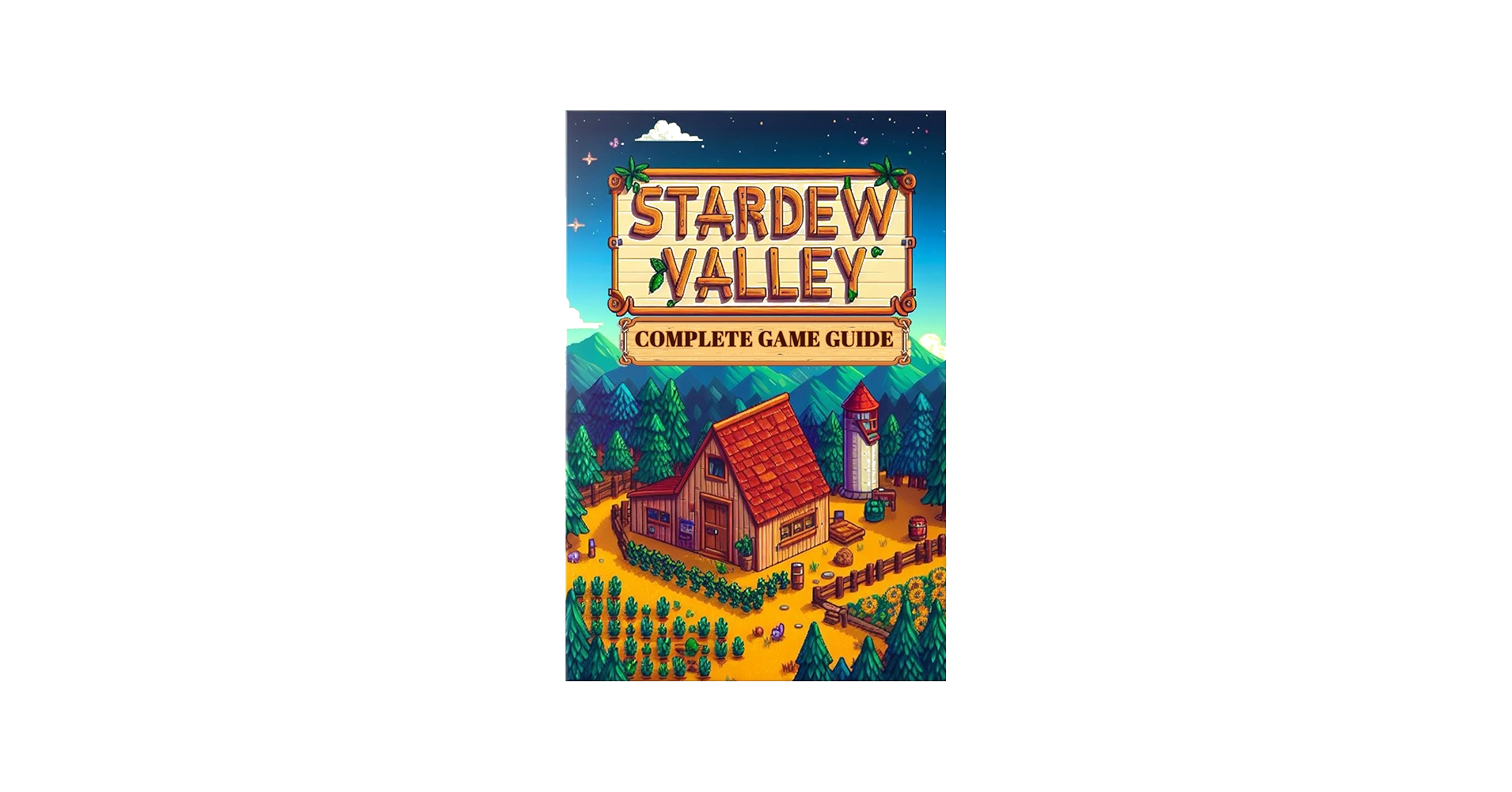
Stardew Valley Guidebook (5th Edition)
300-page hardcover updated for version 1.6
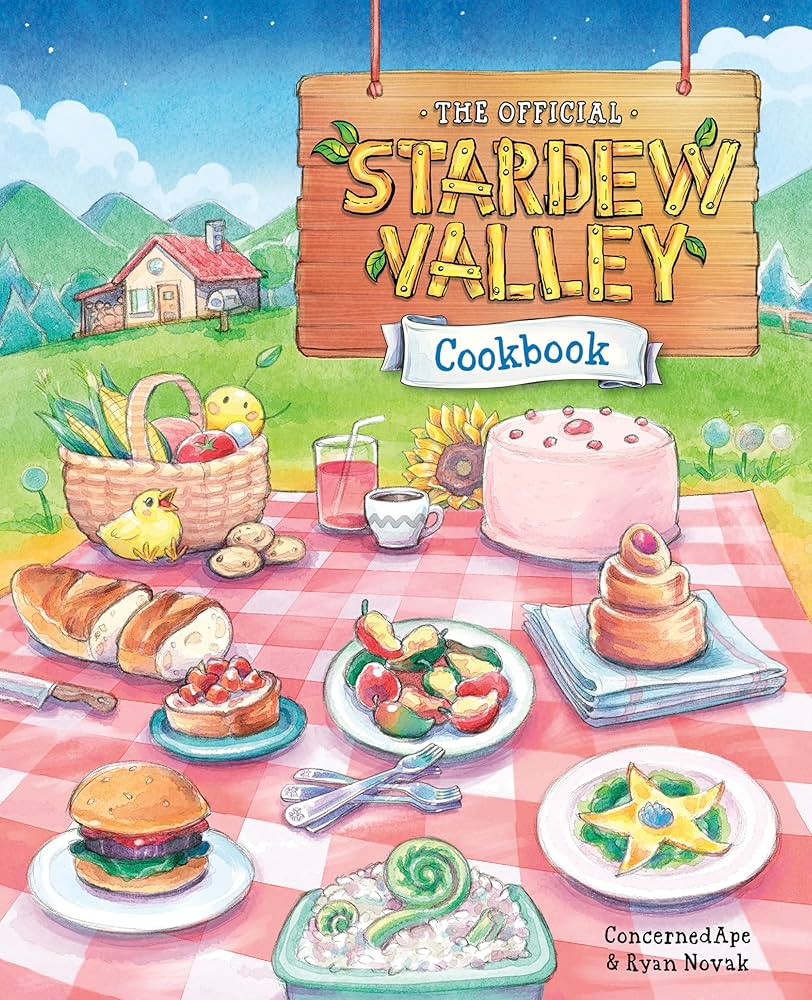
The Official Stardew Valley Cookbook
50 real-world recipes based on in-game meals
The Guidebook is the official 300-page hardcover by Kari Fry, fully updated for version 1.6 with crop charts, NPC schedules, and location maps. The Cookbook turns 50 in-game recipes into real dishes organized by season, written by ConcernedApe and Ryan Novak.