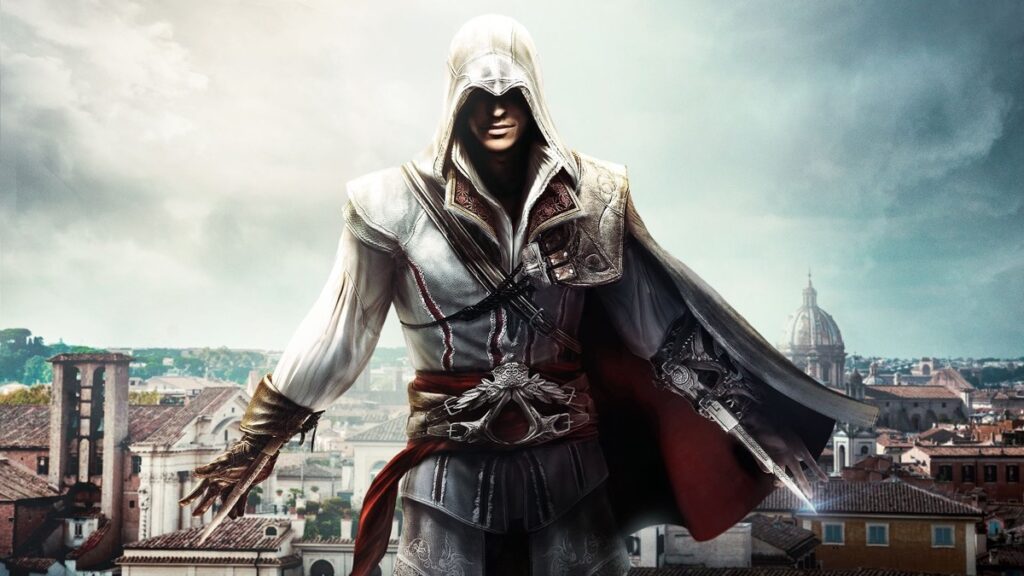
The Assassin’s Creed series spans 18 years, 14 mainline games, and over 230 million copies sold. From the rooftops of 12th-century Jerusalem to the castles of Sengoku Japan, each entry pushed the franchise in a new direction. Some refined the stealth-parkour formula that started it all. Others reinvented the series as an open-world RPG. One let you captain a pirate ship across the Caribbean. This guide covers every Assassin’s Creed game in order of release, what each one changed, and how the series evolved from a promising tech demo into one of gaming’s biggest franchises. If you’re jumping into the latest entry, see our Assassin’s Creed Shadows beginner guide.
Key Takeaways
- 14 mainline games from 2007 to 2025: starting with Altair in the Holy Land and ending with Naoe and Yasuke in Sengoku Japan
- The series split into two eras: the original stealth-parkour formula (2007-2015) and the action-RPG era (2017-present), with Origins as the turning point
- AC II and Black Flag are the fan favorites: Ezio defined the franchise identity, and Black Flag proved AC could reinvent itself as a pirate game and succeed
- Mirage pulled back toward the roots: after three massive RPGs, Mirage returned to a focused 15-25 hour stealth campaign in Baghdad
- Over 230 million copies sold: the franchise is Ubisoft’s all-time best seller, with Black Flag Resynced (a full remake) next in line
Quick Reference: Every Assassin’s Creed Game in Order
| # | Title | Year | Setting | Protagonist | Key Innovation |
|---|---|---|---|---|---|
| 1 | Assassin’s Creed | 2007 | Holy Land, 1191 | Altair Ibn-La’Ahad | Open-world stealth parkour |
| 2 | Assassin’s Creed II | 2009 | Renaissance Italy, 1476-1499 | Ezio Auditore | Refined everything; defined the franchise |
| 3 | AC: Brotherhood | 2010 | Rome, 1499-1507 | Ezio Auditore | Assassin recruitment; first multiplayer |
| 4 | AC: Revelations | 2011 | Constantinople, 1511 | Ezio / Altair | Dual-timeline narrative; hook blade |
| 5 | Assassin’s Creed III | 2012 | American Revolution, 1754-1783 | Connor Kenway | Naval combat; tree parkour |
| 6 | AC IV: Black Flag | 2013 | Caribbean, 1715-1722 | Edward Kenway | Full naval exploration; pirate gameplay |
| 7 | AC: Rogue | 2014 | North Atlantic, 1752-1776 | Shay Cormac | Templar protagonist |
| 8 | AC: Unity | 2014 | Paris, French Revolution | Arno Dorian | 4-player co-op; massive crowds |
| 9 | AC: Syndicate | 2015 | London, 1868 | Jacob & Evie Frye | Dual protagonists; grappling hook |
| 10 | AC: Origins | 2017 | Egypt, 49 BCE | Bayek | RPG pivot; hitbox combat |
| 11 | AC: Odyssey | 2018 | Greece, 431 BCE | Kassandra / Alexios | Dialogue choices; multiple endings |
| 12 | AC: Valhalla | 2020 | England, 873 CE | Eivor | Settlement building; raids |
| 13 | AC: Mirage | 2023 | Baghdad, 861 CE | Basim | Return to classic stealth formula |
| 14 | AC: Shadows | 2025 | Japan, 1579 | Naoe & Yasuke | Dual stealth/samurai playstyles |
The Classic Era (2007-2015)
The first nine Assassin’s Creed games in order share a common DNA: third-person stealth, fluid parkour, dense historical cities, and a modern-day framing story about reliving ancestral memories through a device called the Animus. Each game refined the template, added new tools, and explored a different chapter of history. The modern-day throughline followed Desmond Miles (and later unnamed Abstergo employees) as the real-world stakes escalated alongside the historical drama.
1. Assassin’s Creed (2007)
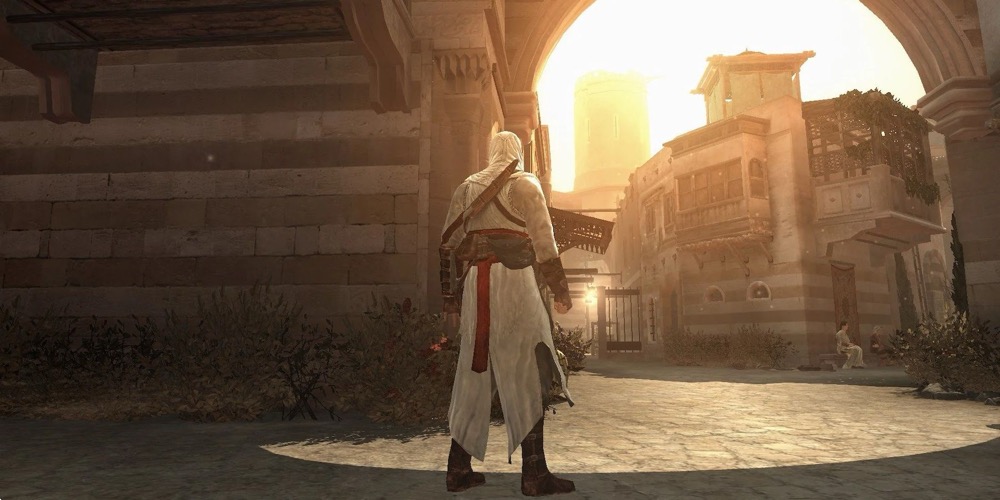
Setting: Holy Land (Damascus, Acre, Jerusalem), 1191 | Protagonist: Altair Ibn-La’Ahad | Platforms: PS3, Xbox 360, PC
The one that started everything. You play as Altair, an Assassin tasked with eliminating nine Templar targets during the Third Crusade. The game introduced the series’ core loop: investigate your target, infiltrate the area using parkour to scale any surface, assassinate, and escape through the rooftops. It also established the Animus framing story, tying historical adventures to a modern-day conspiracy. The technology behind the crowd systems and climbing mechanics was groundbreaking for 2007, but the game was more proof of concept than finished product. Side activities boiled down to flag collecting and repetitive informant missions. Combat was a simple counter-kill system. It sold 8 million copies and earned an 81 on Metacritic, enough to greenlight a sequel that would fix everything.
2. Assassin’s Creed II (2009)
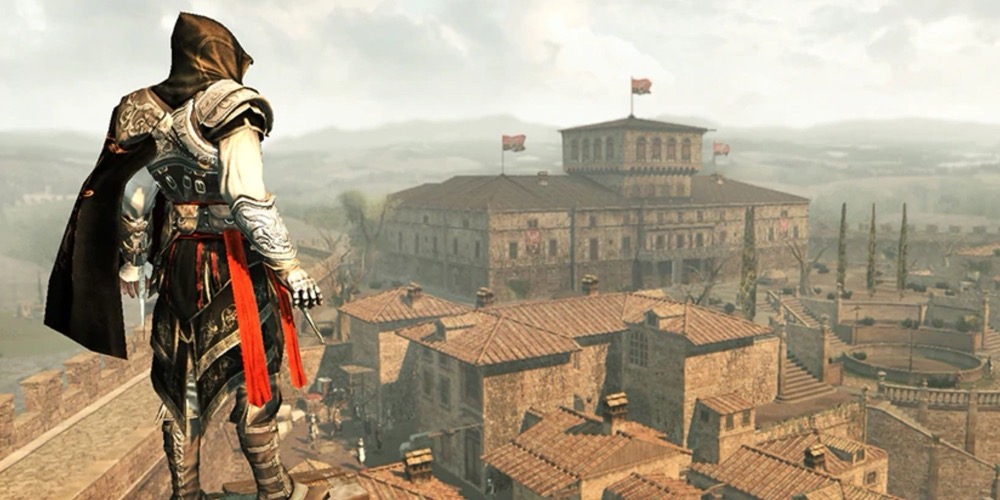
Setting: Renaissance Italy (Florence, Venice, Tuscany), 1476-1499 | Protagonist: Ezio Auditore da Firenze | Platforms: PS3, Xbox 360, PC
The sequel that defined the franchise. Ezio Auditore is a Florentine nobleman who watches his family get executed by Templars and spends the next 23 years hunting them across Italy. AC II fixed every weakness of the original: more mission variety, a charismatic protagonist, a villa upgrade system that gave you a home base to invest in, and Leonardo da Vinci designing your weapons and gadgets. The dual hidden blades, the smoke bomb, the poison blade, and the flying machine all debuted here. Ezio became the face of the series and one of gaming’s most recognizable characters. The ending involves a literal fistfight with the Pope in the Vatican. AC II is the entry that turned a promising experiment into a blockbuster franchise, and most ranking lists still put it at or near the top.
3. Assassin’s Creed: Brotherhood (2010)
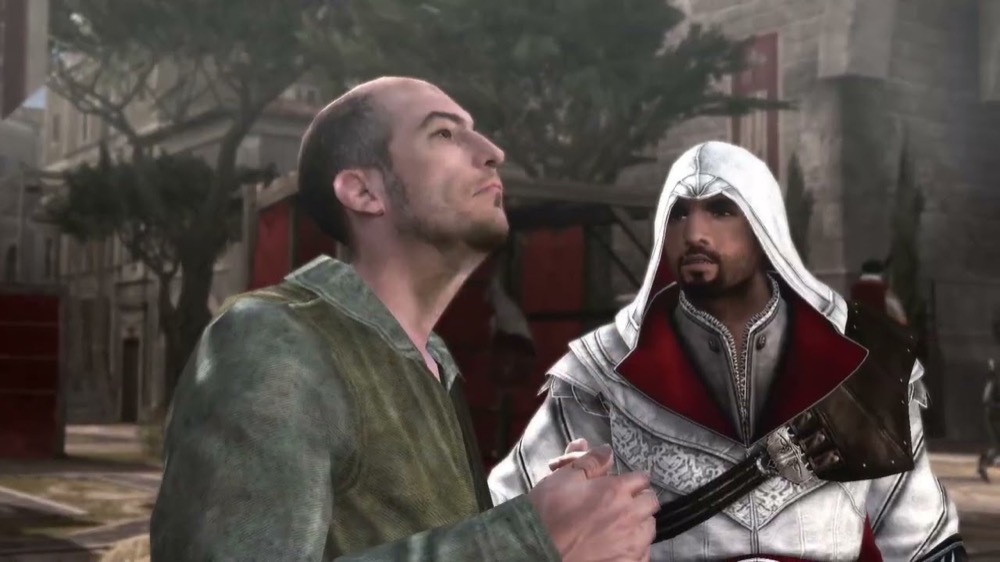
Setting: Rome, 1499-1507 | Protagonist: Ezio Auditore | Platforms: PS3, Xbox 360, PC
Ezio moves to Rome and takes on the Borgia family. Brotherhood introduced the Assassin recruitment system: rescue citizens from Borgia guards, train them as Assassins, send them on missions across Europe, or call them in during combat for instant kills. It was a power fantasy that made you feel like a Brotherhood leader, not just a lone operative. Brotherhood was also the first AC game with competitive multiplayer, a unique cat-and-mouse mode developed by Ubisoft Annecy where players hunted each other while blending into NPC crowds. GameTrailers named it the Best Multiplayer Game at E3 2010. The single-player campaign was shorter than AC II but built on its strengths without fixing what wasn’t broken.
4. Assassin’s Creed: Revelations (2011)
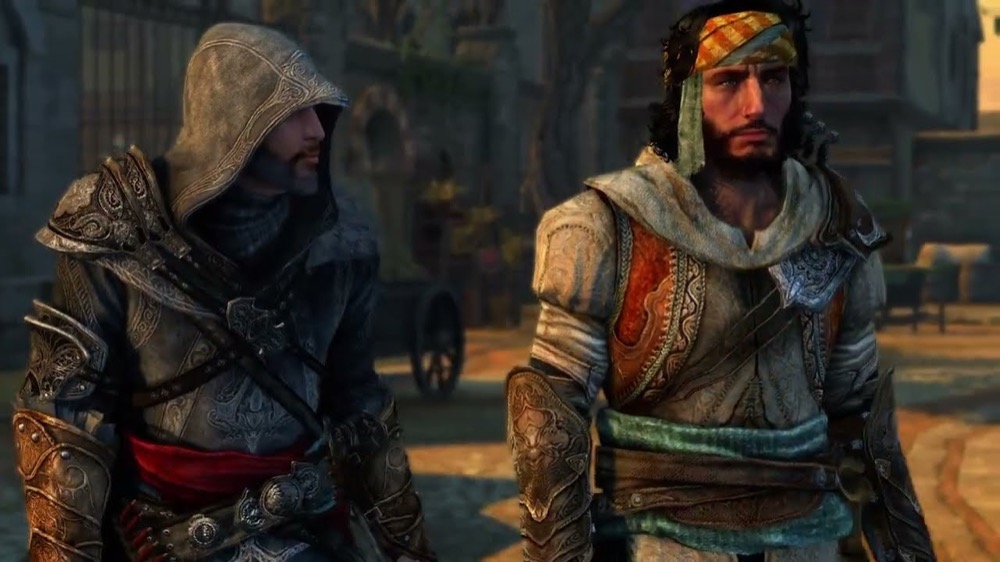
Setting: Constantinople (Istanbul), 1511-1512 | Protagonist: Ezio Auditore / Altair (dual narrative) | Platforms: PS3, Xbox 360, PC
Ezio’s final chapter takes him to Constantinople, where he follows in Altair’s footsteps and discovers his predecessor’s hidden library. The hook blade added new parkour options including ziplines across the city. A tower defense minigame let you protect Assassin dens from Templar waves, though it was widely criticized. The real value is narrative: Revelations closes both Ezio’s and Altair’s arcs in a dual-timeline structure that connects the two protagonists across four centuries. Three consecutive Ezio games tested the audience’s patience for annual releases, but the emotional send-off for both characters landed. Ezio’s final monologue remains one of the series’ most quoted moments.
5. Assassin’s Creed III (2012)
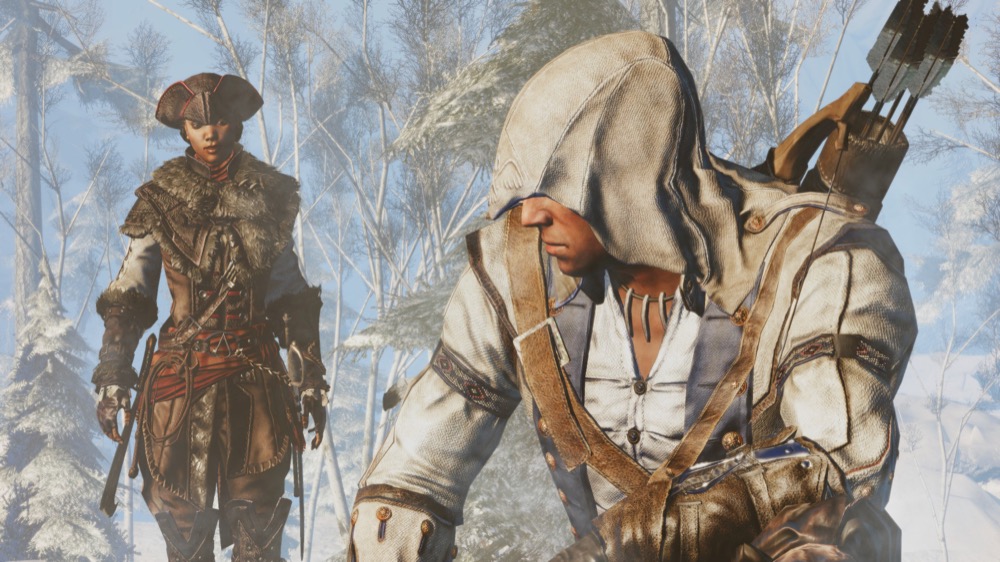
Setting: Colonial America, 1754-1783 | Protagonist: Ratonhnhake:ton (Connor Kenway) | Platforms: PS3, Xbox 360, Wii U, PC
The first post-Ezio game set during the American Revolution. Connor is the son of a Mohawk woman and a British Templar, caught between the Colonial and Crown factions. AC III introduced tree parkour for wilderness traversal, seasonal weather that changed how the open world played, and most importantly, naval combat. Sailing the Aquila through Atlantic storms and fighting British warships was so popular that it became the foundation for the next game entirely. AC III also concluded Desmond Miles’ modern-day storyline, wrapping up the overarching plot that had been building since 2007. The ending was divisive, but the new gameplay mechanics opened doors the series hadn’t considered before.
6. Assassin’s Creed IV: Black Flag (2013)
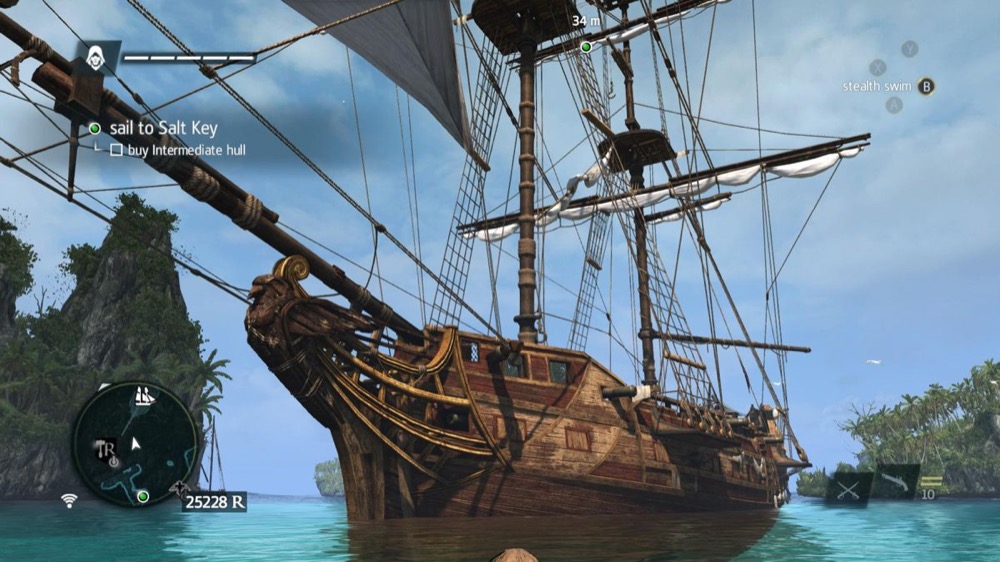
Setting: Caribbean, 1715-1722 | Protagonist: Edward Kenway | Platforms: PS3, PS4, Xbox 360, Xbox One, Wii U, PC
A pirate game wearing an Assassin’s Creed costume, and better for it. Edward Kenway is a Welsh privateer who stumbles into the Assassin-Templar conflict while chasing treasure. The naval combat from AC III became the entire game: you captain the Jackdaw, upgrade it with plundered materials, board enemy ships by swinging across on ropes, hunt whales and sharks, explore uncharted islands, dive underwater wrecks, and sing sea shanties with your crew. The on-land stealth sections are serviceable, but the open sea is where Black Flag excels. It proved the series could completely reinvent its core gameplay and succeed. Black Flag is consistently ranked as the series’ high point, and its spiritual successor has been requested for over a decade. Ubisoft finally answered: Black Flag Resynced, a full remake, launched on July 9, 2026 and posted the series’ best review scores since the 2013 original.
7. Assassin’s Creed: Rogue (2014)
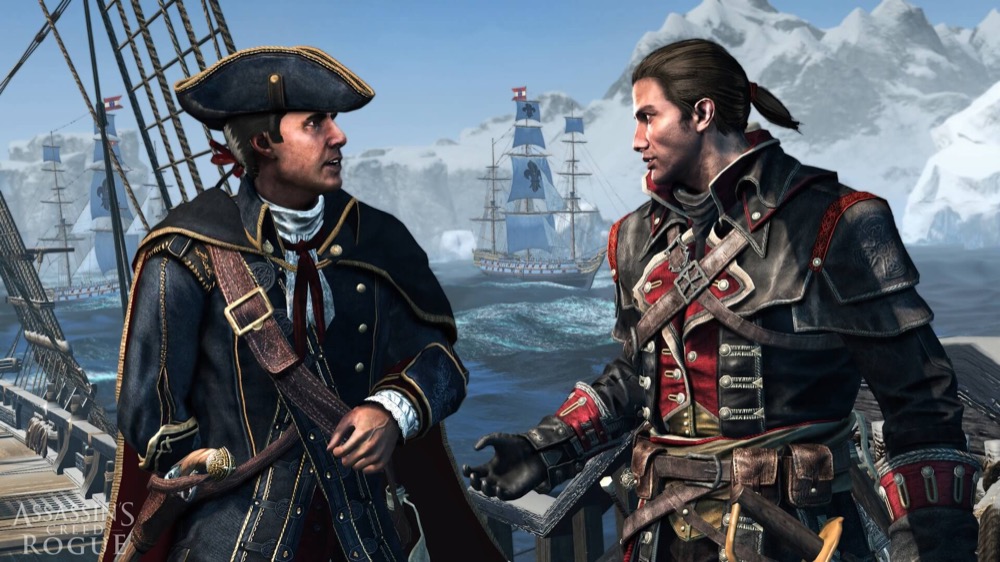
Setting: North Atlantic & Colonial America, 1752-1776 | Protagonist: Shay Patrick Cormac | Platforms: PS3, Xbox 360, PC (remastered for PS4, Xbox One)
The only Assassin’s Creed where you play as the enemy. Shay Cormac is an Assassin who defects to the Templars after discovering that the Brotherhood’s pursuit of Precursor artifacts is triggering catastrophic earthquakes that destroy entire cities. Rogue reuses Black Flag’s naval systems in the North Atlantic and Arctic, swapping tropical islands for icebergs and frozen harbors. It bridges the story between Black Flag and AC III chronologically, and between the Americas games and Unity’s European setting narratively. The shortest campaign in the series at roughly 10 hours, and it plays more like a Black Flag expansion than a standalone game. But the Templar perspective flips the moral framework in a way no other entry has, and watching Shay hunt his former allies adds weight that the brief runtime would otherwise lack.
8. Assassin’s Creed: Unity (2014)
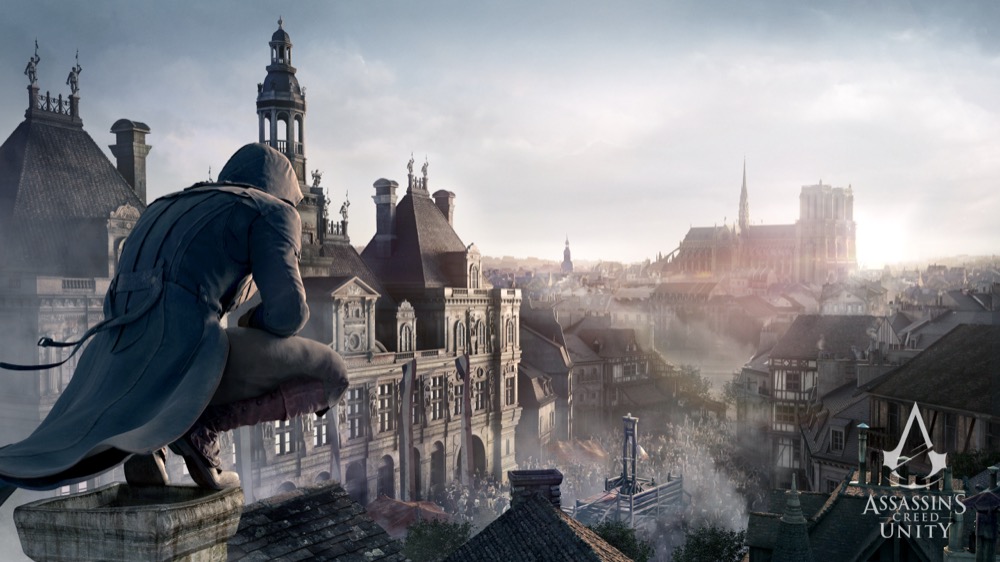
Setting: Paris, French Revolution, 1789-1794 | Protagonist: Arno Dorian | Platforms: PS4, Xbox One, PC
Unity was supposed to be the series’ next-gen showcase, and in many ways it was. Paris is the most architecturally detailed city Ubisoft has ever built: massive crowds of thousands of NPCs, seamless transitions between interiors and exteriors, and a recreation of revolutionary Paris that included a 1:1 scale Notre-Dame cathedral. The game introduced four-player cooperative multiplayer for story missions, letting you plan heists and assassinations with friends. The problem was the launch. Frame rate drops into the teens, characters falling through the world, and NPCs with missing faces turned Unity into a punchline. Ubisoft issued public apologies and gave away free DLC as compensation. Post-patch, the game underneath is solid. In March 2026, a free update added 60 FPS and 4K support on PS5 and Xbox Series X|S, making Unity worth revisiting for anyone who wrote it off at launch. Check out our original Unity review for a deeper look.
9. Assassin’s Creed: Syndicate (2015)
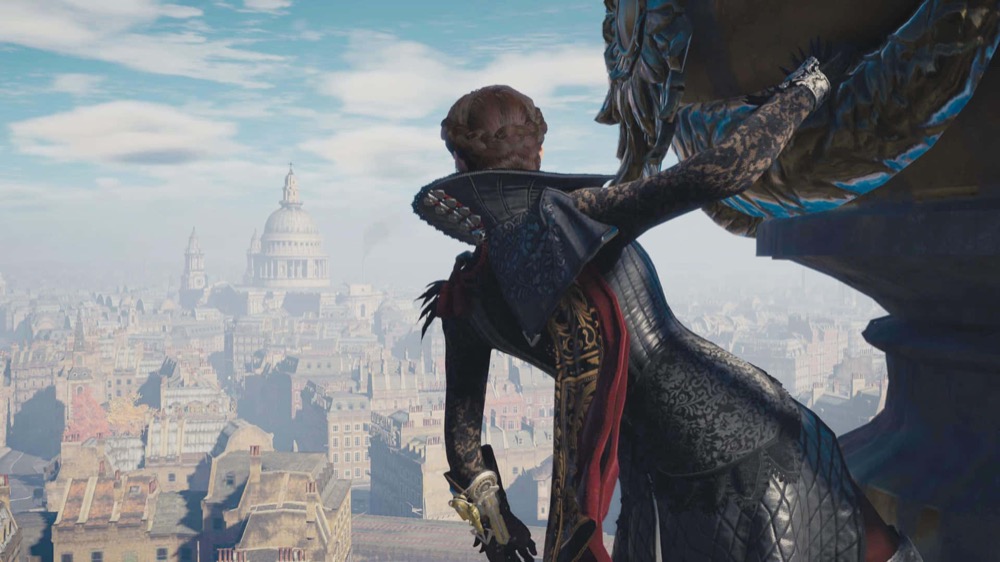
Setting: London, 1868 | Protagonist: Jacob and Evie Frye (twins) | Platforms: PS4, Xbox One, PC
The last Assassin’s Creed built on the original formula, and a quiet exit for the classic era. Twin protagonists Jacob and Evie Frye liberate Industrial Revolution London from Templar control borough by borough. Jacob is the brawler who builds a street gang called the Rooks. Evie is the stealth specialist who pursues the narrative’s Piece of Eden. You swap between them freely outside of character-specific story missions. Syndicate introduced a grappling hook for faster traversal across London’s wide Victorian streets (a practical concession since the city’s architecture made rooftop-only parkour impractical) and horse-drawn carriage driving. Critically, the game was well received, but commercially it underperformed, partly because Unity’s disastrous launch six months earlier had damaged the brand. Ubisoft took 2016 off from AC releases entirely, and when the series returned, it looked completely different.
The RPG Era (2017-2023)
After Syndicate’s underwhelming sales and a full year off, Ubisoft rebuilt Assassin’s Creed from the ground up. The stealth-parkour template was replaced by open-world action RPGs with leveling systems, gear scores, skill trees, and loot drops. The maps got bigger. The campaigns got longer. The combat went from counter-kill choreography to hitbox-based action with dodging and parrying. It was a polarizing shift: new fans loved the depth, while longtime fans argued the series had abandoned what made it unique.
10. Assassin’s Creed: Origins (2017)
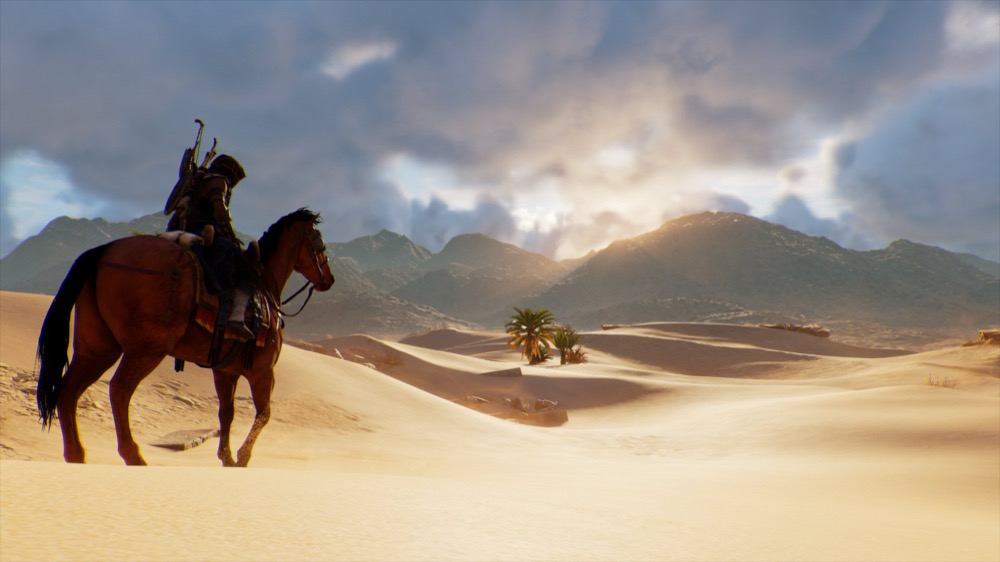
Setting: Egypt, 49 BCE | Protagonist: Bayek of Siwa | Platforms: PS4, Xbox One, PC
The turning point. Origins takes place in Ptolemaic Egypt, the earliest historical setting in the series, and tells the origin story of the Assassin Brotherhood itself. Bayek is a Medjay (village protector) whose personal tragedy leads him and his wife Aya to found the Hidden Ones, the secret order that would evolve into the Brotherhood over the next millennium. The combat system was rebuilt completely: the old counter-kill choreography was replaced with hitbox-based attacks, dodging, light/heavy combos, and shield mechanics inspired by Dark Souls. Equipment had levels and rarity tiers. A full ability tree replaced the old linear upgrade path. Ancient Egypt is one of the most visually striking open worlds in gaming, and Ubisoft leaned into it by adding a Discovery Tour mode that turns the game into an interactive museum with guided educational tours. Origins divided the fanbase but commercially justified the pivot, setting the template for everything that followed.
11. Assassin’s Creed: Odyssey (2018)
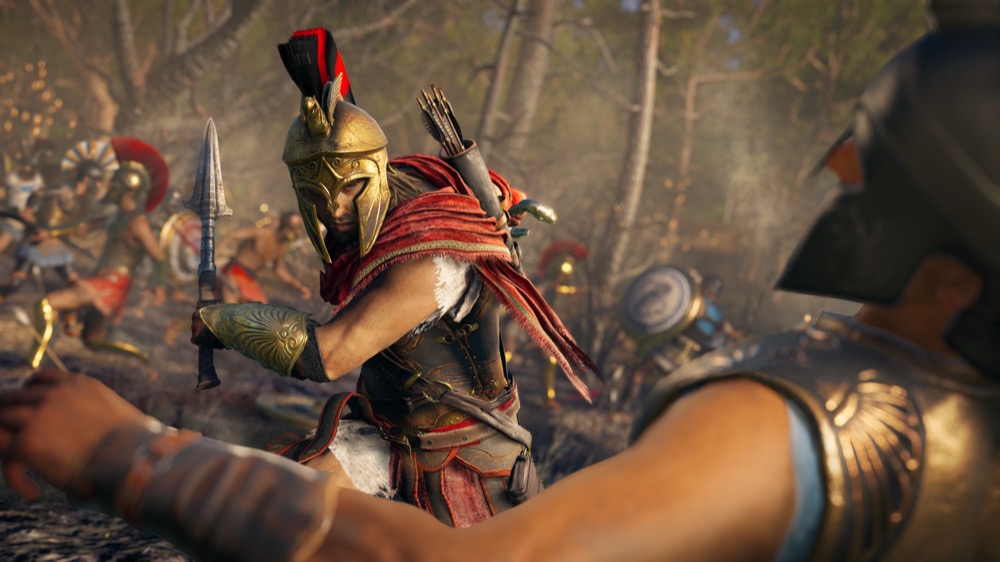
Setting: Ancient Greece, 431 BCE (Peloponnesian War) | Protagonist: Kassandra or Alexios (player choice) | Platforms: PS4, Xbox One, PC, Switch (cloud) This choice of a male or female lead is one franchise answer to the wider debate we cover in our look at swapping established game heroes.
Odyssey pushed the RPG direction further than any other entry. For the first time, you chose your protagonist (Kassandra or Alexios) and shaped the story through branching dialogue, romance options, and decisions that led to multiple endings. The map spans the entire Greek archipelago, from Athens and Sparta to dozens of smaller islands, each with its own questlines. Naval combat returned. A mercenary system created roaming bounty hunters who tracked you based on your crimes, similar to GTA’s wanted level but persistent across the open world. The game is the most divisive entry in the franchise. Fans of the RPG shift consider it one of the strongest games because the quest variety and character writing are a step above Origins. Fans of the classic formula argue it’s where AC lost its identity entirely since neither protagonist is technically an Assassin. At 40-50 hours for the main story alone (and 100+ for completionists), it’s also one of the most time-intensive.
12. Assassin’s Creed: Valhalla (2020)
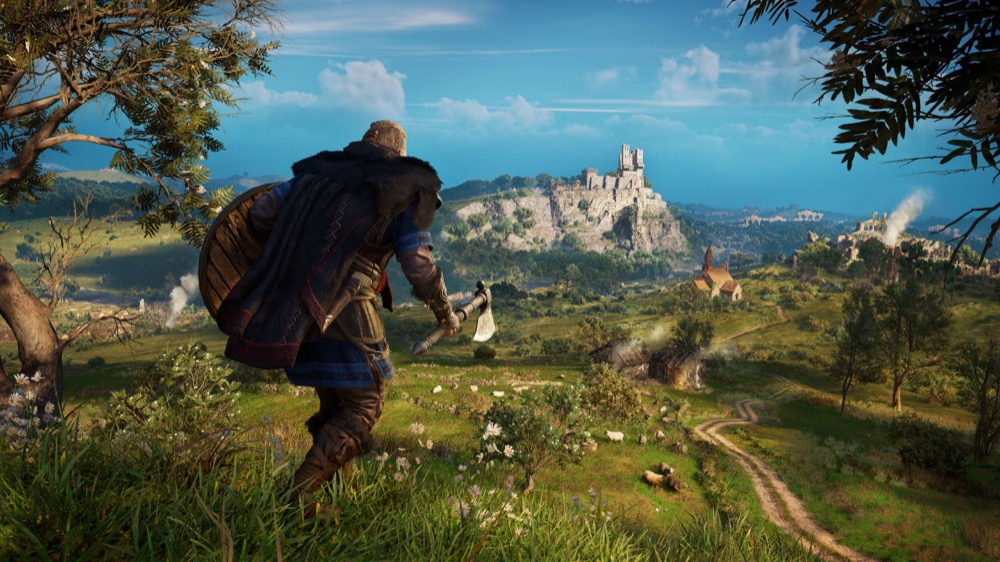
Setting: Norway and England, 873 CE | Protagonist: Eivor Varinsdottir | Platforms: PS4, PS5, Xbox One, Xbox Series X|S, PC, Stadia
Viking raider Eivor leads a Norse clan from Norway to 9th-century England during the height of the Viking expansion. Valhalla combined the RPG systems from Origins and Odyssey with settlement building (upgrading your village of Ravensthorpe), river raids on monasteries and fortifications, and a political alliance map where you chose which English regions to pledge to. Combat leaned into dual-wielding, including the option to equip two shields or two two-handed weapons simultaneously, and brutal finishing moves. At 50-80 hours depending on how much side content you engage with (and considerably more with the three major DLC expansions, including the standalone Dawn of Ragnarok), Valhalla is the largest game in the franchise by a wide margin. Reviews praised the Viking setting, the combat customization, and Eivor’s characterization, but criticized the sheer bloat and a main storyline that lost direction in its back half. The Norse mythology subplot became increasingly convoluted as the game progressed.
13. Assassin’s Creed: Mirage (2023)
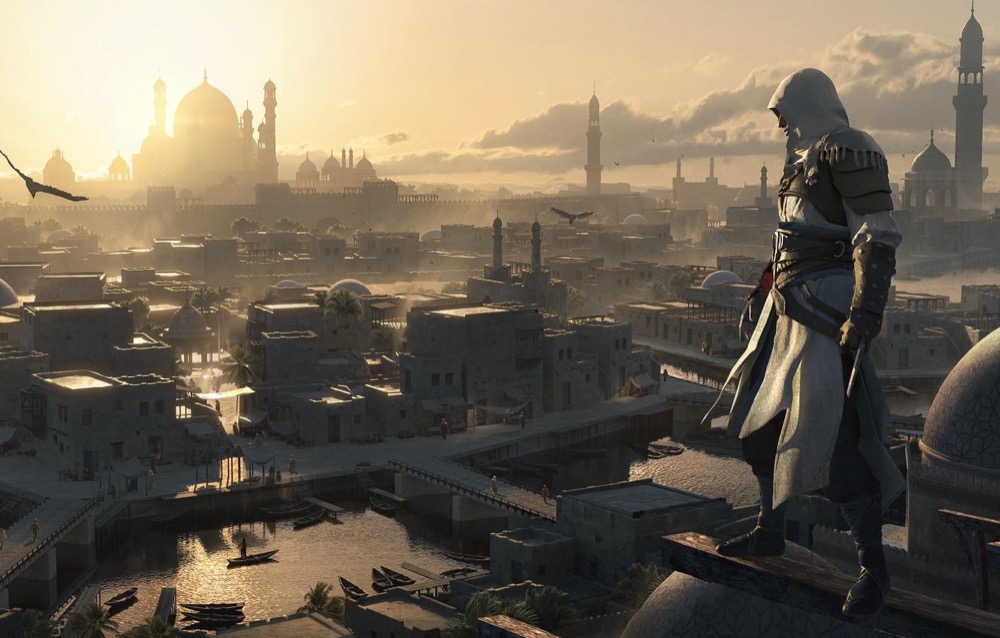
Setting: Baghdad, 861 CE (Abbasid Caliphate) | Protagonist: Basim Ibn Ishaq | Platforms: PS4, PS5, Xbox One, Xbox Series X|S, PC
A deliberate course correction after three consecutive 60-100 hour RPGs. Mirage stars a young Basim (who later appears as a key character in Valhalla) during the golden age of Baghdad. The game strips away dialogue choices, gear scores, and open-world bloat. Instead, it returns to a focused 15-25 hour campaign built around parkour, stealth, and assassination. Baghdad is significantly smaller than the RPG-era maps but denser, with tightly designed districts and investigation-style missions that echo the structure of the original 2007 game. You gather intel through pickpocketing, eavesdropping, and informant networks, then plan your approach to each major assassination. Mirage was explicitly marketed as a bridge between the two eras of AC, and it delivered: proof that the classic formula can still work with modern production values, but not trying to be more than that. It’s the most accessible starting point for players who bounced off the RPG trilogy’s scale.
The Current Era (2025+)
14. Assassin’s Creed: Shadows (2025)
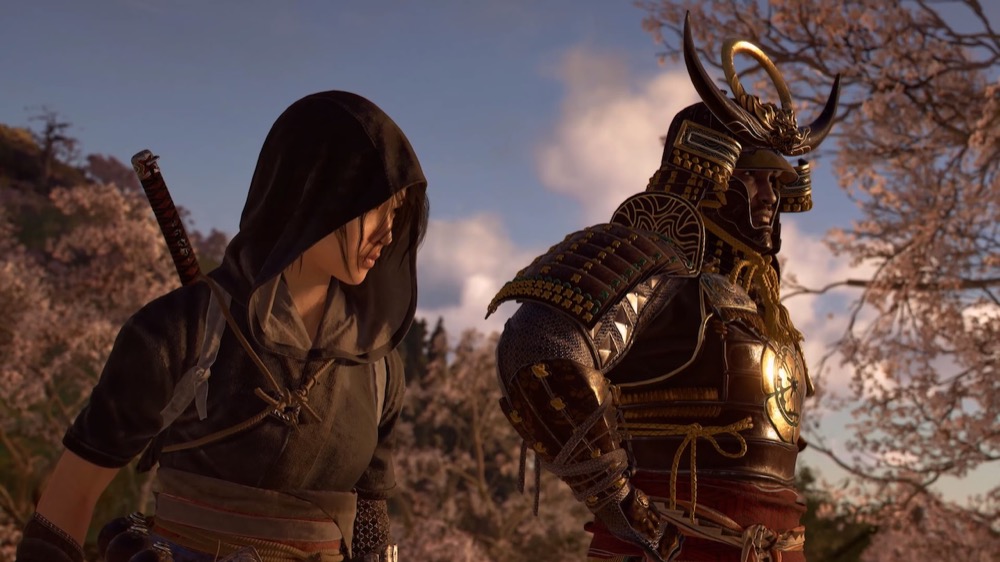
Setting: Japan, Sengoku period, 1579 | Protagonist: Naoe (shinobi) and Yasuke (samurai) | Platforms: PS5, Xbox Series X|S, PC (March 2025), Switch 2 (December 2025)
The latest entry takes the series to the most fan-requested historical setting: feudal Japan during the Sengoku period. Shadows features dual protagonists who play completely differently. Naoe is a fictional shinobi (kunoichi) Assassin built around stealth, parkour, and infiltration. Yasuke is based on the real historical African samurai who served under Oda Nobunaga, and his gameplay focuses on direct combat with heavy weapons and armor. You switch between them freely in the open world, and each has unique story missions that play to their strengths. Shadows brings back RPG elements from the Origins era (gear, abilities, side content) but pairs them with a genuine stealth system for Naoe’s sections that rewards patience and planning over the combat-first approach of Odyssey and Valhalla. It’s the 14th mainline entry, and the first built on Ubisoft’s new Anvil Pipeline engine. For tips on getting started, see our Shadows beginner guide.
Notable Spin-Offs
Beyond the 14 mainline games, several spin-offs expanded the franchise in unexpected directions.
| Title | Year | Setting | What Makes It Notable |
|---|---|---|---|
| AC III: Liberation | 2012 | New Orleans, 1765 | First female protagonist in the series (Aveline de Grandpre). Originally a PS Vita exclusive, later remastered for consoles and PC. |
| AC Freedom Cry | 2014 | Haiti, 1730s | Black Flag DLC released as a standalone. You play as Adewale, Edward’s first mate, leading a slave rebellion against the French colonial government. |
| AC Chronicles | 2015-2016 | China, India, Russia | A trilogy of 2.5D side-scrolling stealth games. China (1526) is the strongest entry. Russia (1918) has the most modern setting in franchise history. |
| Altair’s Chronicles | 2008 | Holy Land, 1190 | Nintendo DS spin-off. The first portable AC game, bridging the gap between mobile and console experiences. |
| Bloodlines | 2009 | Cyprus, 1191 | PSP exclusive continuing Altair’s story after AC1. Connected to the PS3 version for cross-platform unlocks. |
Several mobile titles also exist, including Identity (2014), Rebellion (2018), and Pirates (2013). Most are no longer available on modern app stores.
What’s Next for Assassin’s Creed
Ubisoft released Assassin’s Creed: Black Flag Resynced on July 9, 2026 for PS5, Xbox Series X|S, and PC. It’s a full remake of the 2013 pirate classic, developed by Ubisoft Singapore with support from 15 other studios, built on the latest Anvil engine (the same one powering Shadows). It replaces the modern-day Abstergo framing with “What if?” rifts and adds roughly six hours of new story content set in Edward Kenway’s pirate era. It debuted at 84 on Metacritic, the fourth-highest score in the series. The remake sells in four versions, and our Black Flag Resynced editions guide breaks down which one to buy.
Two other AC projects have been referenced in Ubisoft’s investor materials: Assassin’s Creed Hexe, reportedly set during the European witch trials, and Assassin’s Creed Invictus, a standalone multiplayer experience. Both are connected to Assassin’s Creed Infinity, a platform concept that would serve as a hub connecting future AC games. None have been formally detailed with gameplay reveals or release windows.
Frequently Asked Questions
How many Assassin’s Creed games are there?
14 mainline games from Assassin’s Creed (2007) through Assassin’s Creed Shadows (2025). The total climbs higher when you count spin-offs like Liberation, Freedom Cry, the Chronicles trilogy, and various handheld and mobile titles. The franchise has sold over 230 million copies worldwide.
What is the best order to play Assassin’s Creed?
Release order. The modern-day storyline builds across games (especially AC1 through AC III), and the mechanical improvements make going backward feel clunky. If you want a shorter path, play AC II, Black Flag, Origins, and Shadows to see the four major eras of the franchise.
Which Assassin’s Creed should I start with?
AC II if you want the classic experience. Origins if you prefer action RPGs. Mirage if you want something modern but compact. Shadows if you want the latest entry. Each has a self-contained historical story, so any of them work as standalone starting points.
When did Assassin’s Creed switch to RPG gameplay?
Origins (2017). It replaced the counter-kill combat system with hitbox-based action RPG combat, added loot drops, gear levels, and a full ability tree. Odyssey (2018) pushed further with dialogue choices and multiple endings. Mirage (2023) pulled back toward stealth. Shadows (2025) blends both approaches.
Is Assassin’s Creed Unity worth playing now?
Yes. The bugs from its 2014 launch have been patched, and a March 2026 update added 60 FPS and 4K support on PS5 and Xbox Series X|S. Paris is one of the most architecturally detailed cities in the franchise, and the four-player co-op missions are still available.
What is Assassin’s Creed Black Flag Resynced?
A full remake of Assassin’s Creed IV: Black Flag (2013) that launched on July 9, 2026 for PS5, Xbox Series X|S, and PC. It’s built on the latest Anvil engine, replaces the modern-day framing story with rift sequences, and adds roughly six hours of new pirate-era content. It holds an 84 on Metacritic.
Gear for Revisiting the Series
If you’re working through the back catalog, a comfortable controller and a solid display make the older remasters hold up. The Ezio Collection and AC III Remastered look sharp on a good monitor.
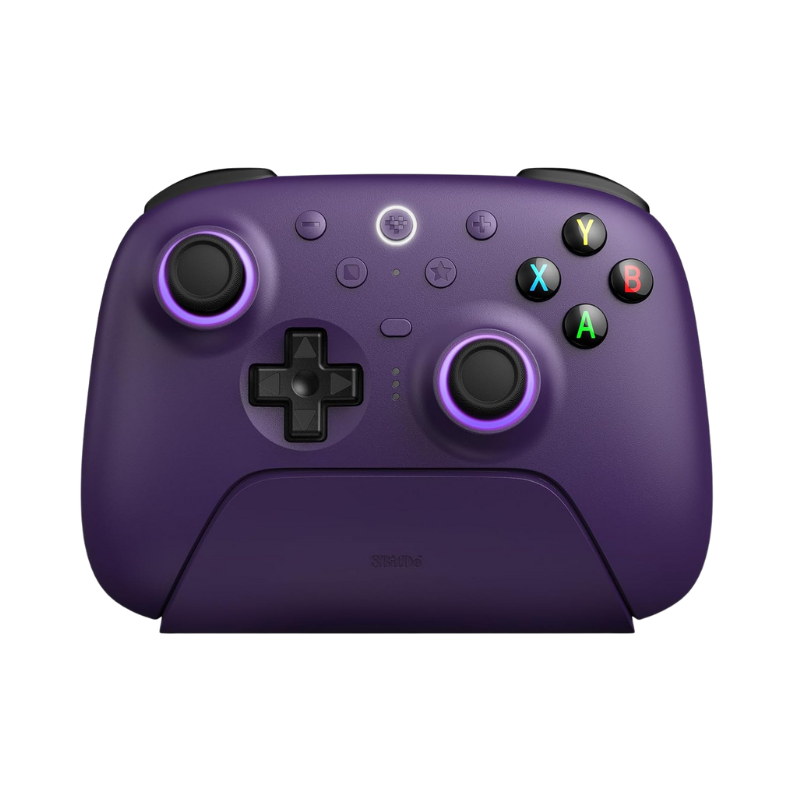
8BitDo Ultimate 2 Controller
Hall effect sticks with wireless and Bluetooth
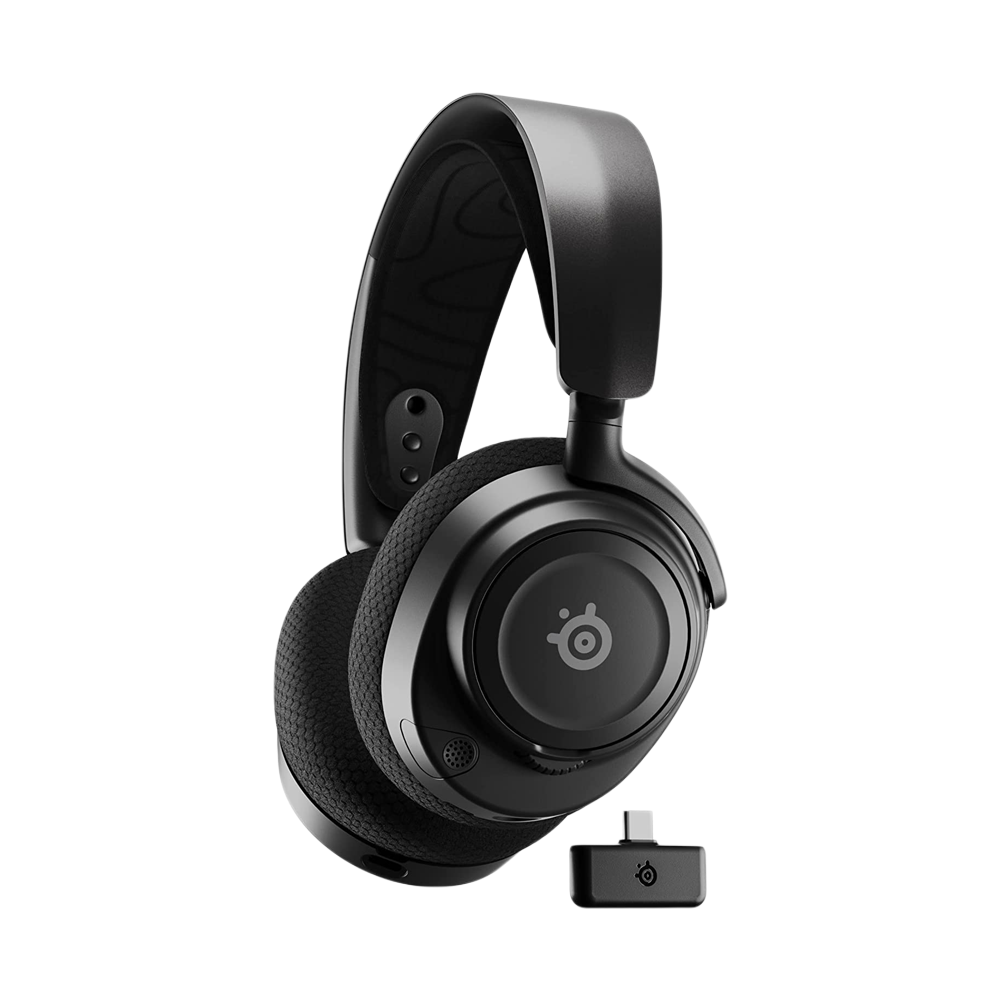
SteelSeries Arctis Nova 7
Multi-platform wireless with 38-hour battery
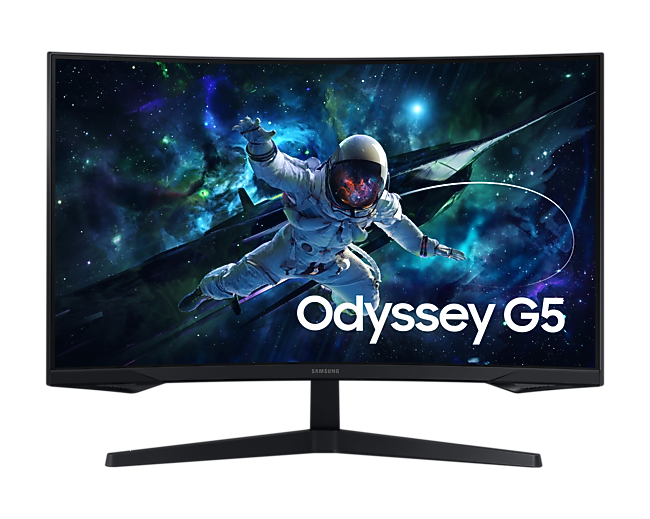
Samsung Odyssey G55C 32″ QHD
165Hz curved VA panel at a budget price
Summary
Fourteen games across eighteen years, from the rooftops of Damascus to the castles of Sengoku Japan. The series started as a stealth-parkour experiment with Altair, became a cultural phenomenon through Ezio’s trilogy, reinvented itself as a pirate game with Black Flag, pivoted to action RPG combat with Origins, stretched past 60 hours with Valhalla, and circled back toward its roots with Mirage. Over 230 million copies sold. Every entry is playable as a standalone, but release order gives you the fullest picture of how the Assassin-Templar conflict and the gameplay itself evolved in parallel. With Black Flag Resynced on the horizon and Hexe and Invictus in the pipeline, the franchise shows no signs of slowing down. For help with the latest entry, check our Shadows beginner guide. Black Flag Resynced breakdown covers what is new in the ground-up remake of the fan-favorite pirate entry. Our Ultima graphics evolution guide follows another long-running series through wireframes, tiles, isometric worlds, and full 3D.