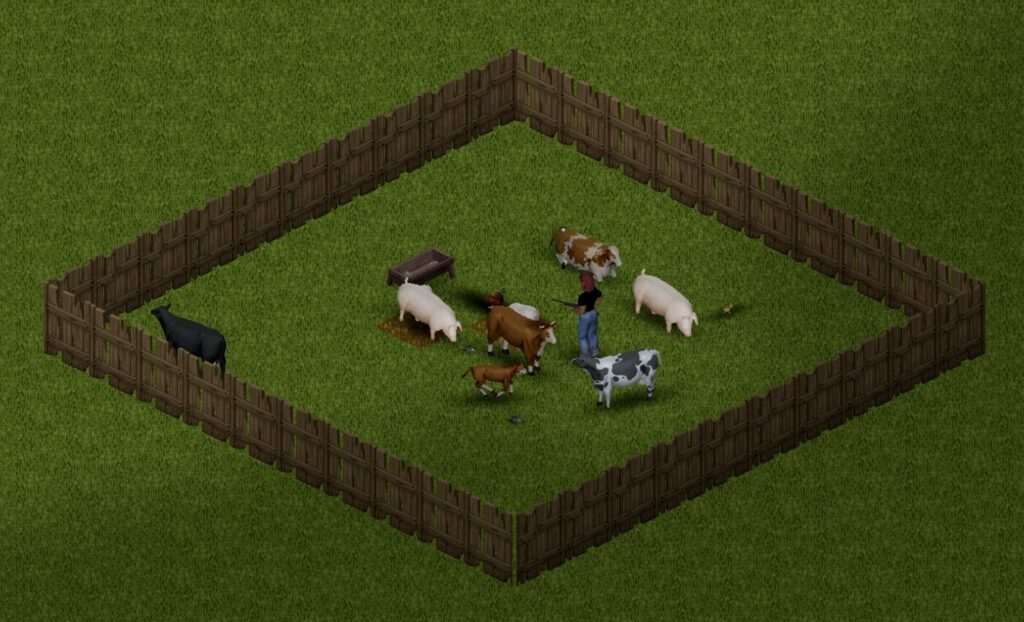
Build 42 put livestock in Project Zomboid, and a first herd is easy to lose. The animals wander off, stop breeding, or starve in a pen that looks fine from the outside. Project Zomboid animal husbandry comes down to four systems, and getting all four right turns a herd into a food supply that never runs out: livestock zones, trough rules, stress, and enclosure size.
Key Takeaways
- Rain generates stress continuously: any rainfall, drizzle included, stresses an animal standing out in it. Roofed tiles inside the zone matter more than fences do.
- A trough holds food or water, never both: empty it completely before you switch, or the second resource will not go in.
- Grass is food: every animal eats grass tiles, so a grassy zone solves feeding on its own. Water is the resource you have to supply.
- Breeding needs more than a pair: both parents at adult stage, one male per species per zone, and the species inside its breeding window.
- An animal above 80 stress will hunt you: big males mark you as an enemy, break doors, and climb stairs. Get in a vehicle.
Every Animal You Can Raise
Nine species roam Knox County, but only some of them tolerate captivity. Cows, sheep, pigs, chickens, turkeys, rabbits, rats, mice, and raccoons all live in a livestock zone. Deer will not, and they flee no matter how used to you they get.
Breed matters more than it looks. A Holstein cow carries a higher weight range than an Angus and produces more milk for less meat, so picking the wrong one for your goal costs you months of growth.
| Animal | Breeds | What It Gives You | Minimum Pen (Adult) |
|---|---|---|---|
| Cow | Angus, Holstein, Simmental | Milk, large leather hide, beef | 80 tiles |
| Sheep | East Friesian, Rambouillet, Suffolk | Wool, milk, mutton | 40 tiles |
| Pig | American Landrace, Large Black | Pork, leather | 40 tiles |
| Chicken | Leghorn, Rhode Island Red | Eggs, feathers, meat | 40 tiles |
| Turkey | One type | Eggs, feathers, meat | 40 tiles |
| Raccoon | One type | Meat, leather | 40 tiles |
| Rat and mouse | One type each | Rodent meat | 20 tiles |
| Rabbit | One type | Rabbit meat | Not defined |
| Deer | One type | Venison, leather (hunted, not raised) | Not defined |
The two chicken breeds are cosmetic. Leghorns are white and Rhode Island Reds are brown, and nothing else separates them, so take whichever hutch you find first.
Cows are the only animal that drops a large hide, which is the input for the biggest craftable backpack in the game. Even a base with no interest in dairy has a reason to keep cattle.
How Project Zomboid Animal Husbandry Works
A livestock zone is a painted area, not a building. Open the zoning menu from the icon on the left of the HUD, add a zone, then drag over the tiles you want and confirm.
Once an animal is led into that zone, it lives there. The zone tracks three things for you: total food, total water, and total shelter. You can open it any time and read the status of every animal inside, including hunger, thirst, stress, breed, sex, and age.
A contented animal stays inside its zone with no walls at all. Fencing removes the small chance it wanders out anyway, but a stressed cow or pig will break the fence, including fences the game placed itself. Build fences to keep zombies out and treat containment as a bonus.
Shelter is thinner than it sounds. Animals check whether a tile has a roof when they go looking for cover, and that is the whole of it. What matters is that roofed tiles exist inside the zone, because an animal caught in the rain gains stress the entire time.
The pathing to that roof is unreliable in a large zone. Animals sometimes fail to find cover on their own, which is one of the few good uses for the acceptance stat: shout, and any animal at 40 acceptance or above walks over to you, so you can pull the herd under a roof by standing there.
The Animal Care Skill Does Real Work
Animal Care is a farming skill and it changes three outcomes: how much information you see when you inspect an animal, how much you harvest from it, and how likely a stressed animal is to break away mid milking or mid shearing.
You gain the skill by milking, shearing, watering, petting, and collecting eggs. Petting is the cheapest source and it also lowers stress, so it pays twice. Rancher starts at level 4 and Farmer at level 1, and five skill books carry the multiplier from level 1 through level 10.
Feeding and Watering Without Losing Animals
Feeding is the easy half. Every animal in the game eats grass straight off the tile, so a zone painted over a grassy field feeds itself. Mowed grass regrows, and a scythe cuts a 3×3 area at a time if you want a stockpile for winter.
Troughs are for everything else. Build one at carpentry level 1 or pick one up from a farm, and fill it with hay, animal feed, vegetables, fruit, or most things you could eat yourself as long as they have not rotted. Animals eat from the ground first, then the trough, then their mother, then grass.
A single trough holds food or water, never both at once. Switching a food trough over to water means removing every scrap of food from it first, and the reverse holds too. Build two troughs per pen and stop fighting it.
The two are also filled differently. Food goes in from the inventory panel by moving it into the trough. Water goes in from the right click menu on the trough itself.
- Water is not trough only: animals drink from water tiles, from puddles after rain, and from any open container that collects rain, including a bucket or a paint can.
- Tainted water is fine: animals treat tainted and clean water as the same thing.
- Free refills: an empty trough left unroofed collects rainwater on its own, and it doubles as an early rain collector for you.
- Reading the level: select “Feeding trough info” to see exactly how much food or water is left.
That rainwater behaviour is the reason to leave part of a pen open to the sky. Roof the corner your animals shelter in, leave the trough corner exposed, and the pen waters itself for most of the year.
Hunger and thirst are not cosmetic. Past 80 percent on either bar the animal starts gaining stress, and an animal that empties a bar loses health continuously until it dies.
Why Your Animals Are Stressed
Running near your animals does add stress, but the amount is trivial. The sources that actually drain a herd are environmental, and most of them are fixable with a roof.
- Rain: any rainfall, drizzle included, stresses an animal standing out in it. This is the big one and roofing fixes it.
- Hunger or thirst past 80 percent: a neglected bar generates stress before it starts costing health.
- Zombies nearby: proximity alone does it, and they never actually attack the animals.
- Being above ground level: animals wander up stairs on their own and then stress about being on the second floor.
- Riding in anything moving: over 5 km/h, which is any speed, so trailer journeys cost you stress on arrival.
- Chickens out of a hutch at night: during daylight they do not care.
Three things bring it back down: time in a calm zone, holding the animal, and petting it on its cooldown. A day of quiet does most of the work by itself.
Sound is a separate system from stress. Animals flee from noise you make, gunshots, shouts, and footsteps, with louder sounds pushing them further, and they ignore radios, televisions, and engines entirely.
A Stressed Bull Will Come After You
Past 80 stress, males and large animals stop being livestock. The game marks you as an enemy and they pursue you the way a zombie does, breaking doors and climbing stairs to reach you, and they are faster than you are.
They turn badly, so circling helps. The reliable escape is a vehicle. Once you are out of reach the behaviour ends when the stress does.
Stress compounds. A stressed animal makes more noise and moves more, which pulls zombies in, which raises stress, and the loop ends with the animal failing to find shelter or water at all. Break it early rather than at the bottom.
Why Your Animals Are Not Breeding
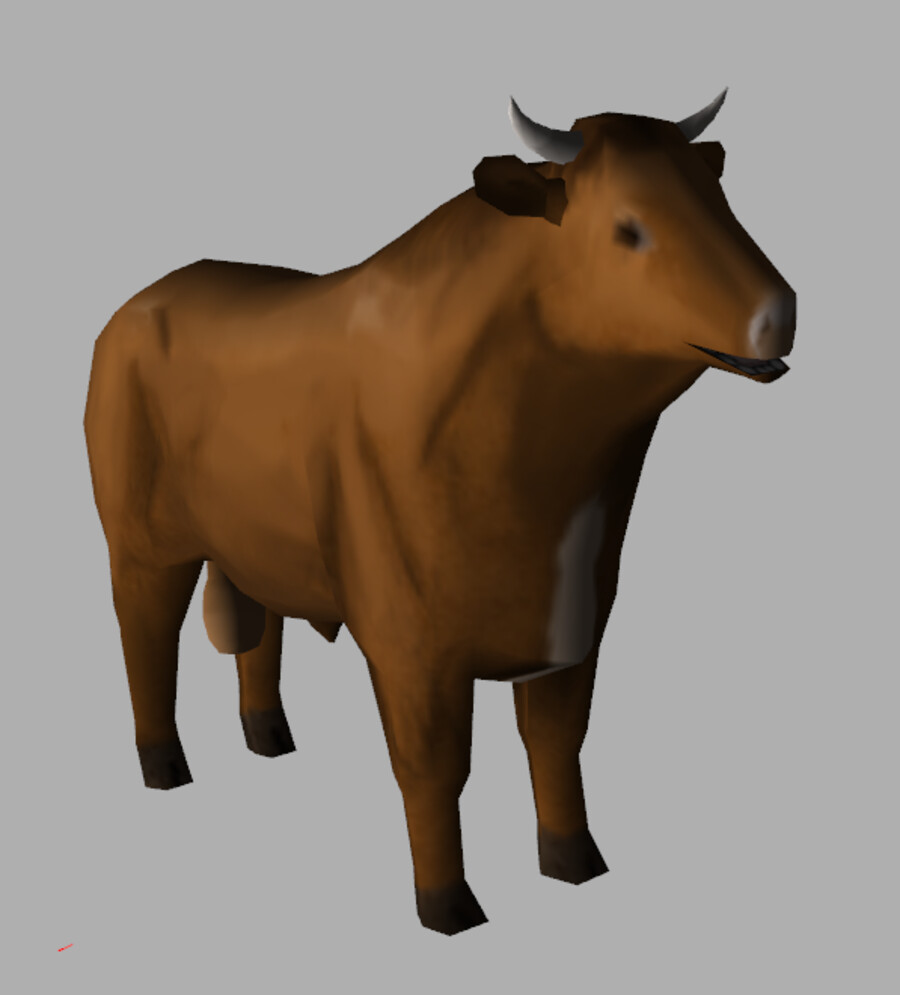
Four conditions have to line up, and the game tells you about roughly one of them.
- One male and one female of the same species, in the same zone. Ram and ewe are the same species, and so are cow and bull. The separate names are sex, not breed.
- Both at adult stage. Check the stage in Animal Info. A lamb and a ram produce nothing.
- The species inside its breeding season. A ram and ewe can share a pen for two in-game months without a lamb because they are simply out of season.
- Both passing a fertility check. Every animal carries a fertility value, and each parent is checked separately, so one sterile animal stops the pairing on its own.
Season is close to invisible at low skill. As Animal Care levels up, the inspection panel starts showing whether an animal is in season, which turns a guessing game into a schedule. Sandbox has a breeding season toggle too, and it affects egg production as well as live births.
Season is also what decides whether your males fight. Two males of the same species attack each other only during breeding season, only once both are old enough, and only inside the same zone. It is not line of sight, so a second pen a few tiles away separates them completely.
Mixing species is safe. Cows, sheep, pigs, and chickens share a zone without incident, and nothing tramples anything.
Chickens work slightly differently. One cockerel tends multiple hens in the same zone, and those hens then lay fertilized eggs that hatch into chicks. Fertilized eggs are heavier than plain ones and carry different nutrition, but nothing on the icon distinguishes them.
A fertilized egg taken out of the hutch still hatches. It will not spoil or die sitting in the zone, which means you can move a clutch to a pen you actually want chicks in.
Once a calf is born, keep it in its mother’s zone. Calves drink from the mother, and separating them cuts the calf off from its food source.
Genetics and the Inbreeding Trap
Every animal carries two alleles per gene, one from each parent, across traits including max milk, meat ratio, max weight, life expectancy, fertility, hunger resistance, and thirst resistance. Breeding your best producers together compounds those traits over generations.
There is a cost to running a closed herd. Alleles come in dominant and recessive forms, and recessive genetic disorders surface when you breed relatives repeatedly. One of them, skinny, divides an animal’s base weight by three before any other modifier applies, which guts meat and hide yield in a single generation.
Bring in an outside bull or ram every few generations. It is cheaper than rebuilding a herd.
Enclosure Size and Stunted Growth
Every animal stage has a minimum tile count, and the game checks the whole zone against it. An adult cow or bull needs 80 tiles, adult sheep, pigs, chickens, turkeys, and raccoons need 40, and babies and rodents need 20.
Undershoot that number and the animal is flagged as being in a small enclosure, which cuts its daily weight gain by a factor of eight. It still lives. It just never gets big, and every product scaled to body size shrinks with it.
Growth works day by day. An animal starts a life stage at its minimum weight and climbs toward the maximum across that stage, faster when its health is high and slower when it is hungry, thirsty, or cramped. Hit adulthood underweight and that is the animal you keep.
Breed choice sets the ceiling. A Holstein reaches 60 to 80 percent of the base weight range for cattle, a Simmental 50 to 70, an Angus 45 to 65, and Suffolk sheep land at 55 to 75. If you are raising for meat and hide, the breed decides the outcome before you feed anything.
Milk, Wool, and Eggs
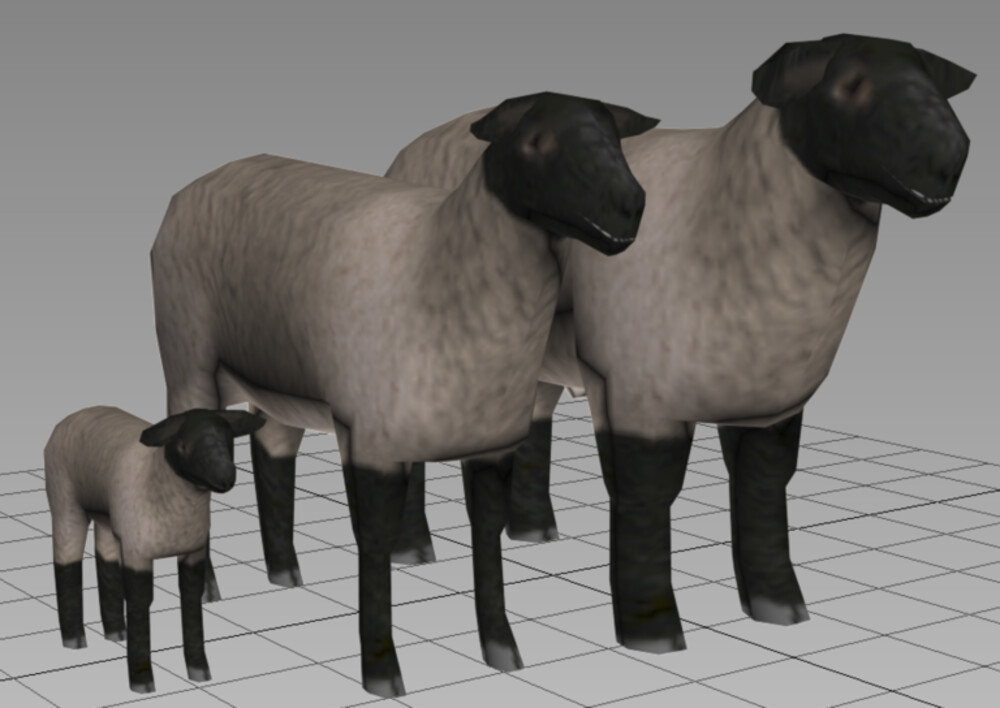
Milk begins once the female is pregnant, not once the calf is on the ground. Bring a bucket, pot, or tray, since milking needs a large liquid container in your inventory.
Then keep milking. Capacity grows the more you milk, so a cow worked regularly eventually produces far more than one left alone, and a cow that is neither milked nor nursing slows down, stops, and loses what she had stored.
Skipping milking has a cost beyond lost dairy. A full udder sitting at 85 percent of capacity or higher damages the animal’s health until you empty it. At Animal Care level 8 you can milk an animal no matter how stressed it is, which removes the last thing that gets in the way.
Wool comes off with shears, which show up in barns and tool stores. Right click the sheep, choose to shear it, and the wool goes into your inventory as a crafting material. A spinning wheel turns it into thread and yarn from there.
Eggs need no processing and no tools, which makes chickens the shortest path from a captured animal to food on the table. Hens lay into the egg boxes in a hutch, and if there is no hutch or every box is full, they lay wherever they happen to be standing in the zone.
Clean the hutch. Dirt builds up as chickens use it, and a hutch left filthy makes the birds sick enough to die. You need water and something that removes stains.
The hutch earns its keep a second way. It shelters chickens from the night predator event, and birds sleeping in the open are the ones that go missing.
Butchering a chicken returns one whole carcass, a head, two feet, and 70 to 80 feathers, with an occasional egg from a hen. Feathers feed tailoring recipes, so the birds pay out even at the end.
Droppings are worth collecting rather than ignoring. Pick them up with gloves or a shovel and compost them into fertilizer, which closes the loop between the pen and the vegetable plot.
Getting Animals Back to Base
Livestock live on farms, in barns, and around the large agricultural properties out past the towns. Wrecked animal trailers also turn up on roads, sometimes with the animals still nearby.
On foot, right click the animal, hover its name, and attach it to a rope. It follows you until you release it, and it settles once you walk it into a livestock zone. That works for one animal at a time over short distances.
By vehicle, you want a livestock trailer. Rope the animal, walk it to the trailer, then right click the trailer to load it. At the far end you rope it again and lead it into the zone.
Animals in unloaded chunks are not simulated, so they do not age, starve, or dehydrate while you are away. A herd you find early and cannot move yet will still be there, at the same age, whenever you come back with a trailer.
There is a deadline of a different kind. Somewhere after the first six to twelve months, farm animals in freshly generated areas start spawning as corpses instead of livestock. Trailers are the exception, since animals inside one spawn alive no matter how late in the run you find it, which makes a wrecked trailer the reliable way to start a herd on a long save.
Zombies will not attack your animals. They are drawn to the noise animals make, though, so a loud pen pulls the horde to your fence line and the stress that follows empties the zone.
Frequently Asked Questions
What do animals eat in Project Zomboid?
Grass, straight off the tile, which means a zone painted over a field feeds itself. Troughs take hay, animal feed, vegetables, fruit, and most food a survivor could eat as long as it has not rotted.
Why are my animals always stressed?
Check rain first. Any rainfall stresses an animal standing out in it, so a zone with no roofed tiles bleeds stress every storm. After that, check hunger and thirst past 80 percent, zombies near the zone, and whether an animal has wandered upstairs, which stresses it on its own.
Why will my ram and ewe not breed?
Sheep have a breeding season, so a healthy adult pair can share a pen for weeks and produce nothing simply because they are out of season. Level Animal Care and the inspection panel will start telling you whether an animal is in season.
Why is my cow not producing milk?
Milk starts once the cow is pregnant, so a bull has to share her zone first and the pair has to actually breed. Once it starts, keep milking or let the calf nurse, because output slows, stops, and then degrades if you leave her alone.
Do I need a fence to stop my animals escaping?
A fence removes the small chance a contented animal wanders out, so it does help. It will not hold a stressed cow or pig, which can break fences including the ones already on the map, so fix the stress rather than trusting the wall.
Can one trough hold both food and water?
No. A trough holds one or the other, and you have to empty it completely before switching. Build two troughs per pen, and leave the water trough unroofed so rain fills it for free.
Gear for Long Sessions
Zomboid is an isometric game where the screen edge is your draw distance, and a survival game where you hear a horde before you see it. Both of those are hardware problems as much as skill ones.

Acer Predator X27U
27 inch QHD QD-OLED. More resolution means more tiles on screen, which in an isometric game means you see the horde a street earlier.

HyperX Cloud Alpha 2 Wireless
Positional audio is a survival mechanic here. Groans through a wall are the only warning you get, and 250 hours of battery covers a long run.

Keychron K8 Max
Zomboid runs on hotkeys and inventory work. A hot swappable TKL keeps the crafting menus fast without eating the desk space your mouse needs.
Summary
A herd fails for boring reasons. The trough had water when it needed food, the pen was 60 tiles when it needed 80, two rams shared a zone, or the sheep were simply out of season while you waited for lambs.
Fix those four and livestock turns into the most reliable food supply in the game, because unlike crops it replaces itself. Build the pen oversized, run two troughs, keep one male per species, and walk instead of running when you are inside the fence.
Build 42 pushed Project Zomboid to its highest player count ever after a nineteen month wait, and you can see where it lands against everything else on our most played games on Steam tracker. If the building half of Build 42 is what pulled you back, Scrap Mechanic 1.0 scratches a similar itch.