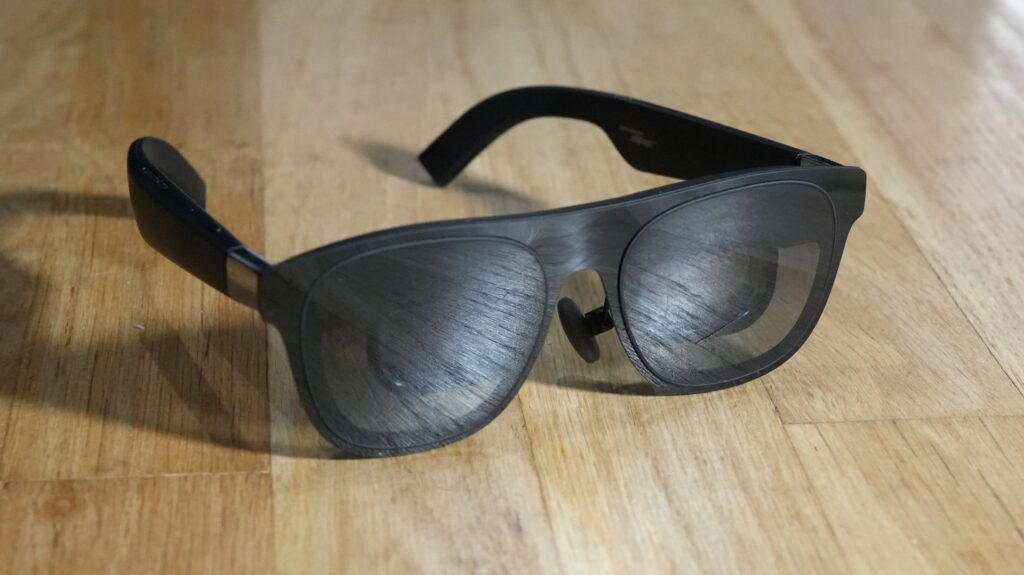
Quick Answer
The XREAL One is the best smart glasses for display use in 2026. Sony Micro-OLED panels, a built-in X1 spatial chip, and a 52-degree field of view for $449. If you want AI and a camera instead of a screen, the Ray-Ban Meta Gen 2 ($459) is the only serious option. On a budget, the RayNeo Air 2s ($299) punches way above its price.
Disclosure: /SKILL is reader-supported. When you buy through links on our site, we may earn an affiliate commission at no extra cost to you. Learn more
Smart glasses used to be a punchline. Google Glass made “Glasshole” a word, and the whole category went quiet for years. That changed at CES 2026. RayNeo, XREAL, VITURE, Meta, and ASUS all launched new models within weeks of each other. The problem now is not whether smart glasses are worth buying, but which ones are worth buying, because there are too many to keep track of.
I spent weeks comparing specs, reading long-term user reports on Reddit, and cross-referencing reviews from Tom’s Guide, Wareable, and Gizmodo. Here are the best smart glasses in 2026, organized by what you actually need them for.
Best Smart Glasses for Display (Movies, Gaming, Productivity)
Display glasses are wearable screens. They connect to your phone, laptop, or handheld via USB-C and project a massive virtual display in front of your eyes. No onboard processing, no battery drain. Think of them as a private monitor you wear on your face.
XREAL One: Best Overall ($449)
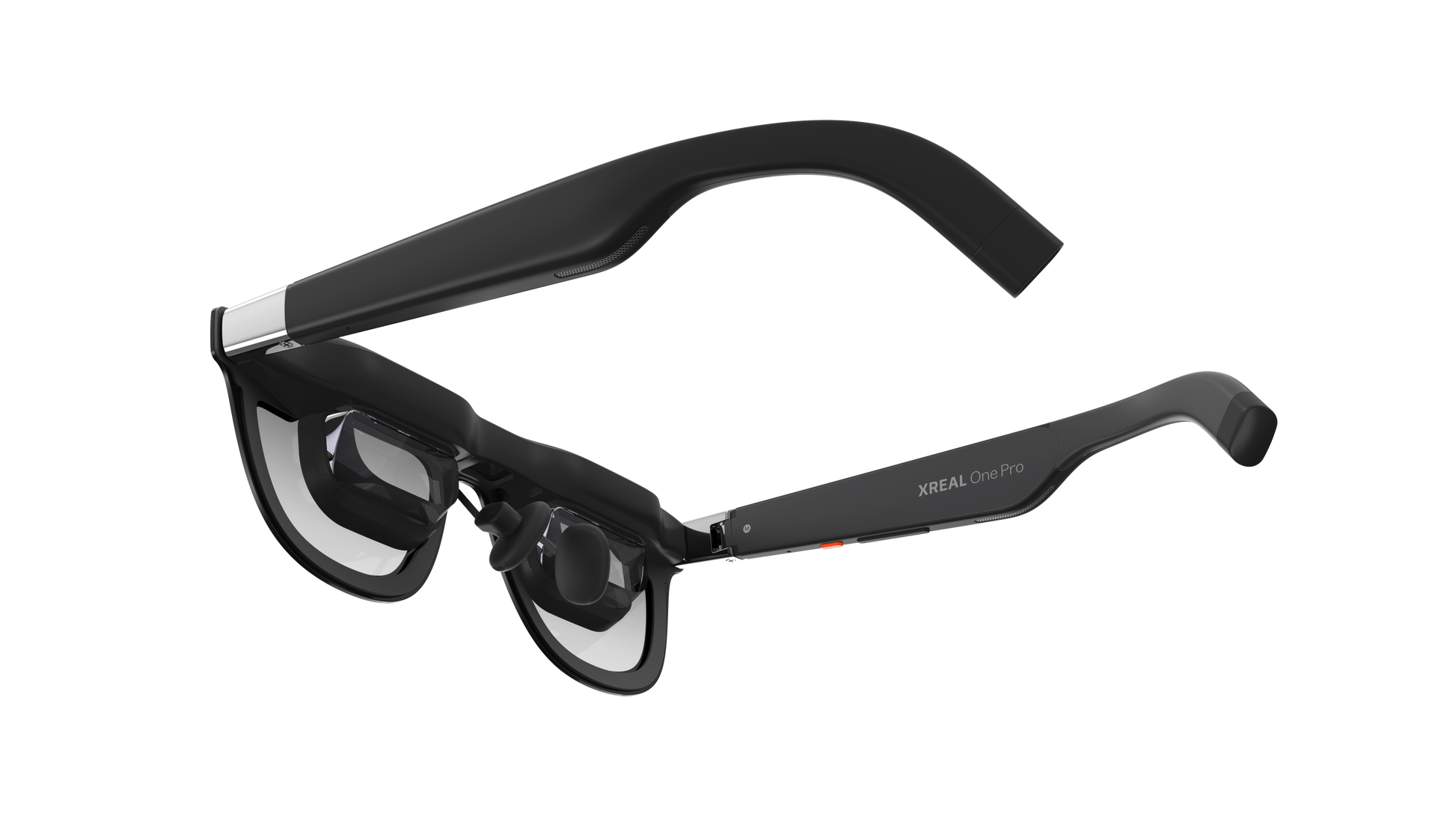
The XREAL One earned Tom’s Guide’s #1 pick for good reason. The X1 spatial chip handles 3DoF tracking on-device, so the screen stays locked in place when you move your head. No software required. Plug into a USB-C device and it just works.
The Sony Micro-OLED panels push 1200p per eye at 120Hz with 700 nits of brightness. The 52-degree field of view is wider than most competitors, and you can stretch it to a simulated 32:9 ultrawide for productivity. Bose speakers are built in, which sound noticeably better than the tinny audio on cheaper glasses. At 82g it is slightly heavier than the competition, and extended use with Real 3D mode generates noticeable heat. Those are the tradeoffs for getting the best display tech available right now.
Pair it with a Steam Deck and XREAL’s $99 Neo Hub adapter, and you have a portable 500-inch gaming screen that fits in your backpack. It also works with the Nintendo Switch 2.
VITURE Pro XR: Best for Glasses Wearers ($459)
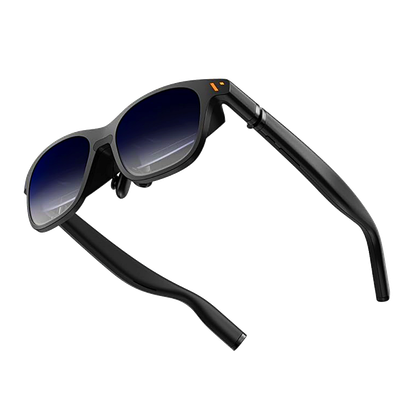
If you wear glasses, the VITURE Pro XR saves you from buying separate prescription lens inserts. It has built-in myopia dials that adjust up to -5 diopters. Every other pair on this list needs $50-$80 prescription inserts, so factor that into the real cost.
The display hits 4000 nits peak brightness, which is absurd for something this size. Electrochromic dimming lets you block out ambient light for a cinema-like experience. The 46-degree FOV is narrower than the XREAL One, and the colors lean slightly oversaturated out of the box. For gaming on a Steam Deck or Switch, VITURE’s Spacewalker software has solid handheld integration. At 77g, it is comfortable for long sessions.
RayNeo Air 2s: Best Budget ($299)
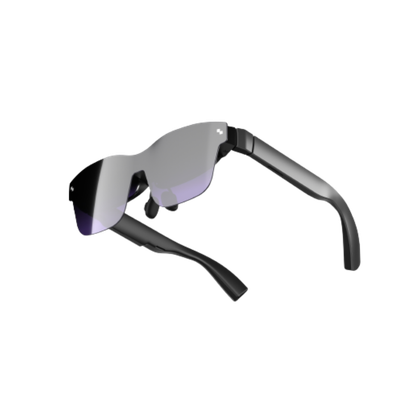
$299 gets you Micro-OLED panels with 120Hz, 98% DCI-P3 color, and a 201-inch virtual screen. The RayNeo Air 2s does not have the spatial computing features of the XREAL One, but if you just want a big, beautiful screen on your face for watching movies or gaming on a plane, it delivers.
The quad-speaker system is a nice touch at this price. No electrochromic dimming, though, so you will want to use the included lens shade in bright environments. Weight is 79g, which is standard for this category. If you want to spend even less, the RayNeo Air 3s Pro sometimes drops to $249 with coupons.
Worth noting: RayNeo just launched the Air 4 Pro ($299 at rayneo.com), which adds HDR10 support and Bang & Olufsen audio. It is not on Amazon yet, but if you can buy direct, it is the better pick at the same price.
Best AI & Camera Smart Glasses
September 2026 update: Ray-Ban Meta Gen 3 now starts at $449. Our Meta Connect 2026 recap covers its new battery, microphones, and frame options.
AI glasses look like regular sunglasses. No virtual screen. Instead, they pack cameras, speakers, microphones, and an AI assistant into the frame. You wear them for hands-free photos, phone calls, music, and voice commands.
Ray-Ban Meta Gen 2: Best AI Glasses ($459)
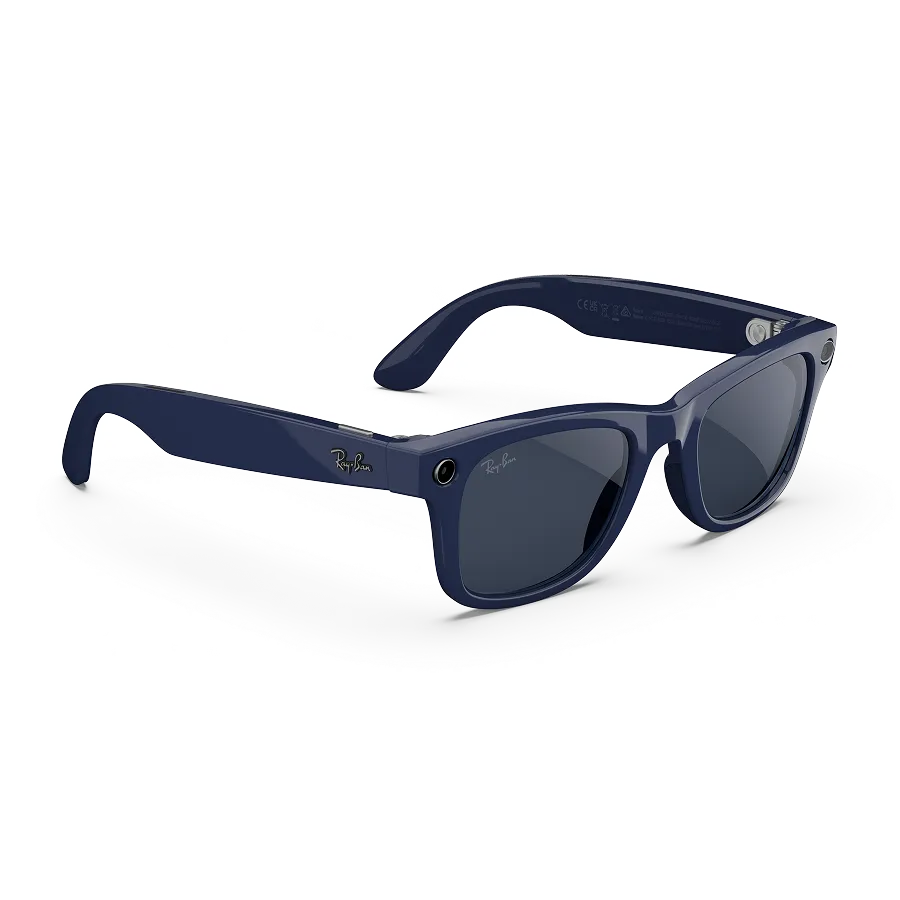
Nothing else comes close here. The Gen 2 doubled the battery life to 8 hours, upgraded to 3K video at 60fps, and added live translation in 30+ languages. At 48g, they feel like normal Ray-Bans. People cannot tell you are wearing smart glasses unless they look closely at the tiny camera lens.
Meta AI is the real selling point. Ask it to identify a plant, translate a menu, or remind you where you parked. Vision AI can see what you see and respond to questions about it. Phone call quality is good enough that callers do not realize you are on glasses.
The downsides are real, though. Meta uses your AI conversations for ad targeting. There is no live viewfinder, so you are guessing at shot composition. Video is locked to a single 3:4 aspect ratio. And the $459 price tag for the Transitions lens version stings when you remember there is no display at all. The base clear-lens model starts at $379.
If privacy concerns keep you away from Meta, the Even Realities G1 ($499 at evenrealities.com) takes the opposite approach: no camera, no speakers, just a tiny green micro-LED display for notifications and navigation. It weighs 44g and looks like regular glasses. It is a niche product, but a thoughtful one.
Quick Comparison: Best Smart Glasses 2026
| Model | Price | Type | Weight | Display | FOV | Best For |
|---|---|---|---|---|---|---|
| XREAL One | $449 | Display | 82g | 1200p 120Hz | 52° | Best overall display |
| Ray-Ban Meta Gen 2 | $459 | AI/Camera | 48g | None | N/A | Best AI glasses |
| VITURE Pro XR | $459 | Display | 77g | 1080p 120Hz | 46° | Prescription wearers |
| RayNeo Air 2s | $299 | Display | 79g | 1080p 120Hz | ~46° | Budget pick |
| XREAL Air 2 Pro | $399 | Display | 75g | 1080p 120Hz | 46° | Mid-range with dimming |
What to Know Before You Buy Smart Glasses
Pick a category first. Smart glasses split into three camps: display glasses (virtual screen for movies and games), AI/camera glasses (photos, calls, voice assistant), and full AR glasses (digital overlays on the real world). No single pair does all three well. Decide what you need before comparing specs.
Battery claims are optimistic. Manufacturer specs measure battery under ideal conditions. Real-world use drains faster. The Ray-Ban Meta Gen 2 claims 8 hours, which holds up for mixed use, but heavy video recording cuts that significantly. Display glasses draw power from your connected device, so battery life depends on your phone or handheld.
Your device needs USB-C with DisplayPort Alt Mode. Display glasses do not work with every USB-C port. Your phone, laptop, or gaming handheld needs to support DP Alt Mode over USB-C. Most flagship Android phones, Steam Deck, Switch 2, and recent laptops support it. iPhones 15 Pro and newer work too. Check before you buy.
Comfort caps out around 2-3 hours. Even the lightest pair (Lenovo Legion Glasses 2 at 65g) is still double the weight of normal sunglasses. Expect a break-in period. Reddit users consistently report that tension headaches in the first week are normal and fade with use.
Privacy is a live issue. Camera-equipped glasses make some people uncomfortable. Meta’s recording LED is small and hard to see in daylight. Schools have started banning them. The US Air Force banned Meta AI glasses for operational security reasons. If you plan to wear camera glasses daily, be ready for conversations about it.
What About Full AR Glasses?
True AR glasses that overlay digital information on the real world exist, but they are not ready for most buyers. The RayNeo X3 Pro ($1,299) is the only full-color standalone pair shipping today. It runs Google Gemini, does real-time translation, and has a 6000-nit MicroLED display. But the battery lasts 3-5 hours, the display is optimized for text and info overlays rather than immersive content, and reviewers consistently note that it looks too futuristic for casual wear.
The real excitement is later in 2026. XREAL’s Project Aura promises a 70-degree field of view with Android XR and hand tracking. Snap is preparing consumer Specs with on-device computing and no external puck. Both are still pre-order or prototype stage, so wait for reviews before committing.
For gaming, keep an eye on the ASUS ROG XREAL R1, coming in the first half of 2026. It has a 240Hz refresh rate (the highest in any AR glasses), 3ms latency, and a control dock that connects to PC, Switch, Xbox, and PS5. No price announced yet.
Frequently Asked Questions
Are smart glasses worth the money in 2026?
It depends on what you want them for. Display glasses like the XREAL One ($449) give you a portable giant screen for gaming and movies, and they work. AI glasses like the Ray-Ban Meta Gen 2 ($459) replace your earbuds and add a camera. Both categories have matured enough to recommend. Full AR glasses are still early-adopter territory.
Do smart glasses work with prescription lenses?
Most display glasses require separate prescription lens inserts ($50-$80 from third-party vendors). The VITURE Pro XR has built-in myopia correction up to -5 diopters, which eliminates that cost. Ray-Ban Meta glasses are available with prescription lenses through Ray-Ban’s standard lens program.
Which smart glasses work with Steam Deck and Nintendo Switch 2?
Any display glasses with USB-C DP Alt Mode work with Steam Deck. For Nintendo Switch 2, the XREAL 1S with the $99 Neo Hub adapter is the best-tested option. The VITURE Pro XR also has strong handheld gaming integration through its Spacewalker software.
Can people tell when you are recording with camera glasses?
Ray-Ban Meta glasses have a small white LED that lights up during recording, but it is hard to see in daylight. There is no way to disable the LED through software, though third-party modifications exist. Most people will not notice you are recording unless they look closely.
How long does smart glasses battery last in real use?
Display glasses draw power from the connected device, so there is no separate battery to worry about. Ray-Ban Meta Gen 2 gets about 8 hours of mixed use (music, calls, occasional photos). Heavy video recording drops that closer to 4 hours. The charging case adds an extra 32-48 hours of total charge.
The Bottom Line
The smart glasses market finally has products worth recommending to normal people, not just tech enthusiasts. For a big portable screen, get the XREAL One ($449). For hands-free AI and a camera, get the Ray-Ban Meta Gen 2 ($459). On a budget, the RayNeo Air 2s ($299) gets you 90% of the display experience for much less. If you wear prescription glasses, the VITURE Pro XR ($459) saves you the hassle and cost of separate lens inserts.
Skip full AR for now unless you have cash to experiment with. The real breakthroughs (70-degree FOV, hand tracking, all-day battery) are coming later this year. These display and AI picks are the ones worth your money today.
| Need | Get This |
|---|---|
| Best overall display | XREAL One ($449) |
| Best AI glasses | Ray-Ban Meta Gen 2 ($459) |
| Best for glasses wearers | VITURE Pro XR ($459) |
| Best budget | RayNeo Air 2s ($299) |
| Best mid-range | XREAL Air 2 Pro ($399) |