
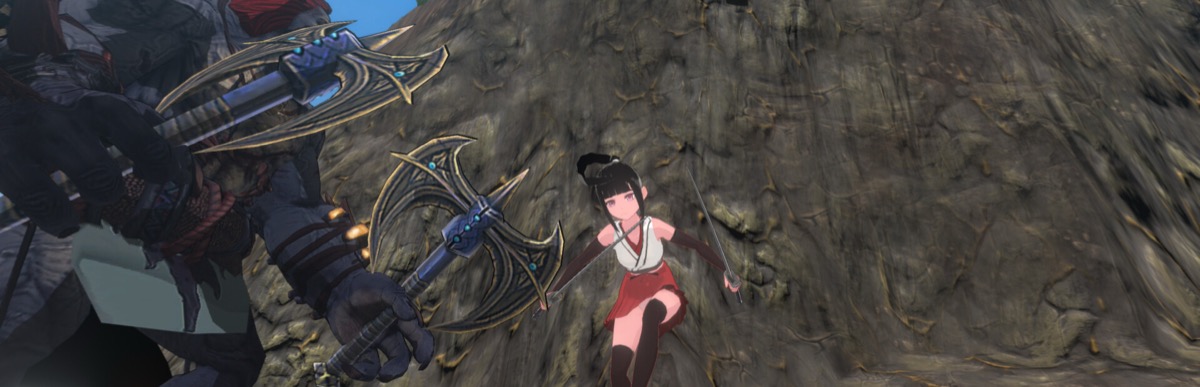
Towerborne's 1.0 launch marks one of the most ambitious pivots in recent gaming history—from free-to-play live service to premium offline-capable co-op brawler. After 100+ hours in early access testing builds and class combinations, here's everything you need to know to dominate from day one.
Table of Contents
- Quick Answer
- What is Towerborne?
- Understanding the Four Classes
- The Belfry: Your Hub World
- Combat Fundamentals
- Progression and Loot
- Co-Op Tips
- Umbra Companions
- Danger Levels Explained
- Pro Tips
- FAQ
Quick Answer: Towerborne Beginner Essentials
- Release: February 26, 2026 for PC, Xbox Series X|S, and PS5
- Price: $24.99 Standard / $29.99 Deluxe
- Genre: Side-scrolling action RPG with co-op (up to 4 players)
- Best starting class: Sentinel for beginners (defensive, forgiving)
- Key tip: Don't commit to one class—you can swap freely outside combat
- Progression carries over from early access if you already own it
What is Towerborne?
Towerborne is a side-scrolling action RPG developed by Stoic, the studio behind the award-winning Banner Saga trilogy. Published by Xbox Game Studios, it blends beat 'em up combat with Diablo-style loot and modern roguelite progression systems.
You play as an Ace—a hero defending the Belfry, humanity's last refuge in the post-apocalyptic City of Numbers. The game supports both local and online 4-player co-op, though the 1.0 update adds full offline single-player support.
Key changes in 1.0:
- No longer free-to-play—premium one-time purchase
- Offline play support added
- Revised story and progression
- Multiple save slots
- All early access purchases upgrade to Standard Edition
Understanding the Four Classes
Towerborne features four distinct weapon classes. The key innovation? You're never locked in. Outside of combat, you can swap classes freely at the Belfry, so don't stress about your initial choice.
Sentinel (Sword & Shield)
Playstyle: Tank/Support
Difficulty: Beginner-friendly
The Sentinel excels at controlling enemy aggro and protecting teammates. Their parry window is forgiving, and spin attacks clear crowds efficiently. Best for players who want to learn enemy patterns safely.
Key abilities: Shield bash, defensive stance, ally protection buffs
Pyroclast (Warclubs)
Playstyle: Heavy DPS
Difficulty: Intermediate
Pyroclasts build heat with attacks, then release it for massive damage-over-time effects. Slower than other classes but devastating when combos connect. Ideal for players who like commitment to big damage windows.
Key abilities: Heat buildup, AOE explosions, burn effects
Rockbreaker (Gauntlets)
Playstyle: Fast Brawler
Difficulty: Intermediate
Rockbreakers deliver rapid, sweeping strikes that excel at crowd control. Their gauntlets make them effective at staggering enemies and creating openings for teammates.
Key abilities: Rapid combos, wide sweeps, stagger attacks
Shadowstriker (Dual Daggers)
Playstyle: Assassin/Debuffer
Difficulty: Advanced
Shadowstrikers deal in poison, debuffs, and precision strikes. High skill ceiling but devastating in the right hands. Best for experienced players who understand enemy patterns.
Key abilities: Poison application, debuff stacking, high single-target DPS
The Belfry: Your Hub World
The Belfry serves as your central hub—think of it like Diablo's town or Monster Hunter's hub. Here's what you can do:
- Swap classes — Change your weapon/class anytime outside missions
- Customize your Ace — Full cosmetic customization, all items work on all body types
- Manage gear — Equip weapons, aspects (build modifiers), and gear
- Accept missions — Access the hex-based world map
- Unlock Umbra — Bind companion spirits for additional abilities
Spend time exploring the Belfry early on. NPCs provide context for the world and occasionally unlock features or missions.
Combat Fundamentals
Towerborne's combat draws from beat 'em ups with soulslike weight. Here's what you need to master:
Positioning Matters
This is a side-scrolling game, but you have vertical movement on each plane. Line up with enemies vertically to ensure your attacks connect—whiffing because you're on the wrong plane is a common beginner mistake.
The Core Combat Loop
- Light attacks: Fast, combo starters
- Heavy attacks: Slower, higher damage, combo finishers
- Weapon skills: Two equipped abilities (weapon-dependent)
- Class specials: Unique to your class
- Dodge roll: Provides i-frames (invincibility frames)
I-Frames Are Your Best Friend
Your dodge roll grants a window of invulnerability. Learn to dodge through attacks rather than away from them. This is especially crucial for boss fights where positioning after the dodge matters as much as the dodge itself.
Progression and Loot
Loot works similarly to Diablo—you'll constantly find gear with various rarities and stat rolls.
Gear Types
- Weapons: Come with 1-2 built-in abilities that define your playstyle
- Armor: Defensive stats and bonuses
- Aspects: Build modifiers that alter how abilities work
Aspect System
Aspects are Towerborne's version of skill modifiers. They dramatically change how your abilities function. Don't just chase raw stats—synergistic aspects can multiply your effectiveness more than a simple damage increase.
Leveling Strategy
Your character level is separate from class proficiency. When you want to level an alt class, you can drop the danger level temporarily without losing progress on your main. Co-op with higher-level friends will also boost your leveling speed.
Co-Op Tips
Towerborne shines in co-op. Here's how to maximize your squad:
- Team composition matters: Having a Sentinel tank makes everything easier
- Revive priority: You can revive downed teammates—make it a priority
- Power-leveling works: Lower-level players can join higher-level missions and gain boosted XP
- Loot is personal: Your drops are yours; no fighting over gear
- Communication: Call out big enemy attacks, especially in boss fights
Umbra Companions
Umbra are spirit companions that provide powerful cooldown-based abilities. You'll unlock your first Umbra by finding Umbra Shrines on the world map.
How they work:
- Equip one Umbra at a time
- Each Umbra has a unique ability on a cooldown
- Abilities range from damage bursts to healing to crowd control
- Unlock more Umbra by exploring and completing specific content
Don't ignore Umbra—they're essentially a fifth ability that can turn the tide of difficult encounters.
Danger Levels Explained
Towerborne uses a tier system called Danger Levels to scale difficulty:
- Higher danger = better loot (but tougher enemies)
- You control the difficulty — ratchet it up as you improve, drop it down when learning new classes
- Danger Level affects mission rewards across the entire map
There's no shame in lowering danger level. The game is designed for you to push up when confident and pull back when experimenting.
Pro Tips
- Experiment with every class early — You might be surprised which clicks. The Sentinel seems boring but is incredibly satisfying once you master parry timing.
- Don't hoard consumables — They drop regularly. Use them.
- Explore every hex — Side content often rewards unique gear or Umbra unlocks.
- Watch for attack telegraphs — Boss attacks have clear windups. Learn the patterns.
- Aspect synergy beats raw stats — A lower-rarity aspect with perfect synergy outperforms a legendary with bad fit.
- The world map unlocks progressively — Don't rush. Clear available content before pushing into new areas.
- Co-op with friends when stuck — No penalty for bringing help, and you still get full rewards.
FAQ
Is Towerborne free-to-play?
No. Stoic changed direction—Towerborne 1.0 is a premium game at $24.99 (Standard) or $29.99 (Deluxe). No microtransactions in the 1.0 model.
Does progress carry over from early access?
Yes. All progression, gear, and unlocks carry over. Early access owners automatically receive the Standard Edition upgrade.
Can I play Towerborne offline?
Yes. The 1.0 update adds full offline support—a major change from the always-online early access version.
Is Towerborne on Game Pass?
Yes. Towerborne is available on Xbox Game Pass from launch day.
How long is Towerborne?
The main campaign takes roughly 15-20 hours. Endgame content, class mastery, and higher danger levels extend this significantly for completionists.
Summary
Towerborne's 1.0 release represents a confident reinvention—Stoic listened to feedback and delivered a premium co-op experience that respects your time and money. Start with Sentinel if you're cautious, experiment with all classes since there's no commitment, and don't forget your Umbra abilities in tough fights. Whether you're playing solo or with friends, the Belfry awaits its next Ace.