Quick Answer
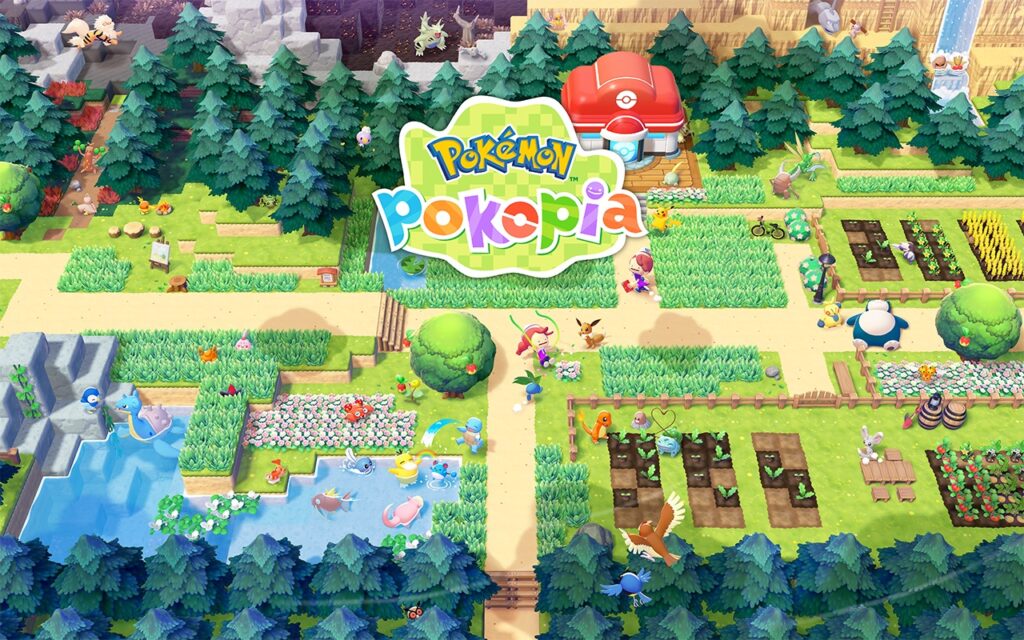
Pokemon Pokopia launches March 5, 2026 as a Switch 2 exclusive where you play as a Ditto building habitats to attract 80+ Pokemon. There’s no combat. Instead, you learn moves from befriended Pokemon and use them as tools to gather resources, build structures, and terraform the island. Befriend Bulbasaur, Squirtle, and Scyther first for their essential utility moves.
In This Guide
Pokemon Pokopia isn’t what anyone expected from a Koei Tecmo collaboration. Instead of Dynasty Warriors with Pikachu, it’s a cozy life sim where you play as a Ditto in human form, rebuilding an abandoned island by attracting Pokemon through habitat crafting. If you’ve played Animal Crossing, Viva Pinata, or Dragon Quest Builders 2 (same director, Takuto Edagawa), you’ll feel right at home. This Pokemon Pokopia beginner guide covers the mechanics that matter most in your first hours: which Pokemon to befriend, how habitats actually work, and the mistakes that waste your early game.
What Is Pokemon Pokopia?
You’re a Ditto who has been mimicking the appearance of its lost trainer, searching for them across a post-apocalyptic island where humans have disappeared. Professor Tangrowth, a vine-bearded variant who hasn’t seen a human “walking around in a long time,” gives you a mysterious Pokedex that responds to you because you look like its original owner. That backstory hits harder than you’d expect from a game about building houses for Bulbasaur.
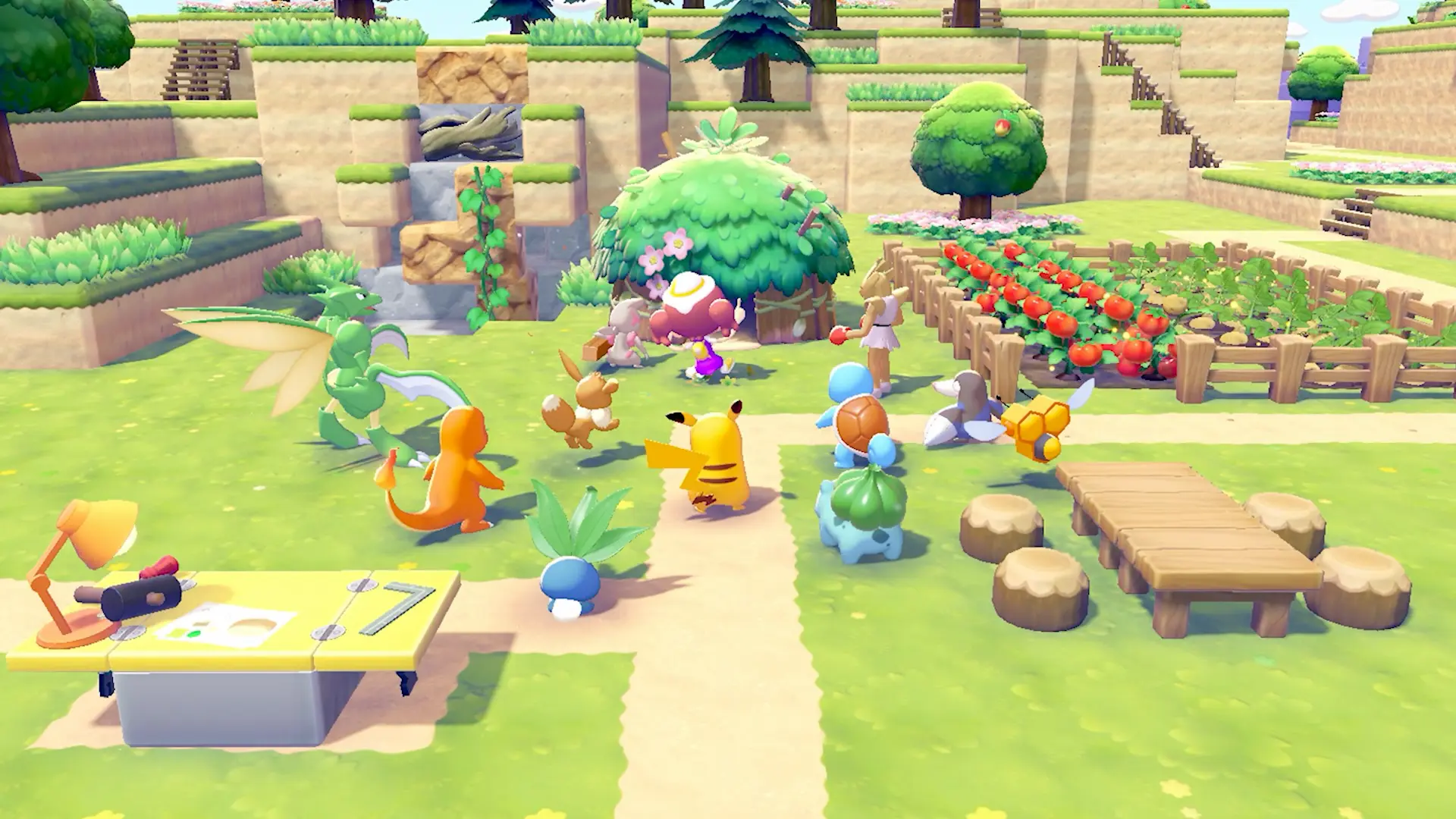
The gameplay loop: gather resources, craft furniture and structures, build habitats that attract specific Pokemon, befriend those Pokemon, and learn their moves. Those moves replace traditional tools entirely. There’s no axe, pickaxe, or fishing rod. Ditto’s body morphs to use each ability, and the animations are intentionally goofy. Your arms turn into vine whips for Leafage. You become a chibi Lapras to cross water. It’s charming in a way that screenshots don’t fully capture.
The main story runs 20-40 hours depending on how much you explore. Post-credits content is extensive. Serebii’s preview noted they’ll “probably still be discovering elements months after launch.”
Your First Day: What to Prioritize
The opening tutorial walks you through rebuilding the abandoned Pokemon Center using sticks, leaves, and nearby Pokemon. Once that’s done, you’re free to explore. Here’s where your time should go.
Befriend the starter trio first. Bulbasaur (Leafage), Squirtle (Water Gun), and Scyther (Cut) give you the three most important utility moves. Leafage plants grass for habitats and terraforming. Water Gun revives dried patches and fills water features. Cut fells trees for wood, your main building material. Without these three, you’re stuck gathering by hand.
Manage your energy. Every move costs energy, and early on your meter is small. Eat food between tasks to refill it. Don’t waste energy on moves you don’t need yet. Seasonal bonuses reduce costs for matching types: grass moves cost less in spring, water moves in rainy weather. Pay attention to this early and you’ll get more done per day.
Rebuild the Pokemon Center fast. Completing challenges there raises your environment level, which unlocks new furniture recipes and shop inventory. The earlier you get your first level-up, the more options you have for attracting rarer Pokemon. If you’ve played Story of Seasons, this loop will feel familiar: invest in infrastructure early, reap compounding rewards later.
Pokemon Pokopia Beginner Guide: How Habitats Work
Habitats are the core system. Place the right combination of environmental elements near each other, and specific Pokemon show up over time. Think Viva Pinata’s garden mechanic but with Pokemon. Once a Pokemon arrives, you increase friendship through gifts and crafted comfort items. Happy Pokemon teach you their signature move.
| Habitat Setup | Pokemon Attracted | Move Learned |
|---|---|---|
| 4 patches of tall grass | Bulbasaur | Leafage |
| Tall grass near water | Squirtle | Water Gun |
| 4 grass patches around a tree | Scyther | Cut |
| Campfire | Charmander | Ember |
| Punching bag + weight bench | Hitmonchan | Rock Smash |
| Boulder + 4 grass patches | Timburr | Unknown |
| Nearby plants | Drilbur | Dig/Till |
| Boxes on a cart | Makuhita | Unknown |
| Ice sculpture | Ice-types | Varies |
Some Pokemon require specific times of day or weather conditions. Rarer species need more complex setups. Each habitat can spawn multiple Pokemon of varying rarity, so patience pays off. Pokemon also have individual personalities with distinct likes and dislikes, and they talk in full sentences. Arcanine will literally roar at you if you remove its front-lawn signpost.
Every Ditto Move and How to Get It
Ditto doesn’t learn moves through leveling. You befriend a Pokemon, and it teaches you its signature ability. These moves replace every tool in the game.
| Move | Source Pokemon | What It Does |
|---|---|---|
| Leafage | Bulbasaur | Plants grass and vegetation instantly |
| Water Gun | Squirtle | Waters plants, fills water features |
| Cut | Scyther | Fells trees, mows grass (arms become blades) |
| Ember | Charmander | Lights campfires, creates warm zones |
| Rock Smash | Hitmonchan | Breaks rocks and stone blocks |
| Dig/Till | Drilbur | Tills soil for gardening |
| Surf | Lapras | Cross water (transforms into chibi Lapras) |
| Fly | Dragonite | Air travel (transforms into chibi Dragonite) |
Rotate between moves using the directional buttons. Each one drains energy, so keep food on hand. Water and grass moves cost less during matching weather and seasons. Dragon and psychic moves are expensive but powerful. Prioritize Leafage, Water Gun, and Cut first since they cover 90% of early-game tasks.
Pokopia-Exclusive Variants
Pokopia introduces four new Pokemon variants that don’t exist in mainline games. Whether they’ll appear in future titles is unknown.
Professor Tangrowth is your island guide and mentor. Grey vines form a beard, and it wears glasses. It’s the last surviving inhabitant of the abandoned town.
Peakychu is a pale, ghost-like Pikachu with bigger eyes and droopy ears. Likely Ghost-type, though not confirmed.
Mosslax is a Snorlax covered in moss after sleeping somewhere for way too long. A nature-themed variant that fits the island setting.
Smearguru is a Smeargle splattered with paint, leaning into an artist/painter aesthetic. Expect it tied to the customization or building systems.
Multiplayer: Island Visiting vs Cloud Island
Pokopia has two multiplayer modes, and they work very differently.
Island Visiting works like Animal Crossing. Up to 4 players join your main story island as visitors. They can build, gather, and help with progression. Works locally or online. Visitors can do almost everything except invite wild Pokemon.
Cloud Island is the standout feature. It’s a separate blank island with persistent servers that stay online even when the host is offline. Unlimited players can register, but only 4 are active at once, swapping in and out like Minecraft private servers. Director Edagawa called offline accessibility “a central factor” in designing it. Cloud Island is separate from your story progress, so think of it as a creative sandbox with friends.
5 Beginner Mistakes to Avoid
1. Burning through energy on one task. Your energy meter is small early on. Spread your moves across multiple projects instead of dumping everything into one habitat. Eat between tasks.
2. Ignoring habitat comfort. Attracting a Pokemon is step one. If you don’t craft comfort items and gifts, they won’t teach you their move. Friendship takes maintenance.
3. Skipping seasonal bonuses. Grass moves in spring, water moves in rain. These bonuses reduce energy costs significantly. Plan your big projects around the calendar.
4. Hoarding resources instead of building. Your environment level only rises when you complete Pokemon Center challenges, which often require building and attracting Pokemon. Sitting on a pile of sticks doesn’t help.
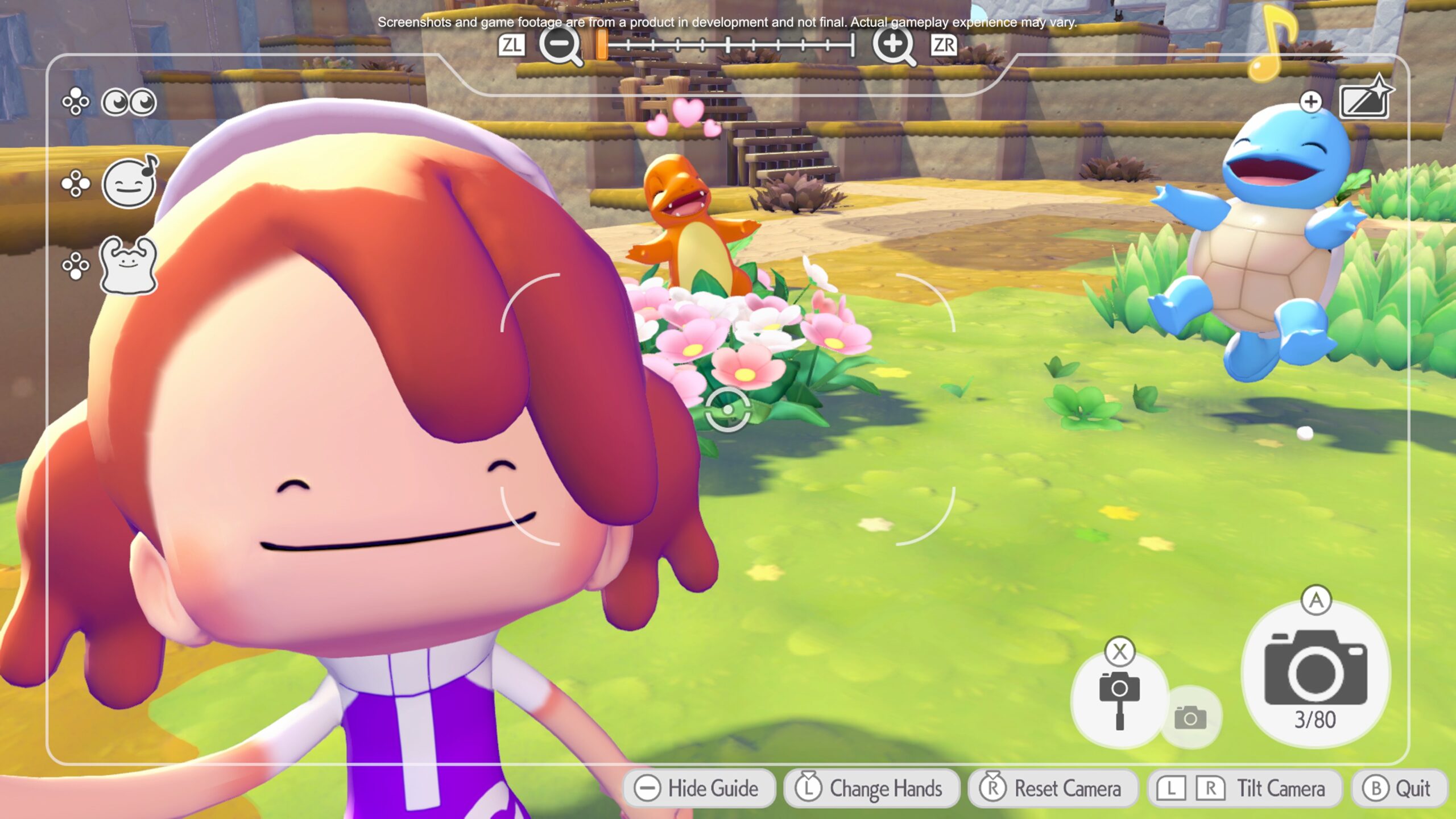
5. Ignoring the photo mode. Photographing specific Pokemon moments gives in-game rewards. Audino singing in the shower, Bulbasaur napping under a tree. It’s free value most players skip.
Play Pokopia on the Go
Pokopia is a perfect portable game. Sessions can last 10 minutes or 3 hours, and there’s no penalty for closing mid-task. If you’re picking up a Switch 2 for this, grab the essentials.
Pokemon Pokopia
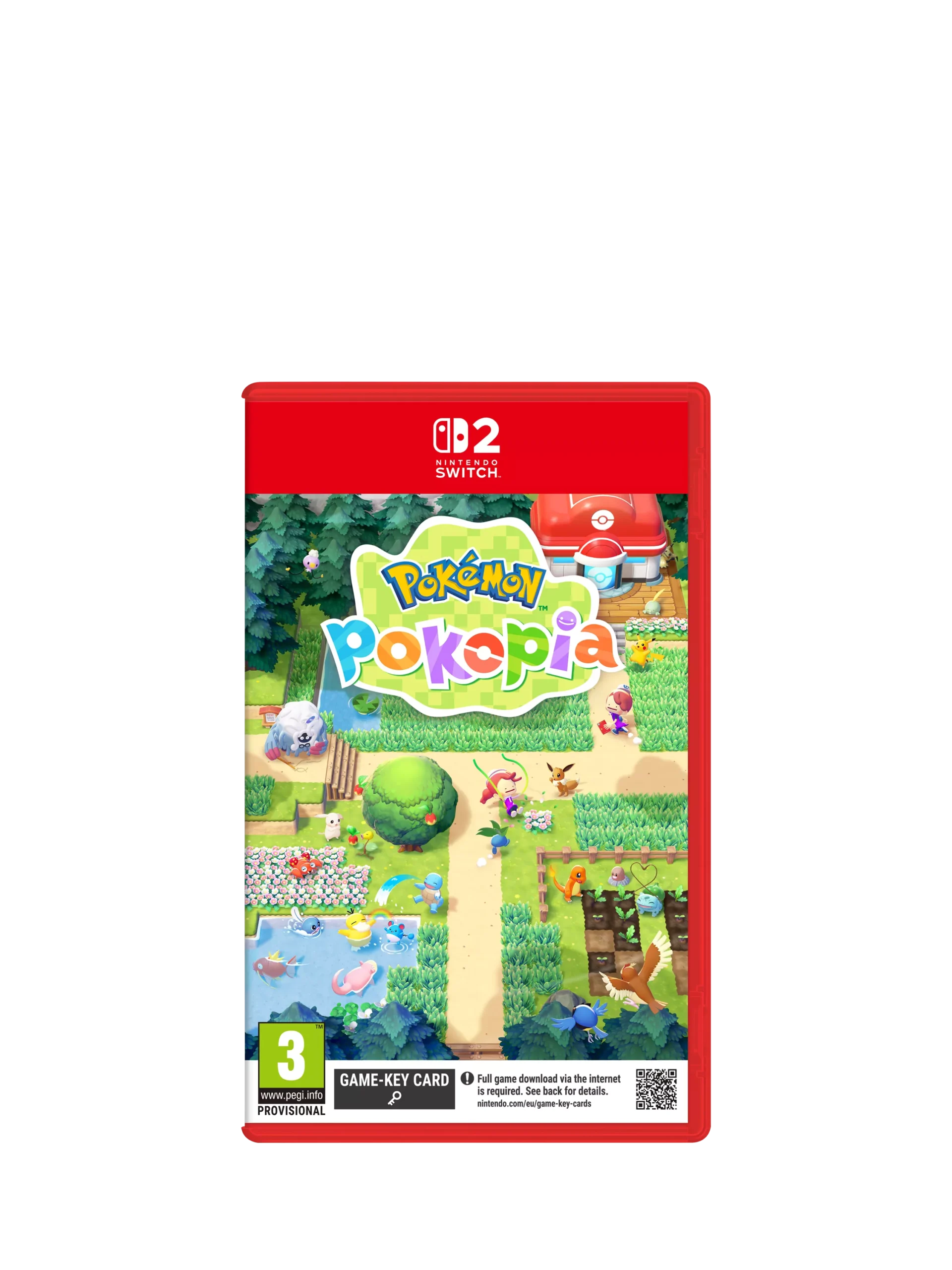
Amazon pre-order includes a bonus Flat Leaf Plant in-game item. Launches March 5, 2026.

Nintendo Switch 2 Pro Controller
Built-in audio jack and remappable GL/GR buttons. Worth it for long cozy sessions.
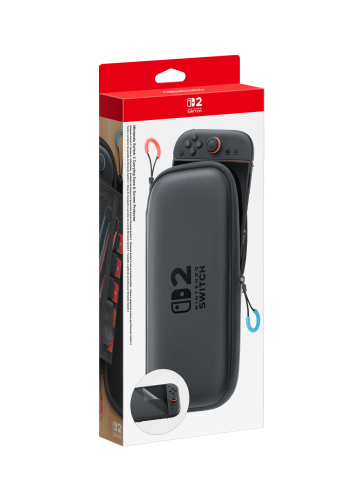
Switch 2 Carrying Case + Screen Protector
Official Nintendo case with room for console, Joy-Cons, cables, and 6 game cards.
For the full accessory rundown, check our best Nintendo Switch 2 accessories guide.
Frequently Asked Questions
How much does Pokemon Pokopia cost?
$69.99 for both physical and digital editions. Physical copies use a Game Key Card format (download code in a box), not a traditional cartridge.
Do I need a Nintendo Switch 2 to play?
Yes. Pokopia is a Switch 2 exclusive. There may be a cloud streaming option for original Switch owners, but nothing has been confirmed.
How long is the main story?
Director Takuto Edagawa estimates 20-40 hours for the main story. Post-credits content adds significant playtime beyond that.
Can I play Pokemon Pokopia offline?
The single-player story and Island Visiting (local wireless) work offline. Cloud Island requires an internet connection since it uses persistent online servers.
How many Pokemon are in Pokopia?
Around 90 confirmed so far: 80 standard Pokemon plus 4 Pokopia-exclusive variants (Professor Tangrowth, Peakychu, Mosslax, Smearguru) and Ditto. The full roster won’t be known until launch.
Summary
Pokemon Pokopia is the cozy Pokemon game fans have wanted for years, and the Dragon Quest Builders 2 pedigree behind it shows. Focus on befriending Bulbasaur, Squirtle, and Scyther first for their utility moves, keep your energy managed with food and seasonal bonuses, and don’t neglect habitat comfort after attracting Pokemon. Cloud Island alone gives this game legs well beyond the 20-40 hour story. For more Pokemon content, check out our Pokemon Go beginner guide.