
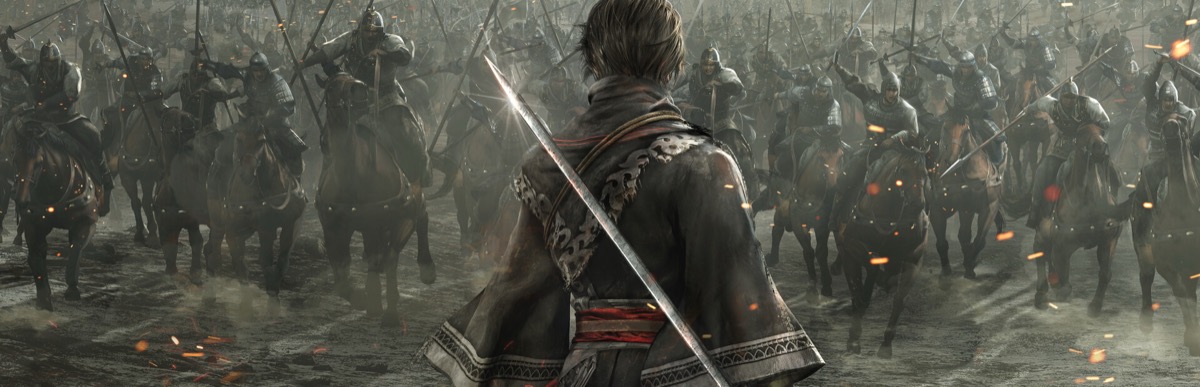
After spending dozens of hours slicing through thousands of soldiers in Dynasty Warriors: Origins, I can confidently say this is the most refined combat system the franchise has ever seen. Here's everything you need to know to dominate the Three Kingdoms.
Table of Contents
- Quick Answer
- Combat Basics: More Than Button Mashing
- Mastering Parry and Dodge
- The Fortitude System Explained
- Weapon Selection for Beginners
- Battle Arts and Bravery
- Large-Scale Tactics
- World Map and Exploration
- Pro Tips
- FAQ
Quick Answer
- Focus on parrying — It's the key to breaking officers' defenses and creating openings
- Start with the Halberd or Sword — Both are beginner-friendly with good crowd control
- Don't ignore fortitude — Breaking an enemy's fortitude enables devastating Assault attacks
- Use soldiers to charge your meters — Treat peons as resources for Bravery and Musou
- Pay attention to attack colors — White can be blocked, orange must be dodged or countered
Combat Basics: More Than Button Mashing
Dynasty Warriors: Origins represents a major evolution for the franchise. While previous games let you mindlessly mow through enemies, Origins demands actual skill. The new combat system rewards defensive play and precise timing.
Normal Attacks are your bread and butter — fast, combo-able strikes that build your Bravery meter. Strong Attacks are slower but break enemy blocks and deal more damage. The key is learning when to use each.
When facing officers, you can't just spam attacks. They have super armor during their attack sequences, indicated by a white aura. Your normal attacks won't interrupt them. Instead, you need to wait for an opening or create one through parrying.
Mastering Parry and Dodge
This is where Origins truly shines. The game gives you multiple defensive options, and knowing which to use is crucial.
Blocking works against normal attacks (white aura). Hold the guard button to reduce incoming damage. Simple but effective for basic soldiers.
Parrying is the game-changer. Time your guard at the exact moment of impact to trigger a parry. This staggers the enemy and leaves them completely vulnerable to a counter-attack combo. Parried enemies take fortitude damage and can't recover for several seconds — plenty of time for a devastating combo.
Orange attacks cannot be blocked or parried. When you see that orange glow, you have two options: dodge away, or counter with a Battle Art that has the |Sp.| prefix. These special counter-arts interrupt the attack and turn defense into offense.
Red attacks are the most dangerous. These can only be evaded or interrupted by Musou attacks. When you see red, dodge immediately.
The Fortitude System Explained
Every officer has a Fortitude meter — the shield icon above their health bar. This represents their defensive energy. While their health takes damage from your attacks, they won't truly stagger until you break their fortitude.
Once fortitude is depleted, the enemy enters a downed state (they'll be kneeling). This is your window for an Assault attack — a powerful strike that deals massive damage. Some weapons excel at breaking fortitude even if their raw damage is lower.
Morale affects fortitude. High-morale enemies (indicated by upward arrows) have additional red fortitude and enhanced stats. Complete Grand Tactics or use your own Tactics to lower enemy morale and make them easier to break.
Weapon Selection for Beginners
Origins features 10 weapon types, each with unique movesets and Battle Arts. Here's what works best for newcomers:
Halberd (Recommended): Excellent reach and crowd control. Strong attacks have good area-of-effect damage, making it perfect for the 1-vs-1000 gameplay. Great balance of offense and defense.
Sword: The most versatile weapon. Fast normal attacks, decent range, and straightforward combos. Perfect for learning the game's fundamentals before experimenting.
Wheels: Surprisingly powerful. High mobility and strong AoE damage make this a sleeper pick. Requires learning its unique movement patterns but rewards skilled play.
Spear: Excellent reach keeps you safe while poking enemies. Good for players who prefer keeping distance.
Avoid starting with: Gauntlets and Pole/Staff require more precise timing and offer less crowd control. Save these for when you've mastered the basics.
Weapon Proficiency: Using a weapon increases your proficiency with that type, unlocking new attacks. You don't need to stick with one weapon — proficiency is tied to weapon type, not individual weapons. Experiment freely.
Battle Arts and Bravery
Battle Arts are your special moves, and the Bravery system is how you fuel them.
Building Bravery: Attacking enemies fills your Bravery meter (the gauge next to your health). Soldiers are essentially free Bravery — use them to charge up before engaging officers.
Using Battle Arts: Each weapon has multiple Battle Arts. Some deal massive damage, others control crowds, and those with the |Sp.| prefix counter orange attacks. Learn which Arts your weapon has and when to deploy them.
Musou Attacks: Fill the Musou gauge (separate from Bravery) by fighting. When full, unleash devastating area attacks that can clear entire groups or deal massive single-target damage. Save these for emergencies or when you need to break a red attack.
Large-Scale Tactics
Origins isn't just about individual combat — you're commanding armies.
Tactics: Command allies to perform actions like advancing, charging, or forming defensive lines. Some tactics trigger "Dramatic Success" when used in appropriate situations, providing bonus effects.
Large Forces: When many soldiers gather, they form a Large Force with high morale and coordinated attacks. To break enemy Large Forces, reduce their Fighting Strength by defeating officers within them.
Grand Tactics: These are battle-changing maneuvers. Both you and enemies can deploy them. Successfully executing your Grand Tactics while preventing enemy ones is often the key to victory. Pay attention to the battle objectives.
Battle Areas: The map shows areas in blue (advantage) or red (disadvantage). If an area turns red, send reinforcements or boost morale, or your forces may retreat.
World Map and Exploration
Between battles, you'll explore the World Map on foot.
Towns: Visit to purchase weapons, sell unwanted gear, and interact with officers. Building Bonds with officers through conversations and completing their requests unlocks benefits.
Missions and Skirmishes: Besides main story battles, you'll find optional Missions (suppress rebellions, rescue forces) and Skirmishes (fight bandits, remnant armies). These provide extra weapons, experience, and story content.
Eyes of the Sacred Bird: The protagonist's unique power reveals hidden information on battlefields — sources of sorcery, tactical advantages, and more. Use it frequently.
Pro Tips
- Approach officers defensively. Don't rush in attacking — wait for them to commit to an attack, then parry or evade and counter.
- Use the Vortex gem. It increases air combo damage by 40% at max level. Essential for weapons with strong launchers.
- Farm Bravery from soldiers. Before engaging a tough officer, build full Bravery by mowing through nearby troops.
- Watch for recovery windows. After long combos, enemies enter a recovery state where they won't take fortitude damage. Learn your combo lengths.
- Equip weapon traits wisely. Higher-grade weapons have more trait slots. Prioritize traits that match your playstyle — damage to officers, Bravery gain, or parry bonuses.
- Don't fight high-morale officers head-on. Complete tactical objectives first to lower their morale and reduce their bonus fortitude.
- Companions are powerful. You can temporarily switch to companion officers for their unique abilities. Time these switches for maximum impact.
FAQ
Q: Can I change difficulty mid-game?
A: Yes. If you're struggling, lower the difficulty. No shame in learning the systems before ramping up the challenge.
Q: What happens if I lose a battle?
A: You can retry from checkpoints. Some battles also have different outcomes based on your performance that affect the story.
Q: Should I focus on one weapon or try them all?
A: Try several early on to find what clicks. Once you find 2-3 favorites, focus on those to build proficiency faster. You'll unlock more powerful moves as proficiency increases.
Q: How do I get better weapons?
A: Buy from town shops, defeat enemy officers (random drops), or complete specific challenges. Higher-grade weapons (up to Grade 8) unlock after completing the main story.
Q: Is the Visions of Four Heroes DLC worth it for beginners?
A: Play the base game first. The DLC adds stories for four specific characters and new weapons (Bow, Rope Dart), but you need to reach Chapter 2 to access it. It's excellent content but not necessary for beginners.
Summary
Dynasty Warriors: Origins rewards patience and skill over button mashing. Focus on mastering the parry system, understand fortitude mechanics, and choose weapons that complement your playstyle. Use soldiers as resources, complete tactical objectives to weaken officers, and don't be afraid to play defensively. The Three Kingdoms await — now go conquer them.