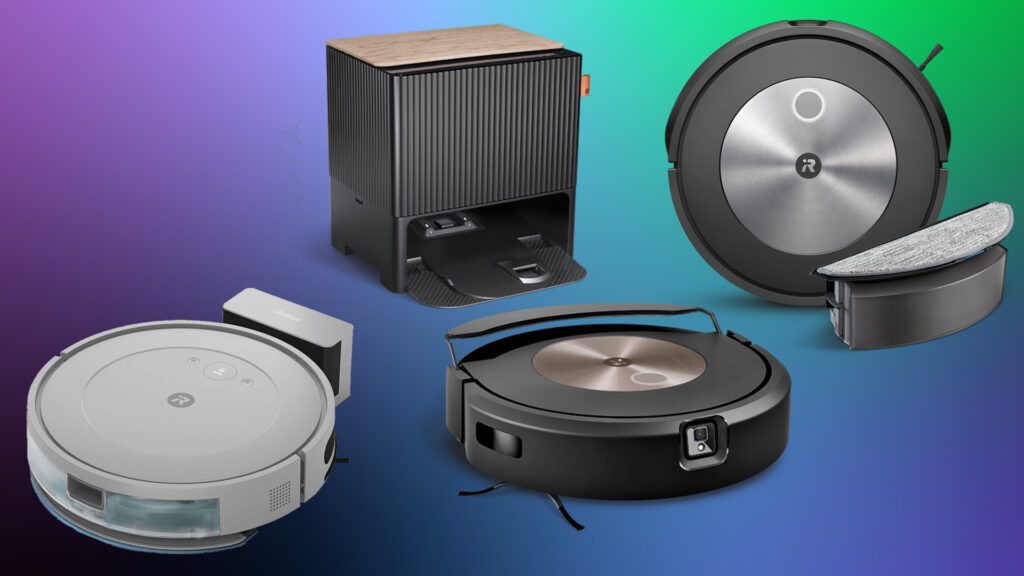
Quick Answer
iRobot filed for bankruptcy in December 2025. Your existing Roomba still works, but the company’s future is uncertain. The best alternatives right now are the MOVA S10 ($149) if you want to spend as little as possible, the Roborock Q10 S5+ ($300) for the best all-around value, and the eufy X10 Pro Omni ($450) if you want the full hands-off experience.
Disclosure: /SKILL is reader-supported. When you buy through links on our site, we may earn an affiliate commission at no extra cost to you. Learn more
In This Guide
What Happened to Roomba
iRobot, the company behind Roomba, filed for Chapter 11 bankruptcy on December 14, 2025. The short version: Amazon tried to buy iRobot for $1.4 billion in 2022, EU regulators blocked the deal in early 2024, and the company was left bleeding cash with no buyer. Revenue dropped 33% in its final quarter. A $200 million loan from Carlyle Group kept the lights on for a while, but tariffs on Vietnamese imports (where most Roombas are manufactured) were the final blow.
The company has since been acquired by Shenzhen Picea Robotics, its own manufacturing partner based in China. Here’s the irony: Picea also manufactures robot vacuums for Shark and eufy. The company making Roombas was already making many of the alternatives on this list.
If you already own a Roomba, it still works. The app will continue to function, warranties remain active, and consumables like filters, brushes, and bags are widely available from third-party sellers. The risk is long-term: if Picea decides to wind down iRobot’s cloud services, you’d lose smart features like app scheduling, room-specific cleaning, and voice commands. The physical device and its manual controls would still function, but the “smart” part depends on servers staying online.
Should you buy a new Roomba right now? Probably not. The brand’s future under Picea is unclear, and every alternative on this list offers more features for less money. That’s actually why iRobot went bankrupt in the first place: Chinese competitors shipped better robots at lower prices, and Roomba couldn’t keep up.
Quick Verdict
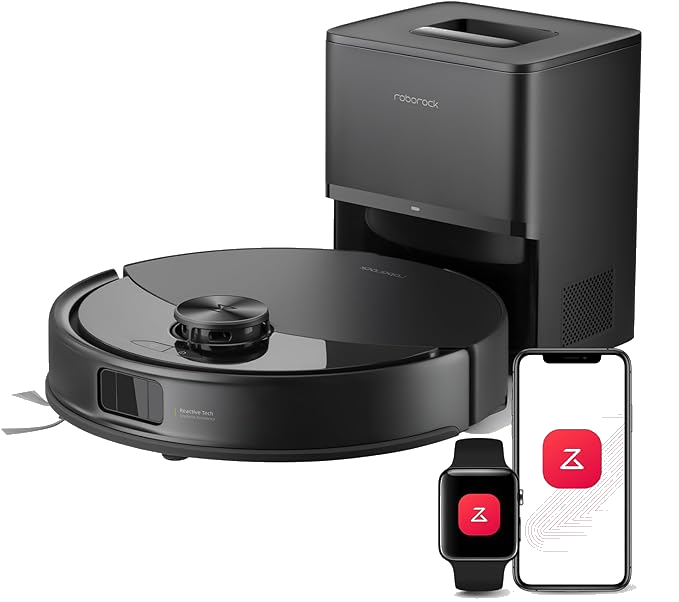
Roborock Q10 S5+
10,000Pa suction, 70-day self-empty, sonic mopping, obstacle avoidance. The best balance of power and price.
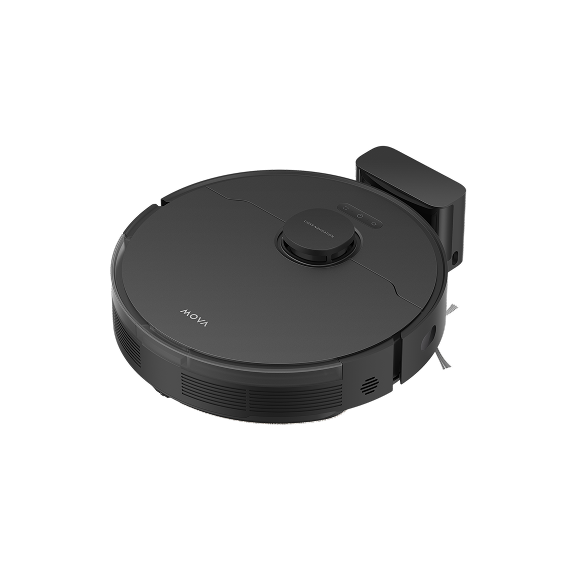
MOVA S10
LiDAR navigation and 7,000Pa suction for $149. Outcleans robots that cost three times as much.
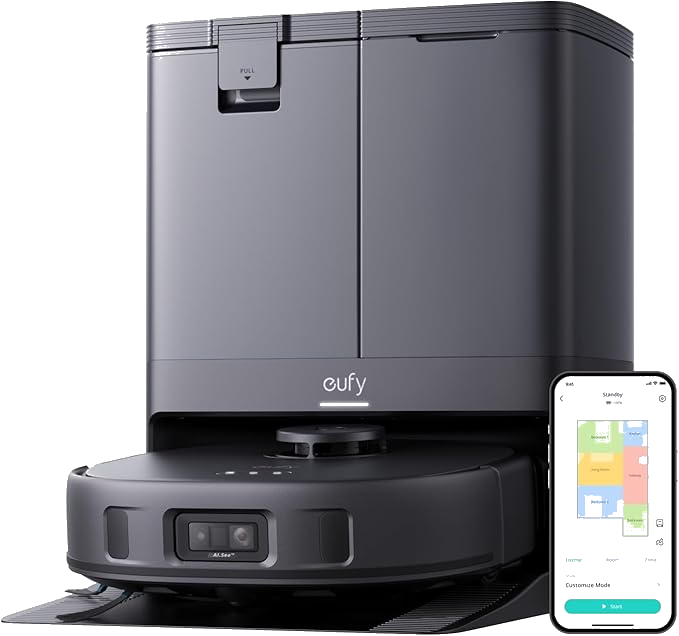
eufy X10 Pro Omni
8,000Pa suction, dual mops with auto-lift, AI obstacle avoidance. The full set-it-and-forget-it package.
Side-by-Side Comparison
| Model | Price | Suction | Mops | Self-Empty | Navigation | Best For |
|---|---|---|---|---|---|---|
| MOVA S10 | $149 | 7,000 Pa | No | No | LiDAR | Tight budgets |
| eufy L60 + Dock | $250 | 5,000 Pa | No | Yes (60 days) | LiDAR | Hands-free basics |
| Dreame L10s Ultra | $300 | 5,300 Pa | Yes | Yes (60 days) | AI + LiDAR | Vacuum + mop combo |
| Roborock Q10 S5+ | $300 | 10,000 Pa | Yes | Yes (70 days) | LiDAR | Best all-around |
| Roborock Qrevo | $400 | 8,000 Pa | Yes (spinning) | Yes | LiDAR | Deep mopping |
| eufy X10 Pro Omni | $450 | 8,000 Pa | Yes (dual + lift) | Yes | AI + LiDAR | Full automation |
Budget Pick: Under $200
MOVA S10
The MOVA S10 is the robot vacuum that made me question why anyone spends $800+ on a Roomba. In Vacuum Wars’ testing, it scored a 90% carpet deep-clean rating, which is better than robots that cost three times as much. That’s not a typo.
The secret is LiDAR navigation mounted on top of the unit. Instead of bouncing off walls randomly like a cheap Roomba, the S10 maps your home with a laser scanner and vacuums in efficient rows. It covers more ground, misses fewer spots, and finishes faster. The 7,000Pa suction handles everything from dust on hardwood to pet hair embedded in carpet. Runtime is 260 minutes on a single charge, which is enough for most homes without needing to dock and recharge mid-clean.
What you don’t get at $149: no self-empty dock and no mopping. You’ll need to empty the dustbin manually every few runs. If that’s a dealbreaker, jump up to the eufy L60 with self-empty station ($250). But if you just want a robot that vacuums well and doesn’t cost a fortune, the S10 is hard to beat.
Mid-Range Picks: $200 to $300
This is where robot vacuums get interesting. Spend between $200 and $300 and you get features that Roomba charges $600+ for: self-emptying docks, LiDAR navigation, mopping, and obstacle avoidance. All three picks here are genuine Roomba replacements, not compromises.
eufy L60 with Self-Empty Station
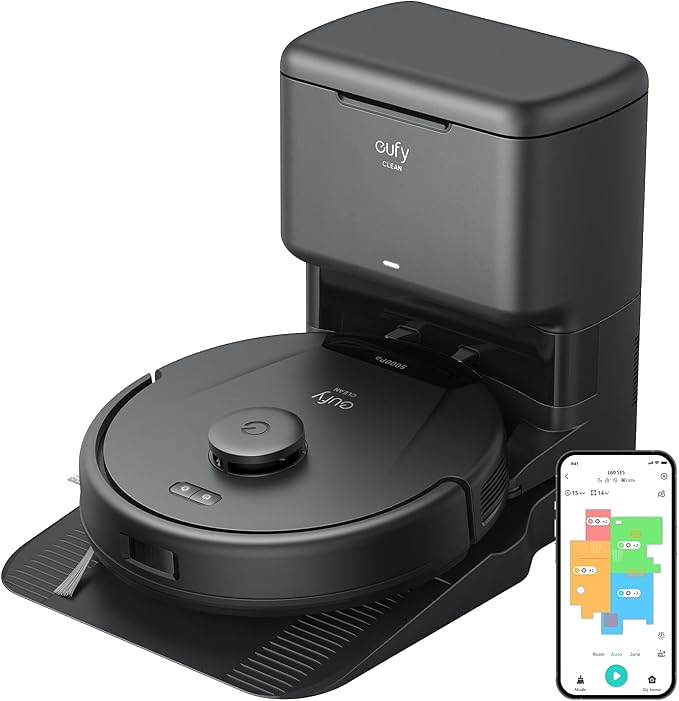
The eufy L60 is the cheapest way to get a self-emptying robot vacuum that actually works well. The included dock empties the dustbin automatically after each cleaning cycle, and the bag holds about 60 days of debris. That means you can genuinely forget about it for two months at a time.
LiDAR navigation keeps it from bumping around randomly, and the hair detangling system on the roller brush is a real feature, not marketing. If you have pets or long hair in the house, this matters. At 5,000Pa suction, it’s not the most powerful option here, but it handles hard floors and low-pile carpet without issues. Deep carpet cleaning is where it falls short compared to the Roborock Q10 S5+ below.
This is the pick for anyone who wants the convenience of a self-empty dock without spending $300+. If mopping isn’t on your list, this covers vacuuming well at a fair price.
Dreame L10s Ultra
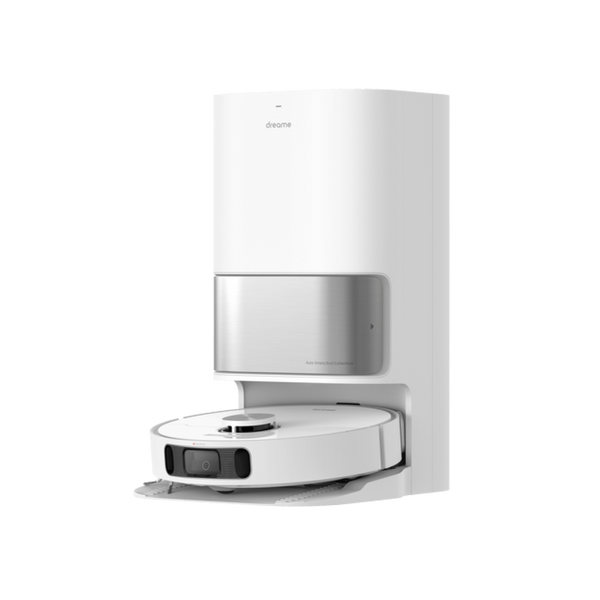
The Dreame L10s Ultra is the best vacuum-and-mop combo you can get for $300. Its all-in-one dock handles everything: empties the dustbin, washes the mop pads, dries them with hot air, and refills the water tank. You fill up the clean water, empty the dirty water every couple of weeks, and the robot handles the rest.
AI-powered navigation means it identifies and avoids obstacles like shoes, cables, and pet toys. The 5,300Pa suction is modest compared to the Roborock Q10 S5+ below, but the mopping system is what you’re really paying for here. If you have a lot of hard flooring (tile, hardwood, laminate), the Dreame earns its spot. It vacuums first, then mops in a second pass, which gives noticeably better results than robots that try to do both simultaneously.
If your home is mostly carpet, the Roborock Q10 S5+ is the better $300 pick. If you have a mix of hard floors and carpet, the Dreame’s mop capabilities tip the balance.
Roborock Q10 S5+
The Roborock Q10 S5+ is our top pick for a reason: 10,000Pa suction at $300 is absurd. That’s nearly double what the Dreame L10s Ultra offers at the same price, and it’s higher than what Roomba puts in robots that cost $700+. Deep carpet cleaning, pet hair, tracked-in dirt, ground-in crumbs: this thing handles all of it.
The self-emptying dock holds 70 days of debris, which is the longest in this price range. Obstacle avoidance keeps it from getting stuck on cables and shoes. The dual anti-tangle brush system means you’re not cutting hair off the roller every week, which was always one of the worst parts of owning a Roomba. Sonic mopping is included too, and auto mop-lifting keeps wet pads off your carpets during transitions.
If you can only buy one robot vacuum and you have $300, this is the one. It vacuums carpets better than anything else in its price range, mops well enough for maintenance cleaning, and the self-empty dock means you can ignore it for over two months. Roborock’s app is also one of the better ones: clean mapping, scheduling, no-go zones, and room-specific settings.
Premium Picks: $300 to $500
Spending more than $300 on a robot vacuum only makes sense if you care about mopping quality or want truly zero-maintenance operation. Both picks here include all-in-one docks that wash mops, dry them, empty debris, and refill water tanks. You barely touch them.
Roborock Qrevo
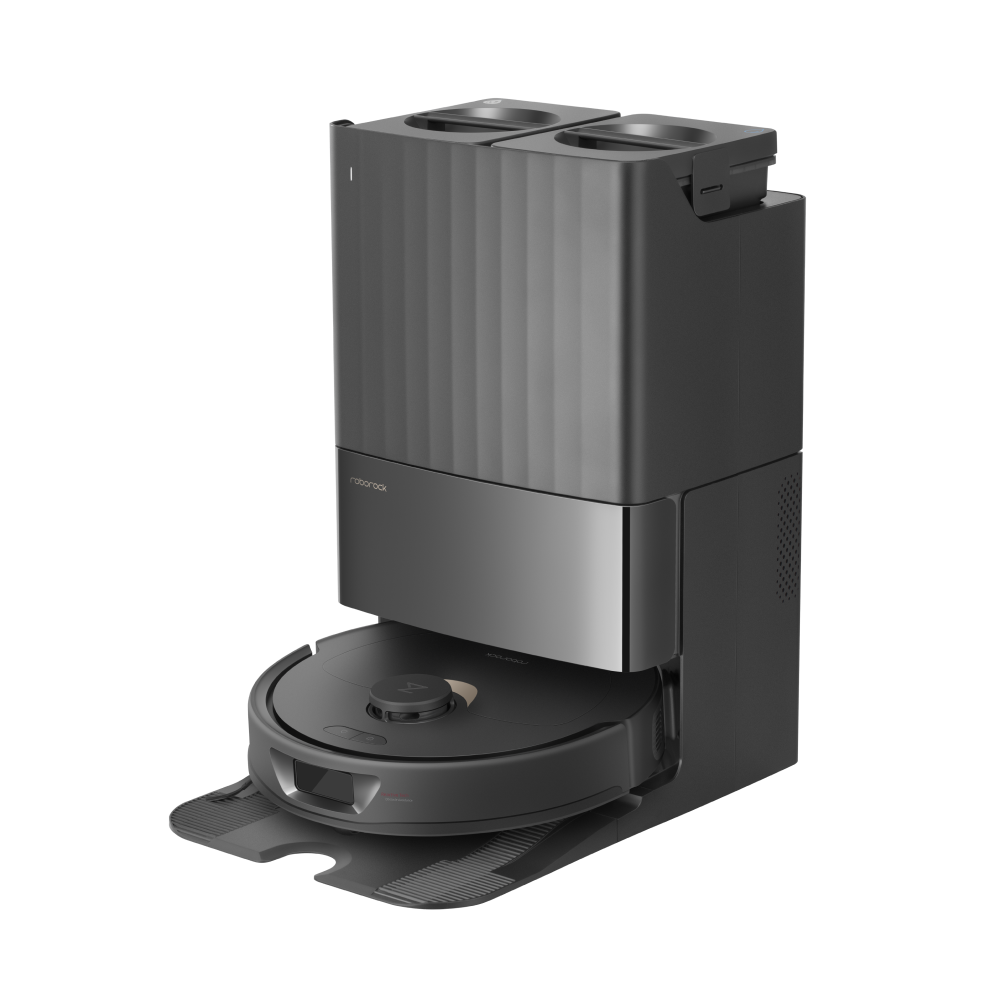
The Roborock Qrevo is for people who take mopping seriously. The 200RPM spinning mop pads apply real pressure to the floor, which gets up sticky spots and dried spills that drag-style mops leave behind. Roomba’s mop offerings never came close to this kind of scrubbing.
Suction sits at 8,000Pa, which is lower than the Q10 S5+ but still more than enough for daily cleaning on all floor types. The all-in-one dock washes the mop pads with clean water, dries them with hot air, empties the dustbin, and refills the water tank. The anti-tangle brush design handles pet hair and long hair without getting wrapped up.
The $100 premium over the Q10 S5+ buys you significantly better mopping. If your home has mostly hard floors (tile, hardwood, LVP) and you want a robot that actually cleans them rather than just dragging a damp cloth around, the Qrevo is worth the upgrade. If carpet cleaning is your priority, save the $100 and get the Q10 S5+ instead.
eufy X10 Pro Omni
The eufy X10 Pro Omni is the most hands-off robot vacuum on this list. Set it up once, and it runs on autopilot. The all-in-one dock handles emptying, mop washing, mop drying, and water refilling. The dual mop pads lift 12mm off the ground when carpet is detected, which is the highest auto-lift of any robot here. That means it can vacuum a carpeted room and mop a tile kitchen in the same run without dragging wet pads across your rug.
AI obstacle avoidance is the other standout. The X10 Pro identifies objects on the floor (shoes, cables, pet bowls) and navigates around them instead of pushing them around or getting stuck. Every robot claims obstacle avoidance, but eufy’s AI system is one of the more reliable ones in practice.
At $450, it’s the most expensive pick on this list, but it’s still cheaper than most flagship Roombas were before iRobot went under. If you want a robot that genuinely requires minimal attention and handles both vacuuming and mopping well, this is the one.
How to Choose a Robot Vacuum
There are really only four things that matter when picking a robot vacuum. Everything else is marketing.
Suction power (Pa). Measured in pascals. Under 3,000Pa is fine for hard floors and light dust. Between 5,000 and 8,000Pa handles most carpets and pet hair. Above 8,000Pa is for deep carpet cleaning and heavy-duty pickup. If you have thick rugs or multiple pets, don’t go below 5,000Pa.
Navigation. LiDAR (laser-based mapping) is the standard now and every robot on this list uses it. Avoid random-bounce navigation, which is what cheap Roombas still use. LiDAR robots clean faster, miss fewer spots, and can create accurate maps of your home for room-by-room scheduling.
Self-empty dock. This is the single biggest quality-of-life upgrade. Without one, you empty the dustbin every 1-2 runs. With one, you forget about it for 60-70 days. If your budget allows it, get a model with a self-empty dock. The jump from the MOVA S10 ($149, no dock) to the eufy L60 ($250, with dock) is the best $100 upgrade in this category.
Mopping. If you have hard floors, a robot that mops too is genuinely useful. But not all mopping systems are equal. Drag-style mops (a damp pad that sits flat) do light maintenance cleaning. Spinning or sonic mops (like the Roborock Qrevo’s 200RPM pads) actually scrub. If mopping is your main reason for buying, prioritize spinning mops and auto mop-lifting so the pads stay off your carpets.
Frequently Asked Questions
Do existing Roombas still work after the bankruptcy?
Yes. Your Roomba’s physical controls and cleaning functions are unaffected. The iRobot app, scheduling, and voice commands still work as of February 2026. The long-term risk is that Picea Robotics (the new owner) could eventually shut down the cloud services that power smart features. Consumable parts like filters, brushes, and batteries are widely available from third-party sellers.
Is it safe to buy a Roomba in 2026?
It’s not the best use of your money. Roomba prices haven’t adjusted to reflect the company’s situation, and every alternative on this list offers more features for less. The uncertainty around long-term app and cloud support is an added risk. If you’re buying new, pick one of the alternatives here.
Which robot vacuum is best for pet hair?
The Roborock Q10 S5+ ($300). Its 10,000Pa suction is the strongest in the mid-range, and the dual anti-tangle brush system handles pet hair without wrapping around the roller. The 70-day self-empty dock is also the most convenient if you have pets that shed constantly.
Do I need a self-empty dock?
It depends on how much you want to interact with the robot. Without one, you empty the dustbin every couple of runs. With one, you forget about it for two months. The MOVA S10 works great without a dock at $149, but the eufy L60 with dock at $250 is worth the upgrade if hands-free cleaning matters to you.
What’s the difference between a robot vacuum and a robot vacuum-mop combo?
A vacuum-only robot (like the MOVA S10 and eufy L60) just sucks up debris. A combo (like the Dreame L10s Ultra, Roborock Q10 S5+, Roborock Qrevo, and eufy X10 Pro Omni) vacuums and mops in the same run. If you have hard floors, a combo saves you from needing a separate mopping device. If your home is mostly carpet, vacuum-only is fine.
Summary
Roomba defined the robot vacuum category for 20 years, but iRobot’s bankruptcy is the clearest sign that the market has moved on. Chinese manufacturers like Roborock, Dreame, eufy, and MOVA now make better robots at every price point. The company that literally invented the consumer robot vacuum got undercut on price and outpaced on features by its own manufacturing partners.
If you’re on a tight budget, the MOVA S10 at $149 delivers LiDAR navigation and strong suction that outperforms robots twice its price. The best value overall is the Roborock Q10 S5+ at $300: 10,000Pa suction, a 70-day self-empty dock, mopping, and obstacle avoidance in one package. If you want the full hands-off experience with top-tier mopping, the eufy X10 Pro Omni at $450 is the play.
For more gear recommendations, check out our Steam Deck accessories guide and our Nintendo Switch 2 accessories guide.