⚡ Quick Answer
The Zojirushi NS-TSC10 is the best rice cooker under $200. Its fuzzy logic tech adjusts for measurement mistakes, the keep-warm function holds rice for hours without drying it out, and owners regularly report 10-15 years of daily use. If $175 is too steep, the Cuckoo CR-0675F ($100) gives you the same Micom technology for less.
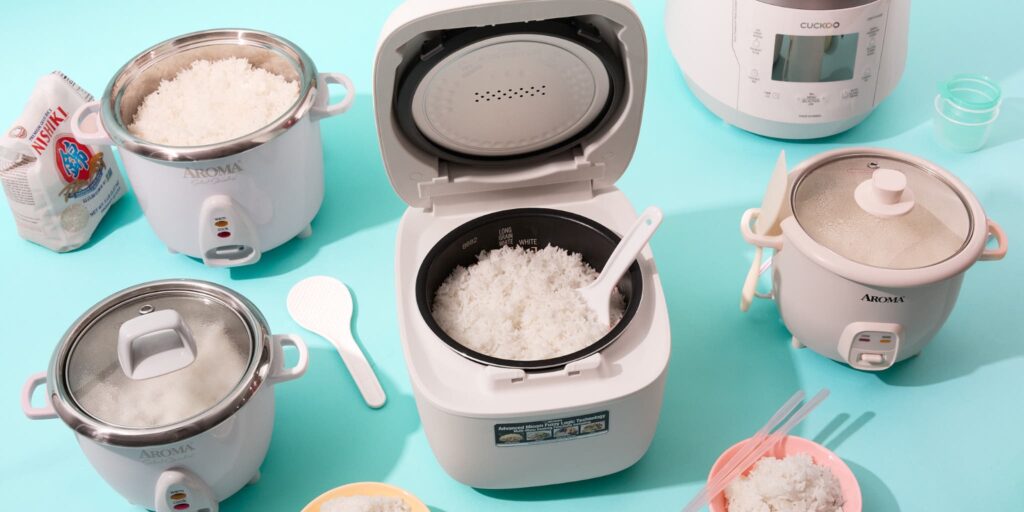
Cooking rice on a stovetop is a coin flip. Sometimes it’s perfect, sometimes you’re scraping burnt crust off the bottom of a pot. A good rice cooker removes the guesswork, but the price range runs from $20 to well over $300, and it’s hard to know where the sweet spot is. We dug through testing data from Food Network, Engadget, and CNN Underscored, cross-referenced with over 5,800 Reddit comments, and narrowed the field to the five best rice cookers under $200 at every price point.
Whether you’re a college student who just wants rice that isn’t crunchy or a family of five that cooks rice daily, there’s a pick here for you.
📋 In This Guide
How We Picked
We focused on four things: rice quality (does it cook evenly without burning the bottom layer?), keep-warm performance (can it hold rice for a few hours without turning it into a dried-out brick?), durability (how long will it actually last?), and value (what are you getting per dollar spent?).
We also weighted community sentiment heavily. Review sites test products for a few weeks. Reddit users live with them for years. When 5,800+ comments overwhelmingly point to the same brands, that signal is hard to ignore.
The 5 Best Rice Cookers Under $200
Zojirushi NS-TSC10 – Best Overall (/SKILL Pick)
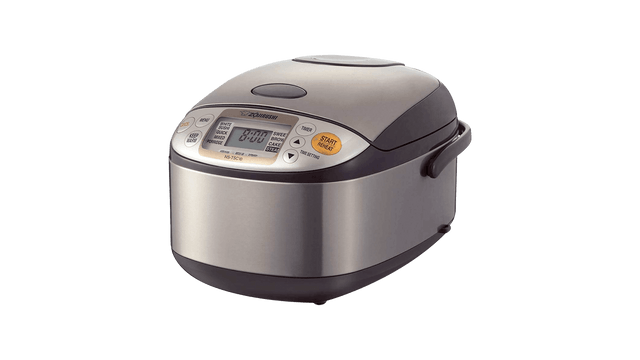
Zojirushi NS-TSC10 Micom Rice Cooker
5.5-cup fuzzy logic rice cooker with 8 menu settings and extended keep-warm
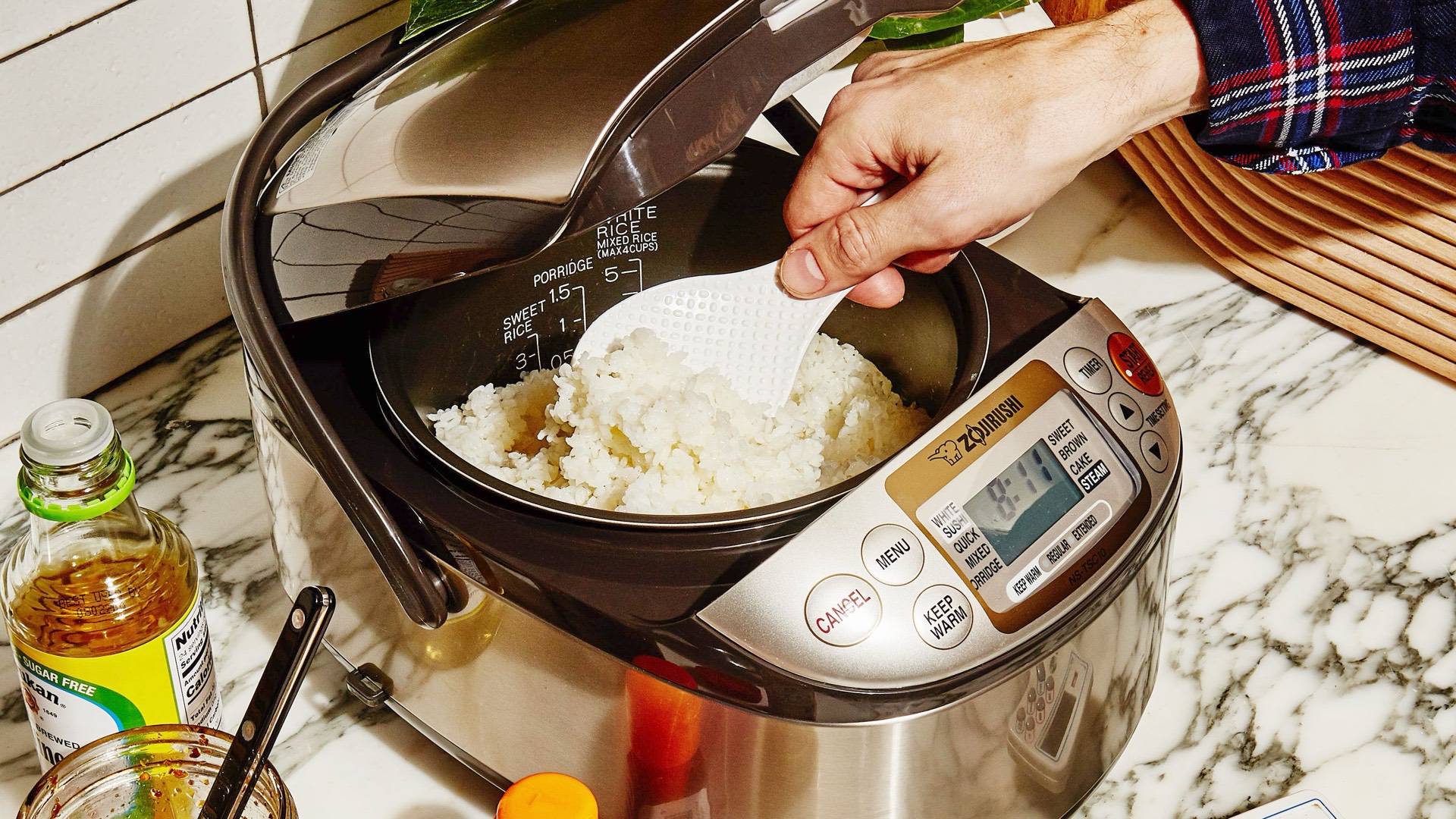
This is the rice cooker that Reddit won’t shut up about, and for good reason. The NS-TSC10 uses Micom fuzzy logic technology, which means a microcomputer adjusts cooking temperature and time on the fly. Put in slightly too much water? It compensates. Slightly too little rice? It adjusts. The result is consistent, properly cooked rice every single time.
The keep-warm function is the real star. Cheaper rice cookers dry out rice within an hour or two. The Zojirushi holds rice at the right moisture level for the better part of a day. If you cook a batch in the morning and eat from it at dinner, it’ll still taste like it just finished cooking.
You get 8 menu settings covering white rice, brown rice, sushi rice, mixed, porridge, sweet, cake, and steam. The delay timer lets you set it up the night before and wake up to fresh rice. A retractable power cord keeps things tidy on the counter.
The tradeoff is speed. White rice takes about 50 minutes. Brown rice takes around 90. If you’re used to instant pot speed, this will feel slow. But the results are noticeably better, and owners on Reddit regularly report 10-15 years of heavy daily use before anything goes wrong. At $175, that works out to roughly $12 a year.
| Spec | Detail |
|---|---|
| Capacity | 5.5 cups uncooked / ~10 cups cooked |
| Technology | Micom Fuzzy Logic |
| Menu Settings | 8 (White, Brown, Sushi, Mixed, Porridge, Sweet, Cake, Steam) |
| Keep Warm | Standard + Extended + Reheat |
| Extras | Steaming basket, delay timer, retractable cord |
Cuckoo CR-0675F – Best Value Fuzzy Logic
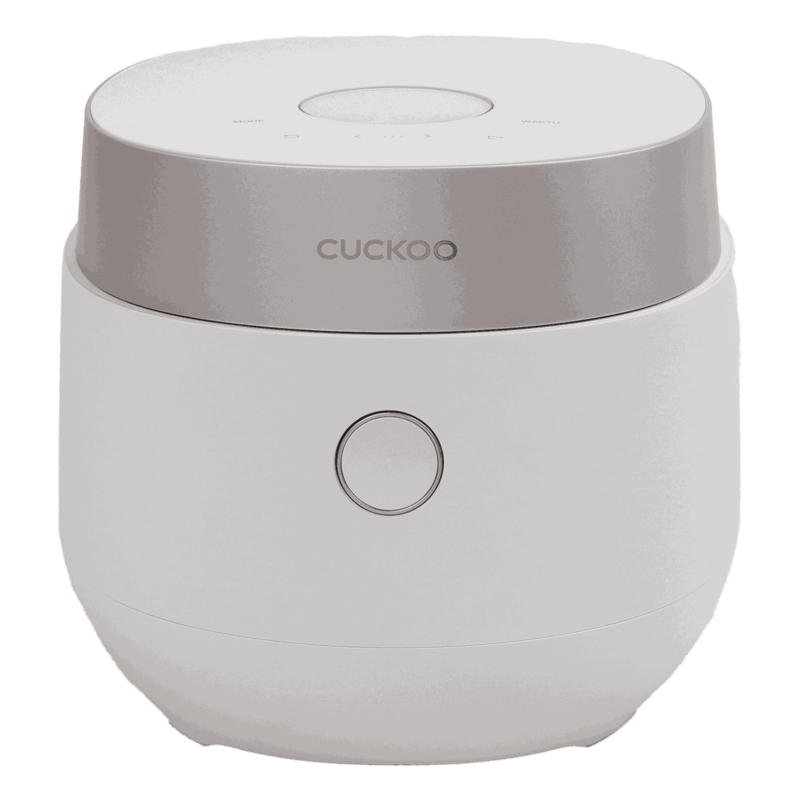
Cuckoo CR-0675F Micom Rice Cooker
6-cup Micom cooker with 13 menu options and Quick Rice mode
The Cuckoo sits in a sweet spot that’s hard to argue with. You get the same Micom fuzzy logic technology as the Zojirushi for about $75 less. Engadget named the Cuckoo line their “best for most people” pick, and Reddit gives the brand a 97% positive rating across thousands of comments.
Where the Cuckoo pulls ahead is speed. Its Quick Rice mode finishes white rice in about 20 minutes, compared to the Zojirushi’s 50. If patience isn’t your strong suit, that alone might swing the decision. You also get 13 menu options including GABA rice, multi-grains, quinoa, oatmeal, and baby food, plus an auto-clean function that the Zojirushi doesn’t have.
The downsides are minor but worth noting. The lid springs open with more force than you’d expect, and the recessed water level markings can trap rice residue. The warranty is also just one year compared to Zojirushi’s reputation for decade-plus lifespans. But at this price, even replacing it every 5 years would cost less than one Zojirushi.
Hamilton Beach 37548 – Best for Large Families
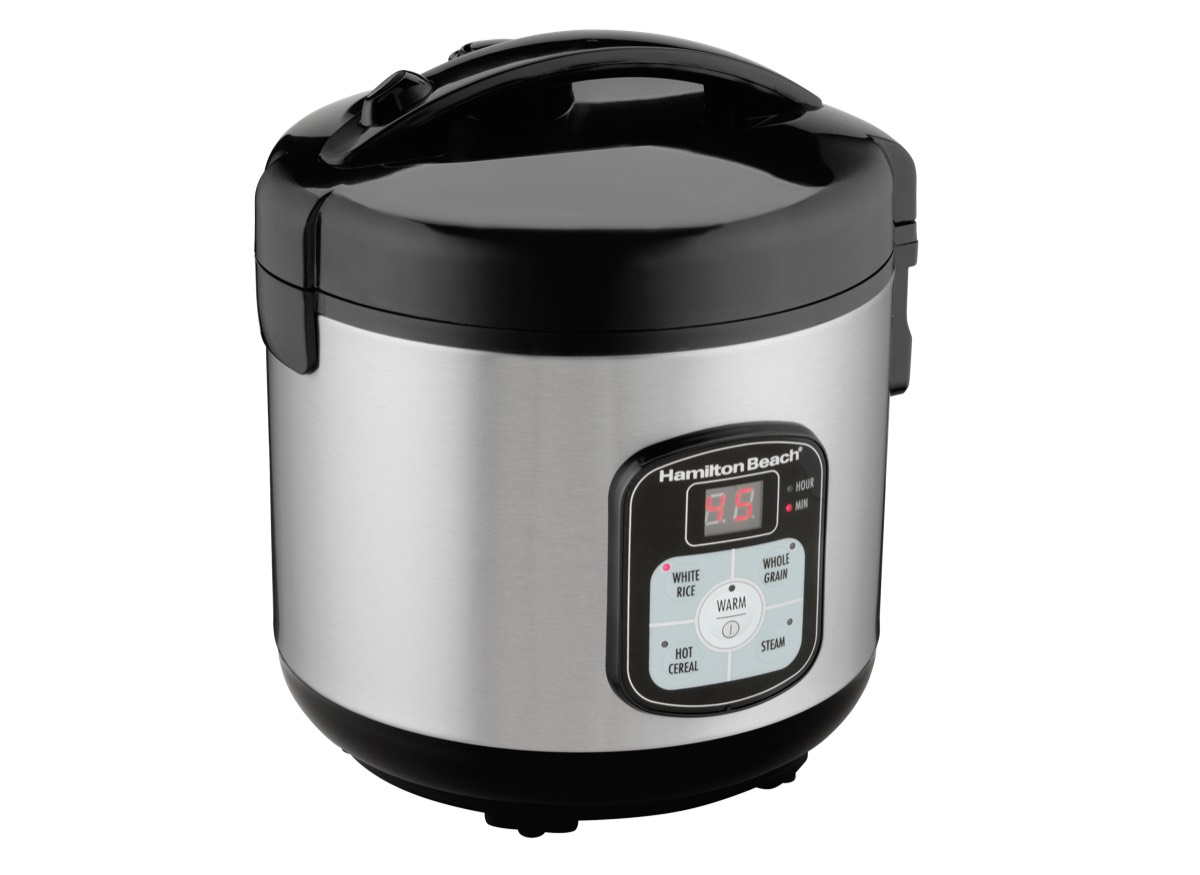
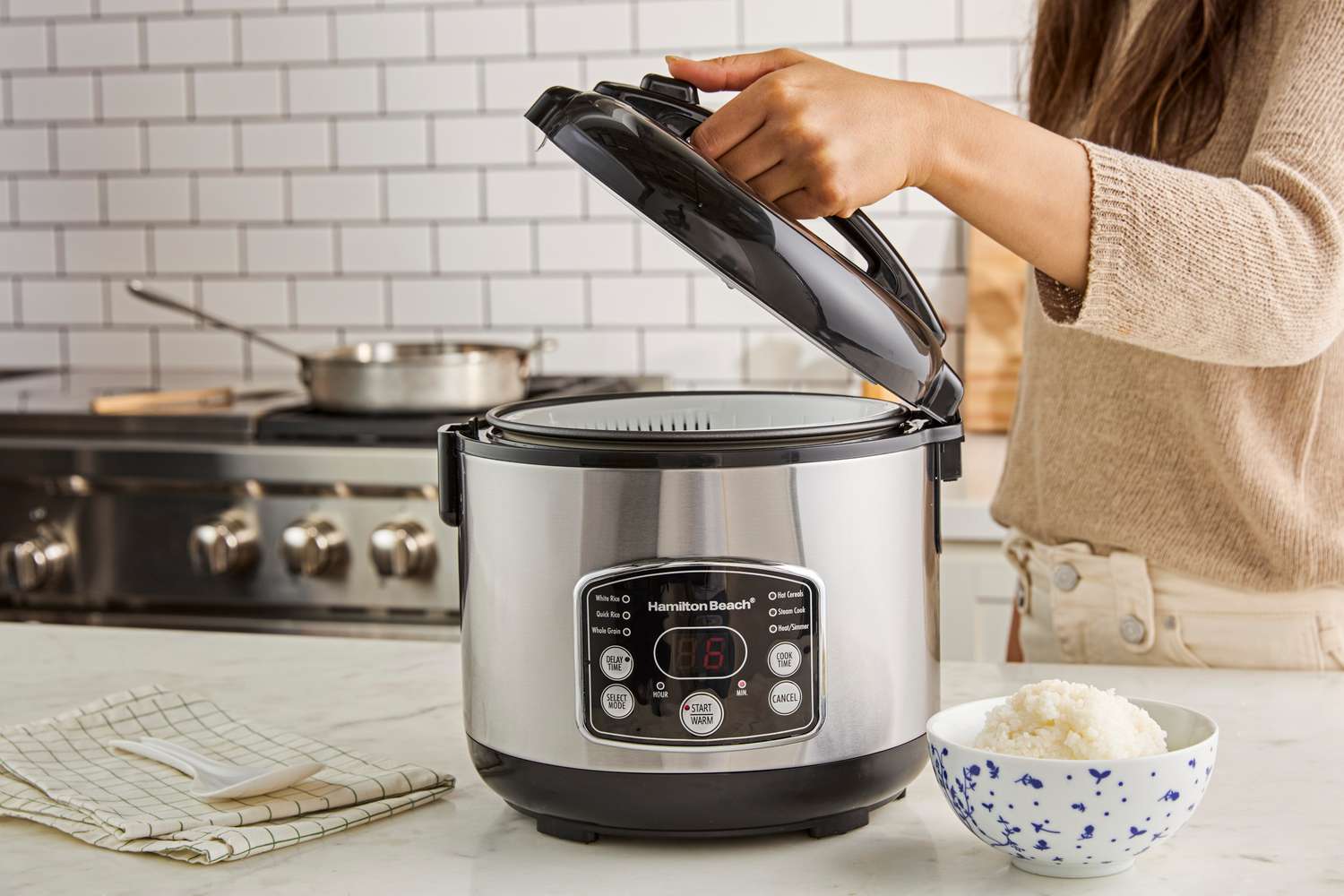
Hamilton Beach 37548 Rice Cooker
7-cup (14 cooked) digital cooker with rice rinser basket and delay start
If you’re feeding a crowd or meal prepping for the week, the Hamilton Beach 37548 is the pick. At 7 cups uncooked (14 cups cooked), it has nearly triple the output of the Dash Mini and more capacity than both the Zojirushi and Cuckoo.
It comes with a 2-in-1 rice rinser/steam basket, which is a clever inclusion. You rinse the rice right in the basket, let the starchy water drain out, and then use the same basket for steaming vegetables later. Six preset programs cover white rice, quick rice, whole grain, steam cook, hot cereals, and a heat/simmer setting. The delay start goes up to 11 hours, so morning rice is easy to set up.
No fuzzy logic here, so you’ll need to measure your water more carefully than with the Zojirushi or Cuckoo. Some users report rice sticking to the bottom on occasion. But at $67 for this much capacity and these features, the value math checks out.
Aroma ARC-914SBD – Best Under $50
Aroma ARC-914SBD Rice Cooker
4-cup digital cooker with delay timer and stainless steel exterior
The Aroma is Reddit’s go-to budget recommendation, earning an 89 signal score with 95% positive sentiment across the platform. For $30, you get digital controls, separate white and brown rice modes, a 15-hour delay timer, and a stainless steel exterior that looks more expensive than it is.
At 4 cups uncooked (8 cooked), it handles a small family comfortably. The inner pot is dishwasher safe, and a steam tray is included for vegetables or dumplings.
The most common complaint is rice burning or sticking to the bottom, especially if your water ratio is off by even a little. Without fuzzy logic to bail you out, precision matters more. Results can also vary between batches. It’s not a 10-year appliance like the Zojirushi, but for the price, it does the job well enough that thousands of people swear by it.
Dash Mini Rice Cooker – Best for Dorms and Singles
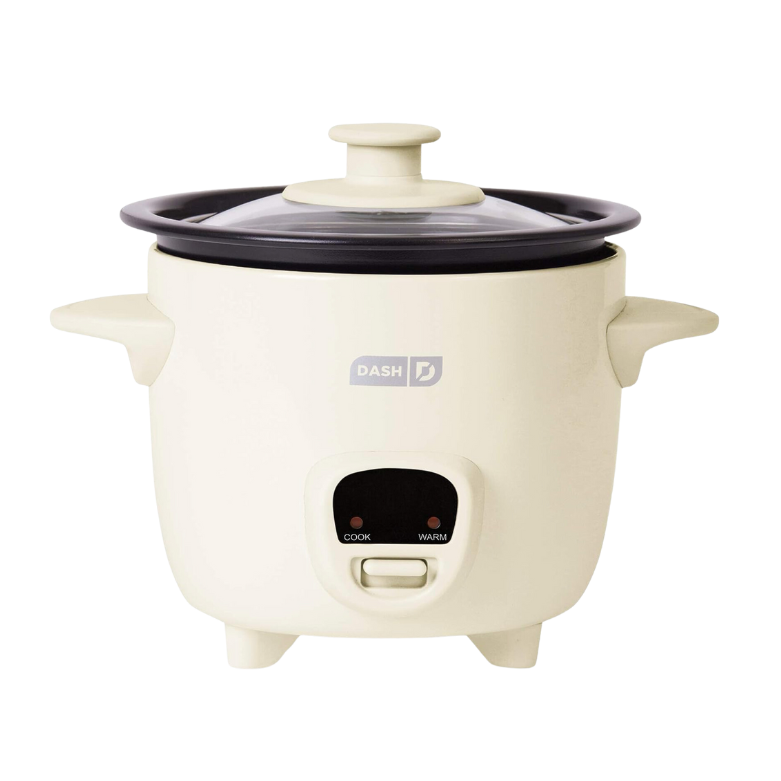
Dash Mini Rice Cooker
2-cup basic cooker with keep-warm function and PFOA-free nonstick
The Dash Mini does one thing and does it fine: cook a small amount of rice. Two cups uncooked is enough for one or two servings, which makes it perfect for dorm rooms, studio apartments, or anyone who doesn’t need to feed a household.
There’s no display, no digital controls, no presets. You add rice, add water, press the switch, and wait. It has a keep-warm function and cool-touch handles, plus the nonstick coating is PFOA-free. At just 200W, it barely uses any electricity.
With 39,000+ Amazon reviews and a 4.5-star average, this thing has clearly found its audience. It’s the rice cooker equivalent of a toaster: no frills, small footprint, and it just works. If you want to try rice cooker life without committing serious money, this is the entry point.
Fuzzy Logic vs Basic: Does the Tech Matter?
Rice cookers break down into three technology tiers, and the differences are real.
Basic (on/off) cookers like the Dash Mini use a simple thermal sensor. When the water boils off, the temperature rises, and the cooker switches to keep-warm. It works, but there’s no intelligence behind it. Your water-to-rice ratio needs to be right, or you get crunchy or mushy results.
Micom (fuzzy logic) cookers like the Zojirushi and Cuckoo use a microcomputer that monitors temperature throughout the cooking process and makes adjustments. Too much water? It cooks longer to evaporate the excess. Too little? It reduces heat to prevent burning. This is the technology tier where rice cookers go from “convenient” to “better than what most people can do on a stovetop.”
Induction Heating (IH) cookers heat the entire pot evenly instead of just the bottom. They produce the best results but start at $300+, which puts them outside this guide’s scope. If you’re curious, Zojirushi and Cuckoo both make IH models.
Our take: if you eat rice more than twice a week, fuzzy logic is worth the jump. The Cuckoo at $100 is the cheapest way to get there. If rice is more of an occasional thing, a basic digital model like the Aroma or Hamilton Beach will serve you fine.
What Size Do You Need?
Rice cooker capacity is measured in uncooked cups. One uncooked cup makes roughly two cooked cups, and one uncooked cup feeds about two people as a side dish. Here’s a rough sizing guide:
| Household | Uncooked Capacity | Good Match |
|---|---|---|
| Just you | 2-3 cups | Dash Mini (2 cup) |
| Couple | 3-4 cups | Aroma ARC-914SBD (4 cup) |
| Family of 3-5 | 5-6 cups | Zojirushi NS-TSC10 (5.5 cup) or Cuckoo CR-0675F (6 cup) |
| Large family or meal prep | 7+ cups | Hamilton Beach 37548 (7 cup) |
When in doubt, go one size up. A half-full rice cooker works fine. An overfilled one doesn’t. If you want to learn more about setting up your kitchen with smart home gear, check out our guide to the best robot vacuums for another area where the right appliance saves real time.
Frequently Asked Questions
Is a rice cooker worth buying?
If you cook rice once a week or more, yes. A rice cooker removes the guesswork and frees up a stovetop burner. You press a button and walk away. For occasional rice eaters, a $25 Dash Mini is enough to see if you like the convenience before investing more.
Do you need to rinse rice before using a rice cooker?
You should. Rinsing removes surface starch, which gives you fluffier, less sticky results. Rinse in a bowl or fine mesh strainer until the water runs mostly clear, usually 2-3 rinses. The Hamilton Beach 37548 includes a rinser basket that makes this easier.
What else can you cook in a rice cooker?
More than you’d think. Quinoa, oatmeal, and other grains work with the same water-to-grain ratios. Most rice cookers with steam baskets can handle vegetables, dumplings, and even hard-boiled eggs. The Zojirushi NS-TSC10 has a dedicated cake setting. It won’t replace a full kitchen, but it’s surprisingly versatile.
What is the difference between fuzzy logic and a regular rice cooker?
A regular rice cooker uses a basic thermal sensor and shuts off when water is absorbed. A fuzzy logic (Micom) cooker uses a microcomputer to monitor and adjust temperature throughout cooking. It compensates for measurement errors and produces more consistent results. The Zojirushi and Cuckoo in this guide both use fuzzy logic.
How long does a rice cooker last?
Budget models typically last 2-5 years with regular use. Quality brands like Zojirushi and Tiger are regularly reported to last 10-20 years. A $175 Zojirushi lasting 15 years costs about $12 per year. A $30 Aroma lasting 3 years costs $10 per year. The upfront cost is higher, but the long-term value leans toward the premium models.
Final Verdict
For most people spending under $200, the Zojirushi NS-TSC10 is the one to get. The fuzzy logic tech, the keep-warm performance, and the 10-15 year lifespan make it the best long-term value in the category. If that’s more than you want to spend, the Cuckoo CR-0675F at $100 gets you the same core technology with faster cook times. And if you just want to dip your toes in, the Dash Mini at $25 is as low-risk as it gets.
| Need | Our Pick | Price |
|---|---|---|
| Best overall | Zojirushi NS-TSC10 | $175 |
| Best value fuzzy logic | Cuckoo CR-0675F | $100 |
| Best for large families | Hamilton Beach 37548 | $67 |
| Best under $50 | Aroma ARC-914SBD | $30 |
| Best for dorms/singles | Dash Mini | $25 |